
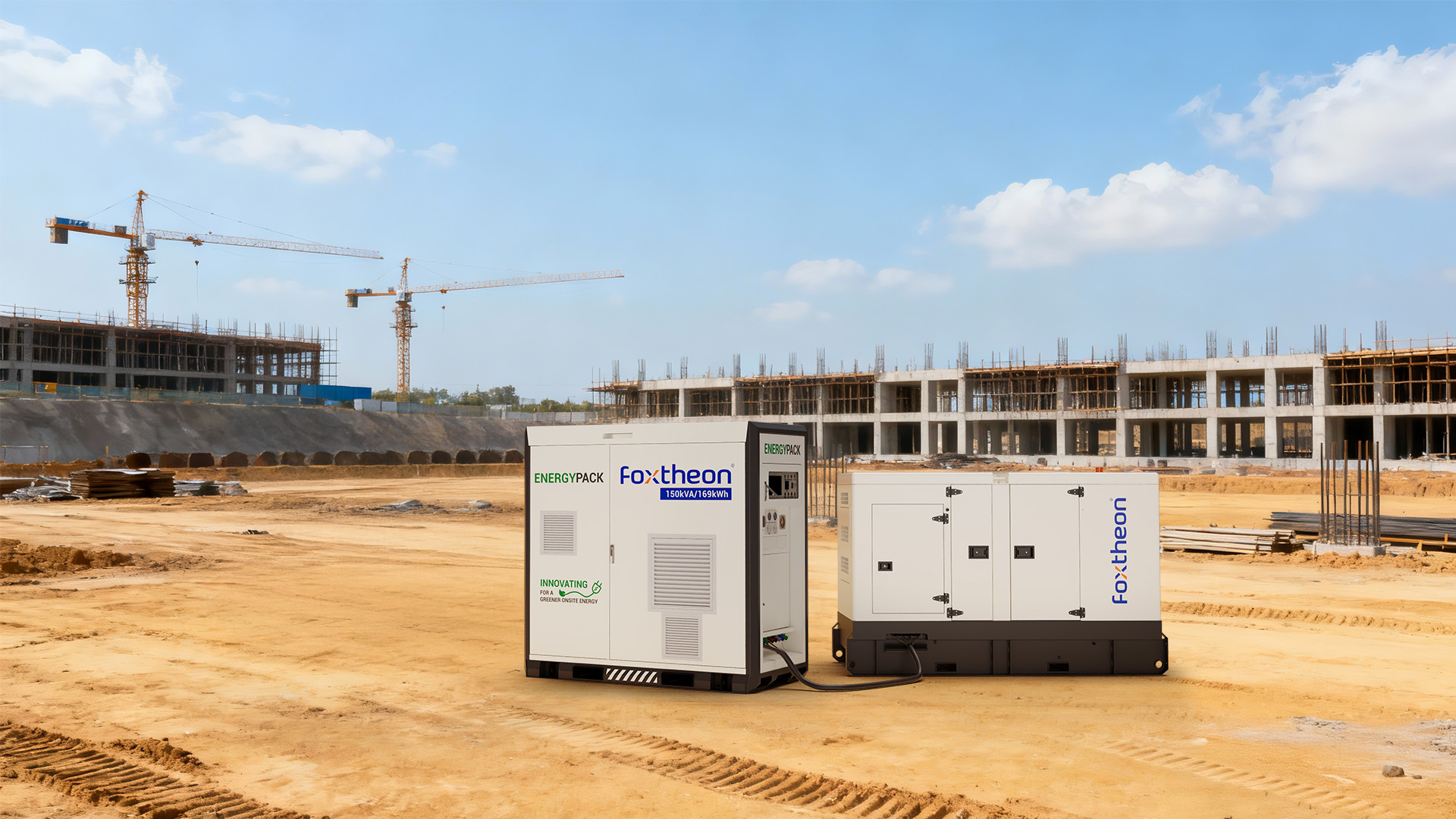
The demand for flexible, mobile power is reshaping the energy landscape. Construction sites, music festivals, and emergency response units are moving away from noisy diesel generators. They are turning toward Battery Energy Storage Systems (BESS).
For companies managing these fleets, buying the equipment is just the starting line. The real challenge—and the profit—lies in how well you manage the BESS rental asset lifecycle.
Managing a battery fleet is distinct from renting out traditional heavy machinery. Batteries are chemical assets. They degrade over time, require specific temperature ranges, and demand intelligent monitoring. Success in the international smart energy solution sector depends on extending the useful life of these assets while maximizing their utilization rate.
Manufacturers like Foxtheon have recognized this shift, designing systems specifically ruggedized for the high-turnover rental market, but the operational burden still falls on the fleet manager.
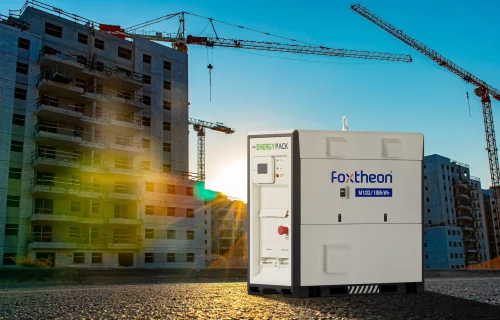
Understanding the Stages of the Lifecycle
To improve efficiency, we must first break down the lifecycle into manageable phases. It is not linear; it is a cycle of deployment, return, and maintenance.
Strategic Procurement and Specification
The lifecycle begins before the asset lands in the warehouse. Choosing the right chemistry and build quality is critical. A system designed for a stationary grid application will not survive the rough handling of the rental market.
You need systems with reinforced lifting points, vibration resistance, and plug-and-play interfaces. If the procurement phase ignores the physical realities of transport, the BESS rental asset lifecycle will be cut short by mechanical failure rather than battery degradation.
Logistics and Deployment
Once the asset is in the fleet, it enters the logistics phase. This is often where the highest costs are incurred. Batteries are heavy and classified as hazardous goods (DG) in many jurisdictions.
Efficient transport planning reduces downtime. The goal is to move the unit from one client to the next with minimal time spent sitting idle in the depot. However, rushing this process without safety checks leads to damage.
Operational Management and Monitoring
The operational phase is where the asset generates revenue. This is also where the battery health is most vulnerable.
Remote Diagnostics and Telemetry
You cannot manage what you cannot see. Modern BESS units come equipped with Battery Management Systems (BMS) that should feed data back to a central hub.
In the rental context, you need to know:
State of Charge (SoC)
State of Health (SoH)
Internal Temperature
Cycle counts
If a renter pushes the system beyond its rated capacity, real-time alerts allow the rental company to intervene. This data is the heartbeat of the BESS rental asset lifecycle. It moves maintenance from a reactive “fix it when it breaks” model to a proactive schedule.
On-Site Environmental Control
Batteries are sensitive to temperature. Extreme heat degrades lithium-ion cells rapidly, while freezing temperatures can prevent charging.
Rental units are often placed in less-than-ideal locations—dusty construction sites or baking hot fields. Ensuring the internal HVAC and liquid cooling systems are functioning is non-negotiable.
The Financial Impact of Lifecycle Management
Managing the physical asset is ultimately about protecting the financial investment.
Calculating Total Cost of Ownership (TCO)
In the rental business, the purchase price is only a fraction of the TCO. You must factor in transport, insurance, routine maintenance, and eventual recycling.
By extending the life of the battery through careful management, you lower the TCO per day. This allows for more competitive rental pricing or higher profit margins.
Managing Degradation Rates
Every time a battery charges and discharges, it loses a tiny fraction of its capacity. In a rental scenario, users may not treat the equipment with care.
Strict terms of service regarding depth of discharge (DoD) can help. However, the hardware itself plays a role. Foxtheon, for example, integrates advanced thermal management into their hybrid energy storage systems, which helps stabilize cell temperature and slow down degradation even under heavy usage.
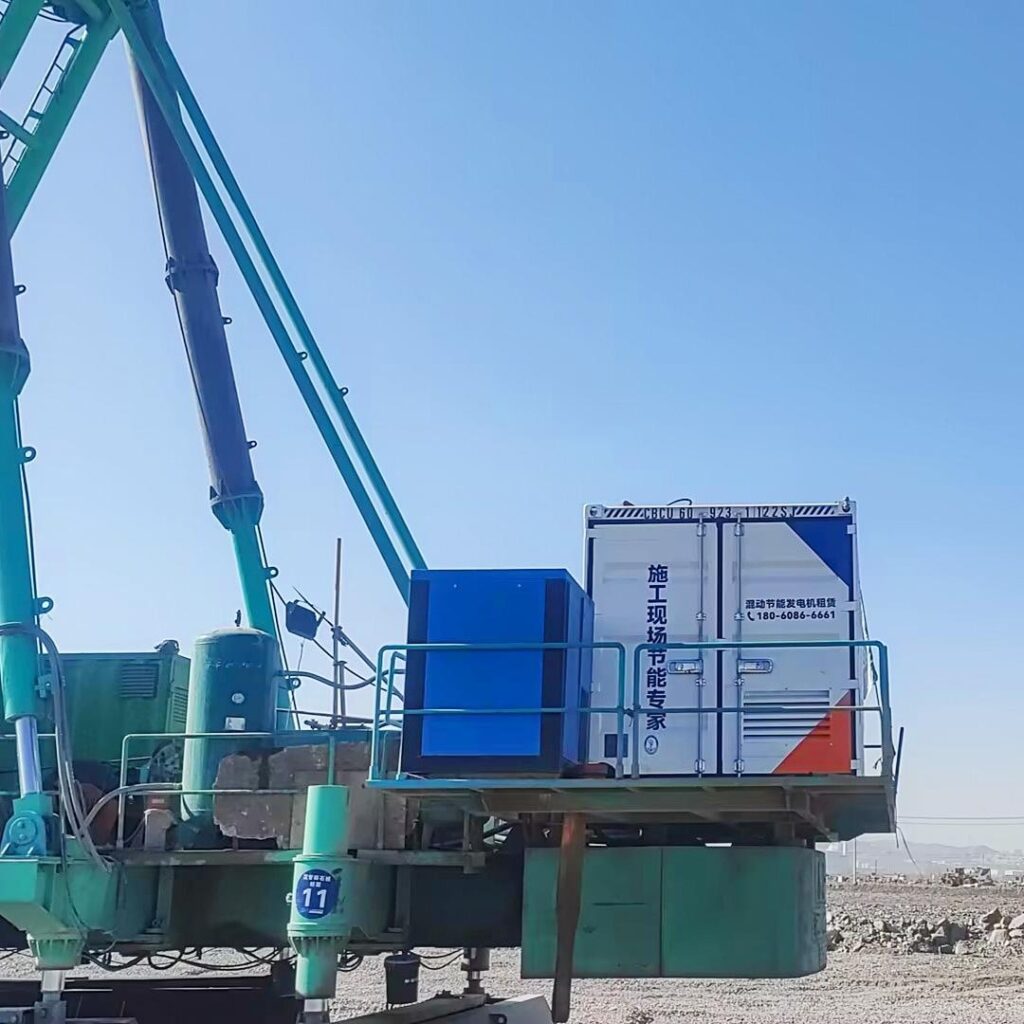
Challenges in the BESS Rental Market
The path to a profitable rental operation is full of hurdles. Identifying these early helps in mitigating risks.
Regulatory Compliance Across Borders
If you operate internationally, you face a patchwork of regulations. Transporting lithium batteries across borders requires specific documentation and safety labeling.
Furthermore, local fire codes differ regarding where a BESS can be placed relative to buildings. A rental operator must be an expert in compliance to avoid fines or project shutdowns.
Safety Risks and Thermal Runaway
Safety is the primary concern for any energy storage operator. The risk of thermal runaway, although rare in high-quality modern systems, must be managed.
Rental units face physical impact risks that stationary units do not. A forklift collision or a drop during loading can damage internal cells. Rigorous visual and digital inspections between rentals are mandatory components of the BESS rental asset lifecycle.
Extending Value Through Second-Life Applications
When a BESS unit can no longer hold enough charge for demanding applications, its life is not over.
Repurposing for Lower Loads
A battery that has dropped to 70% capacity might not suffice for a heavy industrial crane, but it is perfect for supporting site security cameras or lighting towers.
Tiering your rental fleet based on State of Health allows you to squeeze revenue out of older assets. You place the newest units on the most demanding jobs and cycle older units to less critical tasks.
Recycling and Disposal
Eventually, the asset reaches the end of the road. Responsible disposal is a key part of the modern energy narrative.
Recycling lithium-ion batteries allows for the recovery of valuable materials like cobalt, nickel, and lithium. Having a clear partnership with recyclers ensures you close the loop sustainability and legally.
The Role of Software in Asset Longevity
Hardware is the muscle, but software is the brain. Managing a large fleet requires robust Asset Management Software.
Automated Maintenance Scheduling
Relying on spreadsheets to track maintenance is a recipe for disaster. automated systems can trigger a maintenance ticket based on the number of cycles a specific unit has performed.
This ensures that filters are cleaned, coolants are topped up, and firmware is updated exactly when needed.
Data-Driven Decision Making
Historical data tells you which clients abuse the equipment and which brands of BESS hold up best over time. This data informs future purchasing decisions.
If the data shows that Foxtheon units require 20% less maintenance than a competitor’s unit over a two-year period, that insight directly impacts your bottom line.
The transition to mobile green energy is accelerating. For rental companies, the opportunity is immense, but the operational complexity is high.
Mastering the BESS rental asset lifecycle requires a blend of rugged hardware, smart software, and disciplined logistics. It is about balancing the immediate needs of the client with the long-term health of the equipment.
From the moment a unit is procured to its final day in operation, every decision impacts profitability. By leveraging durable equipment from partners like Foxtheon and implementing rigorous monitoring protocols, rental operators can ensure their fleets provide reliable power for years to come.
Frequently Asked Questions (FAQ)
Q1: What is the typical duration of a BESS rental asset lifecycle?
A1: The operational lifespan of a rental BESS unit typically ranges from 7 to 10 years, depending on usage intensity and maintenance. However, the battery cells may degrade to a point where they are no longer suitable for high-load applications after 5 to 7 years, necessitating a move to “second-life” low-load applications.
Q2: How does the rental environment affect battery degradation compared to stationary use?
A2: Rental environments generally accelerate degradation. This is due to frequent transportation (vibration), varying environmental conditions (temperature fluctuations), and inconsistent usage patterns by different clients. Effective thermal management and ruggedized design are essential to mitigate these effects.
Q3: What are the key maintenance requirements for a BESS rental fleet?
A3: Routine maintenance includes checking and cleaning air filters and cooling systems, inspecting physical connections for transport damage, updating firmware, and verifying the calibration of the Battery Management System (BMS). Visual inspections for external damage should occur after every rental return.
Q4: Can BESS rental assets be used in extreme weather conditions?
A4: Yes, but with limitations. Most industrial BESS units are rated for outdoor use (e.g., IP54 or IP55 ratings). However, extreme cold can reduce discharge capability, and extreme heat can shorten battery life. Operators must ensure the unit’s internal HVAC system is powered and functioning correctly during extreme weather.
Q5: How does software impact the BESS rental asset lifecycle?
A5: Software is critical for remote monitoring. It allows fleet managers to track State of Health (SoH) and State of Charge (SoC) in real-time. This prevents deep discharging or overheating events that could permanently damage the asset, thereby extending the overall lifecycle and ensuring warranty compliance.