
Natural disasters strike. Wildfires rage. Storms cripple infrastructure. In these critical moments, the loss of electrical power isn’t just an inconvenience; it’s a life-threatening crisis. It halts communication, shuts down medical facilities, and darkens emergency shelters.
Traditional diesel generators have been the default response. But they are noisy, polluting, and rely on a constant, often disrupted, fuel supply.
A new, smarter solution is rapidly changing emergency management: the Mobile BESS for emergency response.
This technology provides a silent, rapid, and resilient power source for the most challenging scenarios. Companies like Foxtheon are at the forefront, engineering these mobile units to be true lifelines in a blackout.
What is a Mobile BESS? Understanding the Technology
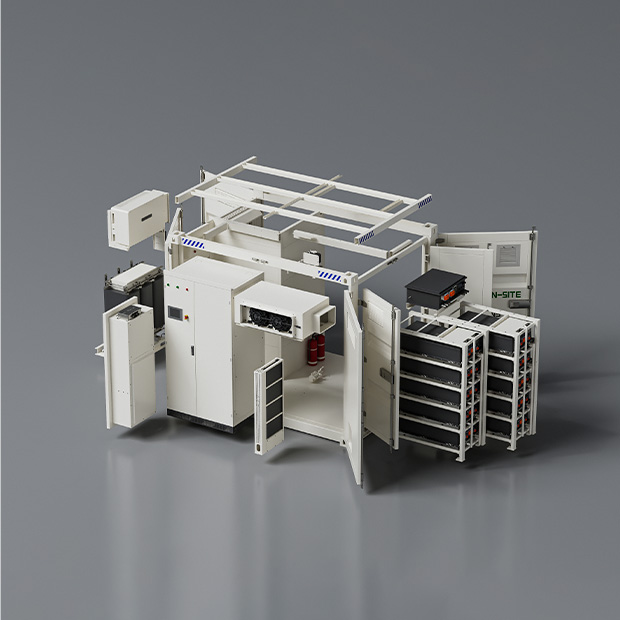
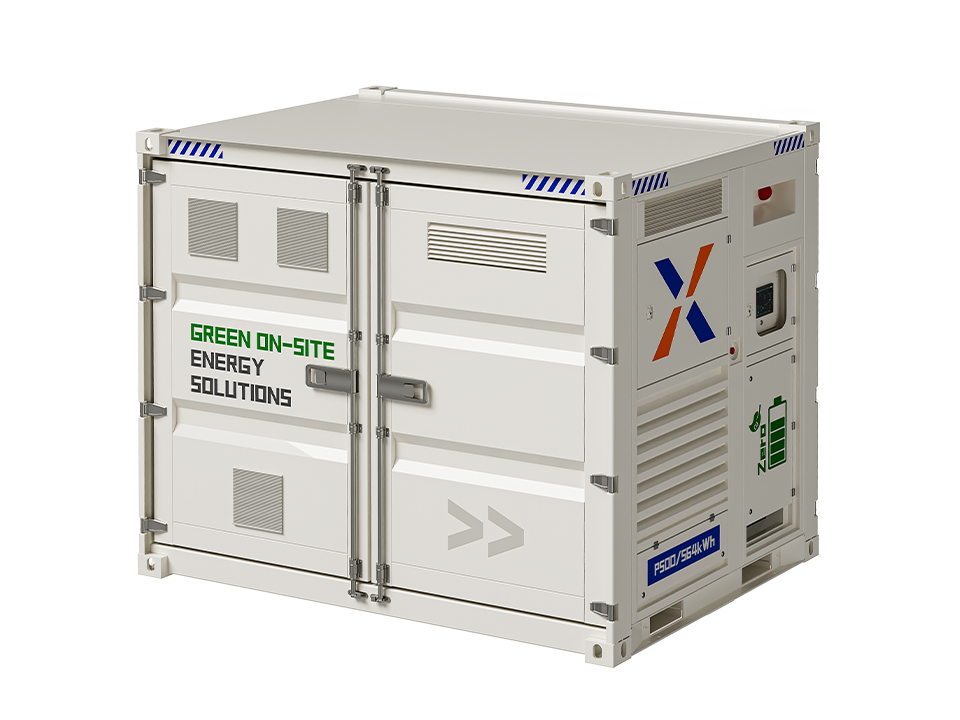
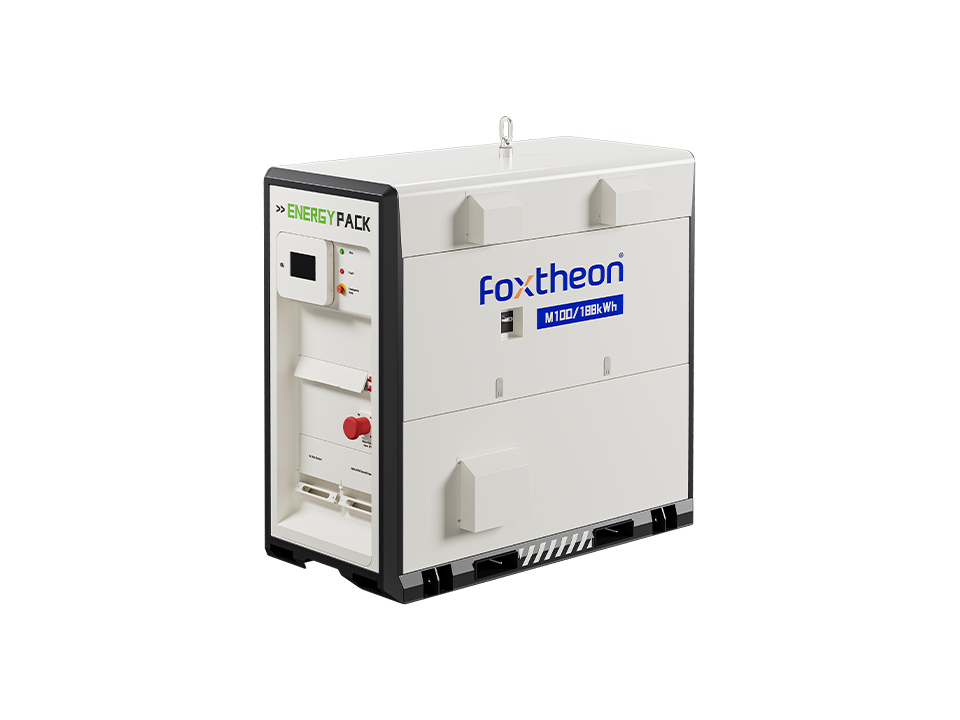
A Mobile BESS is a containerized or trailer-mounted Battery Energy Storage System. It’s essentially a large, transportable power bank.
Think of it as a massive, mobile version of the battery in your phone. It can be charged from the grid when power is available and then deployed anywhere to discharge that stored energy when it’s not.
The core components include:
High-Density Battery Racks: The core energy storage, typically using advanced lithium-ion chemistry.
Power Conversion System (PCS): Manages charging and converts stored DC power to AC power for use by standard equipment.
Climate Control System: Maintains optimal temperature for battery safety and performance.
Integrated Energy Management System (EMS): The intelligent brain that controls output, monitors health, and can integrate with other sources.
This plug-and-play design makes a mobile BESS for emergency response incredibly versatile and fast to deploy.
Key Advantages Over Traditional Emergency Power
Why is a mobile BESS becoming the preferred choice for disaster relief agencies and utilities?
Silent and Zero-Emission Operation
Unlike roaring diesel generators, a mobile BESS operates silently. This is crucial for setting up power in populated areas like emergency shelters or field hospitals, where noise and fumes can exacerbate stress and health issues. It produces no local emissions, protecting air quality.
Rapid Deployment and Instantaneous Response
Time is critical. These units can be transported to a site and begin providing power within minutes. There’s no need for complex setup or ongoing fuel logistics. The power is available the moment the connection is made.
Enhanced Fuel Independence and Resilience
A mobile BESS breaks the dependency on vulnerable fuel supply chains. Once charged, it can provide power for extended periods. Furthermore, it can be paired with solar panels to create a self-sustaining microgrid, offering indefinite power for prolonged recovery efforts.
Seamless Integration with Renewables
This is a game-changer. A mobile BESS can store solar energy during the day and dispatch it at night. This creates a clean, reliable power source for critical operations without any fuel cost or logistical burden. Foxtheon‘s systems are designed with this hybrid capability in mind.
Critical Applications in Emergency Scenarios
The use cases for a mobile BESS for emergency response are vast and growing.
Disaster Relief and Humanitarian Aid
In the aftermath of hurricanes, earthquakes, or floods, these units provide immediate power for:
Emergency communication systems.
Water purification plants.
Medical field tents and mobile clinics.
Lighting for shelters and distribution centers.
Wildfire Fighting and Prevention
During wildfires, a mobile BESS can power:
Remote incident command posts.
Firefighting equipment charging stations.
Critical community infrastructure when Public Safety Power Shutoffs (PSPS) are enacted to prevent fires.
Public Safety Power Shutoff (PSPS) Mitigation
Utilities are increasingly using mobile BESS units to create “resilience hubs” in areas prone to PSPS events. These hubs provide communities with a place to power medical devices, charge phones, and access information during pre-emptive grid outages.
Grid Restoration and Black Start
After a widespread blackout, large-scale mobile BESS units can help utilities “jump-start” sections of the grid, a process known as black start, speeding up the restoration for everyone.
The Future is Mobile and Resilient
The adoption of mobile BESS for emergency response is not just a trend; it’s a fundamental shift towards smarter, more adaptive crisis management. As battery technology continues to improve, offering greater capacity and faster charging, their role will only expand.
Innovators like Foxtheon are pushing the boundaries with smarter EMS software and more ruggedized designs, ensuring that reliable power is no longer a limitation in saving lives and rebuilding communities.
Frequently Asked Questions (FAQ)
Q1: How long can a mobile BESS provide power during an emergency?
A1: The runtime depends entirely on the unit’s battery capacity (measured in kWh) and the load it is supporting (measured in kW). A smaller unit might power a few critical loads for 8-12 hours, while a large, containerized system could support a microgrid for days. Systems can also be recharged via solar or a generator to extend operation indefinitely.
Q2: What is the typical deployment time for a mobile BESS?
A2: Deployment is remarkably fast. Once on-site, a crew can have a standard mobile BESS connected and supplying power in under 30 minutes. This “plug-and-play” functionality is a key advantage over traditional generators.
Q3: Can a mobile BESS integrate with existing diesel generators?
A3: Absolutely. In a hybrid setup, the mobile BESS can handle the base load, with the diesel generator kicking in only for peak demands or to recharge the batteries. This configuration drastically reduces fuel consumption, noise, and emissions.
Q4: Are there any special maintenance requirements for a mobile BESS?
A4: Maintenance is minimal compared to a diesel generator. There are no engines, oil, or filters to service. Primary maintenance involves periodic system checks, ensuring the climate control is functional, and software updates, often managed remotely by the provider.
Q5: How does the cost of a mobile BESS compare to traditional generators for emergency response?
A5: While the upfront capital cost can be higher, the Total Cost of Ownership (TCO) is often lower. A mobile BESS has no fuel costs, lower maintenance costs, and a longer lifespan for core components. When factoring in the operational, environmental, and resilience benefits, it presents a compelling economic case.