
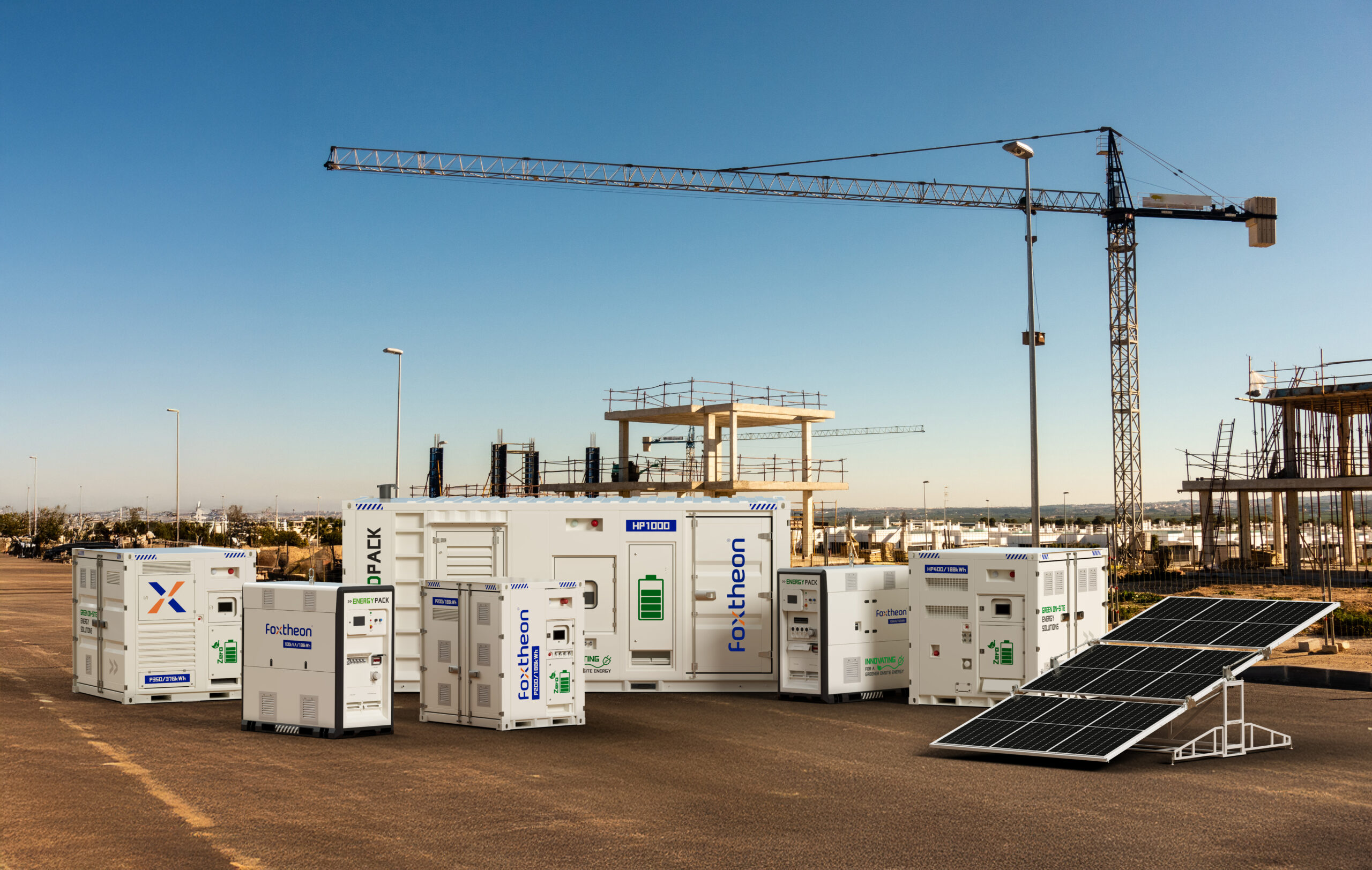
Managing variable electrical loads in off-grid and industrial applications presents a continuous engineering challenge. Site operators must balance power reliability, fuel consumption, and equipment longevity while managing complex demand profiles. Rather than discarding existing internal combustion engine (ICE) infrastructure, modern energy management focuses on synergistic integration. The implementation of parallel hybrid generators represents a highly strategic approach to power generation, intelligently combining battery energy storage systems (BESS) with traditional gensets to operate in synchronous tandem.
This methodology enables commercial and industrial operators to maximize the efficiency of their existing power assets, significantly reducing fuel expenditures and associated emissions without compromising operational stability. As an industry pioneer in international smart energy solutions, Foxtheon engineers intelligent technologies that integrate seamlessly with current fleets, providing a sophisticated pathway to more sustainable and cost-effective site operations.
The Engineering Mechanics of Hybrid Synchronization
Understanding the value of hybrid power requires a thorough examination of the underlying electro-mechanical principles. Traditional prime-power generators operate at peak thermal and mechanical efficiency only when loaded within a specific band, typically between 70% and 85% of their rated capacity. In real-world applications, however, load profiles are rarely static. They fluctuate constantly, frequently dropping below the optimal threshold or spiking suddenly due to motor starts.
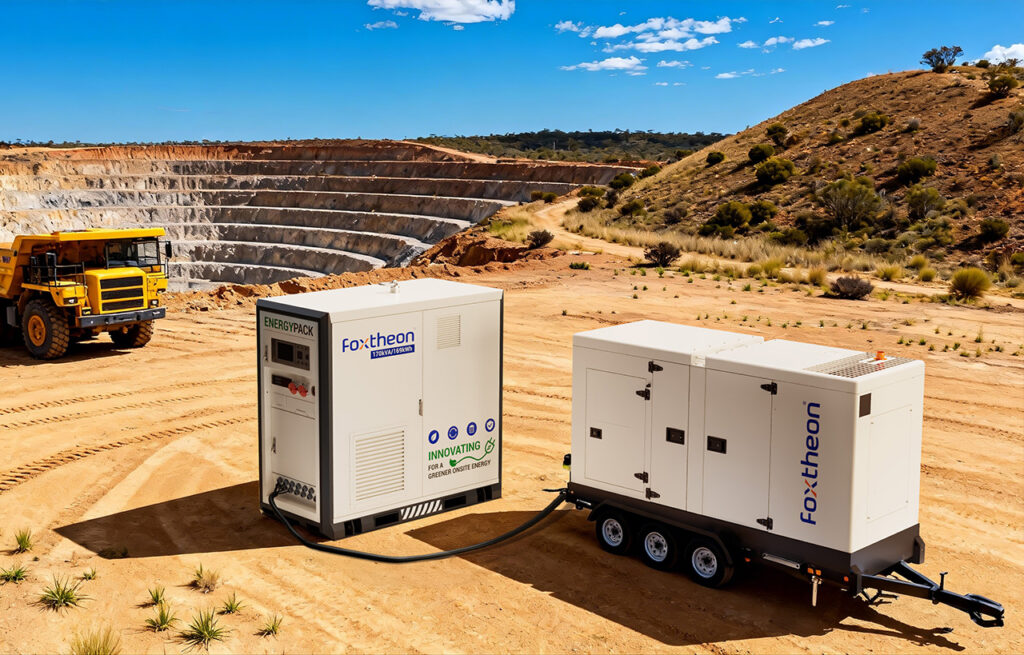
The architecture of parallel hybrid generators addresses this variance through advanced power electronics and intelligent dispatch logic. By coupling an internal combustion engine with a high-capacity energy storage system on a shared alternating current (AC) or direct current (DC) bus, the system decouples the mechanical generation of power from the immediate electrical demand of the load.
Seamless Inverter Technology and Phase Matching
For a battery system and a diesel or gas engine to supply power simultaneously to the same load, their electrical outputs must be perfectly synchronized. This requires matching the voltage magnitude, frequency, and phase angle with exact precision. Modern power conversion systems (PCS) utilize high-frequency pulse-width modulation (PWM) and droop control algorithms to achieve this synchronization. When a transient load occurs, the bidirectional inverter reacts within milliseconds, injecting active and reactive power into the microgrid to stabilize the voltage and frequency. This instantaneous response prevents the mechanical engine from experiencing sudden stress, thereby maintaining power quality across the entire localized grid.
Dynamic Load Management and Peak Shaving
One of the primary functions of an integrated energy management system (EMS) is dynamic load management. When the site demand is high, both the battery system and the combustion engine deliver power simultaneously (peak shaving). This collaborative output means operators can utilize smaller, more fuel-efficient engines for their baseline operations rather than over-sizing a single generator to handle brief, infrequent demand spikes. Conversely, when the site demand is low, the engine can either be shut down entirely—allowing the battery to carry the load seamlessly—or run at its most efficient rating to simultaneously supply the site and recharge the battery cells.
Resolving Operational Inefficiencies in Off-Grid Power
Heavy industries, mining camps, and remote construction sites frequently rely on diesel generators for continuous power. However, these environments suffer from specific operational pain points that directly impact profitability and equipment health.
Mitigating the Effects of Wet Stacking
A prevalent issue in off-grid power generation is “wet stacking.” When a diesel engine operates at a low load (typically below 30% to 40% of its rated capacity), it fails to reach the optimal internal operating temperature. This leads to incomplete combustion of the injected fuel. Unburned fuel and carbon deposits begin to accumulate in the exhaust system, on the cylinder walls, and around the piston rings. Over time, wet stacking causes bore glazing, increased oil consumption, and a significant reduction in the operational lifespan of the engine.
The deployment of parallel hybrid generators offers a permanent, structural solution to this issue. Because the EMS actively monitors site demand, it prevents the engine from ever running in a low-load state. If the load drops into the dangerous low-temperature zone, the system will instruct the engine to shut down, seamlessly transferring the active load to the energy storage system. When the battery reaches a predefined depth of discharge (DoD), the engine is commanded to restart, running at a high, healthy load to rapidly replenish the battery while supporting the site. This continuous optimization protects the mechanical integrity of the generator.
Sector-Specific Application Scenarios
The flexibility of hybrid microgrid integration allows it to be deployed across a multitude of industrial sectors, each benefiting from tailored dispatch strategies.
Mining and Large-Scale Construction
In extractive industries and heavy construction, electrical demand is characterized by massive transient spikes. Tower cranes, large industrial hoists, and rock crushers create severe inrush currents when their electric motors engage. Traditionally, site engineers are forced to rent highly oversized generators strictly to accommodate these transient spikes, leading to massive inefficiencies during the long periods of base-load operation. By utilizing parallel hybrid generators, the high-discharge capability of the lithium-ion battery system absorbs the sudden inrush current, acting as an electrical buffer. This allows the site to operate on appropriately sized combustion engines, drastically reducing daily fuel burn rates.
Telecommunications and Remote Infrastructure
Remote telecom base transceiver stations (BTS) require uninterrupted, reliable power 24 hours a day, yet their actual power draw is relatively low and consistent. Supplying these sites via continuous diesel engine operation results in disproportionately high fuel logistics costs and frequent maintenance trips. Integrating intelligent energy storage allows the BTS to run silently on battery power for the majority of the day. The engine only engages for a few hours to recharge the system. This drastically cuts down on the frequency of fuel delivery trucks needed to access difficult terrain.
Data-Driven Economic and Environmental Metrics
The financial justification for adopting hybrid power architectures is firmly rooted in measurable data and total cost of ownership (TCO) analysis. The economic advantages extend far beyond simple fuel savings.
- Reduction in Operating and Maintenance (O&M) Costs: Traditional generators require scheduled maintenance based on engine run-hours (typically every 250 to 500 hours for oil changes, filter replacements, and belt inspections). Because a hybrid configuration can reduce engine run-time by 50% to 70%, the intervals between mandatory service events are proportionately extended. This reduces labor costs, parts procurement, and site downtime.
- Optimized Fuel Efficiency: Engines operating near their peak thermal efficiency yield the maximum amount of kilowatt-hours (kWh) per liter of fuel consumed. By eliminating low-load inefficiencies, operators achieve a higher energy yield per unit of fuel.
- Emissions Reductions: By lowering total fuel consumption and preventing incomplete combustion scenarios, operators inherently reduce the emission of carbon dioxide (CO2), nitrogen oxides (NOx), and particulate matter (PM). This provides a measurable pathway to meeting corporate sustainability goals and complying with increasingly strict environmental regulations.
Organizations like Foxtheon facilitate this transition by providing highly granular telemetry and remote monitoring software. Fleet managers can track energy yields, state of charge (SoC), load profiles, and fuel savings in real-time, allowing for continuous refinement of their energy strategy.
Enhancing the Value of Existing Generator Fleets
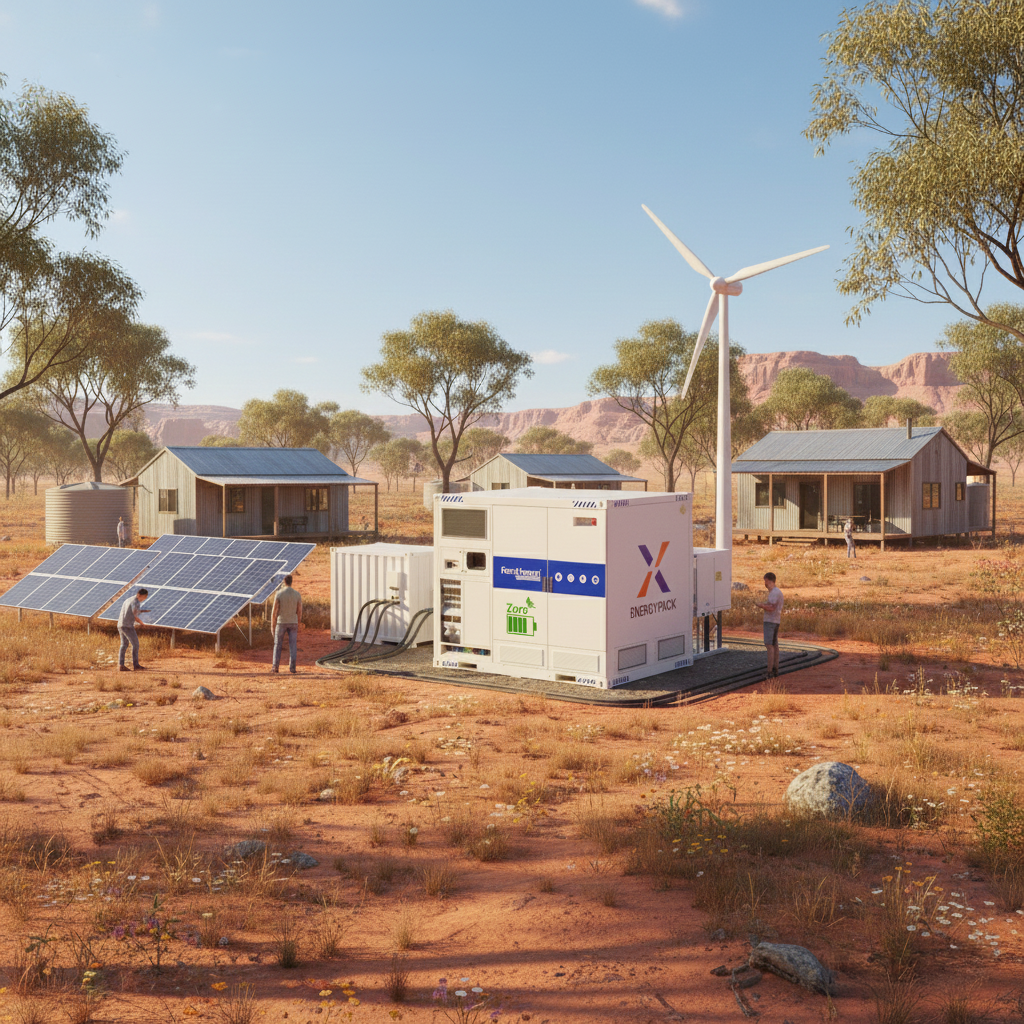
A fundamental principle of modern industrial energy integration is protecting and enhancing the customer’s existing capital investments. Advanced hybrid systems are expressly designed not to render existing diesel or gas generators obsolete. Instead, they serve as a powerful upgrade, augmenting the current fleet. Channel partners and equipment rental companies benefit immensely from this architecture, as they can offer their clients a premium, high-efficiency power solution utilizing the inventory they already own.
By connecting an intelligent battery storage unit to a standard rental generator, the entire package transforms into a state-of-the-art microgrid. The advanced controls of parallel hybrid generators communicate via standard industrial protocols (such as Modbus or CAN bus) with the generator’s automatic voltage regulator (AVR) and engine control module (ECM). This ensures a perfectly harmonized power delivery system that extends the lifecycle of the engine components and maximizes return on investment (ROI) for equipment owners.
The transition toward highly optimized, data-driven power generation is a necessity for industries seeking to manage operational costs and improve reliability. The deployment of parallel hybrid generators provides a mathematically proven methodology to achieve these goals. By intelligently managing load distribution, absorbing transient demand spikes, and ensuring engines operate strictly within their optimal thermal bands, this technology profoundly extends asset lifespans while minimizing resource waste. Through the implementation of sophisticated energy storage and control systems designed by leaders like Foxtheon, industrial operators can achieve a resilient, highly efficient power infrastructure tailored precisely to their complex operational requirements.
Frequently Asked Questions (FAQ)
Q1: What are the primary components required for a parallel hybrid system?
A1: A parallel hybrid power system consists of an internal combustion engine (generator), a high-density battery energy storage system (BESS), a bidirectional power conversion system (PCS/Inverter), and a central Energy Management System (EMS). The EMS acts as the brain, monitoring load demand and directing the flow of active and reactive power between the generator, the batteries, and the site load.
Q2: How do parallel hybrid generators prevent wet stacking in diesel engines?
A2: Wet stacking occurs when a diesel engine runs continuously at a low load, causing incomplete fuel combustion. The hybrid system’s EMS monitors the electrical demand; if the load drops below the engine’s healthy operating threshold, the EMS shuts the engine off and transfers the base load entirely to the battery system. The engine is only restarted when the battery needs charging or when the site load increases to a healthy operating level.
Q3: Can these energy storage solutions integrate with my current fleet of traditional generators?
A3: Yes. These systems are specifically engineered to augment and enhance existing generator assets. Through standard industrial communication protocols and advanced inverter synchronization, the battery systems can be retrofitted to work alongside legacy internal combustion engines, adding intelligent load management without requiring you to discard your current equipment.
Q4: What is the typical return on investment (ROI) mechanism for integrating hybrid microgrids?
A4: The ROI is calculated through a combination of significantly reduced fuel consumption, massively extended intervals between scheduled engine maintenance (due to fewer engine run-hours), extended lifespan of the mechanical generator, and a reduction in fuel delivery logistics costs. In remote off-grid scenarios, the payback period is often realized rapidly due to the high baseline cost of fuel transport.
Q5: How does the energy management system (EMS) handle sudden, massive load spikes from heavy machinery?
A5: When heavy machinery, such as a crane or crusher, starts up, it draws a massive inrush current. The system’s bidirectional inverters detect this voltage drop within milliseconds and instantly discharge power from the lithium-ion batteries. This absorbs the transient spike, preventing the mechanical engine from bogging down or stalling, and ensures stable voltage and frequency for the rest of the localized grid.