
The Importance of Power for Tunnel Boring Machine (TBM) Operations
TBMs are massive machines that require substantial energy to function. Power for tunnel boring machine (TBM) units drives cutting heads, conveyor systems, and support mechanisms. Without stable power, tunneling can stall, leading to delays and budget overruns. Energy efficiency directly impacts project timelines and environmental footprints. Smart energy solutions help balance demand with supply, enhancing overall productivity.
Key factors influencing TBM power include:
- Machine size and tunneling depth
- Soil or rock hardness
- Operational duration and shifts
- Cooling and ventilation needs
Projects in urban areas often face grid constraints. Reliable power for TBM systems must adapt to these challenges. Foxtheon’s technologies assist in monitoring and managing energy flow, ensuring consistent performance.
Energy Sources for Tunnel Boring Machines
TBMs traditionally rely on grid electricity or diesel generators. Each source has pros and cons. Grid power is clean but may be unavailable in remote sites. Diesel offers mobility but raises emissions and fuel costs. Renewable options like solar or hybrid systems are gaining traction. They support sustainable tunneling and align with global energy goals.
Grid Electricity and Backup Systems
Many TBMs use high-voltage grid connections. This method provides steady power for tunnel boring machine (TBM) operations. Backup generators are essential for grid failures. Smart grids integrate real-time data to prevent outages. They adjust load distribution based on TBM demands.
Advantages of grid power include:
- Lower operational costs over time
- Reduced on-site fuel handling
- Compatibility with automation tools
Diesel and Hybrid Alternatives
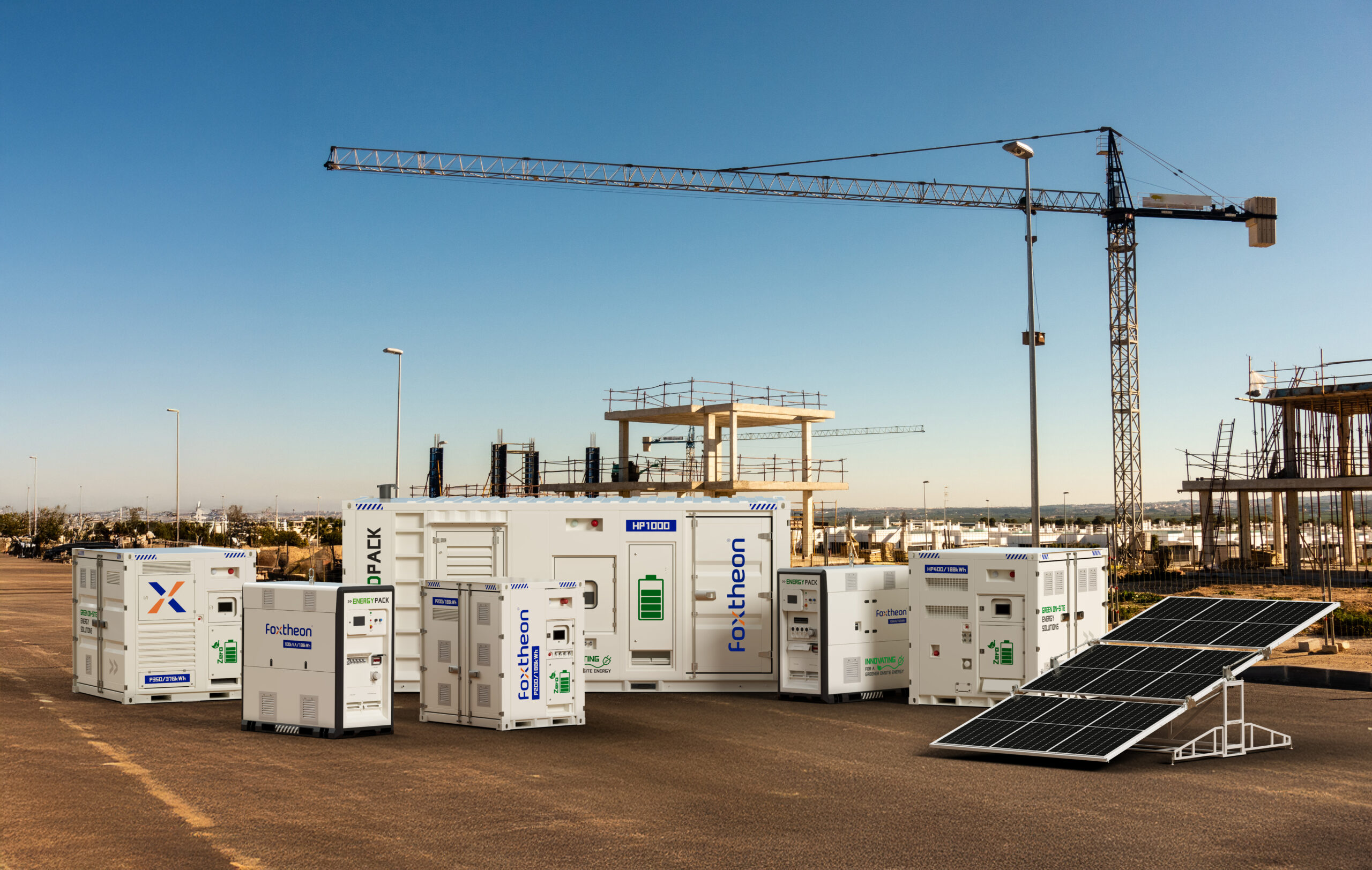
Diesel generators suit off-grid projects. They deliver high torque for tough conditions. However, noise and pollution are drawbacks. Hybrid systems combine diesel with batteries or renewables. They optimize fuel use and cut emissions. Innovations from Foxtheon enhance hybrid efficiency, making them viable for long tunnels.
Smart Energy Solutions for TBM Power Management
Modern tunneling embraces smart technologies. Power for tunnel boring machine (TBM) systems now includes IoT sensors and AI analytics. These tools predict energy needs and prevent waste. They monitor machine health, adjusting power flow to match geological changes. Such solutions reduce carbon footprints and operational risks.
Implementing smart energy involves:
- Installing sensors on TBM components
- Using cloud platforms for data analysis
- Integrating renewable sources dynamically
Foxtheon’s platforms offer real-time insights. They help teams manage power for TBM units effectively, even in complex environments. This approach supports the international shift toward green infrastructure.
Challenges in Delivering Power for Tunnel Boring Machine (TBM) Projects
Tunneling sites present unique energy hurdles. Remote locations lack grid access. Harsh conditions strain equipment. Power fluctuations can damage TBM electronics. Solutions must be robust and flexible. Redundant systems and energy storage mitigate these issues.
Managing High Energy Demand
TBMs consume megawatts of power during peak loads. This demand stresses local grids. Engineers use phased operations to balance load. Energy storage units store excess power for high-demand periods. These strategies ensure uninterrupted tunneling.
Common tactics include:
- Staggering TBM functions to avoid spikes
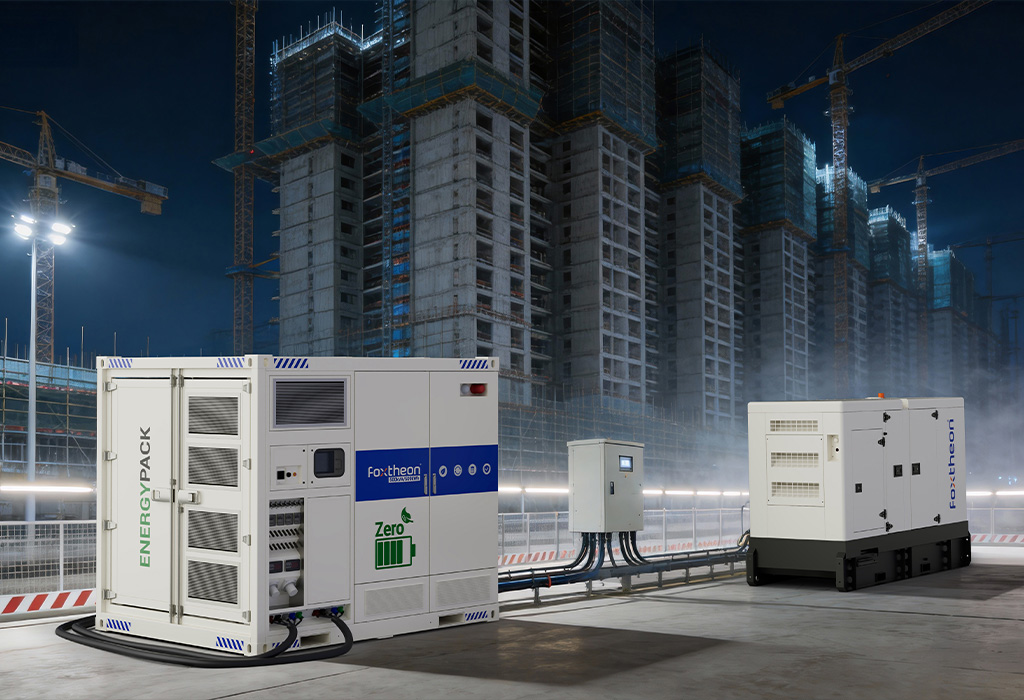
- Using capacitors or batteries for backup
- Collaborating with utilities for custom solutions
Environmental and Regulatory Factors
Strict emissions rules affect diesel-dependent projects. Noise control is another concern in populated areas. Smart power for tunnel boring machine (TBM) systems address these through cleaner technologies. Foxtheon’s innovations comply with international standards, aiding project approvals.
The Future of Power for Tunnel Boring Machines
Advancements in energy storage and renewables will shape TBM power. Battery technology improves, enabling longer off-grid runs. Solar and wind integration reduces fossil fuel reliance. Digital twins simulate energy use, optimizing designs before construction starts.
Emerging trends focus on:
- Fully electric TBMs with zero emissions
- AI-driven predictive maintenance for power systems
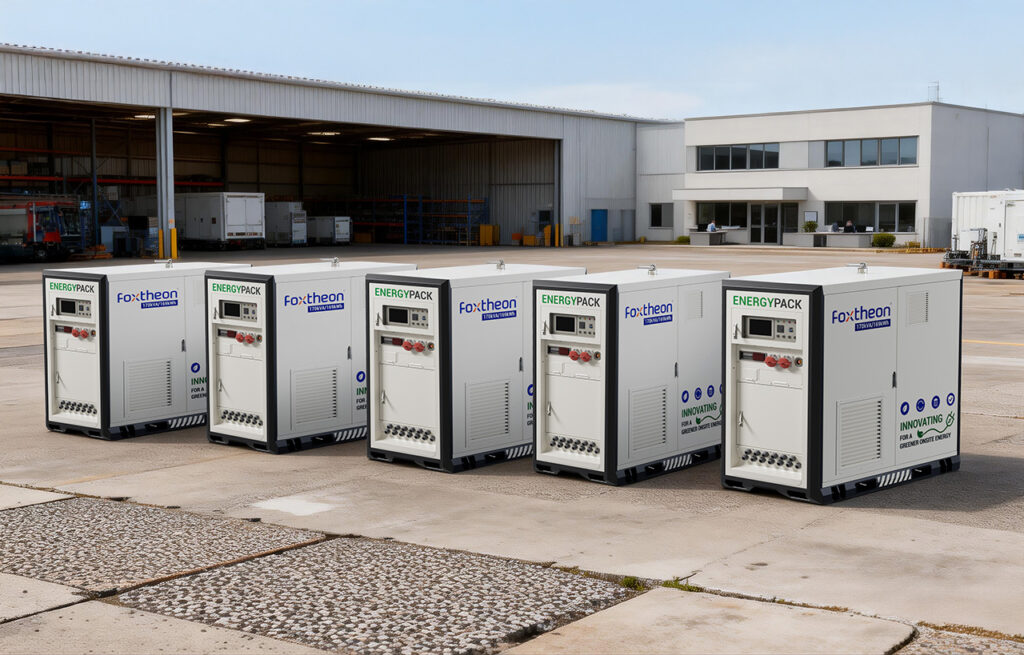
- Modular energy units for easy deployment
Foxtheon contributes to this evolution with research in smart grids. Their work helps streamline power for tunnel boring machine (TBM) applications, fostering sustainable development. As tunneling expands, efficient energy solutions become critical for success.
Conclusion: Optimizing Power for Tunnel Boring Machine (TBM) Systems
Effective power for tunnel boring machine (TBM) operations is vital for modern infrastructure. From energy sources to smart management, each aspect influences project outcomes. Adopting innovative solutions reduces costs and environmental impact. In the international smart energy landscape, companies like Foxtheon play a key role in advancing TBM technology. By prioritizing efficient power systems, tunneling projects can achieve greater reliability and sustainability.
Frequently Asked Questions
Q1: What is the primary source of power for tunnel boring machines?
A1: Most TBMs use grid electricity or diesel generators. Grid power is common in accessible areas, while diesel suits remote sites. Hybrid systems are growing to enhance efficiency.
Q2: How does smart energy improve TBM power management?
A2: Smart energy uses sensors and AI to monitor and adjust power flow. It predicts demand, prevents waste, and integrates renewables, boosting overall performance.
Q3: What are the environmental impacts of TBM power systems?
A3: Diesel generators produce emissions and noise. Smart solutions and hybrid systems reduce these impacts by optimizing fuel use and incorporating cleaner energy sources.
Q4: Can renewable energy power a TBM effectively?
A4: Yes, renewables like solar or wind can supplement TBM power, especially in hybrid setups. They cut fuel costs and emissions, though storage and consistency are challenges.
Q5: How does Foxtheon contribute to TBM power solutions?
A5: Foxtheon develops smart energy platforms that optimize power for TBM operations. Their technologies enable real-time monitoring, efficiency gains, and compliance with sustainability standards.