
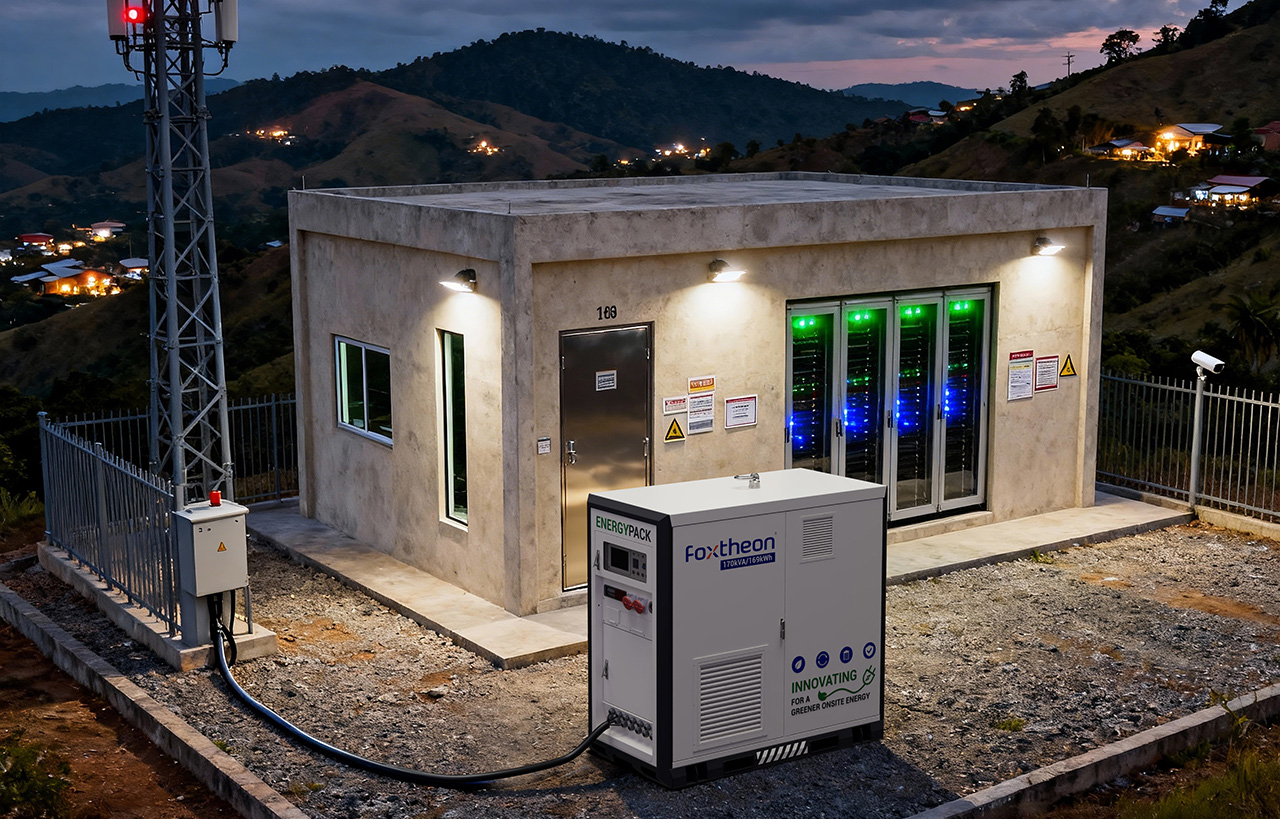
Imagine a summer wedding, a corporate gala under a grand tent, or a critical field hospital. The success of these events hinges on a comfortable, controlled environment. But the constant, loud roar of diesel generators powering the air conditioning units? It breaks the ambiance, pollutes the air, and creates a logistical headache. There is a smarter, cleaner way forward. Using a BESS for event tent air conditioning is transforming how we power temporary climate control. This approach leverages Battery Energy Storage Systems to provide silent, responsive, and sustainable power.
This method moves beyond simply finding a plug. It’s about integrating intelligent energy management into the heart of event planning. Companies like Foxtheon are at the forefront, creating mobile power solutions that prioritize reliability without the noise and fumes.
The Challenge of Traditional Tent Cooling Power
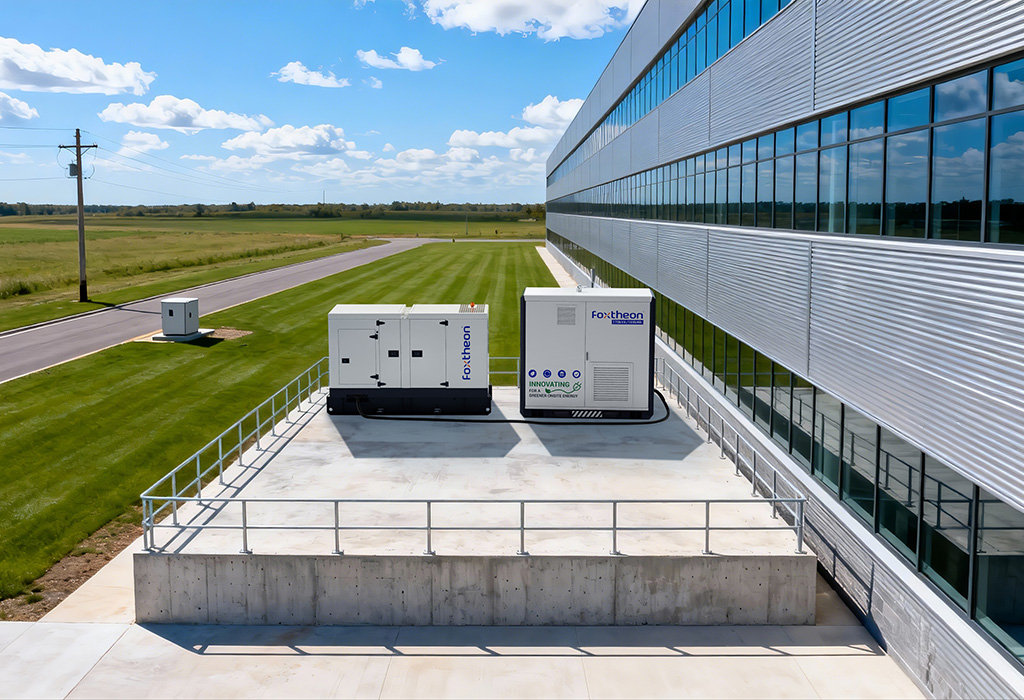
Keeping a large event tent cool requires significant electrical power. Air conditioners, especially during peak heat, have high starting currents and continuous demands. Traditionally, this has meant one thing: large diesel generators.
While effective at producing power, generators come with notable drawbacks that clash with modern event standards:
Persistent Noise: The drone of a generator can overwhelm speeches, music, and conversation, diminishing the guest experience.
Local Emissions: They produce exhaust fumes, a concern for outdoor air quality, guest health, and sustainability goals.
Fuel Logistics: They require constant refueling, security for fuel storage, and create spill risks.
Operational Cost: Beyond diesel fuel, costs include maintenance, repairs, and the manpower to monitor and refuel them.
Inflexible Load Response: Generators can struggle with the variable load of cycling AC units, leading to potential voltage dips or inefficiency.
What is a BESS and How Does it Work for Tent AC?
A Battery Energy Storage System (BESS) is a integrated unit that stores electrical energy for later use. For tent applications, it’s not just a giant battery. It’s a sophisticated mobile power station designed to meet demanding loads.
When applied as a BESS for event tent air conditioning, the system manages the entire power flow seamlessly. It can be charged from the grid, solar panels, or even a smaller, optimally run generator before the event.
The core components work together:
Battery Bank: The energy reservoir, typically using lithium-ion phosphate (LFP) chemistry for safety, longevity, and high power output.
Power Conversion System (PCS): This includes inverters and rectifiers. It converts stored DC battery power to the AC electricity needed by the air conditioners and manages the charging process.
Energy Management System (EMS): The intelligent brain. It controls when to draw from the battery, when to accept charge, and protects the system. It ensures the AC units get stable, clean power.
The system handles the heavy starting surge of compressors smoothly and provides silent, emission-free power for the duration of the cooling cycle.
Key Benefits of Deploying a BESS for Cooling
Switching to a battery-based system offers advantages that directly address the limitations of generators.
Noise Reduction and Enhanced Ambiance
This is the most immediate benefit. A BESS operates silently. Removing generator noise allows events to maintain their intended atmosphere—whether it’s the quiet solemnity of a ceremony, the clarity of a keynote address, or the subtle background of a string quartet.
Zero Local Emissions and Sustainability
A BESS produces no exhaust. This improves local air quality and is crucial for events with sustainability pledges, sensitive environments, or food service areas. When charged from renewable sources, the carbon footprint shrinks dramatically.
Operational Reliability and Power Quality
Modern BESS units provide grid-quality power. They offer stable voltage and frequency, which is gentler on sensitive AC equipment and can extend its lifespan. There’s no risk of running out of fuel mid-event if properly sized.
Potential for Cost Savings and Efficiency
While the upfront investment differs, operational costs can be lower. You eliminate fuel costs and reduce generator maintenance. The system can be charged during off-peak, cheaper grid hours. It also allows for the use of a much smaller, efficient generator running at its optimal load to recharge the battery if needed, rather than a large one running inefficiently at partial load.
Scalability and Flexibility
BESS units are modular. Multiple units can be combined to power very large tent villages or medical facilities. They are also multi-purpose; the same system can power lighting, AV equipment, and catering after the AC is turned off.
Practical Applications and Use Cases
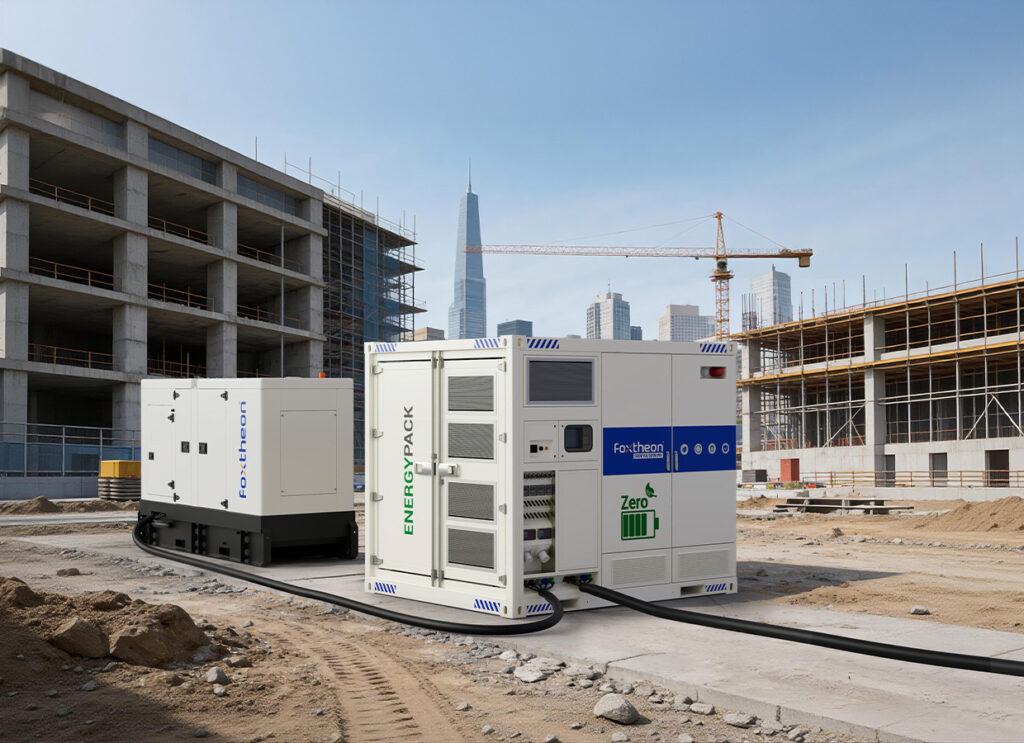
The versatility of a BESS for event tent air conditioning makes it suitable for a wide range of scenarios.
High-End Weddings and Social Galas
Atmosphere is everything. Silent power ensures that vows are heard and the celebration remains focused on the guests, not the background machinery.
Corporate Events and Product Launches
Brands want to project an image of innovation and responsibility. Using clean, quiet power aligns with corporate sustainability goals and improves the professional environment for presentations and networking.
Film Sets and Outdoor Production Camps
Location shooting often requires climate-controlled makeup, costume, and equipment tents. A BESS eliminates the sound pollution that could interfere with audio recording and reduces the fire hazard associated with fuel.
Emergency Response and Field Medical Facilities
In disaster relief, power reliability is critical. A BESS can provide uninterrupted cooling for medical tents, vaccine storage, and command centers, independent of noisy and polluting generators in sensitive recovery zones.
Festivals and Food & Beverage Areas
VIP lounges, press areas, and premium dining tents can offer a refined, comfortable oasis away from the festival crowds, powered independently and cleanly.
Considerations for Implementing a BESS Solution
Successfully deploying this technology requires careful planning. It’s not a simple one-for-one generator swap.
Accurate Load Sizing and Runtime Analysis
You must calculate the total power draw (in kW) of all AC units and other critical loads, and determine how many hours of backup are needed. This defines the required battery capacity (kWh).
Charging Strategy and Source Availability
Plan how the BESS will be recharged. Options include:
Grid connection at the venue or prep site.
Solar arrays if the event spans multiple days.
A companion generator sized for average, not peak, load.
Logistics, Placement, and Safety
BESS units are heavy. Ensure the site has proper access for delivery and placement on stable, level ground. They require shelter from extreme direct weather. Professional installation and operation are mandatory.
Choosing the Right Technology Partner
Select a provider with expertise in mobile, high-power applications. Look for robust systems with integrated thermal management, safety certifications, and remote monitoring capabilities. Solutions from providers like Foxtheon are engineered for the rigors of event deployment, focusing on safety and user-friendly operation.
Conclusion: The Future of Off-Grid Comfort is Intelligent and Quiet
The demand for sophisticated, sustainable temporary infrastructure is growing. Using a BESS for event tent air conditioning meets this demand directly. It solves practical problems of noise and emissions while introducing new levels of operational control and reliability.
This shift represents more than a technical upgrade. It reflects a broader move towards intelligent, responsive energy use in all aspects of event and project planning. By storing and managing power intelligently, we can create better experiences and more resilient operations.
As battery technology continues to advance, making systems more powerful and cost-effective, their role will only expand. Embracing this solution today positions event planners, contractors, and organizations at the leading edge of their fields. It demonstrates a commitment to quality, guest experience, and environmental responsibility, powered by smart energy systems from innovators like Foxtheon.
Frequently Asked Questions (FAQs)
Q1: Can a BESS alone power air conditioning for an entire multi-day event?
A1: It depends on the size of the BESS and the energy consumption of the AC units. For long events, a common strategy is to use a BESS as the primary silent power source during event hours, paired with a small generator or solar panels that recharge the battery during off-hours. This creates a hybrid system that minimizes generator runtime.
Q2: Is a BESS solution more expensive than renting a traditional diesel generator?
A2: The upfront rental or deployment cost for a BESS can be higher. However, the total cost picture must include saved fuel expenses, reduced generator maintenance, potential labor savings, and the intangible value of noise reduction and emissions elimination. For many events, the benefits justify the investment.
Q3: How do I know what size BESS I need for my tent’s AC?
A3: You need a professional assessment. Key factors include the total kW rating of the AC units, the number of compressor start/stop cycles expected, the outdoor temperature, and the required hours of operation. A qualified energy solutions provider can perform this load and runtime analysis.
Q4: Are these battery systems safe to use around people in an event setting?
A4: Reputable systems designed for public use, like those from Foxtheon, prioritize safety. They use stable lithium iron phosphate (LFP) battery chemistry, include comprehensive battery management and thermal control systems, and are housed in robust, protective enclosures with proper ventilation and safety certifications.
Q5: Can a BESS be integrated with solar panels for a fully green solution?
A5: Absolutely. This is a powerful combination. Solar panels can charge the BESS during the day, potentially covering all or most of the cooling energy needs for a daytime event. For evening events, the solar-charged battery provides clean power. This creates a truly zero-emission, renewable energy system for tent climate control.