
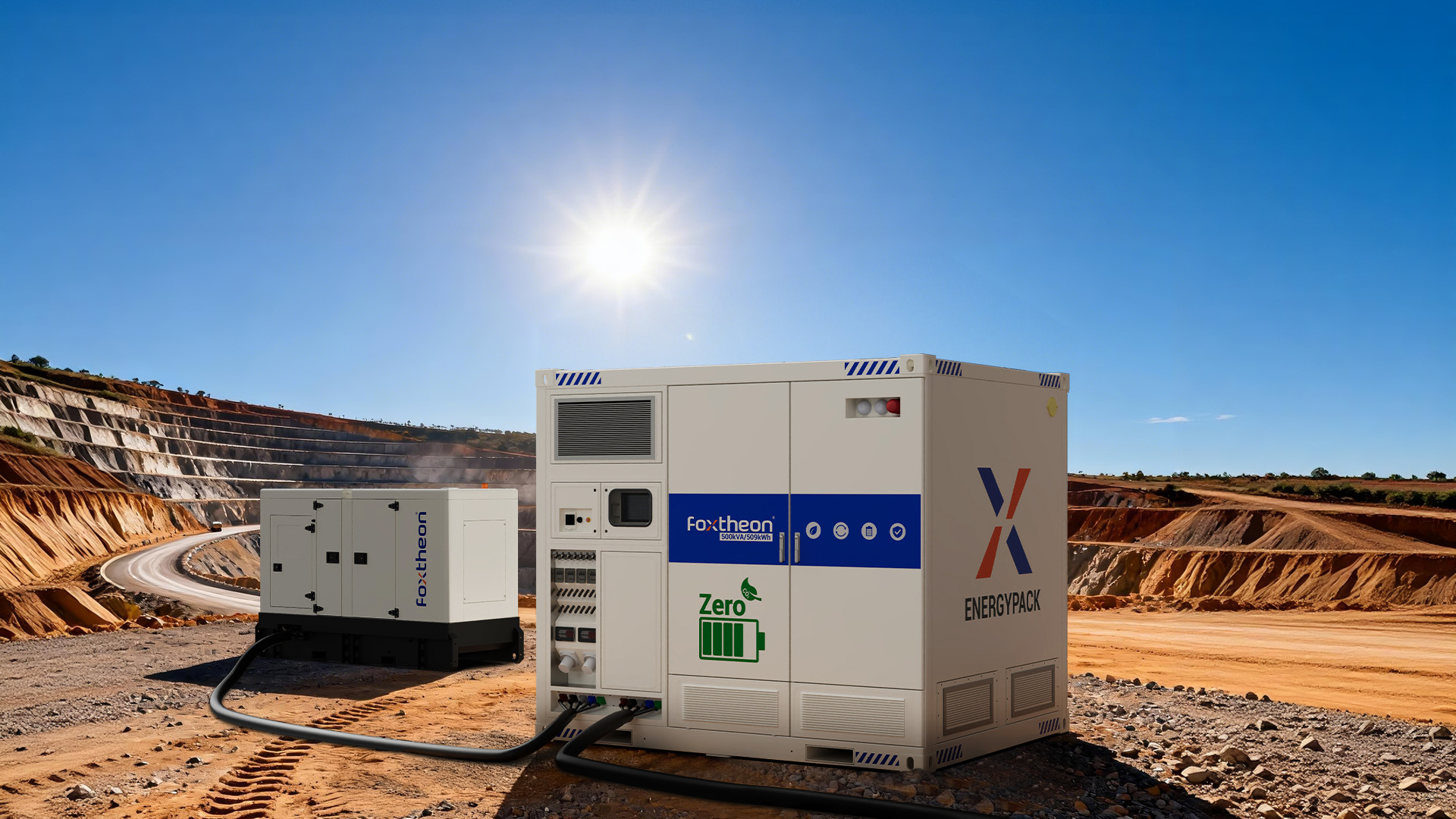
The construction industry is evolving, with a growing focus on sustainability and efficiency. One key innovation is powering construction cranes BESS, or Battery Energy Storage Systems. This approach reduces reliance on traditional diesel generators, cutting emissions and operational costs. Companies like Foxtheon are leading the way in integrating BESS into construction sites, offering reliable and intelligent energy solutions. This article explores how BESS is reshaping crane operations, providing a cleaner and more flexible power source.
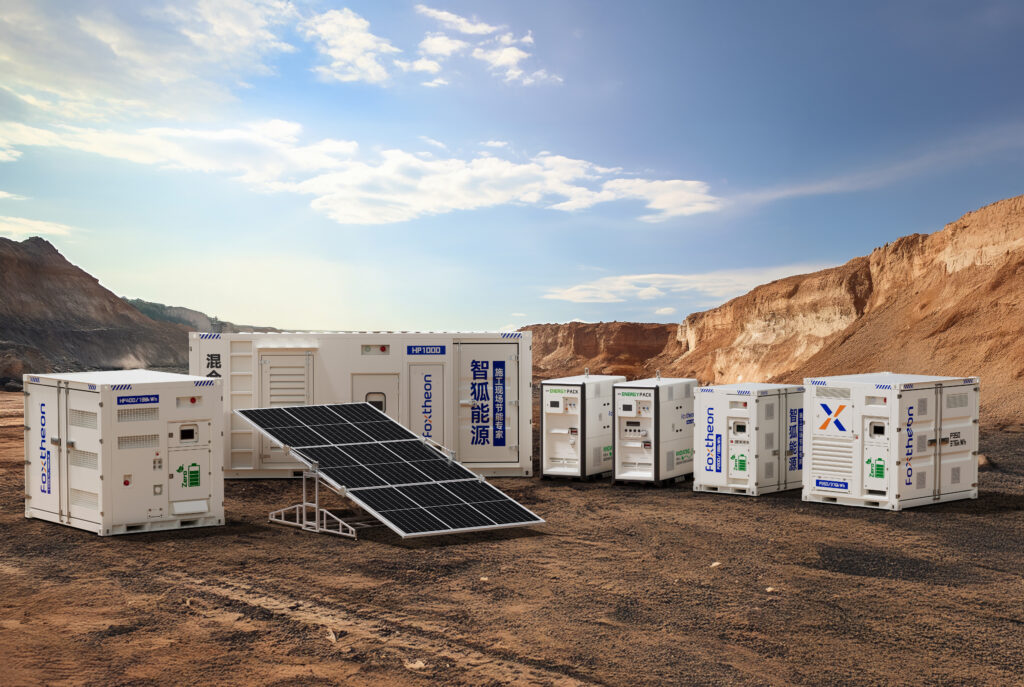
The Role of BESS in Modern Construction
Battery Energy Storage Systems are becoming essential on construction sites. They store energy from renewable sources or the grid, releasing it when needed. This capability is crucial for powering construction cranes BESS, ensuring consistent performance without interruptions. As construction projects expand, the demand for stable and eco-friendly power rises. Foxtheon’s BESS solutions address these needs, supporting global smart energy initiatives.
What is BESS and How It Works
BESS consists of batteries that store electrical energy for later use. On construction sites, it connects to cranes and other equipment. The system charges during off-peak hours or from solar panels, then supplies power during high-demand periods. This process enhances energy management and reduces grid strain. Key components include:
- Lithium-ion batteries for high density and longevity.
- Inverters to convert stored DC power to AC for cranes.
- Control systems that monitor usage and optimize output.
By adopting BESS, sites achieve greater energy independence. Foxtheon‘s technology integrates seamlessly, making powering construction cranes BESS a practical choice.
Benefits of Using BESS for Cranes
Switching to BESS for cranes offers multiple advantages. It lowers carbon footprints and operational expenses. Sites experience fewer noise and air pollution issues. The flexibility of BESS allows for deployment in remote areas without grid access. Specific benefits include:
- Cost savings from reduced fuel consumption and maintenance.
- Enhanced reliability with backup power during outages.
- Scalability to match project size and energy needs.
These factors make powering construction cranes BESS a smart investment. Foxtheon’s solutions highlight these perks, driving adoption in the industry.
Technical Insights into BESS Integration
Integrating BESS with construction cranes requires careful planning. The system must handle high power loads and variable operations. Engineers design BESS to meet crane specifications, ensuring safety and efficiency. Powering construction cranes BESS involves matching energy storage capacity with crane usage patterns. Foxtheon‘s expertise aids in this process, delivering tailored setups for diverse sites.
How BESS Supports Crane Operations
Construction cranes demand significant energy, especially during lifting and moving tasks. BESS provides instant power, smoothing out demand spikes. It reduces wear on generators and extends equipment life. The system can be charged overnight, using cheaper electricity. This approach optimizes energy use and cuts costs. Key features include:
- Peak shaving to limit grid draw during high usage.
- Load balancing to distribute power evenly across cranes.
- Remote monitoring for real-time adjustments and diagnostics.
With Foxtheon’s advanced controls, powering construction cranes BESS becomes more efficient and responsive.
Overcoming Integration Challenges
Despite its benefits, BESS integration faces hurdles. These include high upfront costs and technical complexities. However, innovations are reducing barriers. Modular BESS designs allow for gradual expansion. Training crews on new systems ensures smooth operation. Foxtheon addresses these challenges with user-friendly interfaces and support services. Their solutions emphasize:
- Custom configurations for different crane models.
- Compliance with safety standards and regulations.
- Ongoing maintenance to ensure long-term performance.
By tackling these issues, powering construction cranes BESS gains wider acceptance in construction.
Case Studies and Real-World Applications
Several projects demonstrate the success of BESS for cranes. In urban developments, BESS reduces noise and emissions, meeting strict environmental codes. Remote sites use BESS to power cranes without diesel shipments, saving time and money. These examples show the practicality of powering construction cranes BESS. Foxtheon has contributed to such projects, showcasing their commitment to smart energy.
Success Stories from Construction Sites
A high-rise project in Europe integrated BESS to power its tower cranes. The system cut diesel use by 60%, lowering costs and pollution. In Asia, a bridge construction site used BESS to ensure uninterrupted crane operations during grid fluctuations. These cases highlight the versatility of BESS. Key outcomes include:
- Improved site sustainability and community relations.
- Faster project completion due to reliable power.
- Positive ROI from energy savings over time.
Foxtheon’s role in these successes underscores their leadership in powering construction cranes BESS solutions.
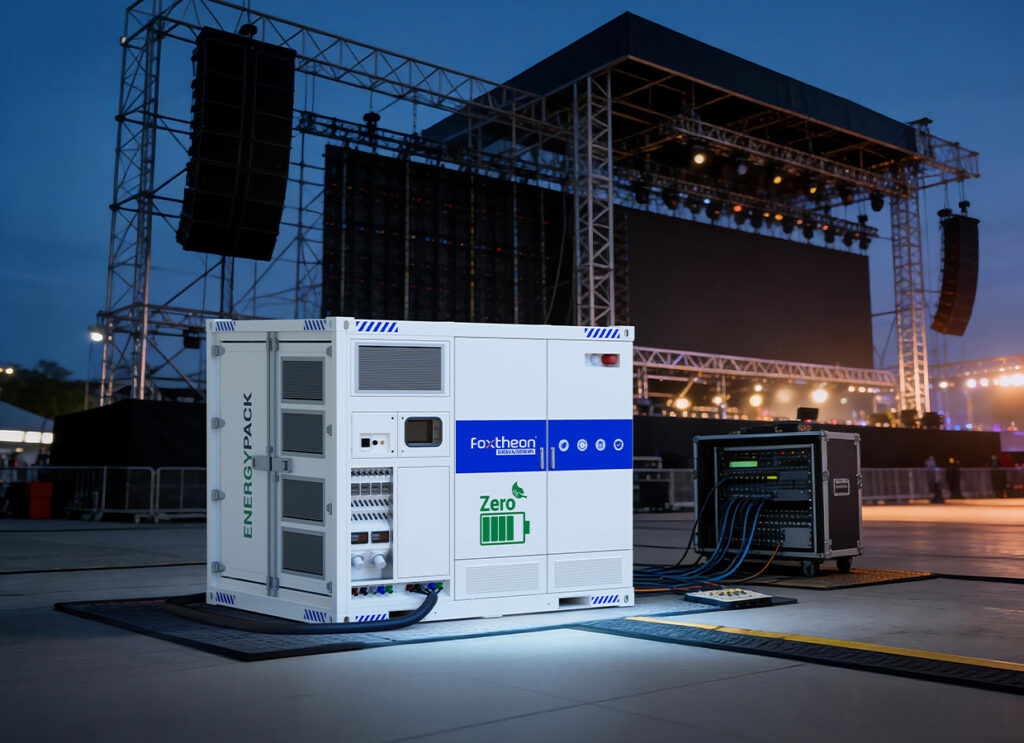
Foxtheon’s Innovations in BESS Technology
Foxtheon develops BESS tailored for construction needs. Their systems feature smart algorithms that predict energy demand, optimizing crane performance. They use durable batteries suited for harsh site conditions. Foxtheon also offers leasing options, making BESS more accessible. These innovations support the growth of powering construction cranes BESS globally. Notable aspects include:
- Integration with renewable sources like solar for greener operations.
- Cloud-based platforms for data analysis and management.
- Collaborations with crane manufacturers for seamless compatibility.
By pushing technological boundaries, Foxtheon enhances the value of BESS in construction.
The Future of Energy on Construction Sites
The trend toward electrification and sustainability will accelerate BESS adoption. As renewable energy costs fall, BESS becomes more economical for powering construction cranes. Future systems may include AI for predictive maintenance and energy trading. Powering construction cranes BESS will likely become standard, driven by regulatory pressures and cost benefits. Foxtheon continues to innovate, shaping this future with scalable and intelligent solutions.
In summary, powering construction cranes BESS represents a significant shift in construction energy management. It offers environmental, economic, and operational advantages. As the industry embraces smart energy, BESS will play a central role. Foxtheon’s contributions help make this transition smoother, providing reliable and advanced systems. Adopting BESS today can prepare sites for a more sustainable tomorrow.
Frequently Asked Questions (FAQ)
Q1: What is BESS, and why is it important for construction cranes?
A1: BESS stands for Battery Energy Storage System. It stores electrical energy and supplies it to equipment like cranes when needed. For construction cranes, BESS is important because it reduces reliance on diesel generators, cuts emissions, lowers fuel costs, and provides reliable backup power. This makes sites more sustainable and efficient.
Q2: How does BESS reduce operational costs on construction sites?
A2: BESS reduces costs by minimizing diesel consumption and maintenance for generators. It allows charging during off-peak hours when electricity is cheaper. The system also decreases downtime by ensuring stable power, leading to faster project completion and savings on energy bills.
Q3: Can BESS be used in remote construction sites without grid access?
A3: Yes, BESS is ideal for remote sites. It can be paired with renewable sources like solar panels to generate and store energy independently. This eliminates the need for frequent diesel deliveries, reducing costs and environmental impact while providing consistent power for cranes.
Q4: What are the main challenges in integrating BESS with construction cranes?
A4: Key challenges include high initial investment, technical integration with existing crane systems, and ensuring safety compliance. However, modular designs, training programs, and support from companies like Foxtheon help overcome these hurdles, making integration more manageable.
Q5: How does Foxtheon support the adoption of BESS for construction cranes?
A5: Foxtheon offers customized BESS solutions with smart controls, durable batteries, and cloud-based monitoring. They provide leasing options, technical support, and integration services to ease adoption. Their innovations focus on scalability and efficiency, promoting the use of BESS for powering construction cranes globally.