
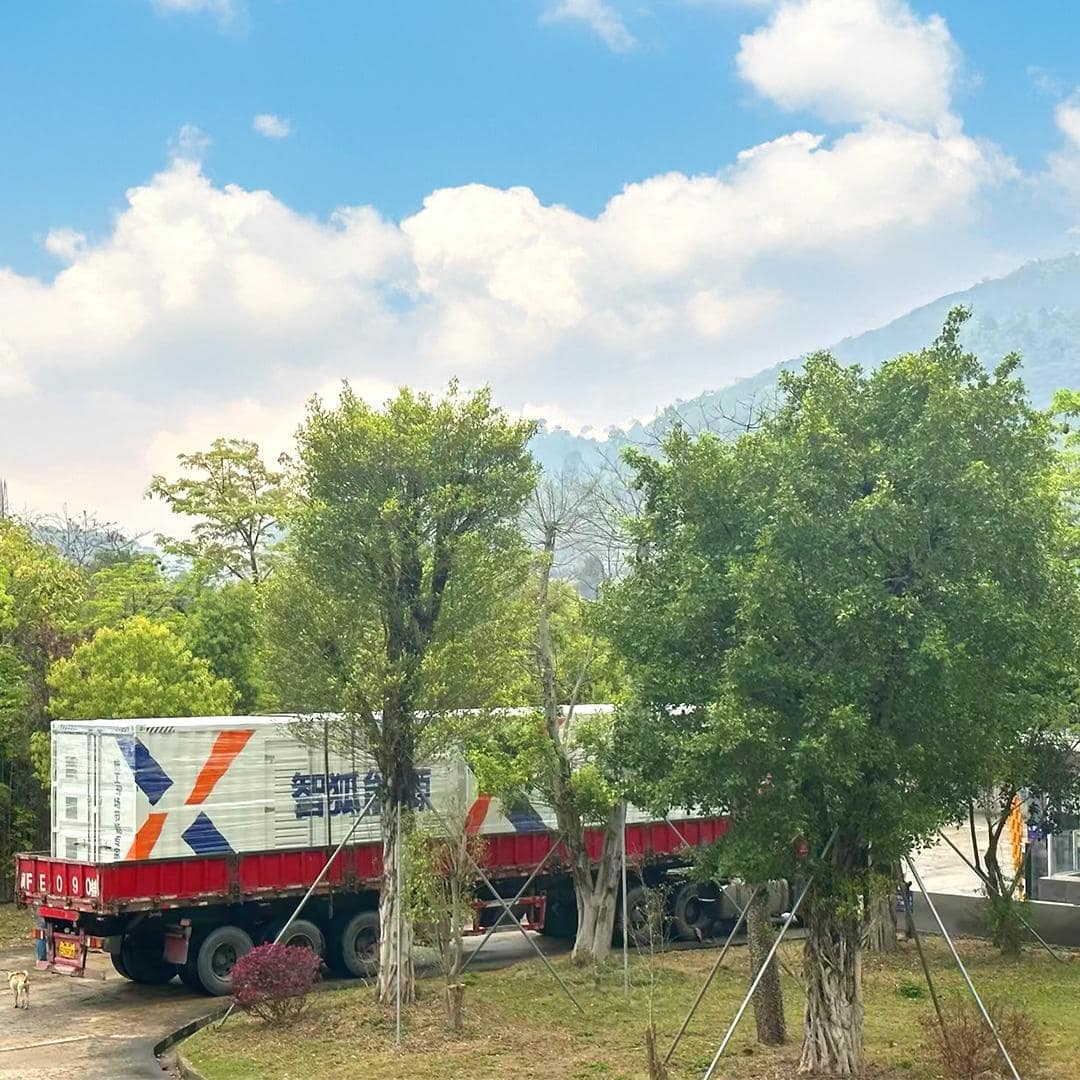
The rental industry is undergoing a massive digital shift. Telematics is no longer a luxury; it’s essential for tracking assets, optimizing utilization, and ensuring safety. Yet, a critical hurdle remains: reliable, constant power for these advanced telematics devices. Enter BESS for rental telematics integration, the game-changing solution ensuring your data stream never goes dark. This approach is redefining reliability in international smart energy solutions for mobile and stationary assets.
Companies like Foxtheon are at the forefront, designing integrated energy systems that make this seamless connectivity possible.
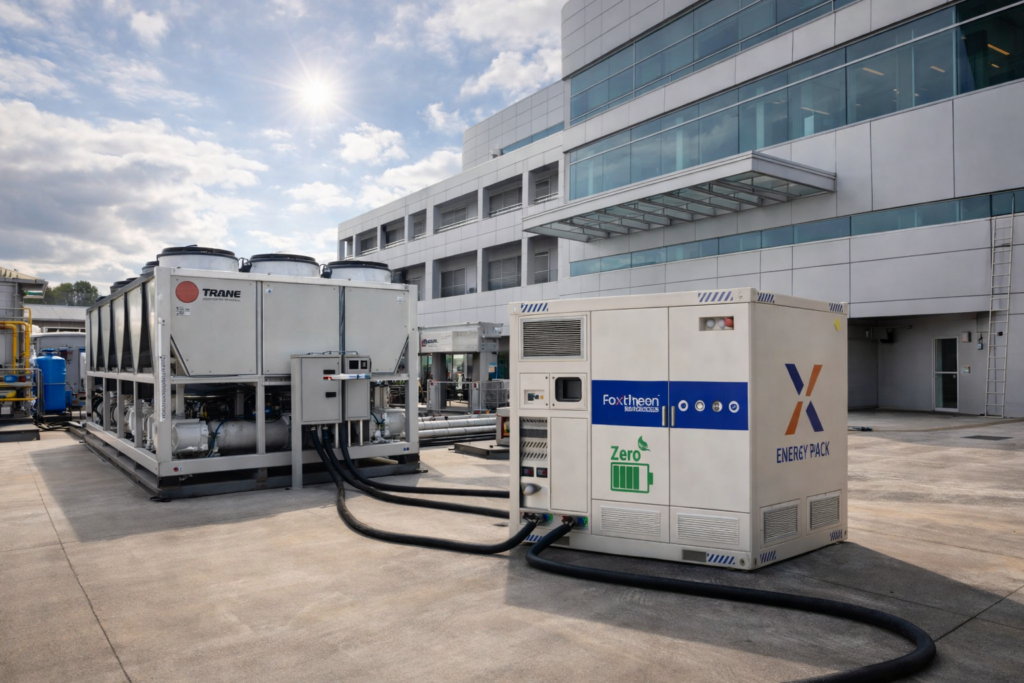
The Core Challenge: Unreliable Power in Rental Assets
Rental equipment—from construction machinery and industrial generators to refrigerated trailers—often operates in harsh, remote environments. The standard power source is the asset’s own starter battery. This creates a major problem for telematics.
Deep-cycle GPS tracking and sensor data transmission can drain a starter battery, leading to failed rentals, frustrated customers, and costly jump-starts. Furthermore, engines that idle solely to power telematics waste fuel, increase emissions, and cause undue wear.
A dedicated BESS for rental telematics integration solves this by decoupling device power from the vehicle’s primary electrical system.
How BESS Technology Integrates with Telematics
A Battery Energy Storage System (BESS) in this context is a compact, robust lithium-ion battery pack paired with an intelligent management system. It’s specifically designed to power telematics hardware and additional sensors.
Seamless Physical & Digital Connection
Physically, the BESS installs independently, connecting directly to the telematics gateway. Digitally, advanced systems communicate bidirectionally. The telematics unit can report on the BESS’s state of charge, health, and temperature. Conversely, the BESS can receive commands, like entering sleep mode during long-term storage to conserve energy.
Intelligent Power Management
The true intelligence lies in power management algorithms. The BESS prioritizes telematics operation. It can be programmed with geofenced rules or schedules. For example, it can reduce reporting frequency when an asset is in a known depot, extending its uptime from months to over a year on a single charge.
This autonomous operation is a cornerstone of modern smart energy solutions for global rental fleets.
Key Benefits: Beyond Just Keeping the Lights On
Implementing a dedicated BESS for rental telematics integration delivers a compelling return on investment across several fronts.
Eliminating Downtime and Dead Batteries
The most immediate benefit is the end of telematics-caused battery drain. Rental assets start every time, improving customer satisfaction and reducing roadside service costs. The rental company gains uninterrupted data flow, providing a complete history of asset location, usage, and health.
Unlocking Advanced Data and Capabilities
Reliable power enables more sophisticated, power-intensive telematics features. These can include:
Real-time video dashcams or cargo sensors for high-value assets.
More frequent engine diagnostics and performance data transmission.
Continuous monitoring of auxiliary systems, like reefer unit temperatures in trailers.
This richer data set allows for proactive maintenance, precise usage-based billing, and enhanced security.
Reducing Operational Costs and Carbon Footprint
By eliminating the need for engine idling to charge telematics batteries, fleets save significantly on fuel. This also reduces engine hours, lowering maintenance intervals and extending the asset’s life. The resulting drop in fuel consumption directly translates to a smaller carbon footprint, supporting corporate sustainability goals.
Foxtheon’s solutions, for instance, emphasize this dual benefit of operational resilience and environmental efficiency.
Practical Applications in the Rental Sector
The use cases for this technology are vast and varied across the rental ecosystem.
Construction & Industrial Equipment
Excavators, aerial lifts, and generators often sit unused for days or weeks. A BESS ensures their telematics units stay online, reporting location and battery health, preventing theft and streamlining fleet yard management.
Transportation & Logistics
For non-powered assets like rental trailers, containers, or chassis, a BESS is the sole power source for GPS and cargo sensors. It guarantees visibility throughout the entire logistics chain, even when disconnected from a tractor.
Temporary Power & Event Rental
Generators, light towers, and event equipment rely on knowing fuel levels and runtimes. A robust BESS powers these remote sensors continuously, enabling just-in-time refueling service and optimal asset deployment.
Implementing Your BESS Solution
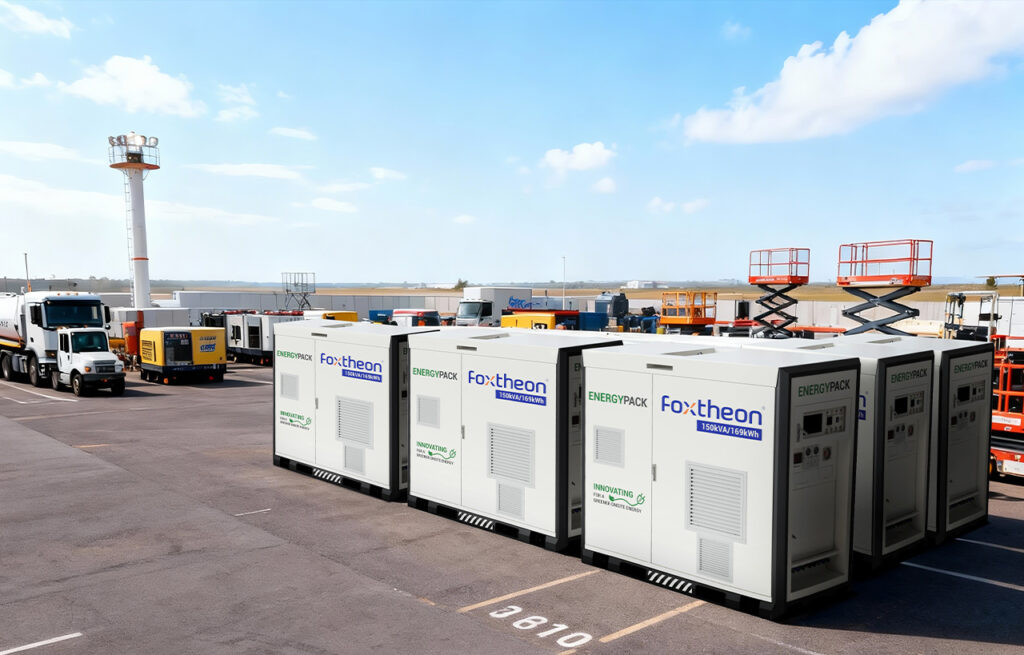
Choosing the right BESS for rental telematics integration requires careful planning. Key considerations are durability, temperature tolerance, and smart software features. The system must withstand vibration, dust, moisture, and extreme temperatures common in rental operations.
Integration with your existing Telematics Platform (TMP) is crucial. The ideal BESS should communicate seamlessly, appearing as another data point within your fleet management dashboard, showing its status and alerts.
Scalability is also vital. The solution should be easy to deploy across hundreds or thousands of diverse assets with minimal customization.
The Future: Smarter, More Integrated Energy Hubs
The evolution of BESS for rental telematics integration points toward multi-functional energy hubs. Future systems may not only power telematics but also support:
Automated check-in/out processes via RFID or Bluetooth.
On-demand access control for locked compartments.
Backup power for critical micro-systems within the rented asset.
This transforms the telematics battery from a simple component into the intelligent power core of the connected rental asset, a vision that innovators like Foxtheon are actively engineering today.
In the competitive rental market, operational efficiency and asset intelligence are key differentiators. A dedicated BESS for rental telematics integration is no longer an accessory but a fundamental infrastructure upgrade. It guarantees data integrity, protects asset health, unlocks advanced services, and drives significant cost savings.
By investing in this smart energy solution, rental companies future-proof their fleets, turning telematics from a data source into a truly reliable, always-on strategic advantage. The integration of resilient power with digital insight is the new standard for modern rental operations.
Frequently Asked Questions (FAQs)
Q1: How long can a typical BESS power a telematics unit before needing a recharge?
A1: This varies by device power draw and BESS capacity. A well-designed system with intelligent sleep modes can typically power a standard GPS tracker for 12-24 months on a single full charge. For units with additional sensors or cameras, the uptime is shorter but still dramatically longer than a vehicle’s starter battery would last.
Q2: Does the BESS recharge itself, or does it require manual intervention?
A2: It can do both. Most systems are designed to recharge automatically when the rental asset’s engine is running, drawing a small, managed amount of power from the alternator. For assets that are rarely used (like storage containers), the BESS can be specified with solar panel input or simply swapped/recharged during routine depot servicing due to its very long standalone life.
Q3: Can installing a BESS void the warranty on my rental equipment?
A3: A professionally installed, standalone BESS that does not tap into the asset’s critical engine control circuits should not void the warranty. It is crucial to choose a solution from a reputable provider like Foxtheon, which is designed for non-invasive integration and to work alongside OEM systems without interference.
Q4: Is the data from the BESS itself valuable, or is it just for power management?
A4: The BESS data is highly valuable. It provides insights into asset utilization. For example, a BESS that hasn’t recharged indicates an asset has been stationary for a long period. Its health data also aids in predictive maintenance, allowing the rental company to service or replace the unit proactively before it fails and causes telematics dropout.
Q5: How does a BESS contribute to a greener rental fleet operation?
A5: It contributes significantly by eliminating the need for idle engine time just to keep telematics powered. This directly reduces fuel consumption, carbon dioxide (CO2) emissions, and engine wear. It also enables better fleet optimization through data, potentially reducing the number of service trips required and improving overall asset utilization efficiency.