
Modern life runs on electricity. But what happens when the grid itself is unstable? For communities and industries connected to weak grids, power fluctuations, outages, and poor power quality are constant challenges.
The solution is arriving in a box. Containerized BESS for weak grid support is revolutionizing how we stabilize and enhance electrical infrastructure.
This article explores five key ways this innovative technology delivers strength, reliability, and a strong return on investment.
Understanding the Weak Grid Problem
A “weak grid” is characterized by low short-circuit capacity and high impedance. This often happens at the end of long transmission lines or in areas with rapid, unplanned growth.
The result is a network vulnerable to:
Voltage sags and swells.
Frequent power outages.
Inability to handle large loads or generation spikes.
Poor power quality, damaging sensitive equipment.
Traditional grid reinforcements, like building new substations or transmission lines, are incredibly time-consuming and expensive. This is where intelligent energy solutions come into play.
What is a Containerized BESS?
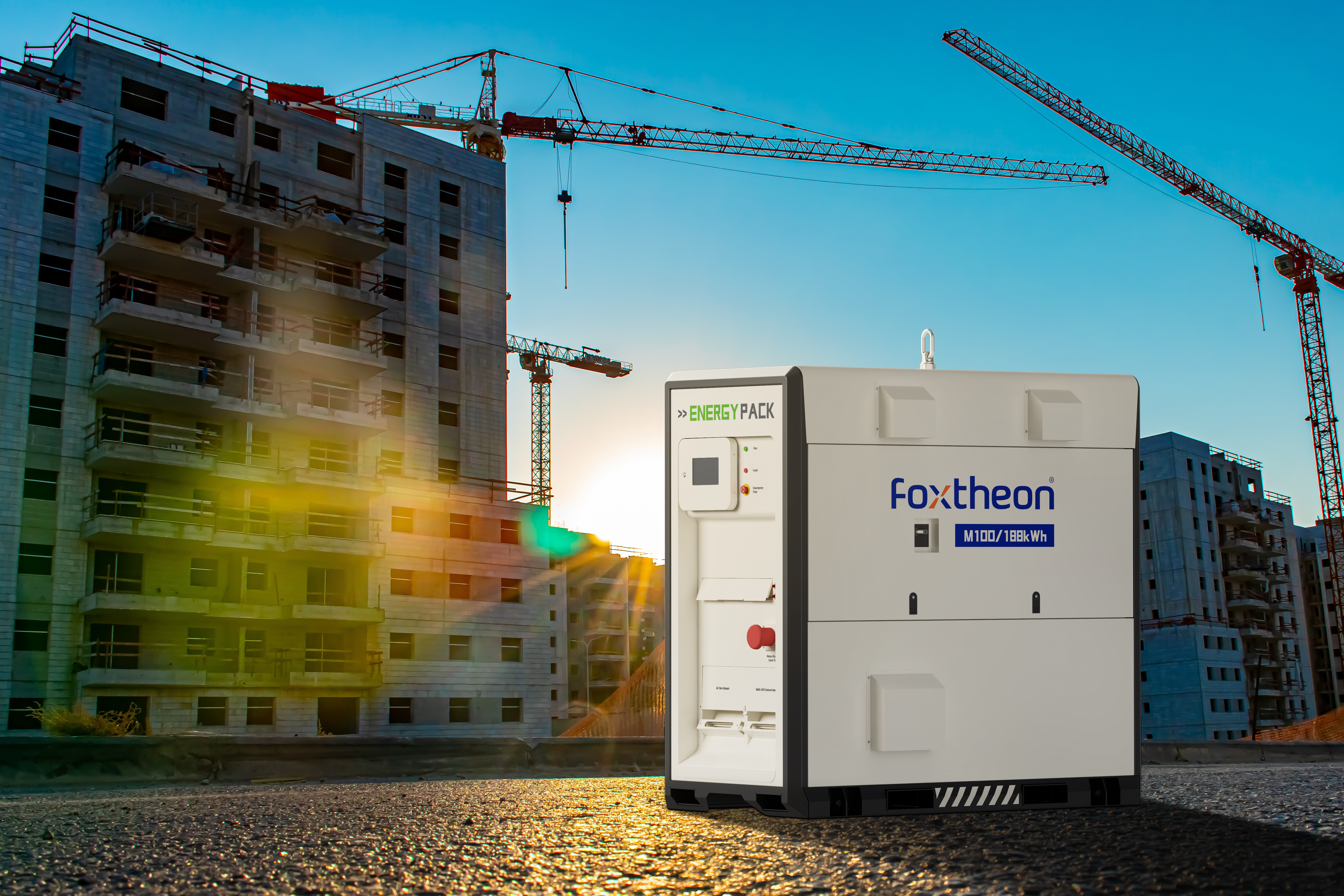
A Containerized Battery Energy Storage System (BESS) is a pre-assembled, plug-and-play power solution housed within a standard shipping container.
It includes all the necessary components:
Battery racks.
Battery management system (BMS).
Power conversion system (PCS).
Thermal management (cooling/heating).
Fire suppression and safety systems.
This “power plant in a box” is manufactured off-site, tested, and delivered ready for rapid connection. Its primary role in weak grid support is to act as a buffer, injecting or absorbing power in real-time to maintain stability.
5 Key Benefits of Containerized BESS for Weak Grid Support
1. Instant Voltage and Frequency Stabilization
Weak grids struggle with voltage and frequency fluctuations. When a large motor starts or a cloud passes over a solar farm, the grid can dip or surge.
A containerized BESS responds within milliseconds. It injects active and reactive power to correct voltage dips (sags) and absorbs excess power during swells. This rapid response keeps the frequency within a stable range, preventing cascading outages and protecting connected equipment.
2. Deferring Costly Grid Infrastructure Upgrades
Building new power lines or upgrading transformers can cost millions and take years. A containerized BESS for weak grid support can be deployed in a fraction of the time for a fraction of the cost.
By providing local support, it reduces the strain on existing infrastructure. This allows utilities to defer or even cancel expensive capital projects, offering a superior return on investment.
3. Enabling Higher Penetration of Renewable Energy
Weak grids often cannot handle the intermittent nature of solar and wind power. A sudden drop in solar generation can cause a voltage collapse.
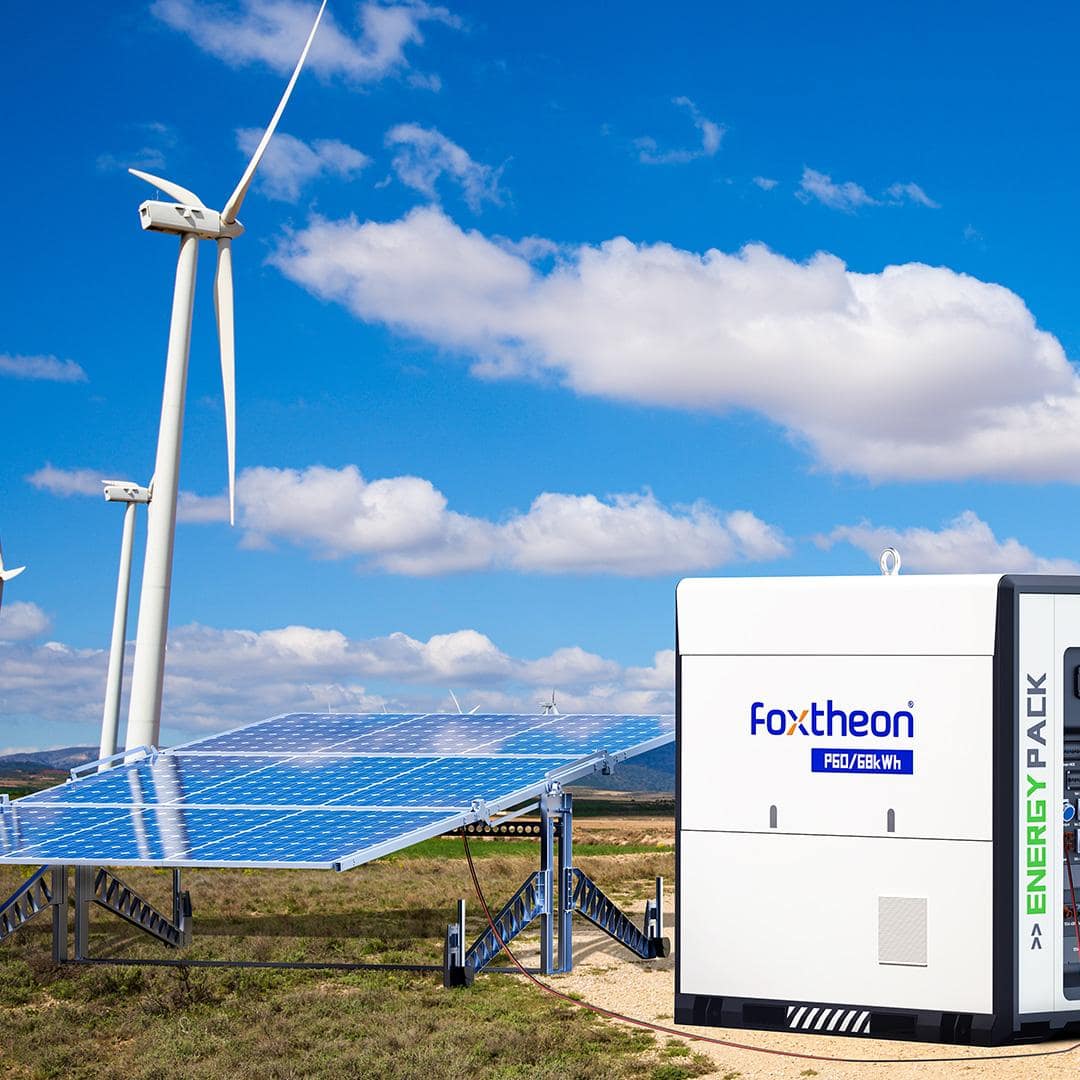
A BESS smooths the output of renewables. It stores excess energy when generation is high and releases it when generation drops. This “firming” capability makes renewable sources grid-friendly, allowing for a greener energy mix without compromising stability.
4. Providing Critical Backup Power and Black Start Capability
Power outages are a major issue for weak grids. A containerized BESS provides immediate backup power to critical loads, keeping essential services and businesses running.
Furthermore, in the event of a total blackout, some advanced systems can perform a “black start.” They can energize a section of the grid without relying on external power, drastically reducing downtime. Companies like Foxtheon integrate sophisticated controls to make this process seamless and reliable.
5. Rapid Deployment and Scalability
Time is money. The containerized format means the system is shipped, installed, and commissioned in weeks, not years. This plug-and-play model is ideal for urgent grid support needs.
Furthermore, the solution is modular. If energy demands grow, you can simply add more containers. This scalability makes it a future-proof investment for growing communities and industrial parks.
Foxtheon’s Approach to Grid Resilience
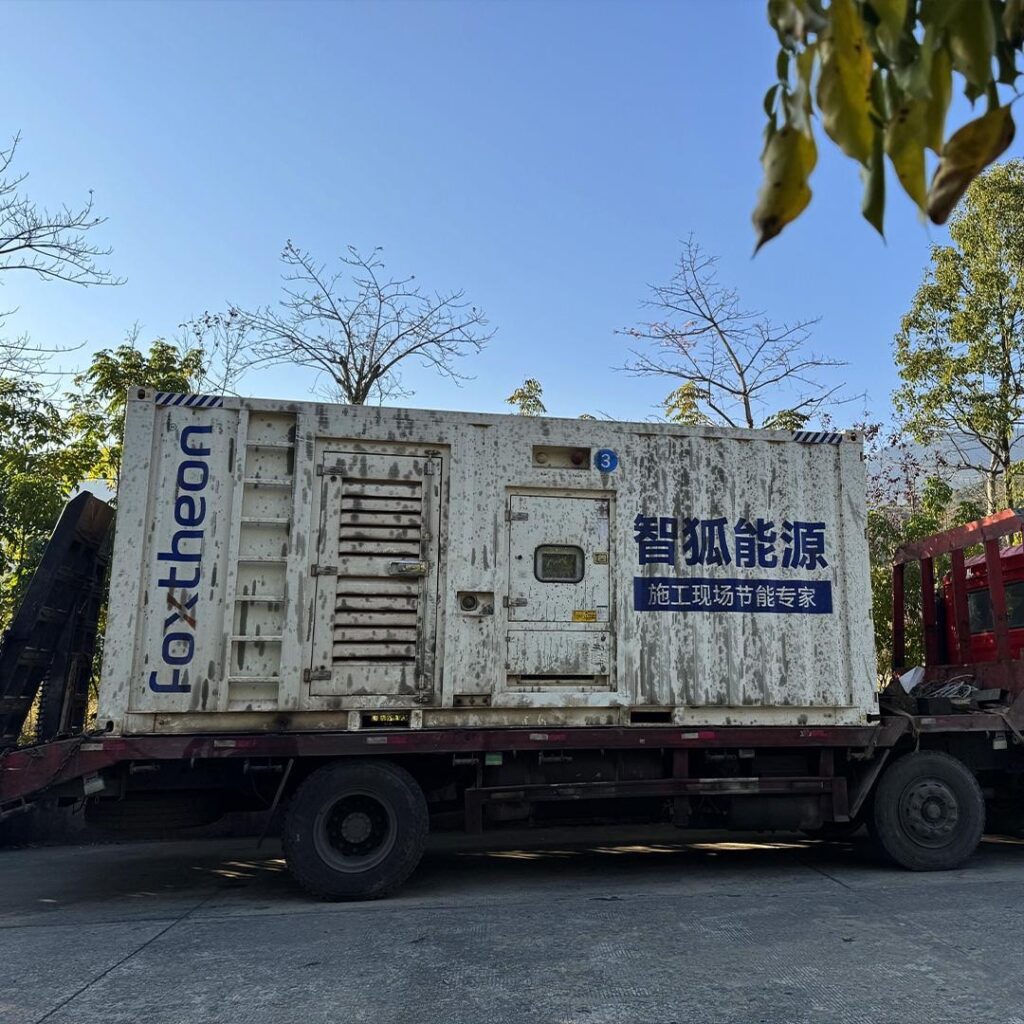
Leading the charge in smart energy solutions, Foxtheon designs advanced containerized BESS units specifically engineered for challenging grid conditions. Our systems feature robust power conversion technology and advanced grid-forming inverters.
This allows them to not just follow the grid’s signals but to actively create a stable voltage and frequency waveform. This is a game-changer for weak grid support, essentially allowing the BESS to act as an anchor, strengthening the grid around it.
Real-World Applications: Where is it Used?
This technology is already making a difference globally:
Island Grids: Providing stability for communities that rely on diesel generators and renewables.
Remote Mining Sites: Ensuring reliable power for heavy machinery in off-grid locations.
Industrial Parks: Protecting manufacturing processes from costly voltage dips.
Rural Substations: Reinforcing the end of long distribution lines to improve power quality for rural customers.
Frequently Asked Questions (FAQs)
Q1: What is the typical lifespan of a containerized BESS used for weak grid support?
A1: A well-maintained containerized BESS typically has a lifespan of 15 to 20 years. The batteries themselves may have a warranty for a certain number of cycles or years (e.g., 10 years). Regular maintenance and proper cycling are key to maximizing its operational life.
Q2: How quickly can a containerized BESS be deployed on-site?
A2: Deployment is remarkably fast. Once on site, a single containerized BESS can often be connected and commissioned within a few weeks. This is a significant advantage over traditional grid infrastructure projects, which can take multiple years.
Q3: Can a BESS completely replace the need for grid reinforcement?
A3: In many cases, yes. For weak grid support, a BESS can often provide the necessary stability and power quality improvements, allowing utilities to defer or cancel planned upgrades. It is a more flexible and cost-effective solution for a wide range of stability issues.
Q4: What kind of maintenance does a containerized BESS require?
A4: Maintenance is relatively minimal and often can be performed remotely. It includes monitoring system performance, checking thermal management systems, and periodic on-site inspections. The containerized design protects the components from the environment, reducing wear and tear.
Q5: How does a containerized BESS provide a return on investment (ROI)?
A5: ROI comes from multiple streams. It defers costly grid upgrades, reduces losses from power outages, enables the sale of stored energy during peak price periods (energy arbitrage), and provides ancillary services to the grid operator. For a business on a weak grid, the ROI is also in avoided downtime and protected equipment.
A Stronger, Smarter Grid is in the Box
The challenge of weak grid support is no longer a problem without a modern solution. Containerized BESS technology offers a powerful, flexible, and economically viable path to a more resilient and efficient power network.
By stabilizing voltage, enabling renewables, and providing backup power, this innovative approach is paving the way for a more reliable energy future. As pioneers like Foxtheon continue to advance the technology, the promise of a stable power supply, even in the most challenging locations, is now a tangible reality.