
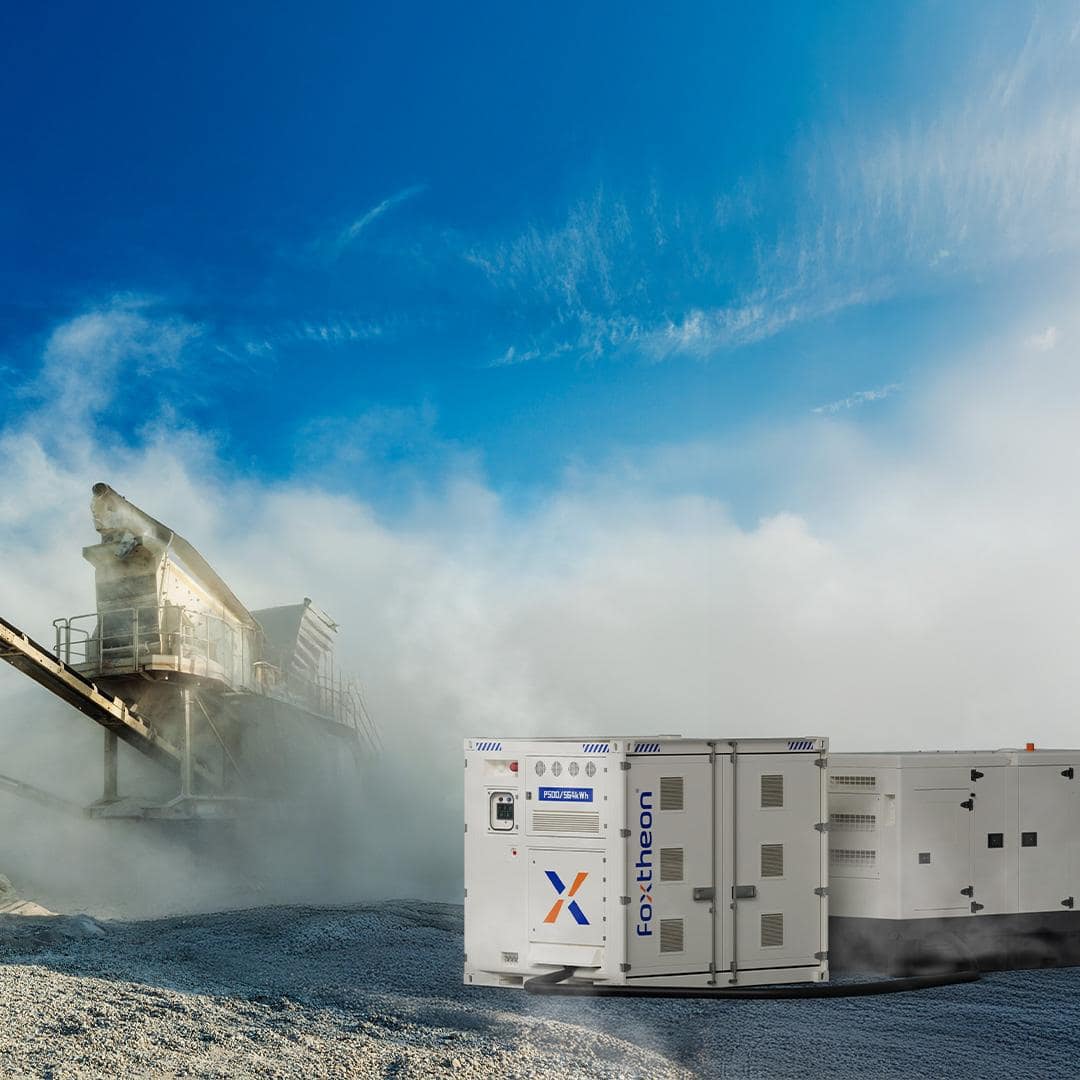
In an increasingly mobile and energy-conscious world, the need for reliable, clean, and flexible electricity has never been greater. Whether for work, adventure, or emergency preparedness, transportable power solutions are revolutionizing how we access energy anywhere, anytime. This shift is integral to the global transition toward smarter, more resilient energy ecosystems.
This guide explores the multifaceted world of modern transportable power, its applications, technologies, and how to choose the right system for your needs. Leading innovators like Foxtheon are at the forefront, developing intelligent systems that push the boundaries of what portable energy can achieve.
What Are Transportable Power Solutions?
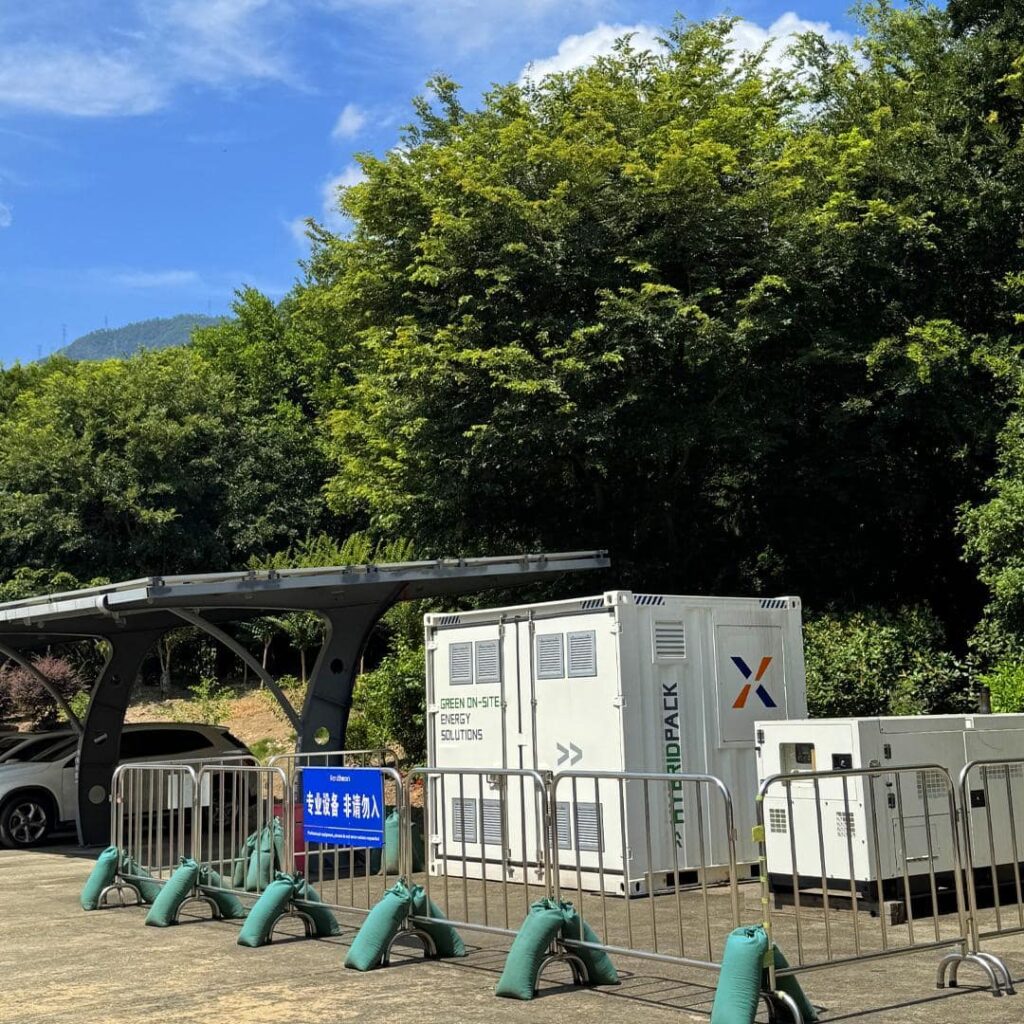
Transportable power solutions are integrated systems designed to generate, store, and deliver electrical power independently of the traditional grid. Unlike simple battery packs, these are often robust, all-in-one units combining high-capacity batteries, advanced management systems, and multiple input/output methods.
The core value of these solutions is their versatility. They provide silent, emission-free power precisely where and when it’s needed. From compact units for charging laptops to large-scale systems powering construction sites, transportable power solutions are a cornerstone of modern, decentralized energy access.
Key Applications Driving Demand
The demand for portable energy spans countless sectors. Understanding these applications helps highlight the critical role these solutions play.
Outdoor Recreation and Van Life
For campers, RV owners, and digital nomads, transportable power solutions are essential. They power lights, refrigerators, cameras, drones, and communication devices off-grid. Solar-compatible units allow for indefinite stays in nature without sacrificing comfort or connectivity.
Professional and Industrial Use
On construction sites, film sets, and at remote research stations, reliable power is non-negotiable. Modern transportable power solutions offer a cleaner, quieter alternative to noisy, polluting gas generators. They can operate tools, medical equipment, and temporary lighting efficiently and safely.
Emergency Preparedness and Home Backup
With climate-related events causing more frequent power outages, having a home backup system is crucial. Transportable power stations can keep essential appliances—like routers, medical devices, and refrigerators—running for hours or days. Their portability means they can also be quickly deployed to different locations as needed.
Event Management and Pop-Up Businesses
Food trucks, outdoor vendors, and event organizers rely on clean, quiet power. These solutions eliminate the need for long, hazardous extension cords or expensive generator rentals, enabling vibrant commerce anywhere.
Core Technologies Behind the Power
Not all portable power is created equal. The performance and suitability of a unit depend on its underlying technology.
Battery Chemistry: Lithium-ion (Li-ion) batteries are common for their good energy density. However, Lithium Iron Phosphate (LiFePO4) batteries are now the preferred choice for premium transportable power solutions. They offer significantly longer lifespans (thousands of cycles), superior thermal stability, and enhanced safety, making them ideal for heavy-duty use.
Power Inversion: The inverter converts stored DC battery power to AC power for standard appliances. A pure sine wave inverter is vital, as it provides clean, stable electricity that won’t damage sensitive electronics like laptops or medical devices.
Solar Integration: Most advanced units feature Maximum Power Point Tracking (MPPT) solar charge controllers. This technology optimizes the power harvested from solar panels, dramatically improving recharge efficiency compared to older PWM controllers.
Smart Management: Intelligent Battery Management Systems (BMS) are the brains of the operation. They protect against overcharging, deep discharge, short circuits, and temperature extremes, ensuring safety and prolonging the unit’s life. Brands like Foxtheon integrate advanced BMS and user-friendly digital interfaces for precise control and monitoring.
Choosing the Right Transportable Power Solution
Selecting the perfect unit requires careful consideration of your specific needs. Follow this practical framework.
1. Assess Your Power Needs (Watt-Hours): List the devices you need to power and their wattage. Calculate total daily watt-hour consumption (Wattage x Hours of use). Choose a unit with a capacity (in Watt-hours, Wh) that exceeds this total, with a 20-30% buffer.
2. Understand Output Requirements: Check the unit’s AC output wattage (both continuous and surge). The continuous rating must be higher than the total wattage of devices running simultaneously. Ensure it has the right ports (USB-C PD, AC outlets, 12V DC) for your gear.
3. Prioritize Recharge Flexibility: Consider how you’ll recharge. A unit that supports AC wall charging, solar input, and possibly car charging offers maximum versatility. Fast recharging capabilities, often a focus for companies like Foxtheon, can be a major convenience factor.
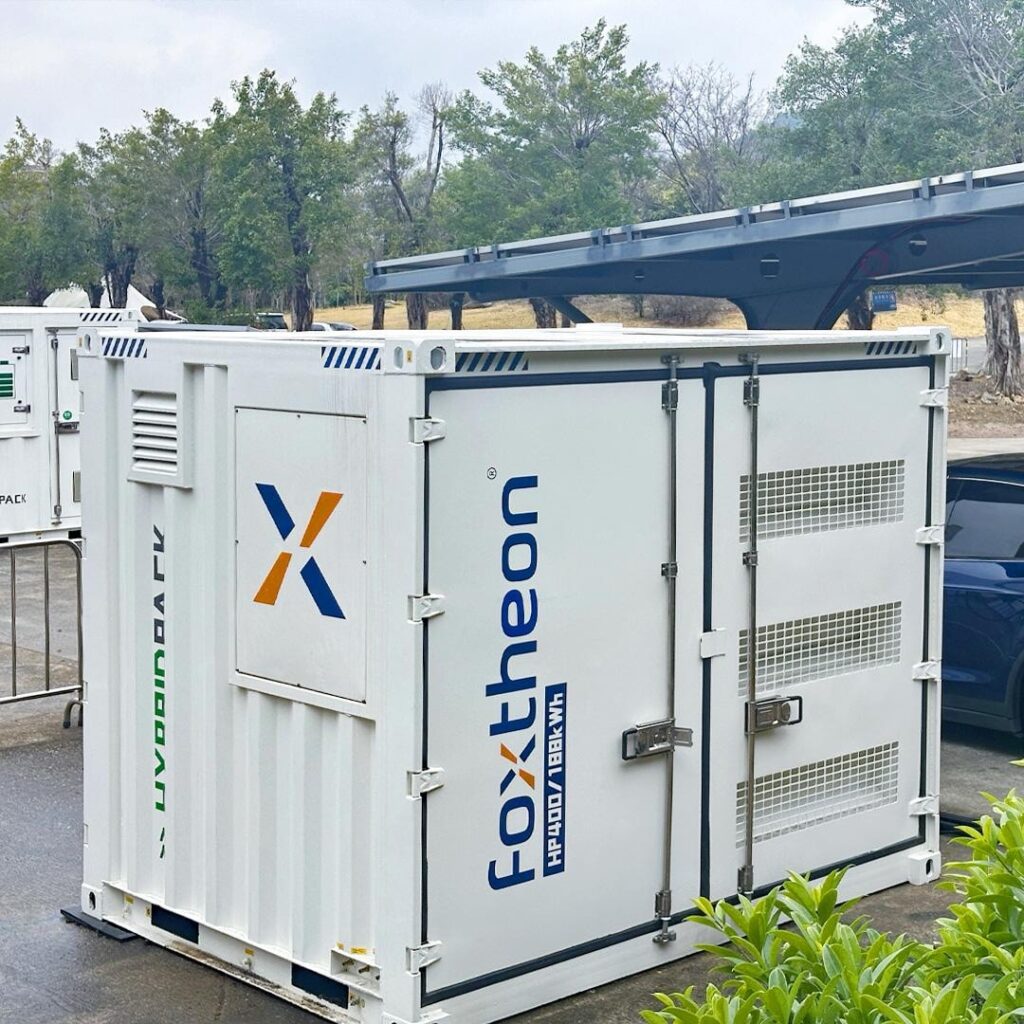
4. Evaluate Portability and Durability: Balance capacity with weight and design. Look for robust construction, comfortable handles, and an IP rating for weather resistance if used outdoors.
5. Consider the Ecosystem: Some brands offer expandable batteries or compatible solar panels. Investing in a system that can grow with your needs provides long-term value and flexibility.
The Future and Sustainability Impact
The evolution of transportable power solutions is tightly linked to broader trends in renewable energy and smart grids. As battery densities improve and solar panel efficiency rises, these units will become even more powerful and compact.
Their role in sustainability is profound. They directly displace fossil-fuel generators, reducing carbon emissions and noise pollution. By enabling greater integration of solar energy into daily life, they empower individuals and businesses to participate actively in a cleaner energy future. Industry pioneers are continuously refining this balance of power, portability, and intelligence.
FAQs on Transportable Power Solutions
Q1: What’s the main difference between a power bank and a transportable power station?
A1: A power bank is designed for small electronics like phones and tablets, with limited capacity and output (usually 5-20V USB). A transportable power station is a much larger system with a high-capacity battery (500Wh to over 3000Wh), a pure sine wave inverter for standard AC appliances, and multiple recharge methods, including solar.
Q2: How long can a transportable power station run my appliance?
A2: Runtime depends on the station’s capacity (Wh) and the appliance’s wattage. Use this formula: Runtime (hours) = Station Capacity (Wh) / Appliance Wattage (W). For example, a 1000Wh station can run a 50W laptop for about 20 hours (1000Wh / 50W = 20h), excluding efficiency losses.
Q3: Are these units safe to use indoors?
A3: Yes, absolutely. Unlike fuel generators which produce deadly carbon monoxide fumes, battery-based transportable power solutions are emission-free and safe for indoor use. They operate silently and generate minimal heat when properly ventilated.
Q4: Can I use any solar panel to recharge my power station?
A4: You can use most solar panels, but compatibility and efficiency matter. The panel’s voltage must be within the station’s specified solar input range. Using an official or recommended panel, like those optimized for Foxtheon systems, ensures you benefit from integrated technologies like MPPT for the fastest, safest recharge.
Q5: What does a “LiFePO4 battery” mean for me as a user?
A5: LiFePO4 (Lithium Iron Phosphate) technology offers you three major advantages: Safety (chemically more stable and less prone to overheating), Longevity (can last 6-10 years and withstand 3000+ charge cycles versus ~500 for standard Li-ion), and Performance (maintains consistent power output even as the battery drains). It’s a premium feature worth investing in for long-term use.