
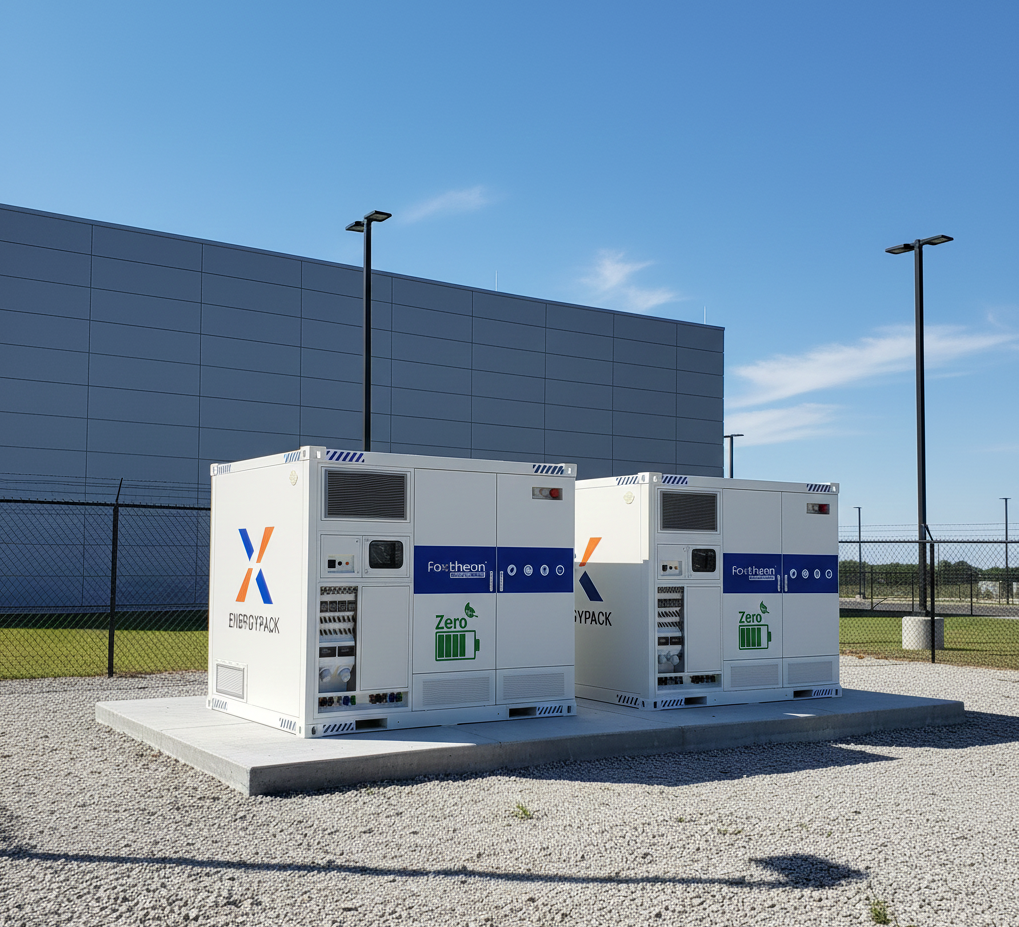
Managing a portfolio of energy storage assets is not a “set it and forget it” endeavor. As the global transition to renewable energy accelerates, the reliability of Battery Energy Storage Systems (BESS) becomes the backbone of grid stability. For asset managers, the primary goal is clear: maximize uptime while minimizing operational expenditure.
This is where a robust strategy for BESS fleet maintenance comes into play. Without a structured plan, minor technical glitches can cascade into critical failures, leading to significant revenue loss and safety risks.
Industry leaders, including manufacturers like Foxtheon, advocate for a shift from reactive repairs to preventative care. By understanding the nuances of maintaining these complex systems, operators can extend asset life and ensure consistent energy delivery.
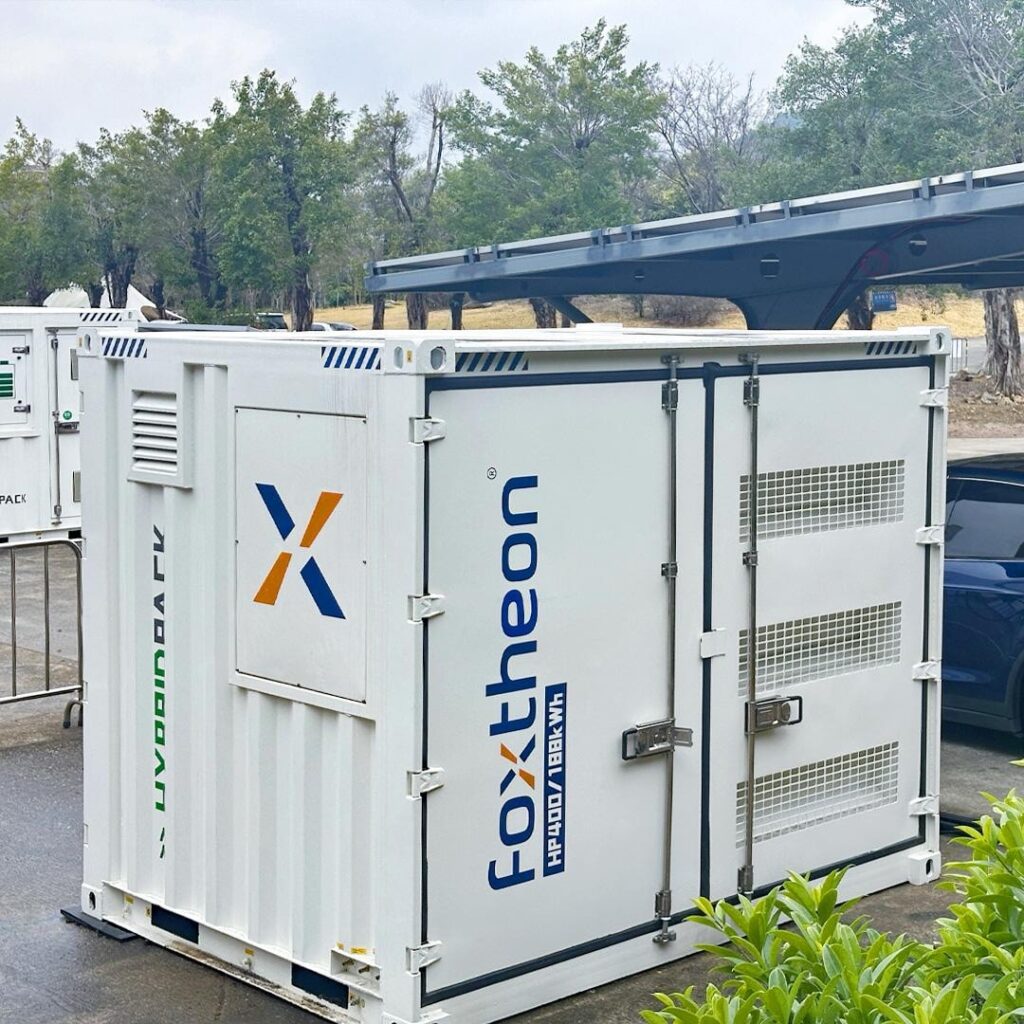
The Financial Impact of Maintenance on ROI
The business case for maintaining a storage fleet goes beyond simple mechanics. It is fundamentally a financial decision. A BESS project is a long-term capital investment, often modeled over 15 to 20 years.
Neglecting maintenance voids warranties. Most battery manufacturers have strict stipulations regarding environmental conditions and service intervals. If a system fails because filters weren’t changed or firmware wasn’t updated, the warranty claim may be denied.
Furthermore, availability guarantees are standard in power purchase agreements (PPAs). If your BESS fleet maintenance schedule is inefficient, and the system is offline during peak pricing hours, the penalties can be severe. Proper upkeep preserves the “Round Trip Efficiency” (RTE) of the battery, ensuring that the energy you put in is available to sell when the market demands it.
Core Components of a Maintenance Strategy
A comprehensive maintenance plan breaks down the BESS into its critical subsystems. Each requires a different approach and frequency of attention.
Thermal Management Systems
Heat is the enemy of battery longevity. The thermal management system (TMS), whether liquid-cooled or air-cooled, is arguably the most critical auxiliary component.
Technicians must regularly inspect coolant levels and check for leaks in liquid systems. For air-cooled units, HVAC filters must be cleaned or replaced to prevent dust buildup. Clogged filters restrict airflow, causing cells to overheat and degrade faster.
Inverter and PCS Health
The Power Conversion System (PCS) allows the DC energy in the batteries to flow as AC power to the grid. Inverter fans are high-failure items due to their constant operation.
Routine checks should focus on cleaning heat sinks and verifying that torque settings on electrical connections haven’t loosened due to vibration. Thermal imaging cameras are often used here to spot “hot spots” on connections before they result in an arc flash or equipment failure.
Battery Management System (BMS) Calibration
The BMS is the brain of the storage unit. Over time, sensors can drift, leading to inaccurate State of Charge (SoC) or State of Health (SoH) readings.
Maintenance involves verifying these sensor inputs against external meters. Keeping the BMS firmware up to date is also vital, as manufacturers frequently release patches that optimize charging algorithms and safety protocols.
From Reactive to Predictive Maintenance
Historically, maintenance was reactive: fix it when it breaks. In the energy sector, this is no longer acceptable. The industry is moving toward predictive maintenance powered by data.
Modern BESS fleets generate terabytes of data. By analyzing voltage spreads, temperature deltas, and internal resistance trends, operators can predict cell failures weeks before they happen.
Companies providing integrated solutions, such as Foxtheon, emphasize the importance of data transparency. When hardware is designed with accessible data points, asset managers can utilize analytics platforms to schedule BESS fleet maintenance only when necessary, rather than on a rigid, inefficient calendar. This condition-based approach saves money on truck rolls and spare parts.
Managing Geographically Dispersed Fleets
One of the logistical hurdles in this industry is location. Storage sites are often remote, unmanned, and spread across vast distances.
Logistics and Spare Parts
A central warehouse strategy rarely works for distributed fleets. Managers need a decentralized inventory strategy. Critical spares, like fuses, control boards, and coolant pumps, should be staged regionally to reduce travel time.
Remote Operations Control Centers (ROCC)
You cannot have a technician at every site 24/7. A Remote Operations Control Center allows a small team of engineers to monitor hundreds of megawatts of storage.
Through the ROCC, operators can perform remote resets and software updates. This resolves a surprising number of minor faults without ever sending a human to the site. Physical site visits are then reserved for complex physical repairs or annual regulatory inspections.
Safety Protocols and Compliance
Safety is the non-negotiable layer of BESS fleet maintenance. Lithium-ion batteries present specific hazards, primarily thermal runaway.
Maintenance teams must be trained in NFPA 855 standards and local fire codes. Routine inspections must include testing fire suppression systems (clean agent gas or water sprinklers) and gas detection sensors (off-gas detection).
If a gas detector is faulty, the system might not shut down early enough during a cell venting event. Ensuring these safety loops are functional is the most important task a technician performs.

The Role of Software in Maintenance
Hardware is only half the battle. Managing the workflow of maintenance requires specialized software.
Computerized Maintenance Management Systems (CMMS) are essential for tracking work orders. They provide a digital paper trail for warranty compliance. When a technician finishes a job, the logs, photos, and test results should be uploaded immediately.
This digital history creates a “medical record” for the battery. If an asset is underperforming, engineers can look back at the maintenance history to see if a specific preventive step was missed. Advanced systems can integrate with the BMS to automatically generate a work order in the CMMS when an error code is triggered.
Addressing Supply Chain Challenges
Maintaining a fleet requires a steady stream of components. In recent years, global supply chain disruptions have made sourcing specific parts difficult.
Smart fleet managers practice “component hoarding” for high-mortality parts. They also diversify their supply base. Relying on a single vendor for air filters or fans creates a single point of failure.
This is also where choosing the right equipment partner matters. Manufacturers like Foxtheon are recognized for robust supply chain management, ensuring that their clients have access to replacement modules and support services long after the initial installation.
Future Trends: Robotics and AI
The future of maintaining energy storage is automated. We are already seeing the early stages of robotic inspections.
Drones and ground-based robots can patrol large containerized sites, using thermal cameras and microphones to detect anomalies. A robot can hear a failing fan bearing or see a hot cable connection more consistently than a human walking a site in the rain.
Artificial Intelligence will further refine the “health scores” of batteries. Instead of a generic maintenance schedule, AI will tell the operator exactly which rack in which container needs attention, optimizing labor allocation.
Effective BESS fleet maintenance is the difference between a profitable energy asset and a financial liability. It requires a blend of hands-on electrical expertise, data analytics, and logistical planning.
As the energy storage sector matures, the standards for uptime and safety will only become stricter. Asset owners must adopt a proactive mindset, leveraging both advanced software and skilled personnel to keep the lights on.
Whether utilizing top-tier hardware from companies like Foxtheon or building a custom O&M team, the focus remains the same: reliability, safety, and performance. By prioritizing maintenance today, fleet operators secure the energy grid of tomorrow.
Frequently Asked Questions
Q1: How often should physical inspections be performed for BESS fleets?
A1: Typically, major physical inspections happen annually or semi-annually. However, visual checks (often done via cameras) and data reviews should be continuous. Air filters and coolant levels usually require attention every 3 to 6 months, depending on the site’s environmental conditions (dust, heat, etc.).
Q2: What is the biggest cost driver in BESS fleet maintenance?
A2: Aside from major component replacements (like inverters or battery augmentation), the biggest operational cost is usually labor and logistics. Sending technicians to remote sites (“truck rolls”) is expensive. This is why remote monitoring and diagnosis are crucial to reducing costs.
Q3: Can maintenance extend the life of a battery past its warranty?
A3: Yes, to an extent. While you cannot stop lithium-ion degradation entirely, strict thermal management and careful balancing of cells can minimize the acceleration of that degradation. Keeping the batteries within their optimal temperature range is the single most effective way to prolong their usable life.
Q4: How does augmentation fit into fleet maintenance?
A4: Augmentation is the process of adding new battery capacity to an existing system to compensate for degradation. It is often planned as part of the long-term maintenance lifecycle (e.g., at year 5 or 8). It requires complex integration to ensure old and new batteries work together safely.
Q5: What safety certifications should maintenance personnel have?
A5: Personnel should be trained in NFPA 70E (Electrical Safety in the Workplace) and specific hazards related to high-voltage DC systems and chemical safety. They should also hold certifications relevant to the specific manufacturer’s equipment they are servicing to maintain warranty status.