
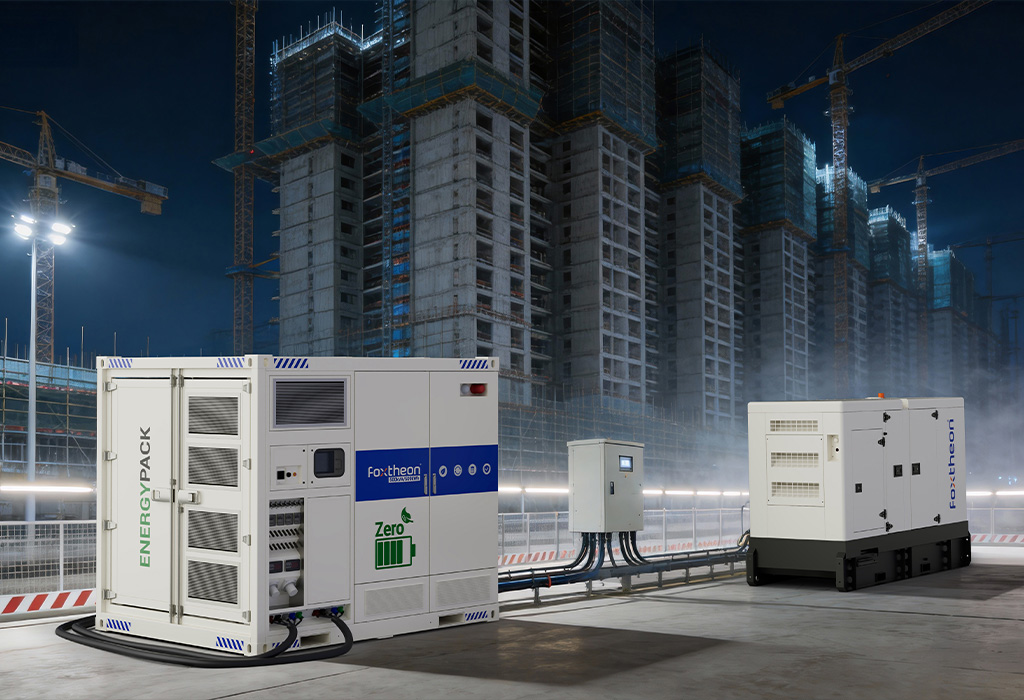
Construction projects face tight deadlines. You cannot afford delays caused by freezing pipes, slow-curing concrete, or unsafe working temperatures. Managing the climate on a jobsite is essential, but it presents a significant logistical challenge. The local utility grid is rarely connected during the early phases of building. This leaves project managers searching for reliable power for construction site HVAC systems.
Traditional methods often involve running oversized diesel generators 24/7. This approach burns excessive fuel and annoys neighbors with noise. Fortunately, the industry is shifting. Smart energy solutions now offer better ways to keep your site warm or cool. Companies like Foxtheon are leading this change by integrating battery storage and intelligent management systems to create a more efficient power supply.
This article explores how you can optimize your energy setup. We will look at reducing carbon footprints, saving money on fuel, and ensuring your heating and cooling systems run without interruption.
The Critical Need for Reliable Power for Construction Site HVAC
HVAC on a construction site is not a luxury. It is a tool for quality control and safety. When you plan the power for construction site HVAC, you are protecting your assets.
Protecting Materials and Finishes
Many building materials have strict temperature requirements.
Concrete Curing: If concrete freezes before it cures, its structural integrity fails. Heaters are necessary to maintain the chemical reaction.
Drywall and Paint: Joint compound and paint need specific humidity and temperature levels to dry properly. Cold, damp air causes cracking and peeling.
Flooring: Wood and adhesive materials must acclimatize to the building’s final operating temperature before installation.
Worker Safety and Productivity
Your crew works faster when they are not shivering or suffering from heat exhaustion.
Winter Operations: Temporary heating prevents frostbite and keeps manual dexterity high.
Summer Operations: Cooling stations and ventilation prevent heat stroke in enclosed spaces.
Without a consistent source of power for construction site HVAC, these elements suffer. A generator failure in the middle of a winter night can ruin a freshly poured slab or burst temporary water lines. Reliability is non-negotiable.
Challenges with Traditional Generator Setups
For decades, the standard answer to site power was a large diesel generator. While functional, this method has serious flaws when applied to HVAC loads.
The Problem of “Wet Stacking”
HVAC loads fluctuate. A heater cycles on and off. When it is off, the generator might run with almost no load. Diesel engines hate this. Running a generator at low capacity causes unburned fuel to accumulate in the exhaust system, known as “wet stacking.” This damages the engine and increases maintenance costs.
High Fuel Consumption
A generator running 24/7 to support intermittent power for construction site HVAC needs wastes fuel. You pay for the engine to spin even when the heaters or AC units are idle. This drives up project costs significantly.
Noise and Emissions
Urban construction sites face strict noise ordinances. A loud generator running all night to power a heater can lead to fines. Additionally, corporate ESG (Environmental, Social, and Governance) goals push for lower carbon emissions. Old-school generators struggle to meet these modern standards.
Hybrid Systems: A Smarter Way to Power Construction Site HVAC
The international smart energy solutions market has developed a superior alternative: Hybrid Energy Systems. These systems combine a smaller diesel generator with a Battery Energy Storage System (BESS).
How Hybrid Power Works
The concept is simple but effective.
Battery First: The battery powers the HVAC load.
Smart Cycling: When the battery runs low, the generator turns on. It runs at optimal capacity to recharge the battery quickly, then shuts off.
Silent Operation: During the night, the system often runs entirely on battery power.
This setup is ideal for power for construction site HVAC. Heaters cycle on and off, and the battery handles these small shifts instantly. The generator only runs when absolutely necessary.
The Role of Foxtheon in Hybrid Innovation
Innovators like Foxtheon have refined this technology. Their systems are designed to integrate seamlessly with construction workflows. By using high-density batteries and smart inverters, Foxtheon allows sites to downsize their generators. This results in less fuel burn and quieter nights.
Calculating Requirements for Power for Construction Site HVAC
Sizing your power supply correctly is the first step toward efficiency. If you get this wrong, you risk equipment trips or massive fuel waste.
Understanding Starting vs. Running Amps
HVAC equipment, especially those with compressors or large fans, requires a surge of power to start.
Starting Amps: The initial spike needed to turn the motor over. This can be 3 times the running current.
Running Amps: The steady power needed to keep the machine operating.
Your power for construction site HVAC solution must handle the starting surge without tripping the breakers. However, you do not want to size a generator solely for that split-second spike, as it will run inefficiently the rest of the time. This is where hybrid systems excel. Batteries can provide the instant surge “kick” needed to start motors, allowing the generator to remain small and efficient.
Assessing the Total Load
Make a list of all climate control equipment.
Electric Heaters: High power draw, resistive load.
Indirect Fired Heaters: Lower electrical draw (mostly for the fan), but require fuel.
Dehumidifiers: Constant draw, essential for drying.
Ventilation Fans: Variable load depending on speed.
Add these up to determine your peak demand. Always leave a safety margin of roughly 20%.
Environmental Impact and Regulatory Compliance
The construction industry is under pressure to clean up its act. Clients now demand green building practices, not just in the final structure, but during the construction process itself.
Reducing Carbon Footprint
Using efficient power for construction site HVAC directly lowers CO2 emissions. Hybrid systems can reduce generator runtime by 60% to 80%. This is a massive metric for sustainability reports.
Meeting Local Noise Ordinances
Many cities prohibit loud machinery after 6:00 PM. If your heating system relies on a loud diesel engine, you cannot run it overnight. This risks freezing your site.
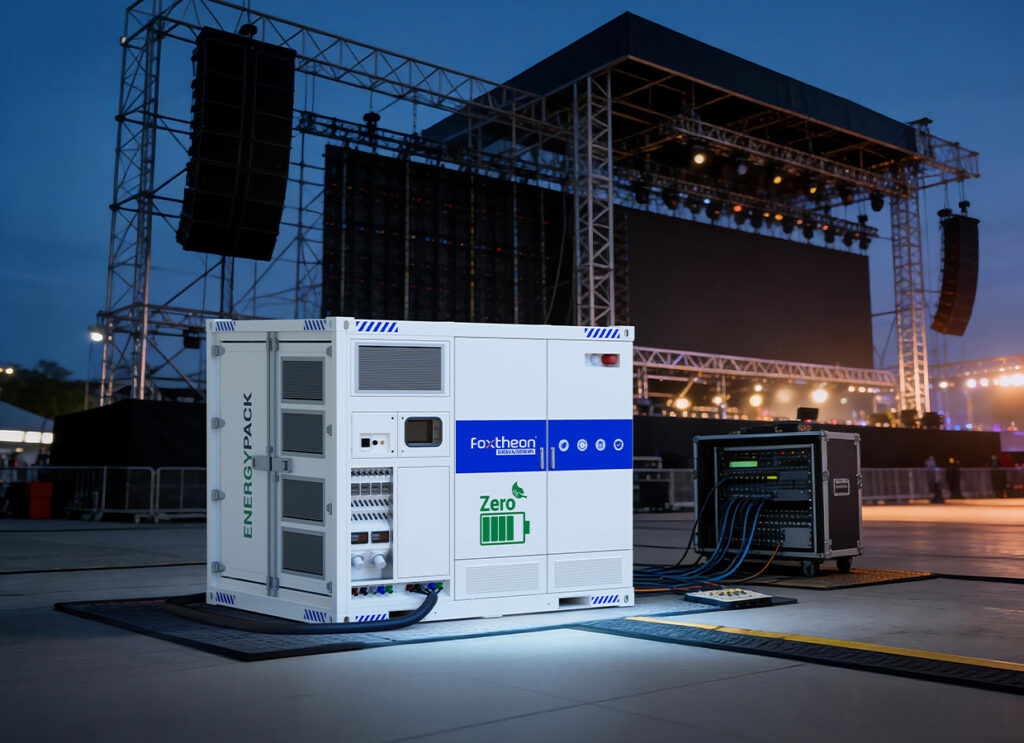
Battery Mode: A hybrid system switches to silent battery power during quiet hours.
Compliance: This ensures you avoid fines and keeps neighbors happy.
Financial Benefits of Optimized HVAC Power
Some project managers hesitate to adopt smart energy solutions because the upfront rental cost might look higher than a standard generator. However, the total cost of ownership tells a different story.
Fuel Savings
Fuel is often the single largest expense for temporary power. By managing the power for construction site HVAC with a hybrid system, you cut fuel consumption drastically. On a long winter project, this can save tens of thousands of dollars.
Reduced Maintenance
Generators require service every 250 to 500 hours. If the generator runs 24/7, you need a mechanic on-site every two weeks.
Less Runtime: With a hybrid system, the generator might only run 4 hours a day.
Fewer Services: You extend service intervals from weeks to months.
Longevity: The equipment lasts longer because it is not wet-stacking or idling needlessly.
The Future: Renewable Integration
As we look forward, the source of power for construction site HVAC will become even cleaner. The flexibility of battery storage allows for the integration of renewables.
Solar on the Jobsite
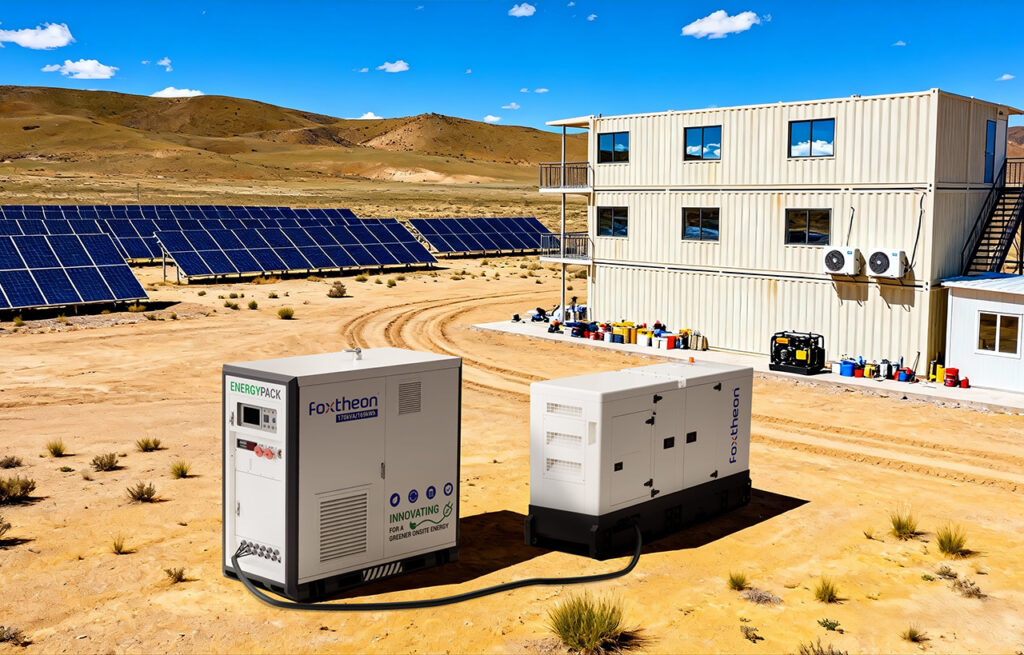
Portable solar arrays are becoming common. These can plug directly into units provided by companies like Foxtheon.
Daytime Charging: Solar panels charge the battery banks during the day.
Nighttime Heating: The stored energy powers the HVAC systems at night.
This creates a near-zero emission solution for site climate control. While solar alone may not power heavy heating loads in deep winter, it significantly offsets fuel usage during shoulder seasons or for ventilation loads.
Implementing a Power Plan
To successfully deploy power for construction site HVAC, follow a structured approach.
Audit: Determine exactly what equipment you need to power.
Consult: Talk to power providers about load profiles.
Hybridize: Choose a battery-supported system over a standalone generator.
Monitor: Use telematics to track fuel usage and load.
Smart monitoring allows you to see exactly how much energy your HVAC takes. You can adjust settings remotely to save power when the site is empty.
The days of letting a massive diesel engine idle all night just to power a few heaters are ending. The industry demands efficiency, cost reduction, and sustainability. Optimizing the power for construction site HVAC is one of the most effective ways to meet these demands.
By shifting to hybrid energy systems and leveraging battery storage, contractors can ensure their projects stay warm, dry, and on schedule without breaking the budget. Solutions from leaders like Foxtheon demonstrate that you do not have to choose between reliability and sustainability. You can have both.
As regulations tighten and fuel prices fluctuate, smart energy management is not just an option; it is a necessity for the modern construction site. Plan your power needs carefully, embrace new technology, and build a more efficient jobsite.
Frequently Asked Questions (FAQ)
Q1: What is the main advantage of using hybrid power for construction site HVAC?
A1: The primary advantage is significant fuel savings and reduced engine wear. Hybrid systems use battery power for low loads (like fans or intermittent heating cycles) and only run the generator when the battery needs recharging or during peak demand. This prevents the generator from idling wastefully, reducing fuel costs by up to 60%.
Q2: How do I determine the right size generator for my HVAC needs?
A2: You must calculate the total wattage of all heaters, fans, and dehumidifiers. Crucially, you must account for the “starting amps,” which is the surge of power needed to start electric motors. A common mistake is sizing for running watts only, causing breakers to trip. Using a system with battery storage can help absorb these starting spikes, allowing you to use a smaller, more efficient generator.
Q3: Can battery storage systems handle the heavy load of electric heating?
A3: Yes, but it depends on the system’s capacity and the duration. Batteries are excellent for handling the cycling nature of heaters and ensuring consistent power. For very heavy, continuous heating loads, the battery works in tandem with a generator. The battery handles the base load and silent hours, while the generator supports heavy recharging intervals.
Q4: Is solar power a viable option for power for construction site HVAC?
A4: Solar power is a viable partial solution. While solar panels alone may not provide enough energy for heavy heating in winter (due to short daylight hours and high power demand), they are excellent for supplementing power for ventilation, cooling fans, and dehumidifiers. When combined with a battery system, solar reduces the amount of diesel fuel required significantly.
Q5: How does efficient power management impact the project schedule?
A5: Reliable power for construction site HVAC ensures that materials like drywall, paint, and concrete cure on time, preventing schedule slippage. Furthermore, using efficient systems reduces the frequency of fuel deliveries and mechanical maintenance shutdowns. This means fewer interruptions to the daily workflow and a smoother path to project completion.