
When you power up a massive commercial air conditioning unit, the lights in the building might flicker. You might hear a loud mechanical “thud” from the machinery room. This is the sound of stress. Direct-on-line startups demand a massive surge of electricity, often six to eight times the running current. This surge damages windings, stresses mechanical components, and disrupts the local power grid.
Implementing a soft start for large HVAC compressors is the most effective way to solve these issues. Rather than hitting the motor with full voltage instantly, a soft starter gently ramps up the power. This approach aligns perfectly with modern standards for smart energy management. Companies like Foxtheon are recognizing that managing these startup loads is critical for grid stability and equipment longevity.
This article explores why this technology is essential. We will look at how it works, the specific benefits for heavy-duty cooling systems, and how to choose the right solution for your facility.
The Problem with Direct-On-Line Starting
To understand the value of a soft start for large HVAC compressors, we first need to look at the alternative. Most older systems use Direct-On-Line (DOL) starting. This method connects the motor directly to the power supply.
The result is an immediate, uncontrolled inrush of current. For a large industrial compressor, this can mean drawing hundreds of amps in a fraction of a second. This phenomenon causes several distinct problems:
Electrical Stress: The heat generated by the inrush current degrades the insulation on motor windings over time.
Mechanical Shock: The sudden torque snaps belts, grinds gears, and puts immense pressure on compressor bearings.
Voltage Dips: The massive draw causes voltage sags across the facility, potentially resetting sensitive computers or tripping other breakers.
Utility Penalties: Many power companies charge peak demand fees based on these sudden spikes in usage.
Avoiding these scenarios is why facility managers are moving toward smarter starting methods.
How a Soft Start for Large HVAC Compressors Works
A soft starter is a solid-state device installed between the power source and the motor. It uses thyristors (silicon-controlled rectifiers) to control the voltage supplied to the motor during the startup phase.
When the thermostat calls for cooling, the soft starter does not allow full line voltage to pass through immediately. Instead, it follows a pre-set ramp. It might start at 40% voltage and gradually increase to 100% over a period of 2 to 10 seconds.
This gradual increase limits the inrush current significantly. By controlling the voltage, the device also controls the torque. The motor accelerates smoothly instead of jerking into motion. Once the motor reaches full speed, an internal bypass contactor usually engages. This bypass routes power around the thyristors to eliminate heat loss and improve efficiency during normal operation.
Key Benefits for Industrial Cooling Systems
Integrating a soft start for large HVAC compressors brings immediate and long-term advantages. These benefits go beyond simple mechanics; they affect the financial bottom line of the facility.
Extended Equipment Lifespan
The primary killer of large compressors is mechanical wear and electrical fatigue. By smoothing out the startup process, you eliminate the violent torque that destroys internal components. Bearings last longer, and winding insulation remains intact for years.
Improved Power Grid Stability
In the context of international smart energy solutions, grid stability is paramount. A sudden 500-amp draw from a single chiller can destabilize a microgrid or backup generator. Soft starters reduce this draw by up to 60%. This makes them ideal for facilities running on limited power supplies or integrating renewable energy sources.
Noise Reduction
A smooth start is a quiet start. The loud banging and vibration associated with large motors starting up are virtually eliminated. This is crucial for hospitals, hotels, and office buildings where noise pollution is a concern.
Reduced Maintenance Costs
Less physical shock means fewer broken belts and couplings. Maintenance teams spend less time repairing start-related damages and more time on preventative care.
Comparison: Soft Starters vs. VFDs
A common question in the industry involves the difference between a Variable Frequency Drive (VFD) and a soft start for large HVAC compressors. Both technologies manage motor speed, but they serve different purposes.
Variable Frequency Drives (VFDs):
Control motor speed throughout the entire operation.
Can ramp up and ramp down speed to match cooling demand.
Are significantly more expensive.
Require more physical space and cooling.
Soft Starters:
Control the motor only during startup and shutdown.
Run the motor at full speed during operation.
Are much more compact and cost-effective.
Generate less heat during run time (due to bypass contactors).
If your application requires the compressor to run at varying speeds to save energy, a VFD is the right choice. However, many large compressors are designed to run at constant speed. For these applications, a soft starter provides the necessary protection without the high cost and complexity of a VFD.
Smart Energy and Foxtheon Integration
The energy landscape is shifting toward intelligence and connectivity. Modern soft starters are no longer just “dumb” switches. They are data gathering points.
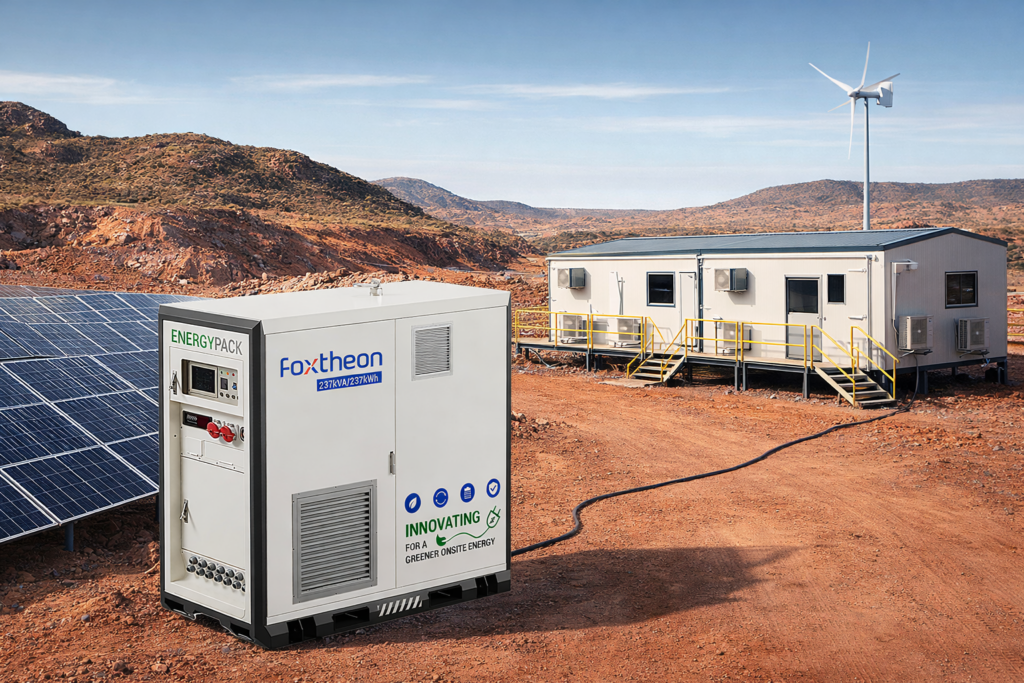
Advanced units can monitor voltage, current, power factor, and motor temperature. They can communicate this data back to a central Building Management System (BMS). This is where brands like Foxtheon excel. By integrating robust power electronics with smart monitoring, they ensure that the HVAC system operates as an integral part of the facility’s energy strategy.
For example, if the system detects a phase imbalance during startup, it can shut down the compressor before damage occurs. This level of diagnostics transforms a simple starter into a preventative maintenance tool.
Sizing and Selection Criteria
Choosing the correct soft start for large HVAC compressors requires attention to detail. You cannot simply pick a model based on horsepower alone.
Consider the following factors during selection:
Full Load Amps (FLA): Ensure the starter is rated for the motor’s continuous running current.
Locked Rotor Amps (LRA): The starter must be able to handle the surge capability, even if it is suppressing it.
Ambient Temperature: High temperatures in machinery rooms can derate the capacity of the soft starter.
Starts Per Hour: Soft starters generate heat. If your compressor cycles frequently, you may need a larger unit or additional cooling fans.
Bypass Contactor: Look for units with built-in bypass contactors to save space and reduce heat generation.
Installation Best Practices
Proper installation ensures reliability. When retrofitting a soft start for large HVAC compressors, safety and layout are critical.
1. Ventilation is Key
Even with a bypass, the thyristors generate heat during the ramping phase. Ensure the electrical cabinet has adequate airflow. Blocked vents can lead to overheating and premature failure of the electronics.
2. Check Wiring Integrity
Old wires may not have tight connections. The installation of a new starter is the perfect time to retorque all lugs and inspect insulation. Loose connections cause arcing and voltage drops that can confuse the soft starter’s sensing logic.
3. Adjust Ramp Times
Factory settings are rarely perfect for every application. Set the ramp time long enough to reduce current spikes but short enough to prevent the motor from overheating before it reaches full speed. A range of 3 to 5 seconds is standard for many compressors.
4. Grounding
Solid-state electronics are sensitive to electrical noise. Ensure proper grounding to prevent interference with the starter’s control board.
The Future of HVAC Motor Control
As we move forward, the line between motor control and energy grid management will blur. The soft start for large HVAC compressors will likely become a standard requirement in building codes rather than an optional upgrade.
We expect to see more integration with IoT (Internet of Things). Future starters will predict failure weeks in advance based on subtle changes in current signatures during startup. They will coordinate with other large loads in the building to stagger startups, ensuring the peak demand never exceeds a set limit.
Companies operating in the smart energy sector, such as Foxtheon, are already pushing these boundaries. They are developing solutions that protect the hardware while communicating seamlessly with renewable energy grids.
Managing the startup of heavy machinery is a critical aspect of modern facility management. A soft start for large HVAC compressors offers a balanced solution that protects expensive hardware and stabilizes the electrical network. It bridges the gap between the raw power required for industrial cooling and the sensitivity of modern smart grids.
By reducing mechanical stress and limiting electrical inrush, these devices pay for themselves through reduced maintenance and lower utility demand charges. Whether you are building a new facility or retrofitting an aging plant, this technology is a smart investment.
As you look for reliable solutions, consider partners who understand both power electronics and energy storage integration, like Foxtheon. Their expertise helps ensure your systems are not just running, but running intelligently. Making the switch to soft starting is a definitive step toward a more efficient and resilient energy future.
Frequently Asked Questions
Q1: Will a soft start for large HVAC compressors save energy on my monthly bill?
A1: A soft starter primarily saves energy by reducing peak demand charges imposed by utility companies. It does not significantly reduce the energy consumption (kWh) while the motor is running at full speed. However, by preventing voltage dips and mechanical wear, it improves overall system efficiency and avoids costly penalties.
Q2: Can I install a soft starter on an existing old compressor?
A2: Yes, retrofitting is a very common application. You can replace an existing Direct-On-Line (DOL) or Star-Delta starter with a soft starter. You must ensure the new unit is sized correctly for the motor’s amperage and that the enclosure has enough space and ventilation.
Q3: How does a soft starter differ from a “hard start” kit?
A3: They are opposites. A hard start kit adds a capacitor to give the motor an extra jolt of energy to get moving, often used for seized or aging residential units. A soft start for large HVAC compressors reduces the energy input to smooth out the start. Hard start kits increase torque instantly; soft starters reduce torque initially to protect the equipment.
Q4: Does the soft starter replace the motor protection relay?
A4: Most modern industrial soft starters include built-in motor protection. They monitor for overload, phase loss, and current imbalance. However, you should always verify the specifications. If the unit is a basic model, you may still need separate overload protection to meet electrical codes.
Q5: What is the typical lifespan of a soft starter unit?
A5: With proper sizing and installation, a soft starter can last 10 to 15 years or more. Factors that shorten its life include excessive heat, moisture, dust, and frequent cycling (starting and stopping the motor too often). Regular maintenance of cooling fans and tightening of connections will extend its service life.