
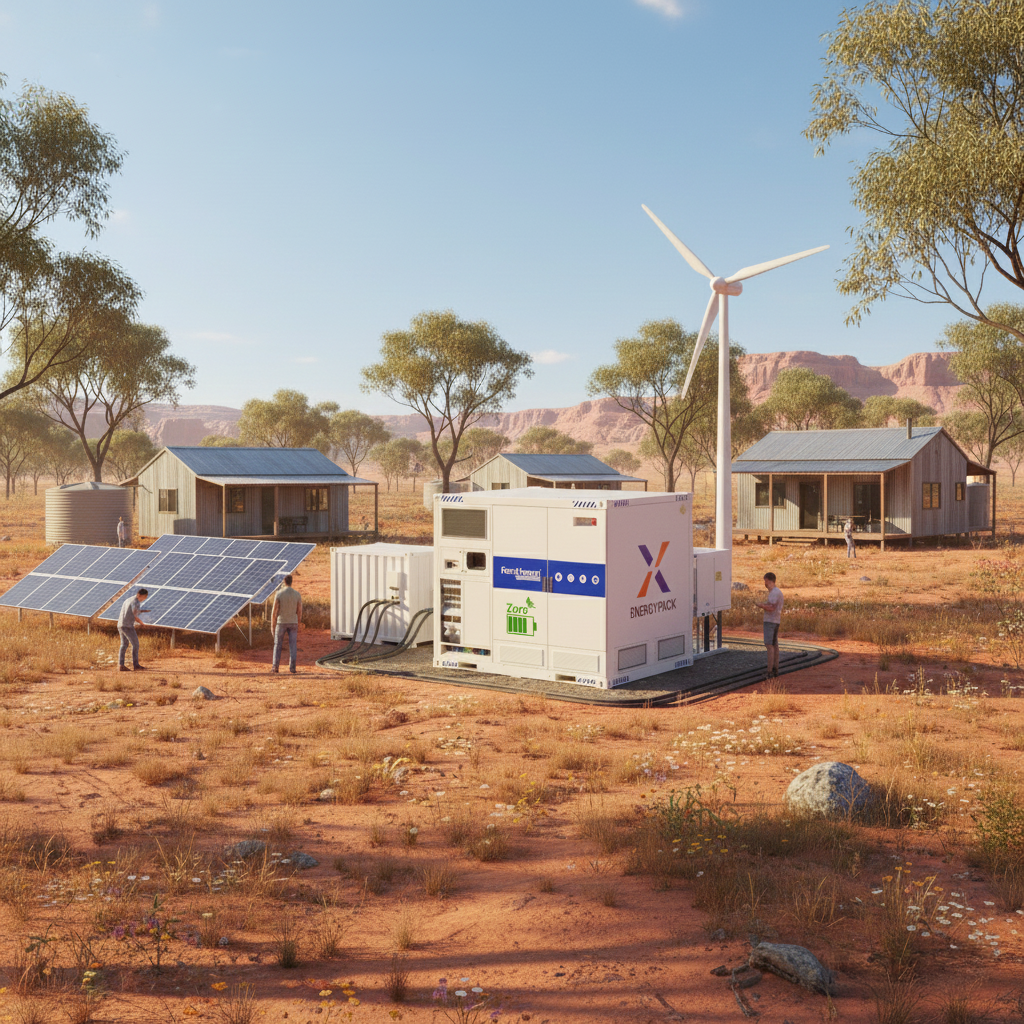
The global infrastructure and building sector operates under intense pressure to optimize operational expenditures (OpEx) while strictly adhering to evolving environmental regulations. Historically, temporary and off-grid project locations have relied exclusively on oversized, continuous-running diesel generators to supply base and peak electrical loads. However, the inherent mechanical inefficiencies of this legacy approach—characterized by high fuel consumption, massive carbon emissions, and frequent maintenance downtimes—have rendered it financially and ecologically unsustainable.
By integrating advanced Battery Energy Storage Systems (BESS) with traditional generation and renewable inputs, project managers can architect intelligent microgrids. Understanding the comprehensive benefits of hybrid power for construction sites is critical for modern engineering firms aiming to lower the total cost of ownership (TCO) of their temporary power infrastructure. This detailed analysis examines the engineering principles, equipment optimization strategies, and data-driven advantages of adopting hybrid energy architectures.
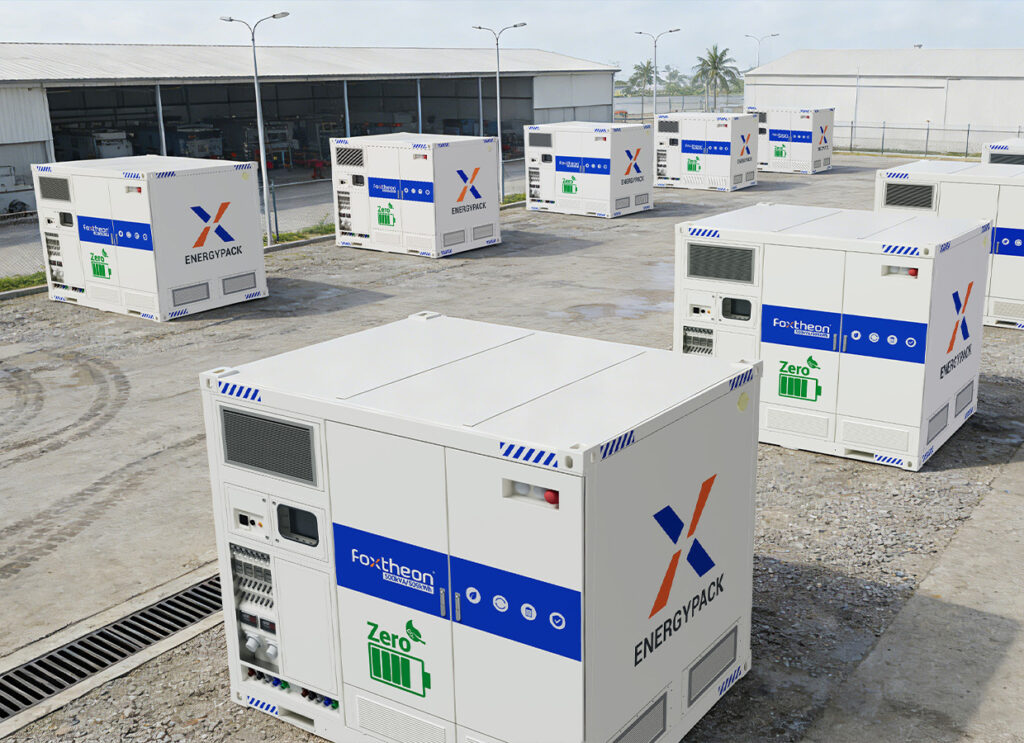
Overcoming the Structural Flaws of Legacy Diesel Infrastructure
To fully appreciate the transition toward battery-integrated microgrids, it is necessary to examine the chronic inefficiencies that plague standard diesel power generation.
The Mechanics of Wet Stacking and Low-Load Deterioration
A persistent operational flaw in temporary site power is the mismatch between generator sizing and actual load profiles. Generators are customarily sized to handle the maximum theoretical peak load—for example, the simultaneous startup of multiple hoists, welding rigs, and heavy-duty water pumps. Consequently, for the majority of the operational day, the generator operates at loads significantly below 30% of its rated capacity.
Operating a diesel engine at low loads prevents it from reaching its optimal operating temperature. This leads to incomplete fuel combustion, a mechanical issue known as “wet stacking.” Unburned fuel and carbon soot accumulate in the exhaust system, aggressively degrading engine components and clogging Diesel Particulate Filters (DPF). This phenomenon drastically reduces fuel efficiency and accelerates maintenance intervals, forcing contractors into a cycle of unnecessary expenditures.
Environmental Compliance and Acoustic Constraints
Urban development projects face stringent local regulations regarding both exhaust emissions and acoustic pollution. Standard generators emit high levels of Nitrogen Oxides (NOx) and Particulate Matter (PM). Furthermore, running diesel engines continuously overnight to power critical baseline loads, such as security systems and welfare cabin heating, frequently violates municipal noise ordinances, exposing contractors to severe financial penalties and project delays.
The Core Benefits of Hybrid Power for Construction Sites
Transitioning from a static generation model to a dynamic hybrid system fundamentally alters the site’s energy economics. A hybrid power unit pairs a correctly sized diesel generator with an industrial BESS, managed by an intelligent Energy Management System (EMS).
Intelligent Load Profiling and Peak Shaving
One of the most profound benefits of hybrid power for construction sites is the capability to execute “peak shaving.” Heavy equipment, particularly machinery utilizing large induction motors like electric tower cranes, demands an enormous influx of current during start-up. This is known as Locked Rotor Amps (LRA), which can be up to six times the continuous Full Load Amps (FLA).
In a hybrid configuration, the internal power electronics of the BESS instantly discharge high-amperage power to cover this momentary spike. The primary diesel generator is therefore only responsible for the much lower, continuous base load. This allows engineers to drastically downsize the primary generator, cutting daily fuel consumption and capital hire costs immediately.
Optimizing Generator Efficiency and Thermal Management
With an EMS regulating the microgrid, the generator no longer runs continuously. The system operates on an automated logic:
- High-Efficiency Charging: When the battery’s State of Charge (SoC) drops below a defined threshold, the generator starts automatically. It runs at its absolute optimal load (typically 75% to 85% capacity) to simultaneously power the site and rapidly recharge the BESS.
- Silent Discharge Operation: Once the battery reaches full capacity, the EMS commands the generator to shut down entirely. The BESS then assumes control, powering the site silently via its internal inverters, consuming zero fossil fuel and producing zero emissions.
Financial and Operational Advantages of Microgrid Integration
The transition to intelligent energy storage is a strictly data-driven decision. Project directors measuring the benefits of hybrid power for construction sites consistently observe significant improvements across multiple financial metrics.
Radical Reduction in Fuel and Logistics Costs
By eliminating continuous low-load running and overnight idling, hybrid systems routinely reduce diesel consumption by 50% to 70%. Beyond the direct price per liter of fuel, this reduction minimizes the logistical overhead associated with frequent fuel deliveries, remote site access constraints, and the environmental risk of fuel spillages during transfer.
Extended Maintenance Intervals and Equipment Longevity
Diesel generators require rigorous servicing, typically every 250 to 500 operating hours. A standard generator running 24/7 hits a 500-hour service interval in just three weeks, requiring oil changes, filter replacements, and costly technician call-outs. By restricting generator run-time strictly to battery-charging cycles, an intelligent hybrid system can extend the calendar time between service intervals by up to 300%, heavily compressing mechanical maintenance OpEx.
Real-World Application Scenarios
To accurately evaluate hybrid integration, it is helpful to analyze specific, ubiquitous on-site scenarios where these technologies deliver maximum impact.
Overnight Base Load Management for Welfare Units
Site welfare facilities—comprising drying rooms, administrative offices, canteens, and security infrastructure—require continuous electrical power. Overnight, this base load might drop to a mere 3kW to 5kW. Running a 100kVA generator to satisfy a 5kW load is profoundly inefficient. By deploying a commercial-grade battery system, project managers can ensure that all overnight loads are supported entirely by stored energy. The site remains powered, entirely silent, and structurally secure, with zero fuel burned between the hours of 6:00 PM and 6:00 AM.
Integration of Mobile Renewable Assets
As corporate sustainability mandates dictate strict Scope 1 and Scope 3 emission reductions, the integration of renewable energy is rapidly becoming an industry standard. Mobile Solar Photovoltaic (PV) arrays can be directly connected to the hybrid system’s inverter. Advanced Maximum Power Point Tracking (MPPT) charge controllers maximize solar yield, directly offsetting the energy required from the diesel generator.
Deploying Resilient and Scalable Energy Architectures
The success of off-grid optimization relies heavily on the quality and durability of the power electronics and battery chemistry utilized. Lithium Iron Phosphate (LiFePO4 or LFP) cells are universally recognized as the optimal chemistry for industrial applications due to their high thermal stability, safety profile, and immense cycle life (frequently exceeding 6,000 cycles at deep depths of discharge).
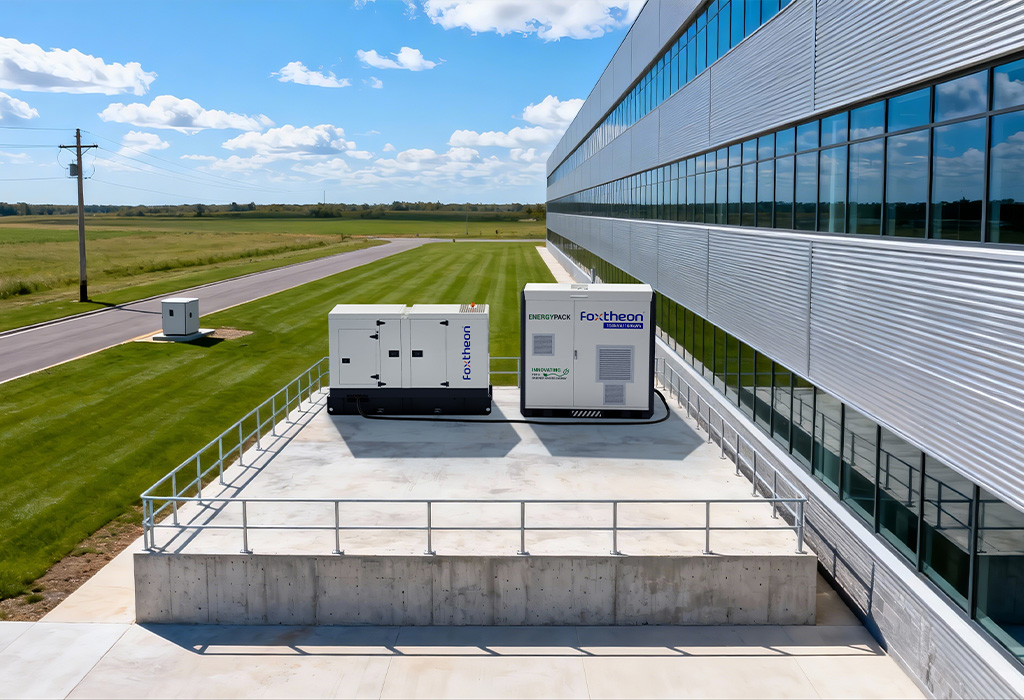
Industry-leading manufacturers engineer these systems specifically for harsh environments. Commercial systems developed by Foxtheon feature ruggedized enclosures, advanced liquid or active-air thermal management, and modular scalability. By utilizing equipment from Foxtheon, contractors ensure that their energy storage systems can withstand aggressive temperature fluctuations, heavy particulate environments, and continuous high-amperage cycling without derating.
Advanced Telematics and Remote Diagnostics
Modern hybrid energy architectures are fundamentally data-driven. Premium systems incorporate robust IoT gateways, allowing project engineers to monitor complex power metrics via remote dashboards. Telemetry data provides granular insights into kilowatt-hour (kWh) consumption, phase balancing, harmonic distortion, and precise fuel savings. Organizations leveraging sophisticated hardware and software ecosystems from providers like Foxtheon can utilize this data to generate compliance reports, optimize ongoing site operations, and accurately forecast energy expenditures for future tenders.
The deployment of battery-integrated microgrids represents a critical evolution in off-grid infrastructure management. Relying on oversized, static fossil-fuel generation is a liability that directly erodes project margins. By leveraging advanced energy storage to handle transient loads and eliminate inefficient low-load idling, contractors can achieve remarkable operational efficiency.
Analyzing the comprehensive benefits of hybrid power for construction sites reveals a clear pathway to profitability. Through intelligent generator right-sizing, peak shaving, and the seamless integration of renewable inputs, engineering firms can drastically cut fuel consumption, compress maintenance overheads, and exceed stringent environmental compliance standards. Partnering with dedicated industrial specialists like Foxtheon ensures the deployment of resilient, high-performance technology capable of transforming temporary site power into a highly optimized, sustainable asset.
Frequently Asked Questions (FAQ)
Q1: What are the primary financial benefits of hybrid power for construction sites?
A1: The primary financial advantages are rooted in severe OpEx reduction. By preventing generators from running continuously at low loads, hybrid systems typically reduce diesel fuel consumption by 50% to 70%. Furthermore, because the generator engine runs significantly fewer hours, the intervals between costly mechanical servicing are vastly extended, lowering total maintenance costs.
Q2: How does a hybrid battery system prevent generator “wet stacking”?
A2: Wet stacking occurs when a diesel engine operates at low loads, preventing it from reaching optimal combustion temperatures, which leads to carbon buildup. A hybrid system prevents this by ensuring the generator only turns on to recharge the battery or support massive peak loads. When the generator runs, it is forced to operate at an efficient 75-85% load, ensuring complete combustion and preserving engine health.
Q3: Can a hybrid microgrid support high transient loads, such as a tower crane?
A3: Yes, supporting high transient loads is one of the distinct benefits of hybrid power for construction sites. The high-capacity inverters within the battery system manage the instantaneous inrush current (Locked Rotor Amps) required to start heavy induction motors. This allows contractors to size the main diesel generator much smaller, as it only needs to handle the steady, continuous base load.
Q4: What battery chemistry is best suited for temporary site power?
A4: Lithium Iron Phosphate (LiFePO4 or LFP) is the industry standard for commercial and industrial off-grid applications. LFP chemistry offers superior thermal stability (minimizing fire risk), exceptional longevity (often over 6,000 deep discharge cycles), and the robust durability required to perform reliably in extreme outdoor construction environments.
Q5: How does a hybrid energy setup assist with local environmental and noise compliance?
A5: Local regulations increasingly mandate strict limits on acoustic pollution and exhaust emissions (PM and NOx) in urban areas. A hybrid system allows the diesel generator to be entirely switched off during sensitive hours, such as overnight. The site’s welfare units, security, and lighting are then powered silently by the battery, ensuring total compliance with municipal noise and emission ordinances.