
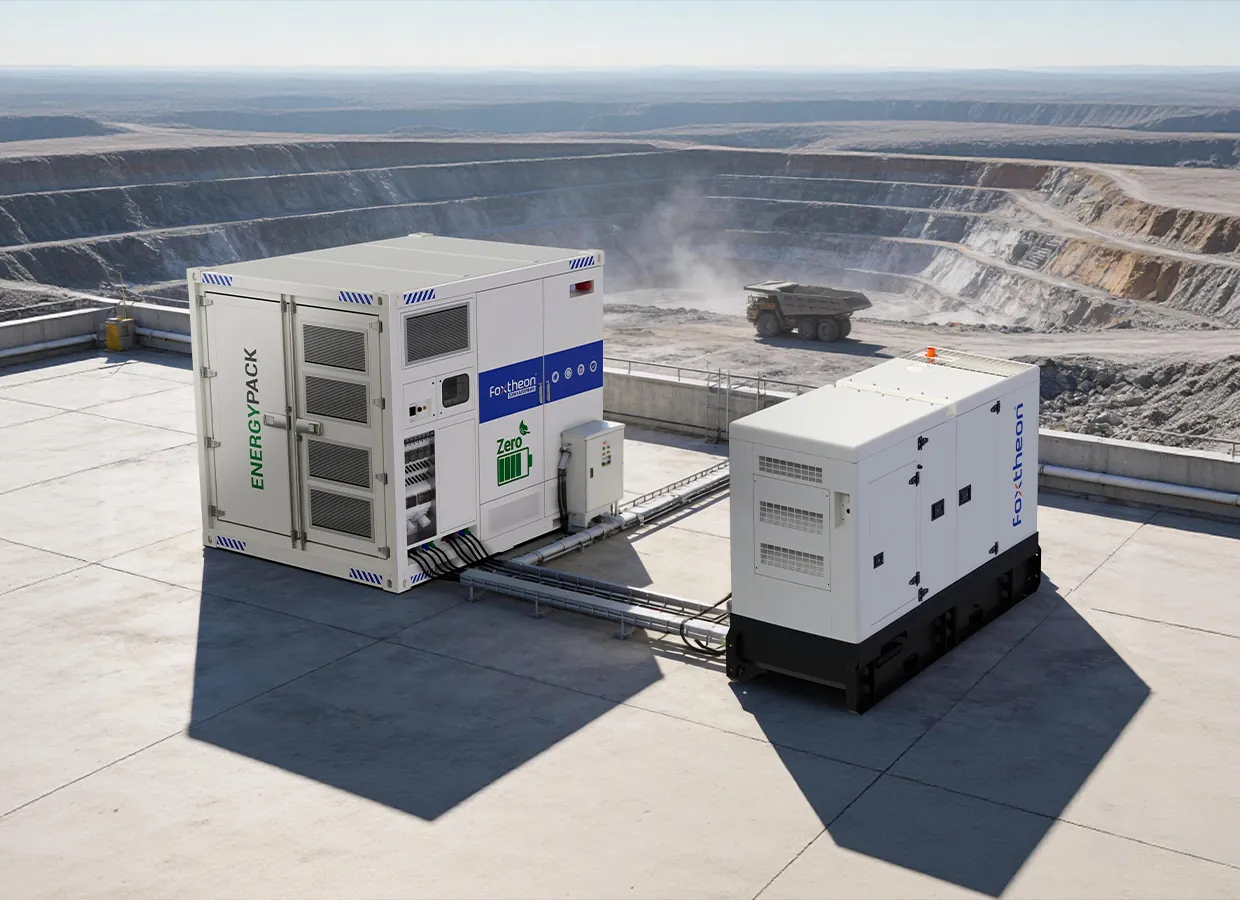
The global industrial sector is facing a dual challenge: the necessity for unwavering power reliability and the urgent mandate for decarbonization. For decades, diesel and gas-powered generators have been the backbone of off-grid and backup power systems. However, standalone generator operation is often characterized by significant thermal losses, high fuel consumption during low-load periods, and accelerated wear and tear. In the current energy transition, adopting hybrid power to improve generator efficiency has emerged as a scientifically grounded and economically viable strategy for operators seeking to optimize their energy assets.
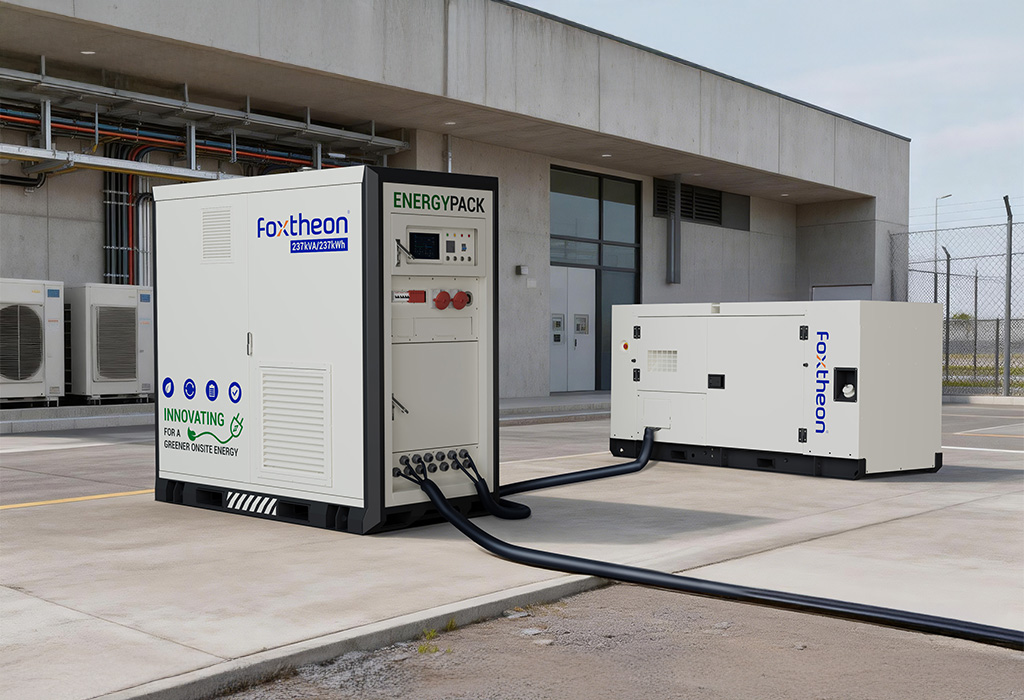
The Technical Limitations of Standalone Generator Operation
To understand how hybridization provides value, one must first identify the inherent inefficiencies of traditional internal combustion engine (ICE) generators. Most diesel generators are designed to reach their peak thermal efficiency when operating between 70% and 80% of their rated capacity. When a generator operates below 30% load—a frequent occurrence in applications with fluctuating demand—the Brake Specific Fuel Consumption (BSFC) increases dramatically.
Low-load operation leads to several critical technical issues:
- Wet Stacking: This occurs when an engine operates at a temperature too low to burn all the fuel, leading to the accumulation of unburnt fuel and carbon in the exhaust system.
- Cylinder Glazing: Insufficient combustion pressure prevents piston rings from sealing correctly, causing oil to blow by and glaze the cylinder walls.
- Increased Maintenance: Inefficient combustion necessitates more frequent oil changes, filter replacements, and top-end overhauls.
By integrating hybrid power to improve generator efficiency, these mechanical stressors are mitigated, allowing the engine to operate within its ideal thermodynamic window.
Mechanical Synergy: How Hybridization Optimizes Performance
A hybrid power system typically consists of a traditional generator, a Battery Energy Storage System (BESS), and an advanced Energy Management System (EMS). This architecture allows for a decoupled relationship between the power generated and the immediate load demand. The primary mechanism for improving efficiency is the “load leveling” effect.
Load Leveling and Peak Shaving
In a hybrid configuration, the generator no longer needs to ramp up and down to match every minor fluctuation in demand. Instead, the BESS handles the transient “step loads” and high-frequency peaks. The generator is utilized only to charge the batteries at its most efficient set point or to assist during sustained high-load periods. This ensure the engine remains at a constant, high-efficiency output, drastically reducing the total fuel consumed per kilowatt-hour (kWh) produced.
Eliminating Low-Load Waste
During periods of minimal demand—such as nighttime at a construction site or during maintenance intervals—the generator can be shut down entirely. The BESS provides the necessary power silently and without fuel consumption. This specific application of hybrid power to improve generator efficiency not only saves fuel but also extends the overall lifespan of the generator by reducing total run hours.
The Role of Advanced Energy Management Systems (EMS)
The “intelligence” of the system resides in the EMS. For a hybrid system to be effective, the controller must manage the State of Charge (SoC) of the batteries while monitoring the generator’s fuel map. Advanced solutions provided by Foxtheon demonstrate how sophisticated algorithms can predict load patterns and determine the optimal time to engage the generator.
Key functions of a high-tier EMS include:
- Dynamic Dispatch: Automatically calculating the most cost-effective power source in real-time.
- Spinning Reserve Management: Using the battery as an instantaneous backup, eliminating the need to keep a second generator idling.
- Frequency and Voltage Regulation: Providing grid-quality power stability that standalone generators often struggle to maintain during sudden load changes.
Economic Analysis: LCOE and Return on Investment
While the initial CAPEX (Capital Expenditure) of a hybrid system is higher than a standalone generator, the OPEX (Operational Expenditure) savings provide a compelling ROI. The reduction in fuel consumption, which can range from 30% to 70% depending on the load profile, directly lowers the Levelized Cost of Energy (LCOE).
Furthermore, the reduction in maintenance frequency is a significant contributor to the bottom line. By utilizing hybrid power to improve generator efficiency, companies can extend the time between major overhauls from every 10,000 hours to over 25,000 hours. In remote mining or telecom sites, where the cost of transporting fuel and technicians is exorbitant, these savings are multiplied.
Application Scenarios for Hybrid Power Systems
Different industries require varied approaches to energy management. However, the fundamental principle of using hybrid power to improve generator efficiency remains constant across diverse sectors.
1. Remote Construction Sites
Construction sites often have heavy equipment running during the day and only security lighting or small tools at night. A hybrid system allows the generator to run at full load during the day to power tools and charge batteries simultaneously, then rest at night while the battery takes over the base load.
2. Telecommunications Basestations
Telecom towers in off-grid areas often require continuous, low-level power. Running a 20kVA generator for a 2kW load is highly inefficient. Foxtheon specializes in modular energy solutions that allow these stations to run predominantly on stored energy, with the generator cycling only for a few hours every few days.
3. Disaster Recovery and Mobile Power
In emergency response, fuel logistics are a nightmare. Every liter of fuel saved is a liter that doesn’t need to be transported through hazardous zones. Hybrid mobile power units ensure that critical medical or communication equipment stays online with maximum fuel autonomy.
Environmental Impact and Decarbonization
Reducing the carbon footprint of industrial operations is no longer optional. Beyond the direct reduction in CO2 emissions from lower fuel burn, hybrid power to improve generator efficiency also reduces the emission of Nitrogen Oxides (NOx) and Particulate Matter (PM). This is because modern engines produce the cleanest exhaust when running at high temperatures and optimal loads. Hybridization facilitates these conditions, ensuring that even when a generator must run, it does so with minimal environmental impact.
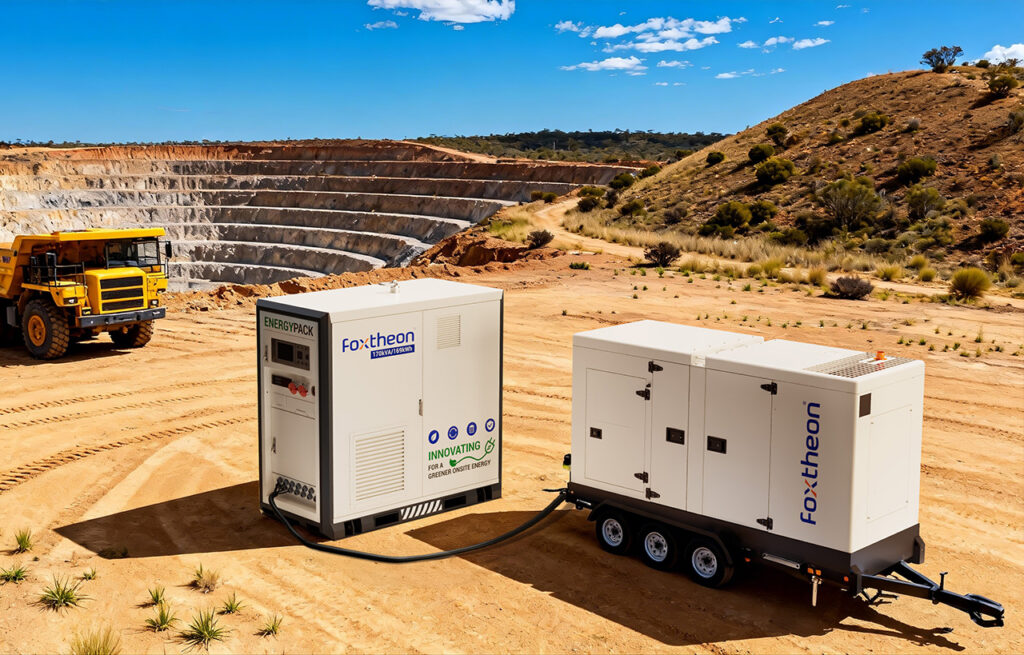
Future-Proofing Power Infrastructure
As we look toward the future, the integration of renewable energy sources like solar PV and wind into these hybrid microgrids is the next logical step. A system that already incorporates hybrid power to improve generator efficiency is “renewable-ready.” The BESS acts as the central hub, managing the intermittency of renewables while using the generator as the ultimate fail-safe. This transition represents a shift from “generator-led” power to “storage-managed” power, where the generator evolves from a primary source to a supporting asset.
In conclusion, the strategic implementation of hybrid power to improve generator efficiency is a prerequisite for modern industrial resilience. By addressing the thermodynamic flaws of standalone ICE operation through battery buffering and intelligent management, organizations can realize significant fuel savings, reduced emissions, and enhanced equipment longevity. Professional-grade solutions, such as those engineered by Foxtheon, provide the necessary hardware and software framework to execute this transition effectively, ensuring that power generation is as efficient as it is reliable.
Frequently Asked Questions
Q1: How much fuel can I realistically expect to save by switching to a hybrid system?
A1: Fuel savings typically range between 30% and 70%. The exact figure depends on your load profile. Applications with highly variable loads or long periods of low-load demand see the highest percentage of savings because the generator is no longer forced to run inefficiently during those times.
Q2: Will a hybrid system increase the complexity of my power setup?
A2: While the internal architecture is more complex, modern systems are designed for “plug-and-play” operation. The Energy Management System (EMS) handles all the switching and optimization automatically. Operators usually interact with a simplified dashboard that provides more visibility into energy consumption than a standard generator would.
Q3: Does hybridization affect the lifespan of the generator’s engine?
A3: Yes, positively. By utilizing hybrid power to improve generator efficiency, you prevent issues like wet stacking and carbon buildup. Additionally, the generator runs for fewer hours overall, which significantly extends the intervals between necessary maintenance and total engine overhauls.
Q4: Can I retrofit an existing generator into a hybrid power system?
A4: In many cases, yes. Most modern generators can be integrated with a BESS and an external controller. However, for maximum efficiency and seamless communication between the battery and the engine, integrated systems like those from Foxtheon are recommended as they are factory-optimized for synergy.
Q5: What happens if the battery system fails? Will I lose power?
A5: No. Professional hybrid systems are designed with redundancy. If the battery system or inverter encounters an issue, the control logic is programmed to bypass the storage and run the generator in “direct-to-load” mode, ensuring that your critical operations remain powered without interruption.