
.jpg)
The global push for renewable energy is undeniable. But as solar and wind power surge, a critical challenge emerges: intermittency. The sun doesn’t always shine, and the wind doesn’t always blow. This variability strains electrical grids, demanding innovative solutions for stability and reliability. Enter the Hybrid BESS – a transformative technology rapidly becoming the cornerstone of modern, resilient energy systems.
Unlike standalone battery storage, a Hybrid Battery Energy Storage System intelligently integrates two or more energy storage technologies, typically pairing lithium-ion batteries with another source like ultracapacitors or advanced lead-acid. This fusion creates a system where each component’s strengths compensate for the other’s weaknesses, delivering performance far greater than the sum of its parts. Companies like Foxtheon are at the forefront, engineering these sophisticated systems to meet the complex demands of today’s grid and commercial energy users.
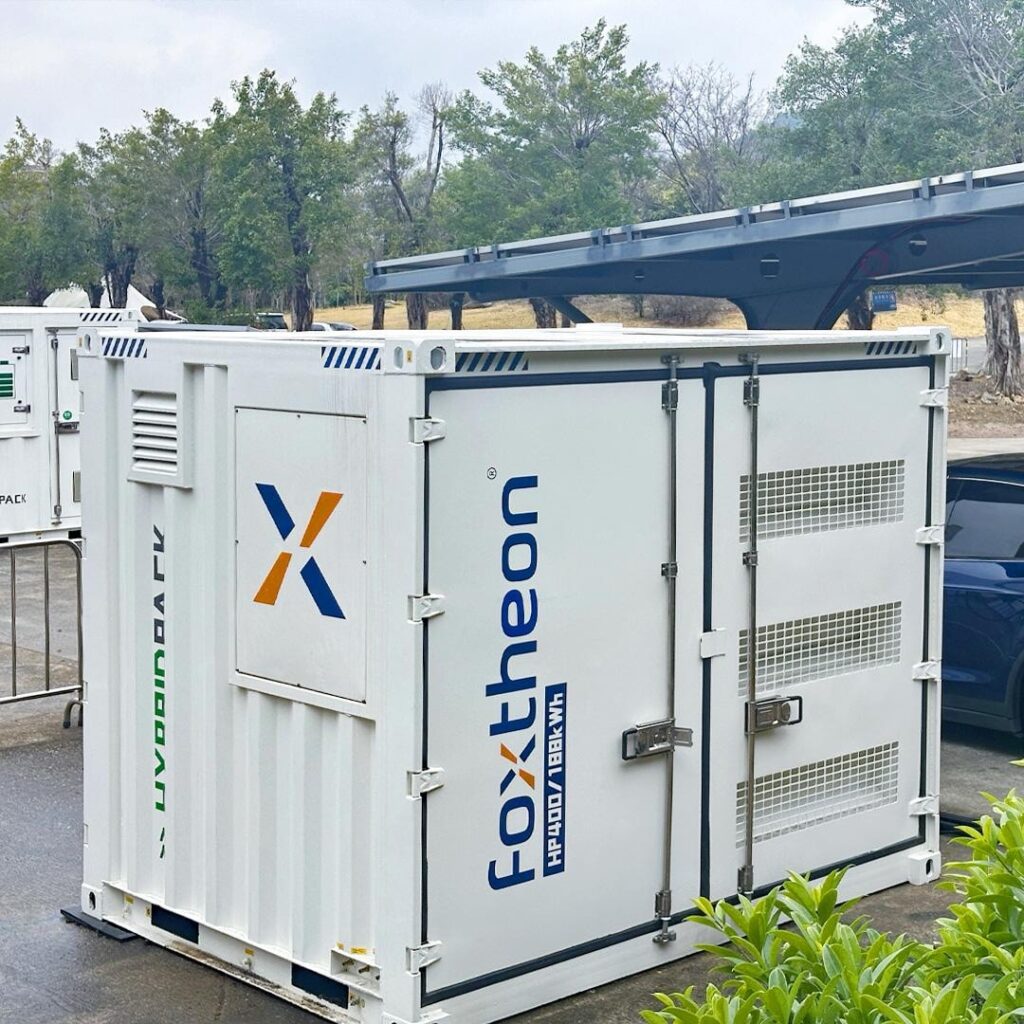
The Core Challenge: Why Standalone Storage Isn’t Always Enough
Lithium-ion batteries excel at storing large amounts of energy for hours. However, they can struggle with rapid, high-power surges and suffer from degradation when subjected to constant, quick charge-discharge cycles. This is a problem for applications requiring instantaneous response.
This is where the hybrid energy storage approach shines. By combining technologies, the system achieves unparalleled flexibility and longevity.
Deconstructing the Hybrid BESS: Power vs. Energy
A Hybrid BESS cleverly decouples “power” from “energy.”
The Power Specialist (e.g., Ultracapacitors): This component handles rapid, high-power bursts. It responds in milliseconds, perfect for frequency regulation, smoothing sudden renewable output fluctuations, or providing instantaneous backup power during a grid transition.
The Energy Reservoir (e.g., Li-ion Batteries): This is the long-hauler. It provides sustained energy over longer periods, handling load shifting, solar self-consumption, and extended backup during outages.
Together, they operate in perfect harmony. The power specialist takes the brunt of rapid cycles, protecting the energy reservoir from stress and significantly extending its operational life.
Tangible Benefits of Deploying a Hybrid BESS
The strategic advantages of implementing a hybrid battery storage system are clear across multiple metrics.
Enhanced System Performance and Reliability
The system’s dual nature ensures a faster and more reliable response to grid signals or onsite load changes. This is critical for maintaining power quality and preventing disruptions.
Extended Asset Lifespan and Reduced OPEX
By offloading stressful, high-power cycles from the main lithium-ion batteries, the hybrid BESS dramatically reduces wear and tear. This translates to longer battery life, lower replacement costs, and a significantly improved return on investment.
Superior Economic Returns in Markets
In regions with frequency regulation markets (like FFR or Dynamic Containment), the hybrid BESS can participate more aggressively and efficiently. Its ability to instantly inject or absorb power makes it a highly valuable grid asset, unlocking new revenue streams for operators.
Optimized Footprint and Scalability
For a given power rating, a hybrid energy storage solution can often be more compact or more capable than a standalone battery system designed for the same peak power duty. This makes it ideal for space-constrained sites.
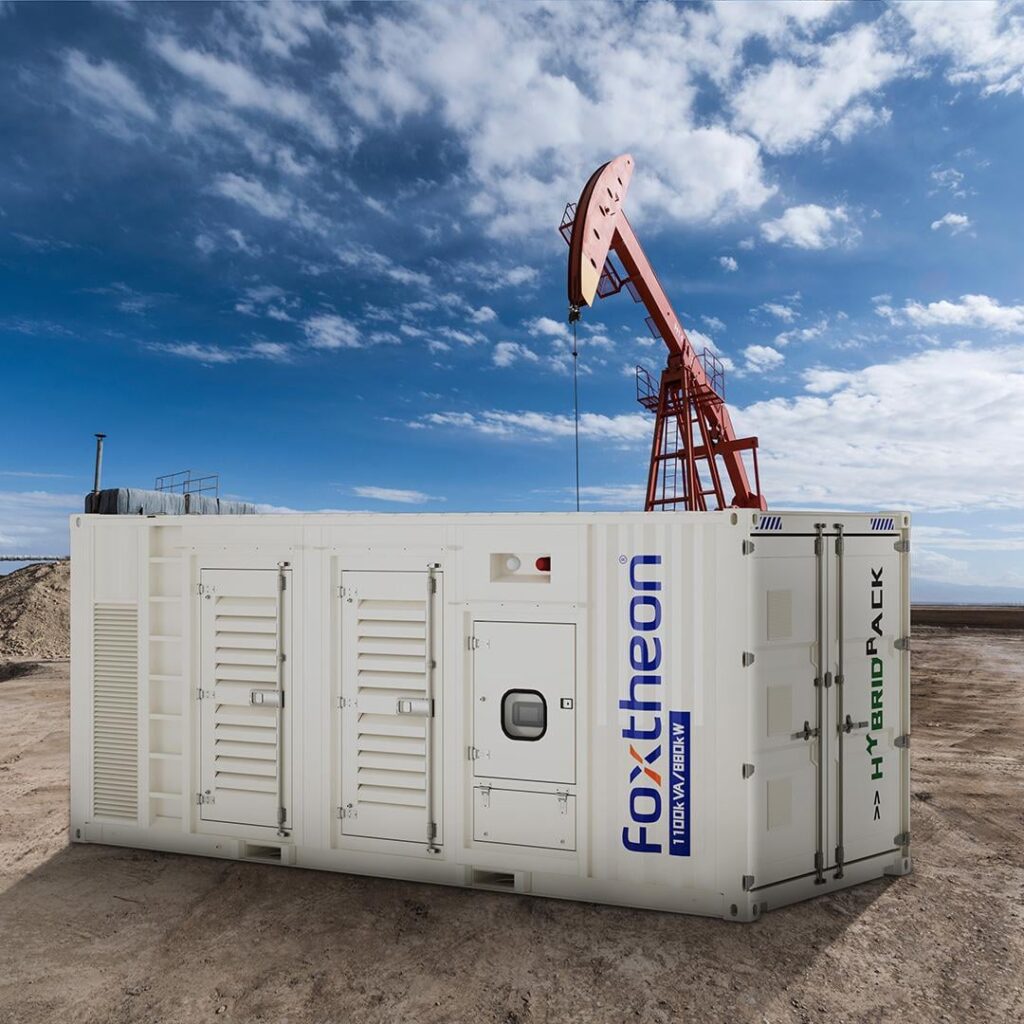
Key Applications: Where Hybrid BESS Makes a Critical Difference
This technology isn’t theoretical; it’s solving real-world problems today.
Grid-Scale Renewable Integration
Large solar PV or wind farms use hybrid BESS to smooth their power output before it connects to the grid. The ultracapacitors handle minute-to-second variability, while the batteries manage longer-duration ramps, ensuring grid code compliance and stability.
Commercial & Industrial (C&I) Energy Management
Factories, data centers, and large facilities use these systems for peak shaving, demand charge reduction, and backup power. The system can instantly cover a shortfall, prevent costly power quality issues, and provide seamless transition to backup generation.
Microgrids and Remote Power Systems
In off-grid or islanded communities reliant on diesel generators and renewables, a hybrid BESS is revolutionary. It allows diesel gensets to run at optimal efficiency, reduces fuel consumption, and enables a much higher penetration of solar PV by managing the rapid load swings that typically challenge such systems.
Electric Vehicle Fast Charging Hubs
Installing high-power EV chargers can overwhelm local transformers. A hybrid BESS can provide the massive, short-term power needed for charging without requiring prohibitively expensive grid upgrades. The batteries are slowly recharged between charging events.
The Financial Perspective: Evaluating the ROI of a Hybrid BESS
While the capital expenditure for a hybrid BESS can be higher than a single-technology system, the total cost of ownership (TCO) is often lower. The key drivers are:
Reduced cycling degradation of primary batteries.
Higher revenue potential from grid service markets.
Avoided costs from demand charges and grid upgrade deferral.
Longer system life before major refurbishment is needed.
Forward-thinking integrators, such as Foxtheon, specialize in modeling these complex value streams to provide clear, project-specific business cases for their hybrid energy storage solutions.
The Future is Integrated
As renewable penetration grows and grid dynamics become more complex, the need for intelligent, multi-functional storage will only intensify. The Hybrid BESS represents a mature, proven step in this evolution. It is no longer just an alternative but is increasingly seen as the optimal solution for applications demanding high power, high energy, and unwavering reliability.
By choosing a sophisticated hybrid battery storage system, project developers, utilities, and C&I energy managers are not just buying hardware—they are investing in long-term grid resilience, operational efficiency, and a more sustainable energy future. The intelligent architecture pioneered by leaders in this space sets a new standard for what energy storage can achieve.
Hybrid BESS: Frequently Asked Questions (FAQ)
Q1: What is the main difference between a Hybrid BESS and a standard battery system?
A1: A standard BESS uses a single battery technology (like lithium-ion) for all tasks. A Hybrid BESS integrates two complementary technologies—one optimized for high power (e.g., ultracapacitors) and one for high energy (e.g., lithium-ion). This allows each component to perform its best function, leading to better overall performance, faster response, and longer system life.
Q2: Is a Hybrid BESS more expensive than traditional storage?
A2: The initial capital cost can be higher due to the more complex power electronics and multiple storage mediums. However, the total cost of ownership (TCO) is often lower. This is due to significantly extended battery life, higher efficiency in revenue-generating grid services, and reduced operational maintenance, leading to a stronger long-term return on investment.
Q3: What are the most common technology pairings in a Hybrid BESS?
A3: The most prevalent pairing is lithium-ion batteries with ultracapacitors. Lithium-ion provides the energy density, while ultracapacitors deliver the extreme power and cycle life. Other combinations can include lithium-ion with advanced lead-acid or, in some research settings, with flywheels, each addressing specific application needs.
Q4: Can a Hybrid BESS work with existing solar PV installations?
A4: Absolutely. A Hybrid BESS can be retrofitted to existing solar arrays. It is particularly effective in managing the rapid fluctuations in solar output (e.g., from passing clouds), improving the quality of power fed to the grid or used on-site, and maximizing self-consumption of solar energy.
Q5: How does a Hybrid BESS contribute to grid stability?
A5: It contributes on two key fronts. First, its millisecond-level response provides essential frequency regulation, instantly balancing supply and demand. Second, it stabilizes voltage by rapidly injecting or absorbing reactive power. This makes the grid more resilient to disturbances and better able to integrate large amounts of intermittent renewable generation.