
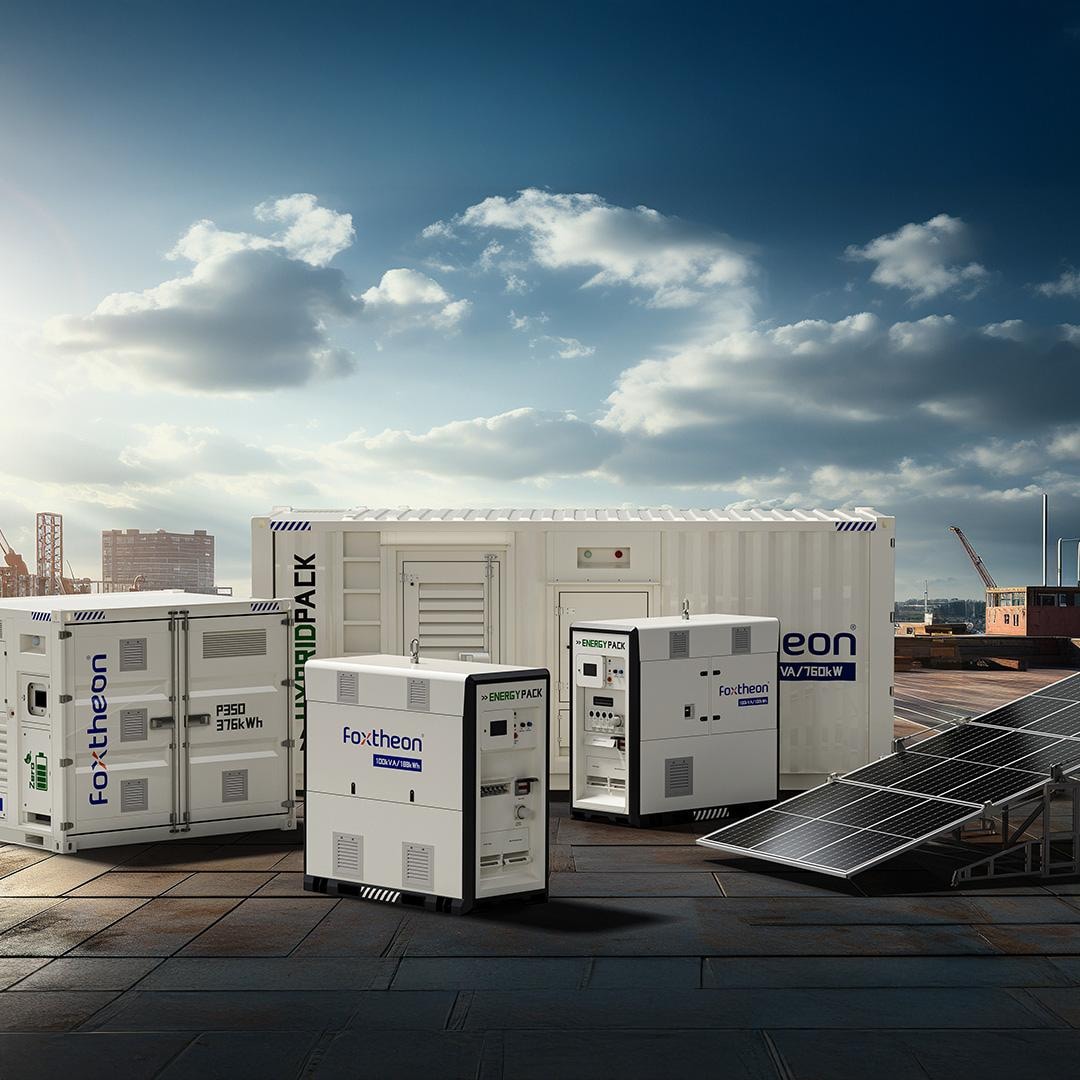
In today’s interconnected world, access to reliable electricity is no longer a luxury—it’s a necessity. Yet, millions of people and businesses in regions with unstable power grids face daily disruptions, from frequent blackouts to voltage fluctuations that damage equipment and halt productivity. For industries, remote communities, and emerging economies, these unreliable grid areas pose significant challenges, stifling growth and innovation. Fortunately, advancements in energy storage technology offer a robust solution: containerized Battery Energy Storage Systems (BESS). These modular, scalable units are transforming how we approach power stability, providing a lifeline where traditional infrastructure falls short. As a leader in smart energy solutions, Foxtheon is at the forefront of deploying these systems to empower communities and businesses alike. In this article, we’ll explore how containerized BESS for unreliable grid areas is reshaping the energy landscape, delving into its benefits, applications, and why it’s becoming a go-to choice for international smart energy strategies.
What is a Containerized BESS and Why Does It Matter?
A containerized BESS is a pre-assembled, portable battery storage system housed within a standardized shipping container. This design allows for easy transport, rapid deployment, and scalability, making it ideal for areas where grid reliability is a concern. Typically, these systems integrate lithium-ion or other advanced batteries, inverters, cooling systems, and control software to store energy from various sources—such as solar panels, wind turbines, or the grid itself—and release it when needed. The key advantage lies in its plug-and-play nature; instead of constructing complex, fixed infrastructure, organizations can simply place a containerized unit on-site and connect it to their power network.
The relevance of containerized BESS for unreliable grid areas cannot be overstated. In regions prone to natural disasters, aging infrastructure, or rapid urbanization, traditional grids often fail to keep pace with demand. This results in power outages that impact everything from healthcare and education to manufacturing and daily life. By providing a decentralized energy buffer, containerized BESS ensures a continuous power supply, reducing dependency on fragile grid systems. For instance, in rural or off-grid locations, these systems can store excess renewable energy generated during the day for use at night, effectively creating a microgrid that operates independently. Foxtheon‘s expertise in this domain highlights how such solutions are not just temporary fixes but long-term investments in resilience and sustainability.
The Growing Need for Energy Resilience in Unreliable Grid Areas
Unreliable grid areas are characterized by frequent power interruptions, low voltage quality, and limited capacity to handle peak loads. These issues are common in developing nations, remote islands, and even parts of developed countries where infrastructure is outdated. Climate change exacerbates the problem, with extreme weather events causing widespread grid failures. The economic toll is immense: according to industry reports, businesses in such areas can lose thousands of dollars per hour during outages, while households face risks to safety and comfort.
This is where containerized BESS for unreliable grid areas steps in as a critical enabler of energy resilience. Unlike diesel generators, which are noisy, polluting, and reliant on fuel supply, containerized BESS offers a clean, quiet, and efficient alternative. It supports grid stabilization by providing ancillary services like frequency regulation and voltage support, which are essential in areas with intermittent power. Moreover, as the world shifts toward renewables, these systems help integrate solar and wind energy—sources that are inherently variable—into the grid. By smoothing out fluctuations, containerized BESS ensures that green energy doesn’t go to waste, even in the most challenging environments. Foxtheon’s innovative approaches, for example, have demonstrated how customized containerized solutions can be tailored to local conditions, whether it’s a mining site in Africa or a coastal community in Southeast Asia.
Key Benefits of Deploying Containerized BESS in Challenging Environments
The adoption of containerized BESS for unreliable grid areas brings a host of advantages that extend beyond mere backup power. Let’s break down some of the most compelling benefits:
Rapid Deployment and Scalability: One of the standout features of containerized BESS is its quick installation time. Since the components are pre-tested and housed in a standard container, setup can be completed in weeks rather than months. This is crucial in emergency situations or for projects with tight deadlines. Additionally, these systems are modular; if energy demands grow, multiple units can be stacked or connected to expand capacity seamlessly. Foxtheon’s projects often highlight this flexibility, allowing clients to start small and scale up as needed.
Cost-Effectiveness and Low Maintenance: While the initial investment in a containerized BESS might be higher than traditional generators, the long-term savings are significant. With no fuel costs and minimal maintenance requirements—thanks to advanced battery management systems—operational expenses are drastically reduced. In unreliable grid areas, this translates to lower electricity costs over time and a quicker return on investment. The durability of these containers, designed to withstand harsh conditions, further enhances their economic appeal.
Environmental Sustainability: As global emphasis on decarbonization grows, containerized BESS supports green energy transitions. By storing renewable energy, it reduces reliance on fossil fuels and cuts greenhouse gas emissions. This aligns with international goals, such as the Paris Agreement, and helps organizations meet corporate sustainability targets. In regions where air quality is a concern, switching to battery storage can also improve public health outcomes.
Enhanced Grid Stability and Power Quality: For unreliable grid areas, voltage sags and frequency deviations are common issues that damage sensitive equipment. Containerized BESS acts as a buffer, injecting power within milliseconds to correct these anomalies. This “black start” capability—where the system can restart a grid without external power—is invaluable in disaster recovery scenarios. Foxtheon‘s solutions often include smart controls that optimize energy flow, ensuring consistent power quality even during peak demand.
Versatility Across Sectors: From industrial plants and telecommunications towers to residential complexes and agricultural operations, containerized BESS for unreliable grid areas finds applications in diverse settings. For example, in the telecom industry, it ensures uninterrupted service in remote locations, while in agriculture, it powers irrigation systems without grid dependency. This versatility makes it a cornerstone of modern energy infrastructure.
How Foxtheon Is Pioneering Smart Energy Solutions with Containerized BESS
Foxtheon has established itself as a key player in the international smart energy arena, specializing in tailored containerized BESS deployments for unreliable grid areas. Their approach combines cutting-edge technology with deep local insights, ensuring that each solution addresses specific challenges. For instance, in a recent project for a manufacturing hub in Latin America, Foxtheon installed a containerized BESS that integrated with existing solar arrays. This not only eliminated downtime during grid failures but also reduced energy costs by 30% through peak shaving—where stored energy is used during high-demand periods to avoid expensive utility rates.
What sets Foxtheon apart is their focus on innovation and reliability. Their systems feature advanced battery chemistry for longer lifespan, AI-driven predictive maintenance to prevent failures, and cybersecurity measures to protect against threats. By collaborating with local partners, Foxtheon ensures that their containerized BESS for unreliable grid areas is culturally and logistically compatible, fostering community adoption. As the energy landscape evolves, Foxtheon continues to invest in R&D, exploring next-generation technologies like solid-state batteries and hybrid systems that combine storage with other renewables.
Real-World Applications and Success Stories
The practical impact of containerized BESS for unreliable grid areas is best illustrated through real-world examples. In sub-Saharan Africa, where grid access is limited, a Foxtheon-deployed system powers a rural health clinic, enabling refrigeration for vaccines and reliable lighting for surgeries. Similarly, in island nations vulnerable to hurricanes, containerized BESS units provide emergency backup, supporting critical services like water purification and communication networks.
Another notable case involves a microgrid in a Southeast Asian industrial park. Before installing a Foxtheon containerized BESS, the park experienced daily brownouts that halted production. Now, the system stores solar energy generated onsite, supplying consistent power and even exporting excess to the local grid during surpluses. This not only boosted productivity but also created new revenue streams. These stories underscore how containerized BESS for unreliable grid areas isn’t just a technical fix—it’s a catalyst for economic development and social well-being.
Trends and Innovations
Looking ahead, the market for containerized BESS in unreliable grid areas is poised for exponential growth. Driven by falling battery costs, policy incentives, and rising energy demands, experts predict a compound annual growth rate of over 20% in the coming decade. Emerging trends include the integration of blockchain for transparent energy trading, the use of second-life batteries from electric vehicles to reduce waste, and the development of “energy-as-a-service” models where customers pay for storage without upfront costs.
Foxtheon is actively involved in these innovations, positioning containerized BESS as a core component of smart cities and resilient infrastructure. As renewable energy penetration increases, these systems will play a pivotal role in balancing grids and enabling a fully decarbonized future. For businesses and communities in unreliable grid areas, this means greater energy independence and a path toward sustainable development.
In summary, containerized BESS for unreliable grid areas represents a transformative solution to one of the most pressing energy challenges of our time. By offering reliability, scalability, and environmental benefits, it empowers regions to overcome grid instability and harness the full potential of renewables. Brands like Foxtheon are driving this revolution with innovative, customer-centric approaches that prioritize long-term resilience. As we move toward a more interconnected and sustainable world, investing in containerized BESS isn’t just a smart choice—it’s an essential step toward energy security and prosperity. Whether for emergency response, industrial applications, or community empowerment, this technology is set to redefine how we power our lives.
Frequently Asked Questions (FAQs)
Q1: What exactly is a containerized BESS, and how does it differ from traditional energy storage?
A1: A containerized BESS is a modular battery energy storage system housed in a standard shipping container, designed for easy transport and deployment. Unlike traditional fixed storage systems, it’s pre-assembled and tested, allowing for quick setup in various environments. This makes it ideal for unreliable grid areas, where it can provide backup power, stabilize voltage, and integrate renewables without extensive construction.
Q2: How long does it take to deploy a containerized BESS in a remote or unreliable grid area?
A2: Deployment times vary based on site conditions and system size, but typically, a containerized BESS can be operational within a few weeks. This rapid timeline is due to its plug-and-play design, which minimizes on-site work. For urgent needs, such as disaster recovery, Foxtheon and other providers offer expedited services to ensure swift implementation.
Q3: What are the main cost considerations when investing in a containerized BESS for an unreliable grid region?
A3: Key costs include the initial purchase price, installation, and ongoing maintenance. However, containerized BESS often proves cost-effective over time due to low operational expenses—no fuel is needed, and advanced monitoring reduces maintenance needs. Additionally, savings from avoided downtime and lower energy bills can lead to a strong return on investment, especially in areas with high outage rates.
Q4: Can containerized BESS integrate with renewable energy sources like solar or wind?
A4: Absolutely! Containerized BESS is highly compatible with renewables, storing excess energy generated from solar panels or wind turbines for use when production is low. This synergy enhances grid stability in unreliable areas and supports decarbonization goals. Foxtheon‘s systems, for instance, often include smart inverters and controllers to optimize renewable integration.
Q5: How does Foxtheon ensure the reliability and safety of their containerized BESS in harsh environments?
A5: Foxtheon designs their containerized BESS with robust materials, thermal management systems, and cybersecurity features to withstand extreme conditions. They conduct rigorous testing for temperature resilience, humidity, and physical impacts, and use predictive analytics to monitor performance. This ensures safe, reliable operation even in challenging unreliable grid areas, backed by 24/7 support services.