
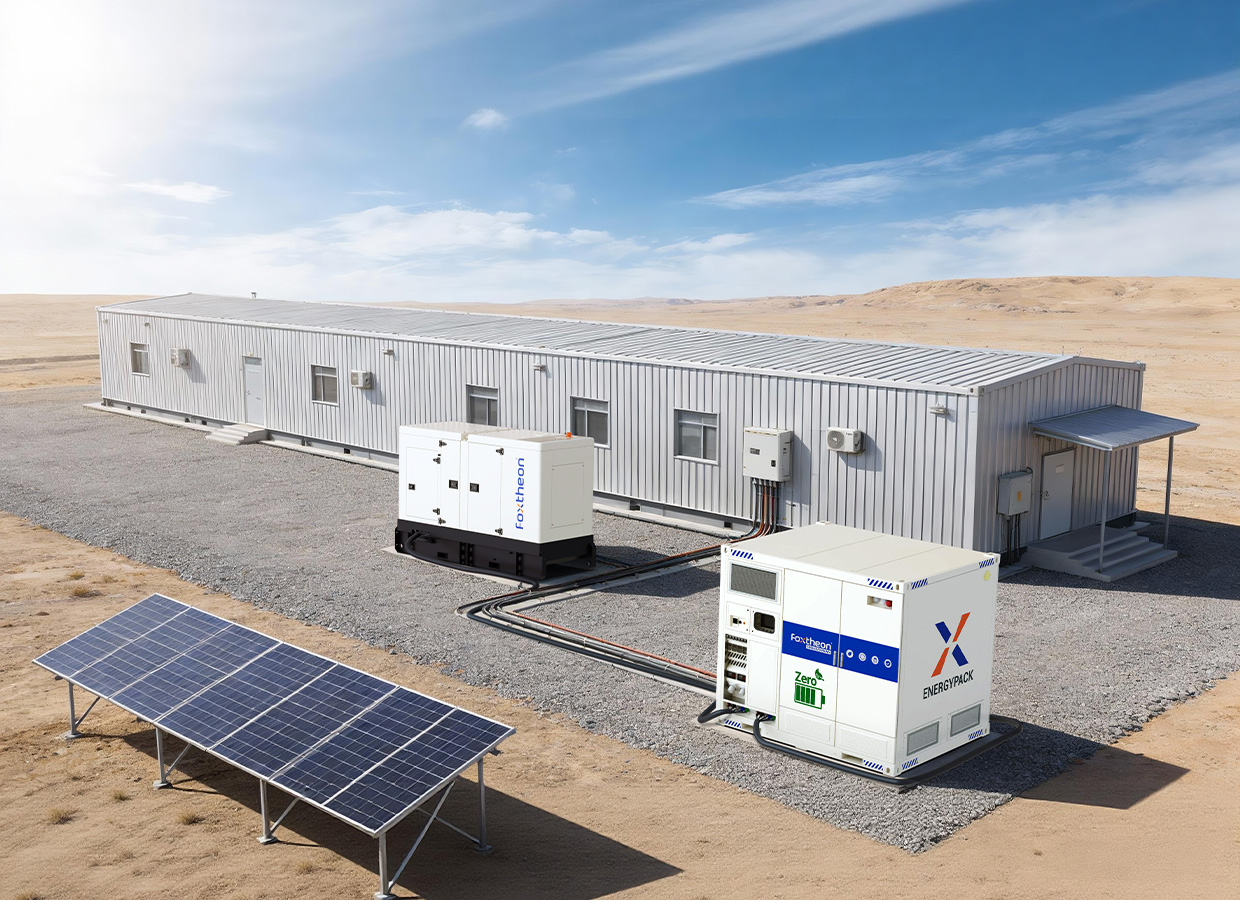
Modern energy systems require precise coordination to function properly. Industrial facilities and remote communities can no longer rely solely on passive utility connections. Sudden blackouts and rising electricity costs force operators to seek localized, independent power solutions. Building an independent power network solves these problems effectively.
Implementing a smart microgrid controller provides the exact oversight these localized networks need. This highly sophisticated computing unit acts as the central brain of the entire electrical operation. It continuously monitors every connected power source, battery, and load demand. Within the international smart energy solutions field, this technology represents a necessary shift toward grid independence.
Leading engineering firms recognize the critical importance of intelligent energy management. Innovators like Foxtheon design advanced hardware and software to maximize the efficiency of local power networks. By utilizing precise digital controls, facility managers achieve total command over their energy generation, storage, and daily consumption.
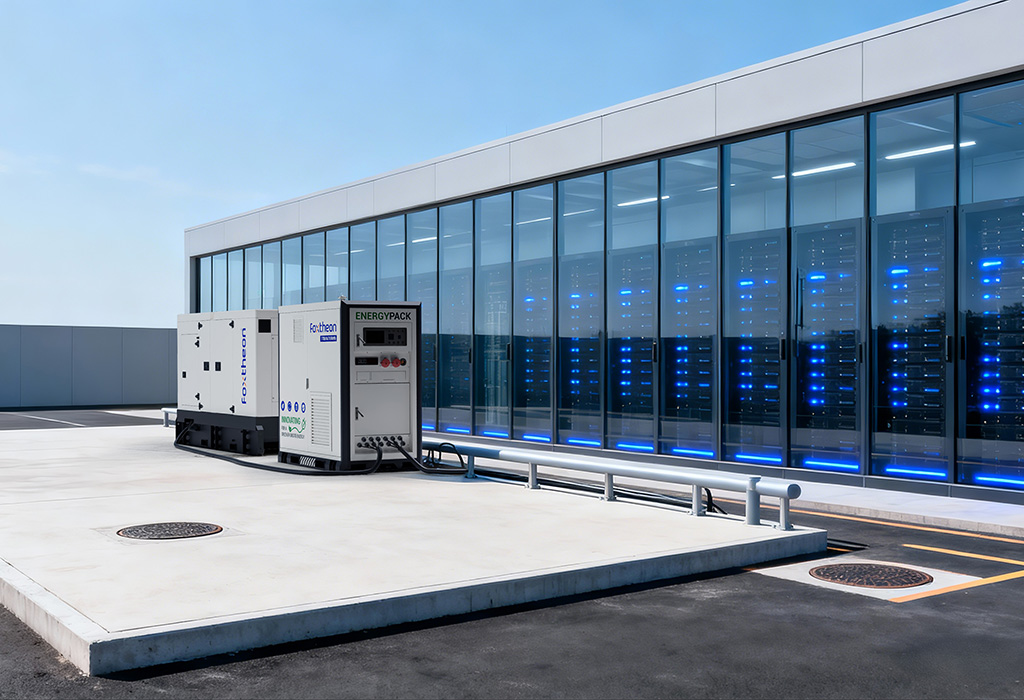
The Core Functions of a Smart Microgrid Controller
Managing electricity dynamically requires immense processing power and logical programming. A local power network typically contains multiple different generation sources competing to supply energy. The central control unit must make split-second decisions to keep the electrical frequency perfectly stable. Without this continuous oversight, the local grid would collapse instantly.
Seamless Islanding and Grid Connection
Many local networks operate while physically tied to the main regional utility grid. When the main grid experiences a severe fault, the local network must protect itself. The control system instantly detects voltage drops and opens the main breaker. This process physically isolates the local facility from the external blackout.
Once isolated, the smart microgrid controller immediately transitions the facility into “island mode.” It signals the local batteries and generators to establish a steady internal voltage. This rapid transition happens in milliseconds. Most sensitive equipment inside the facility never even registers the external power failure.
Key actions during grid separation include:
Continuous monitoring of external utility voltage and frequency.
Instantaneous opening of the point of common coupling (PCC) breaker.
Rapid dispatch of local battery reserves to maintain internal stability.
Automatic resynchronization when the utility grid restores normal power.
Real-Time Load Balancing
Electricity supply must match energy consumption exactly at every given second. If a factory turns on a massive industrial motor, the demand spikes aggressively. The management system detects this sudden draw and immediately commands the power sources to increase output.
If the current generation cannot meet the rising demand, the smart microgrid controller prevents a total system failure. It executes intelligent load shedding protocols. The system selectively turns off non-critical loads, like office air conditioning, to preserve power for essential manufacturing equipment.
Integrating Renewable Energy Sources Effectively
Renewable energy drives the modern push for decentralized power generation. Solar arrays and wind turbines produce zero emissions and significantly lower daily operational costs. However, generating power from the weather introduces high levels of intermittency. Passing clouds and dropping wind speeds create chaotic power curves.
Solar and Wind Management
Traditional diesel generators produce a steady, predictable stream of electricity. Solar panels only produce power when direct sunlight hits their surface. The control system smooths out this unpredictable generation perfectly. It constantly measures the current solar output and adjusts other connected power sources accordingly.
If solar production suddenly drops due to heavy cloud cover, the system takes immediate action. The smart microgrid controller commands the energy storage systems to discharge instantly. This covers the solar deficit and keeps the local grid completely stable. When the sun returns, the system gracefully reduces the battery output.
Battery Energy Storage Coordination
Batteries serve as the crucial buffer in any independent energy network. They absorb excess power during peak generation and release it during peak demand. Managing these massive chemical storage units requires precise voltage and temperature monitoring. The control software protects battery health while maximizing usable capacity.
Mid-sized and large commercial operations require highly responsive battery systems. Brands like Foxtheon engineer robust energy storage solutions that integrate perfectly with intelligent control software. The controller dictates exact charging currents to prevent overheating and extends the overall lifespan of the battery cells.
Effective battery management features involve:
Dynamic adjustment of charge and discharge rates based on grid demand.
Continuous monitoring of individual battery cell temperatures.
State of Charge (SOC) tracking to maintain emergency reserves.
Automated cycling to prevent deep discharge degradation.
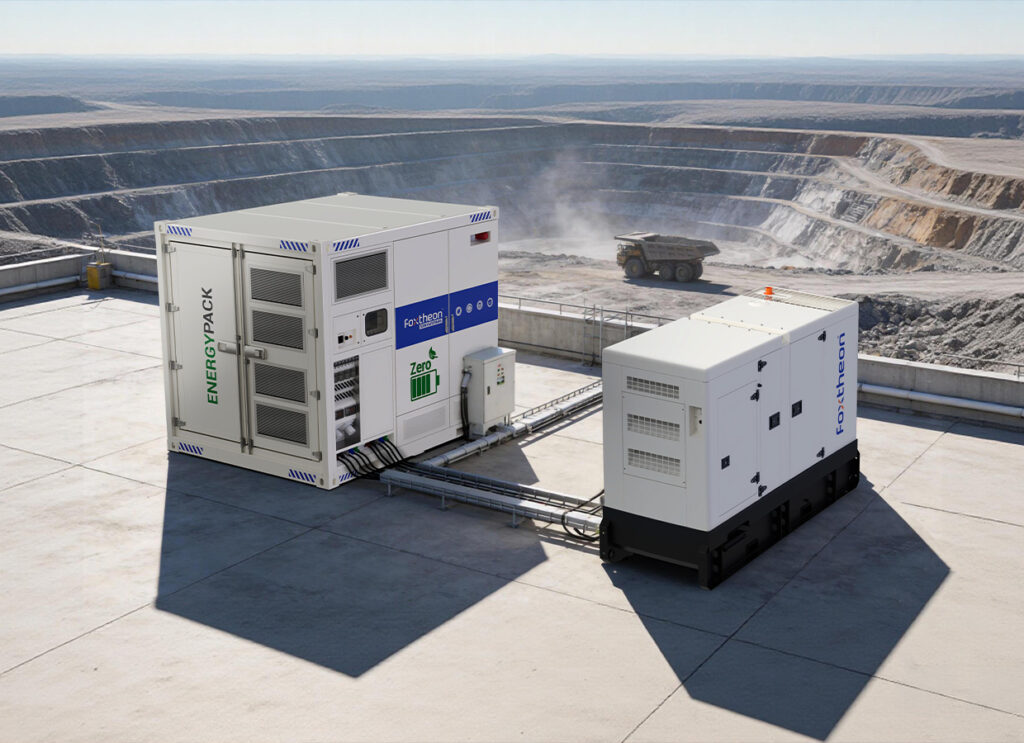
Financial and Operational Benefits
Investing in advanced localized power systems requires significant upfront capital. Facility owners expect a clear return on this investment through lowered operational expenses. Intelligent control software actively seeks out ways to save money every single day. The system continuously calculates the most cost-effective way to power the site.
Peak Shaving and Load Shifting
Utility companies heavily penalize commercial operations for consuming too much power during peak hours. These demand charges often constitute the largest portion of an industrial electricity bill. The control software actively fights against these expensive utility penalties.
During the most expensive hours of the day, the smart microgrid controller shifts the facility’s power source. Instead of buying expensive utility power, it draws electricity from the local battery reserves. This automated strategy, known as peak shaving, drastically reduces monthly utility expenses without interrupting daily business operations.
Reducing Dependency on Diesel Fuel
Remote operations historically rely on shipping massive quantities of diesel fuel to generate electricity. Fuel costs, transportation fees, and generator maintenance create massive financial burdens. Integrating solar power with intelligent management severely cuts these expenses.
The smart microgrid controller always prioritizes free solar energy over burning expensive diesel. It runs the generators only when the batteries run low and the sun goes down. By optimizing the run-time of physical engines, operators save thousands of dollars in fuel and mechanical maintenance every month.
Specific cost-saving strategies include:
Prioritizing zero-cost renewable generation over fossil fuels.
Arbitrage: charging batteries at night when utility rates hit rock bottom.
Minimizing generator wear and tear by avoiding low-load operation.
Selling excess solar energy back to the regional utility grid.
Key Technologies Powering the Smart Microgrid Controller
Running a complex energy network demands robust hardware and sophisticated communication networks. The control unit must speak multiple digital languages to command different pieces of equipment. Engineers utilize industrial-grade components to ensure the system never crashes during a critical event.
Predictive Weather Analytics
Modern energy management goes beyond reacting to current conditions. The most advanced systems actually look into the future. By connecting to high-resolution weather forecasting services via the internet, the software anticipates upcoming generation drops.
If the smart microgrid controller sees a major storm approaching, it changes its operating strategy. It stops discharging the batteries and forces them to charge to maximum capacity. When the storm hits and solar production plummets, the facility has completely full batteries ready to deploy.
Advanced Communication Protocols
Different pieces of energy hardware use different communication standards. A solar inverter might speak Modbus TCP, while a battery management system uses CAN bus. The central management unit acts as a universal translator. It gathers data from every device across the network instantly.
Fast communication speed prevents catastrophic failures. If a short circuit occurs, the controller must detect the fault and open a breaker in milliseconds. Industrial fiber optic networks and high-speed ethernet cables carry these critical signals. This ensures the central brain always has perfect visibility over the entire local grid.
Designing Systems for Remote and Industrial Sites
Different environments require completely different energy strategies. A hospital in a major city needs backup power for life-saving equipment. A remote mining camp needs primary power to run heavy rock crushers. Engineers program the central control logic specifically for the host site’s unique requirements.
Rural Electrification Projects
Millions of people globally still lack access to stable regional power grids. Governments and developers build isolated localized grids to power these remote villages. These systems face extreme environmental conditions and lack on-site technical personnel.
Deploying a smart microgrid controller allows engineers to monitor the village’s power system remotely. If a fault occurs, technicians can diagnose the issue from hundreds of miles away. The system automates the daily charging and discharging cycles, providing reliable electricity to communities that desperately need it.
Heavy Industrial Applications
Manufacturing plants utilize massive mechanical loads that stress electrical networks. Starting a giant conveyor belt requires a massive surge of instant current. Standard generators struggle to provide this current without severely dropping the local voltage.
The management software coordinates the batteries and generators to work together during these high-stress events. The smart microgrid controller injects instant battery power to help the generators push the heavy motors into motion. This prevents equipment stalling and protects sensitive electronics from dangerous voltage sags.
Industrial system advantages include:
Providing massive motor starting currents securely.
Isolating factory power quality from external utility fluctuations.
Ensuring zero-interruption power for continuous manufacturing lines.
Centralizing all energy data into one secure management dashboard.
Securing the Future with a Smart Microgrid Controller
The global energy transition demands localized, intelligent power management. Relying on centralized, fragile utility networks exposes facilities to unnecessary operational risks. Taking control of local energy production guarantees stability, predictability, and long-term financial savings.
Forward-thinking organizations already understand this crucial technological shift. Companies like Foxtheon continuously innovate to provide the hardware required for true energy independence. By combining high-capacity energy storage with superior control logic, facility managers build practically indestructible local power networks.
Ultimately, deploying a smart microgrid controller represents the smartest investment a large facility can make. It protects critical infrastructure from external failures and maximizes the financial return of renewable energy assets. As power grids evolve, this intelligent oversight will remain the absolute foundation of secure electrical engineering.
Frequently Asked Questions (FAQ)
Q1: What exactly does a smart microgrid controller do?
A1: A smart microgrid controller is an advanced computing system that manages a localized power network. It actively balances energy supply and demand, controls battery storage, seamlessly connects or disconnects from the main utility grid, and optimizes the use of renewable energy sources.
Q2: Can this controller manage power without an internet connection?
A2: Yes. While an internet connection allows for remote monitoring and predictive weather analytics, the core control algorithms run locally. The system relies on hardwired industrial communication protocols to manage the local power sources securely, even during total network outages.
Q3: How does the system handle sudden spikes in energy demand?
A3: When energy demand spikes unexpectedly, the controller instantly signals the fast-responding battery storage systems to discharge power. If the combined power sources still cannot meet the demand, the system executes automated load shedding to turn off non-critical equipment and protect the grid.
Q4: Will a smart microgrid controller lower my monthly utility bill?
A4: Yes, it actively lowers electricity costs through a process called peak shaving. The controller monitors utility pricing schedules and switches the facility to battery power during the most expensive hours of the day, drastically reducing expensive demand charges.
Q5: Is this technology only used for fully off-grid locations?
A5: No. While essential for off-grid sites, grid-tied commercial facilities heavily utilize this technology. It allows grid-tied sites to maximize their solar investments, protect themselves from regional utility blackouts, and reduce their reliance on expensive grid power during peak hours.