

The global energy landscape is shifting rapidly. Industrial sectors, construction firms, and event organizers are no longer looking for power at any cost. Today, the priority is sustainable, reliable, and cost-effective energy. This is where the low emission generator steps in.
These modern power units are not just about meeting environmental regulations. They represent a fundamental upgrade in how we generate electricity off-grid. By combining advanced engine engineering with smart energy management, they offer a way to cut fuel bills while keeping the air clean.
Whether you are running a remote mining operation or a suburban construction site, understanding the mechanics and benefits of these generators is essential. Companies like Foxtheon have recognized this shift, developing solutions that bridge the gap between heavy-duty power needs and environmental responsibility.
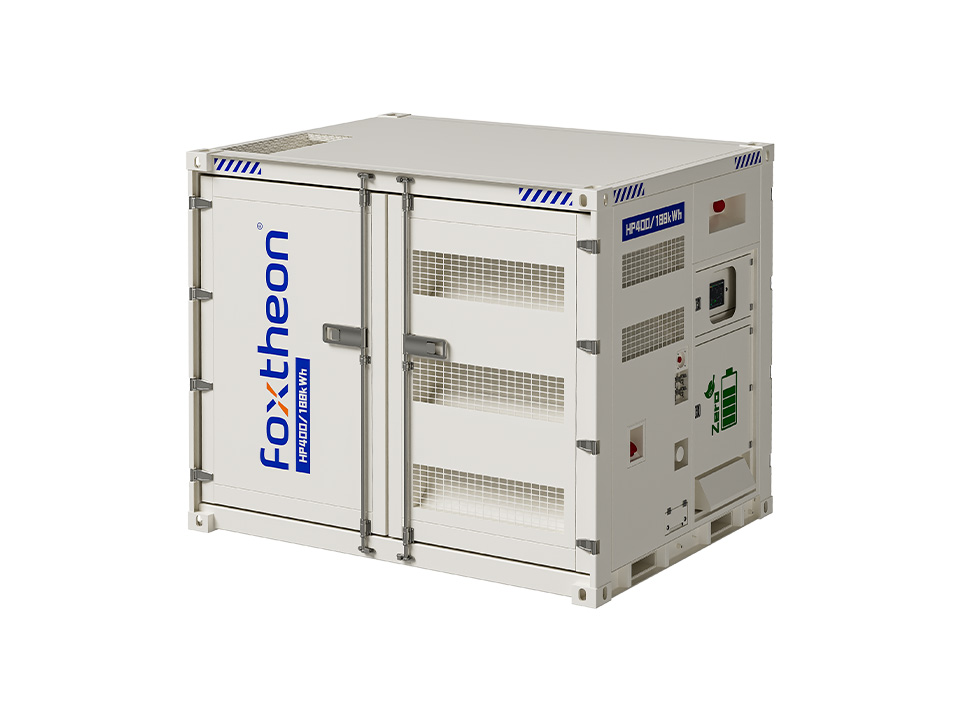
What Makes a Generator “Low Emission”?
It is important to define what we actually mean by a low emission generator. It is not simply a diesel engine with a muffler. It involves a sophisticated interplay of combustion technology and after-treatment systems.
Advanced Combustion Technology
Traditional generators often waste fuel through incomplete combustion. This results in black smoke and high levels of particulate matter. Modern low emission units use high-pressure common rail fuel injection. This ensures the fuel burns more efficiently and completely.
The result is more power per gallon of fuel and significantly fewer pollutants exiting the exhaust pipe. This efficiency is the first step in creating a greener power solution.
Exhaust After-Treatment Systems
To meet strict international standards, such as EPA Tier 4 Final or EU Stage V, manufacturers employ after-treatment systems. You will often find Selective Catalytic Reduction (SCR) and Diesel Particulate Filters (DPF) on these machines.
These components scrub harmful nitrogen oxides (NOx) and soot from the exhaust before it hits the atmosphere. When you rent or buy a low emission generator, you are essentially getting a mini power plant with industrial-grade filtration built in.
The Role of Hybridization in Smart Energy
The most exciting development in the low emission generator market is hybridization. This is where the “smart energy solution” aspect truly shines.
Battery Energy Storage Integration
A standalone generator often runs inefficiently. If your load demand is low (for example, just powering security lights at night), a large diesel engine still has to run, often at a capacity that causes wet stacking and waste.
Hybrid low emission generators solve this. They pair the engine with a battery energy storage system. When demand is low, the engine shuts off completely, and the battery takes over. This results in zero emissions for extended periods.
Load Management Efficiency
Smart controllers monitor the power draw in real-time. If the load increases beyond the battery’s capability, the generator kicks in automatically.
This ensures the generator only runs when it is most efficient—at its optimal load factor. This technology dramatically extends the lifespan of the engine and reduces the frequency of refueling.
Economic Benefits of Green Power Units
There is a misconception that going green costs more. While the upfront investment for a high-tech low emission generator might be slightly higher, the operational savings are substantial.
Reduced Fuel Consumption
Fuel is the single largest expense in operating a generator. Because low emission models burn fuel more efficiently and hybrid models run less frequently, fuel consumption drops.
In many hybrid setups, operators report fuel savings of up to 40% compared to traditional constant-run generators. Over a year, this translates to thousands of dollars saved per unit.
Lower Maintenance Costs
Engines that run less often require less maintenance. With a hybrid system, the runtime hours accumulate much slower. Oil changes, filter replacements, and major overhauls are pushed further down the timeline.
Furthermore, cleaner combustion means less soot buildup inside the engine, reducing the risk of unexpected breakdowns.
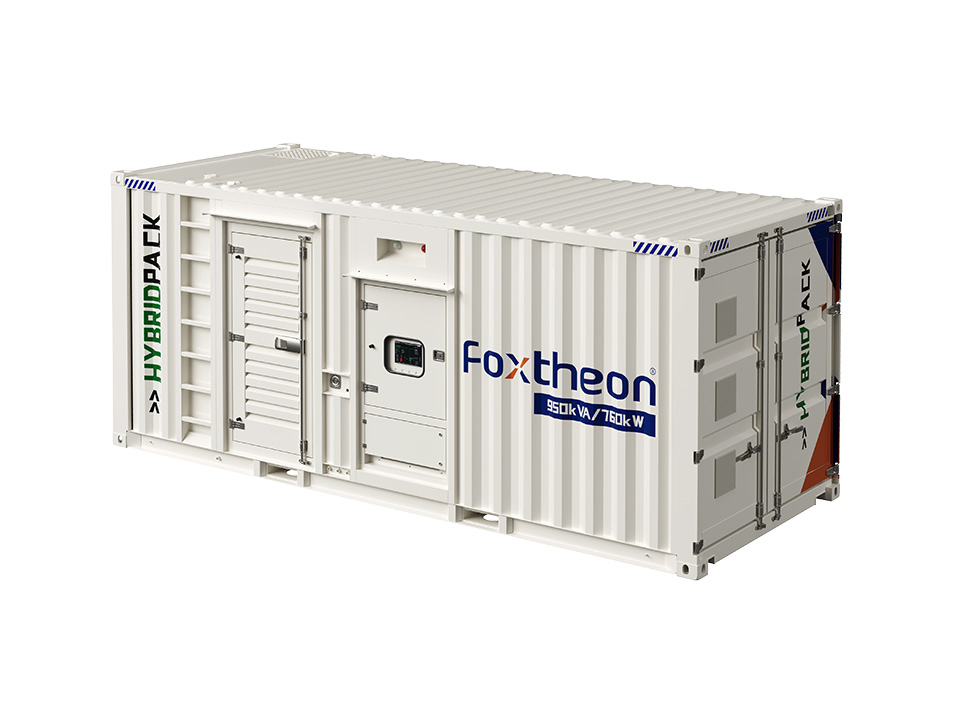
Environmental Compliance and Noise Control
Regulations are tightening globally. Cities like London, Paris, and New York are implementing low emission zones that ban older equipment.
Meeting International Standards
Using a Tier 4 Final or Stage V generator ensures you are compliant with the strictest regulations. This future-proofs your investment. You won’t have to replace your fleet in two years when new laws come into effect.
For international projects, utilizing equipment from forward-thinking brands like Foxtheon ensures that your power solution meets these rigorous global standards, regardless of where your project is located.
The Advantage of Silence
Pollution isn’t just about air; it is also about noise. Low emission generators, especially those housed in sound-attenuated enclosures, are significantly quieter.
When a hybrid unit switches to battery mode, it becomes virtually silent. This is a game-changer for urban construction sites, outdoor events, and film sets where noise restrictions are strictly enforced.
Key Applications for Low Emission Generators
Where are these units being used most effectively? The versatility of smart energy solutions allows them to be deployed across various sectors.
Urban Construction and Infrastructure
Building in city centers requires strict adherence to noise and air quality rules. A low emission generator allows contractors to work through the night without disturbing residents or violating city codes.
Events and Entertainment
Music festivals and outdoor weddings demand reliable power. However, no one wants the smell of diesel fumes or the roar of an engine ruining the ambiance. Hybrid units provide clean, quiet power that improves the guest experience.
Telecommunications and Remote Sites
Telecom towers in off-grid locations require 24/7 power. Transporting fuel to these sites is expensive and difficult. A highly efficient low emission system reduces the frequency of refueling trips, securing critical infrastructure with lower operational overhead.
Selecting the Right Smart Energy Solution
Choosing the right generator involves more than just picking a kilowatt rating. You must analyze your specific power profile.
Assessing Your Load Profile
Do you have a constant high load, or does your power usage fluctuate? If your usage spikes during the day and drops at night, a hybrid low emission generator is likely your best option.
Understanding your peak and average demand helps in sizing the battery and engine correctly. Oversizing a generator is a common mistake that leads to inefficiency.
Software and Connectivity
Modern generators are part of the Internet of Things (IoT). Look for units that offer remote monitoring. Being able to see fuel levels, battery status, and load data from a smartphone app allows for better fleet management.
Innovators in the sector, such as Foxtheon, integrate intelligent software that optimizes the energy flow between the generator and the storage system, ensuring maximum efficiency without user intervention.
The Future of Industrial Power Generation
The transition to renewable energy is happening, but diesel generators are not disappearing overnight. Instead, they are evolving.
We are seeing the rise of “green hydrogen” generators and biofuel compatibility. However, for the immediate future, the most practical solution remains the advanced diesel-battery hybrid.
These units act as a bridge. They provide the reliability of traditional fuel with the environmental benefits of modern storage technology. As battery density improves and costs fall, the engine’s role will diminish further, eventually becoming purely a backup range extender.
Why Reliability Still Matters
In the push for sustainability, we cannot sacrifice reliability. Hospitals, data centers, and critical construction projects cannot tolerate downtime.
Low emission generators maintain the robust reliability of diesel engines. The addition of battery storage actually adds a layer of redundancy. If the engine fails to start, the battery can often provide enough power to keep critical systems running until help arrives.
This dual-source reliability is why smart energy solutions are becoming the standard for risk-averse industries.
Conclusion
The era of the smoking, noisy diesel generator is coming to an end. The low emission generator has proven that we do not need to choose between power and the planet.
By embracing technologies like high-pressure injection, after-treatment systems, and hybrid battery integration, businesses can achieve massive efficiency gains. The reduction in fuel costs and maintenance requirements provides a clear return on investment.
As we move toward a carbon-neutral future, partnering with manufacturers who prioritize smart energy—such as Foxtheon—will be key to maintaining a competitive edge. Whether for construction, events, or industrial backup, the cleaner, quieter choice is now also the smarter financial choice.
Frequently Asked Questions
Q1: What is the main difference between a standard diesel generator and a low emission generator?
A1: The main difference lies in the exhaust treatment and engine efficiency. Low emission generators utilize advanced fuel injection systems and after-treatment technologies like Diesel Particulate Filters (DPF) and Selective Catalytic Reduction (SCR) to significantly reduce pollutants such as nitrogen oxides and soot, whereas standard generators release these directly into the air.
Q2: Can a low emission generator really save money on fuel?
A2: Yes, absolutely. These generators are designed to burn fuel more completely, extracting more energy from every drop. Furthermore, when paired with hybrid battery technology, the engine runs less frequently and only at its most efficient load, which can reduce fuel consumption by 30% to 40% compared to traditional units.
Q3: Are low emission generators compatible with renewable energy sources?
A3: Yes, they are often the backbone of “smart microgrids.” They can be easily integrated with solar panels and wind turbines. The generator acts as a backup to charge the battery bank when solar or wind energy is insufficient, ensuring a continuous power supply.
Q4: Do these generators require special maintenance compared to older models?
A4: They do require adherence to maintenance schedules, particularly regarding the Diesel Exhaust Fluid (DEF) levels and DPF cleaning. However, because hybrid versions run fewer hours than standard generators, the intervals for oil changes and major mechanical service are generally extended, resulting in lower overall maintenance labor.
Q5: What is the lifespan of a hybrid low emission generator?
A5: With proper maintenance, these units often outlast traditional generators. Since the engine in a hybrid system runs for fewer hours to provide the same amount of power availability, the mechanical wear and tear is reduced. The battery components typically last several years before needing replacement, but the core generator engine remains durable for the long haul.