
Finding a reliable power source that balances portability with capacity is a challenge that many industries and outdoor enthusiasts face daily. For years, the market was split between heavy, noisy diesel generators and small power banks that couldn’t handle significant loads. There was a gap in the middle for a device that could power heavy tools or critical backup systems without the emissions and noise of an engine.
This is the specific gap that the Foxtheon P300 addresses. It represents a mature step forward in the international smart energy solutions market. It is not just about storing electricity; it is about managing how that energy is deployed efficiently.
Whether you are managing a remote construction site, preparing for grid instability, or planning an off-grid event, understanding how this unit operates can change your approach to energy. Let’s explore why this specific model is gaining traction and how it fits into the broader ecosystem of products developed by Foxtheon.
Understanding the Core Technology of the Foxtheon P300
To appreciate what this unit does, we have to look under the hood. The Foxtheon P300 is built around the concept of energy density and safety. Unlike older lead-acid battery setups, which are heavy and require maintenance, this system utilizes advanced Lithium Iron Phosphate (LiFePO4) chemistry.
The Advantage of LiFePO4 Chemistry
Safety is paramount when dealing with high-capacity storage. The chemistry used in this device is chemically stable. It is much harder to ignite or overheat compared to other lithium variants. This makes it ideal for rugged environments where the unit might be moved around, bumped, or exposed to varying temperatures.
Smart Battery Management System (BMS)
The hardware is only as good as the software controlling it. The BMS inside the unit constantly monitors voltage, current, and temperature. If a short circuit occurs or if the temperature spikes, the system shuts down instantly to protect the cells. This intelligent management extends the lifespan of the battery, ensuring that your investment lasts for years rather than months.
Real-World Applications for the Foxtheon P300
It is easy to list specifications, but how does this actually translate to daily use? The versatility of the Foxtheon P300 means it finds a home in several different sectors.
Remote Construction and Contracting
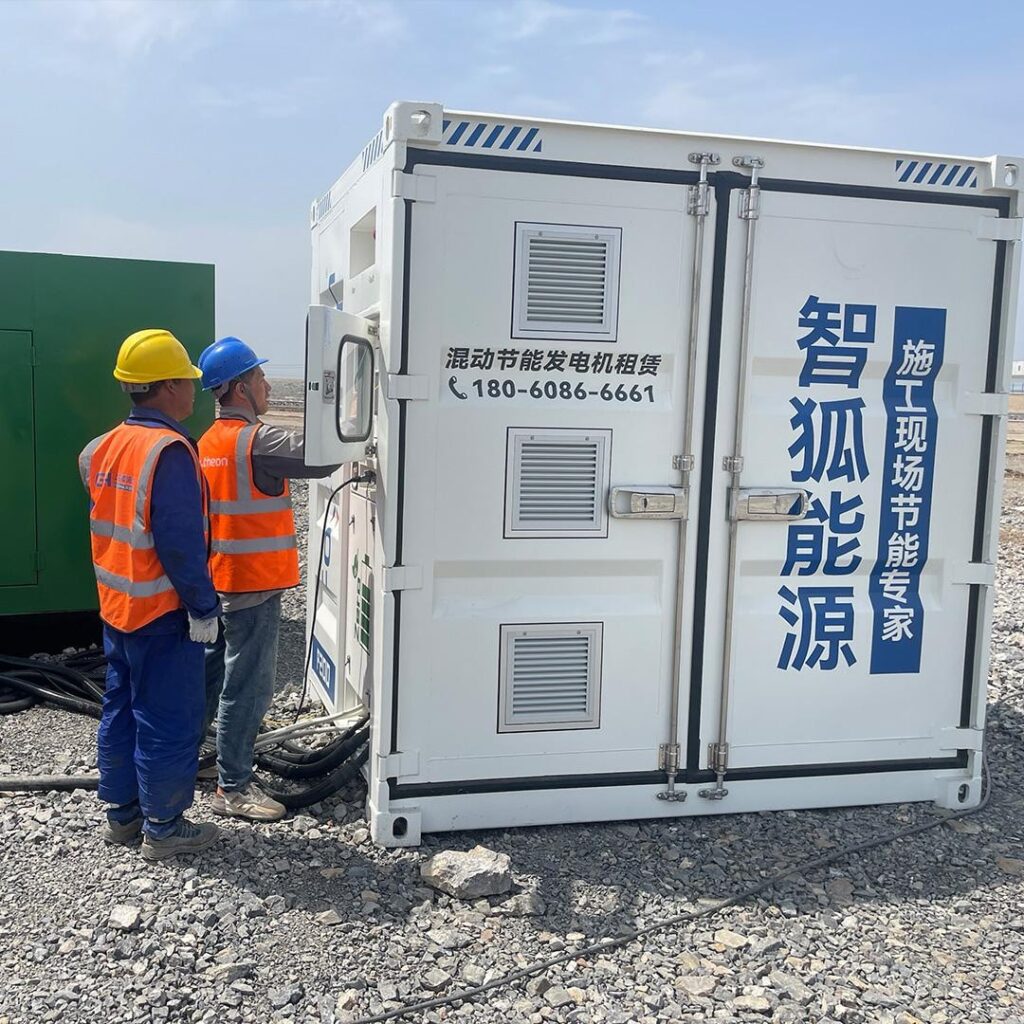
Contractors often lose time dragging long extension cords across job sites or filling up small gasoline generators. With this hybrid station, power is available right where the work happens. It can handle high-surge tools like circular saws and drills. Because it runs silently, it is perfect for indoor renovation work where running a gas engine is impossible due to fumes.
Emergency Disaster Relief
When natural disasters strike, the grid is often the first thing to fail. First responders and medical teams need immediate power for communication devices, lighting, and refrigeration for medicine. The unit acts as a rapid-deployment energy hub. Its robust build quality allows it to survive the transport to affected areas, providing instant AC power upon arrival.
Outdoor Events and Filming
Film crews and event organizers are under increasing pressure to reduce noise and pollution. A loud generator ruins audio recording and disturbs guests. This unit provides a silent base load. It can power LED lighting rigs, cameras, and audio equipment without a hum. This “silent power” is becoming a requirement in many urban filming permits.
How the Foxtheon P300 Integrates with Solar
One of the standout features of the modern energy landscape is the ability to generate your own power. The Foxtheon P300 is designed to be solar-agnostic but works best when paired with high-efficiency panels.
The MPPT Controller Difference
Inside the unit is a Maximum Power Point Tracking (MPPT) controller. This component is critical. Solar output fluctuates constantly as clouds pass or the sun moves. The MPPT controller adjusts the electrical load to ensure the panels are always operating at their most efficient point. This means you get a faster charge time even on days that are overcast.
Achieving True Off-Grid Independence
By pairing the unit with portable solar arrays, users can achieve a closed-loop energy system. You use the stored energy at night or during peak work hours, and replenish it during the day. This reduces reliance on fuel deliveries or grid connections, which is a core philosophy of Foxtheon—empowering users to be energy independent.
Comparing the P300 to Traditional Gas Generators
Is it time to throw away the gas generator? Not necessarily, but for many applications, the switch makes financial and operational sense.
Operational Costs
A gas generator burns fuel every minute it is running, even if you are just charging a phone. That is wasted money. The Foxtheon P300 releases energy only when demanded. There is no idling cost. Over a period of two to three years, the savings on fuel and oil changes can offset the initial purchase price of the battery system.
Maintenance Requirements
Gas engines have hundreds of moving parts. Carburetors get clogged, spark plugs foul, and oil degrades. A solid-state battery system has zero moving parts inside the storage module. The only maintenance required is keeping the unit clean and ensuring it is charged periodically if left in storage for long durations.
The Importance of Portability and Form Factor
Power is useless if you cannot get it to where you need it. The engineering team behind the Foxtheon P300 clearly prioritized ergonomics.
Designed for Movement
Many battery systems are bulky squares that are awkward to lift. This unit typically features integrated handles and a center of gravity that makes it manageable for one or two people to move. It fits easily into the back of a standard work truck or SUV, meaning you don’t need a specialized trailer to transport your power source.
Interface and Usability
The user interface is designed for non-technical users. You don’t need an electrical engineering degree to operate it. Clear displays show input wattage, output load, and remaining runtime. This transparency is vital in professional settings where knowing exactly how much power you have left dictates the work schedule.
Durability and Build Quality
In the international smart energy solutions market, equipment often faces harsh conditions. From dust in the desert to high humidity in tropical zones, gear needs to be tough.
Casings and Ports
The casing of the unit is constructed from high-impact materials. It is designed to take the occasional knock that happens on a job site. Furthermore, the ports are often covered or sealed to prevent dust and moisture ingress. This attention to detail prevents the corrosion that often kills cheaper electronics.
Thermal Management
Batteries generate heat when they discharge quickly. The cooling system in this device is engineered to dissipate that heat effectively. Whether through passive sinking or active cooling fans, the system ensures the internal components stay within their optimal operating temperature range, preventing throttling or shutdown.
The Financial Case for Hybrid Systems
While the upfront sticker price of a battery system can be higher than a cheap generator, the Total Cost of Ownership (TCO) tells a different story.
Return on Investment (ROI)
When calculating ROI, you must include fuel, oil, filters, and the labor cost of maintenance. Additionally, consider the lifespan. A cheap generator might last 1000 hours before major repairs. The Foxtheon P300, with its LiFePO4 cells, can withstand thousands of cycles. One cycle is a full discharge and recharge. In daily use, this equates to many years of reliable service.
Asset Value Retention
High-quality power stations hold their value well. Because the battery chemistry is long-lasting, the resale value of a used unit remains decent. In contrast, a used portable generator is often seen as a liability due to potential engine wear.
The energy transition is not just happening at the level of national power grids; it is happening in our trucks, our homes, and our job sites. We are moving away from burning fossil fuels for every small task and moving toward intelligent storage.
The Foxtheon P300 is a prime example of this shift. It offers a blend of power, portability, and professional-grade reliability that appeals to a wide range of users. It eliminates the noise and fumes of the past while providing the reliability required for the future.
For those looking to invest in a power solution that is clean, quiet, and robust, this unit checks all the boxes. As Foxtheon continues to innovate in this space, devices like the P300 prove that green energy does not mean compromising on performance.
Frequently Asked Questions
Q1: How long does it take to fully charge the Foxtheon P300 via wall outlet?
A1: Charging times vary based on the input wattage allowed by the AC adapter, but typically, units in this class are designed to charge rapidly. You can expect a full charge from a standard wall outlet to take approximately 2 to 4 hours, depending on whether the unit supports fast-charging technology.
Q2: Can I use the device while it is charging (Pass-through charging)?
A2: Yes, the unit supports pass-through charging. This means you can have it plugged into a solar panel or wall outlet and simultaneously power your devices. However, keeping the battery slightly below 100% and not overheating it is best for long-term health.
Q3: What types of appliances can the P300 run?
A3: It is designed for a variety of medium-load appliances. It can easily run laptops, lights, medical CPAP machines, portable fridges, and power tools like drills. For very heavy loads like central air conditioning or welders, you would need to check if the starting wattage exceeds the unit’s peak surge capacity.
Q4: Is the battery replaceable once it degrades?
A4: Generally, portable power stations are built as sealed units to ensure water and dust resistance. However, the LiFePO4 cells are rated for thousands of cycles (often 3000+). This means even with daily use, the battery will last for many years before you notice significant capacity degradation, making replacement unnecessary for a long time.
Q5: Does the system require any specific maintenance during storage?
A5: Maintenance is very low. If you plan to store the unit for a long period (like over the winter), it is recommended to charge it to about 60-80% and turn it off completely. Check the battery level every 3 to 6 months and top it up if necessary to prevent the voltage from dropping too low.