
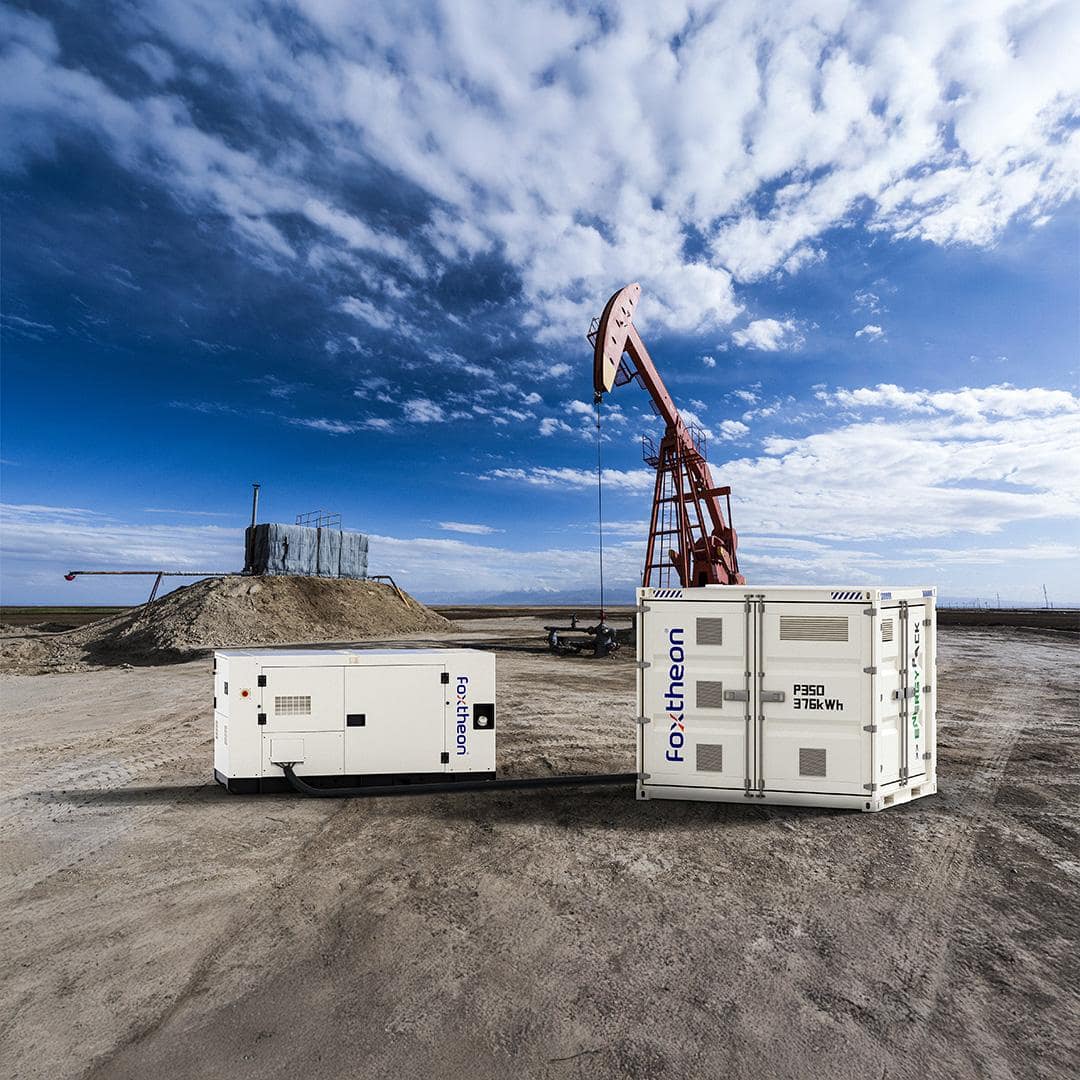
The Core Question
Hybrid systems are often described as a better power solution.
But the real question is: why do they work especially well for cranes, pumps, and compressors?The answer lies in one thing:
👉 How these machines consume power.
For many operators, the challenge is straightforward:
How to reduce crane fuel consumption?
What is the most efficient power solution for piling rigs?
Is there a better alternative to diesel generators on construction sites?
These are not theoretical questions—they are daily operational concerns.
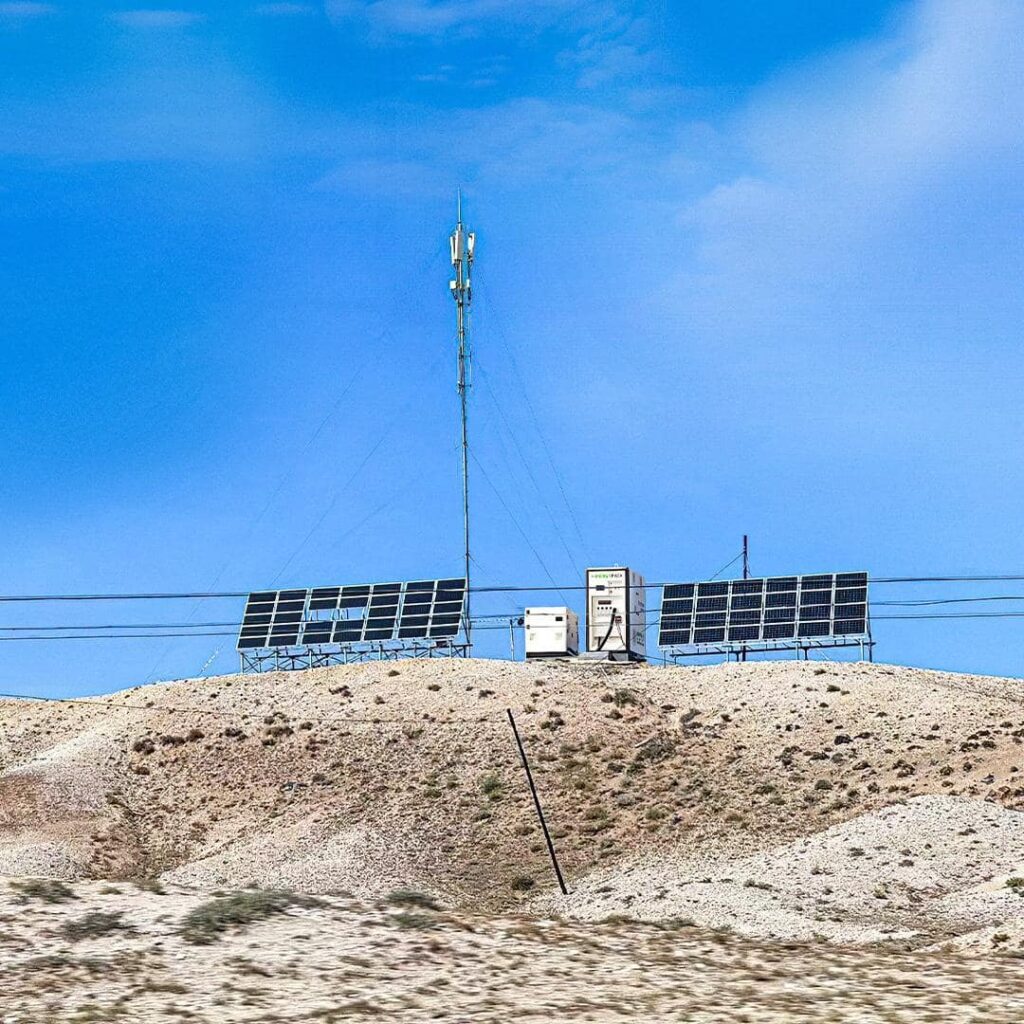
Table 1: Machine Behavior vs Power System Response
| Machine Behavior | Diesel System Response | Hybrid System Response |
| Variable load | Low efficiency | Battery absorbs fluctuation |
| Idle periods | Fuel still consumed | Zero fuel in battery mode |
| Peak demand | Oversized generator | Battery handles peaks |
| Intermittent operation | Inefficient cycling | Optimized runtime |
👉 This alignment is why hybrid systems are a natural fit, not just an upgrade.
Where Hybrid Systems Deliver the Most Value
- Hybrid systems are particularly effective in the following environments:Urban construction sites
- Noise restrictions and emission limits make diesel-only solutions difficult to operateOff-grid or remote locations
- Limited or no grid access increases reliance on fuel logisticsInfrastructure projects (piling, tunneling, foundation work)
- Highly variable loads from heavy equipmentExtreme environments (high heat or cold regions)
Where generator efficiency drops and fuel logistics become more complex?
T&F: Common Misconceptions About Hybrid Power
1. Hybrid is just a more efficient generator
❌ False
Hybrid systems are not just generators—they are energy management systems combining generator, battery, and control logic.
2. Fuel savings come only from better equipment
❌ False
Fuel savings come from changing when and how the generator runs—not just improving the machine itself.
3. Hybrid systems work best under steady load
❌ False
Hybrid systems perform best under variable and intermittent loads—exactly the conditions of cranes, pumps, and compressors.
4. Batteries only provide backup power
❌ False
In hybrid systems, batteries are the primary tool for load balancing, peak shaving, and efficiency optimization.
Table 2: Real Impact on Fuel and Cost
These improvements directly answer a common question: how to reduce fuel consumption on construction sites.
| Metric | Diesel Only | Hybrid System |
| Fuel Consumption | High under low load | Reduced by 30–70% |
| Idle Fuel Use | Continuous consumption | Zero in battery mode |
| Generator Runtime | Continuous | Intermittent |
| System Efficiency | Low | Optimized |
Why These Machines Benefit the Most
1. Their Load Profile Matches Battery Strength
Batteries excel at handling fluctuation and short bursts—exactly how these machines operate.
2. Their Idle Time Creates the Biggest Waste
Idle time in diesel systems still consumes fuel.
Hybrid systems eliminate this entirely.
3. Their Peak Demand Is Short but Expensive
Peak demand forces oversized generators in traditional systems.
Hybrid systems remove this constraint.
Table 3: Real Project Evidence
| Metric | Before | After |
| Fuel Consumption | 67 L/h | 40 L/h |
| Daily Fuel Use | 1600 L | 970 L |
| Daily Savings | — | 630 L |
| Total Savings | — | $500,000+ |
Whether you are operating a tower crane in a city center, running piling rigs on a remote infrastructure project, or managing compressors in extreme environments, the same pattern applies: variable load demands a flexible power solution.
Conclusion: Not an Upgrade—But a Structural Fit
Hybrid systems are not universally superior.
But for cranes, pumps, and compressors, they are fundamentally better suited.Because these machines:
- fluctuate
- idle
- spike
- and rarely operate steadily
Hybrid systems don’t fight these characteristics—they use them.
👉 That is why they are a natural ally.
Understanding why hybrid systems work is one thing.
Applying them effectively on your jobsite is another.Every project is different—load profiles, operating hours, equipment mix, and site constraints all shape the outcome. That’s why the real value of hybrid power doesn’t come from the technology alone, but from how it is configured and deployed.
Solutions like Foxtheon EnergyPack are designed specifically for these variable-load applications—combining battery storage, generator integration, and intelligent control to match real-world operating conditions.
If you’re evaluating how to reduce fuel consumption, improve efficiency, or meet stricter environmental requirements, it’s worth taking a closer look at how a hybrid system would perform in your specific scenario.
👉 Explore EnergyPack or speak with our team to assess your project