
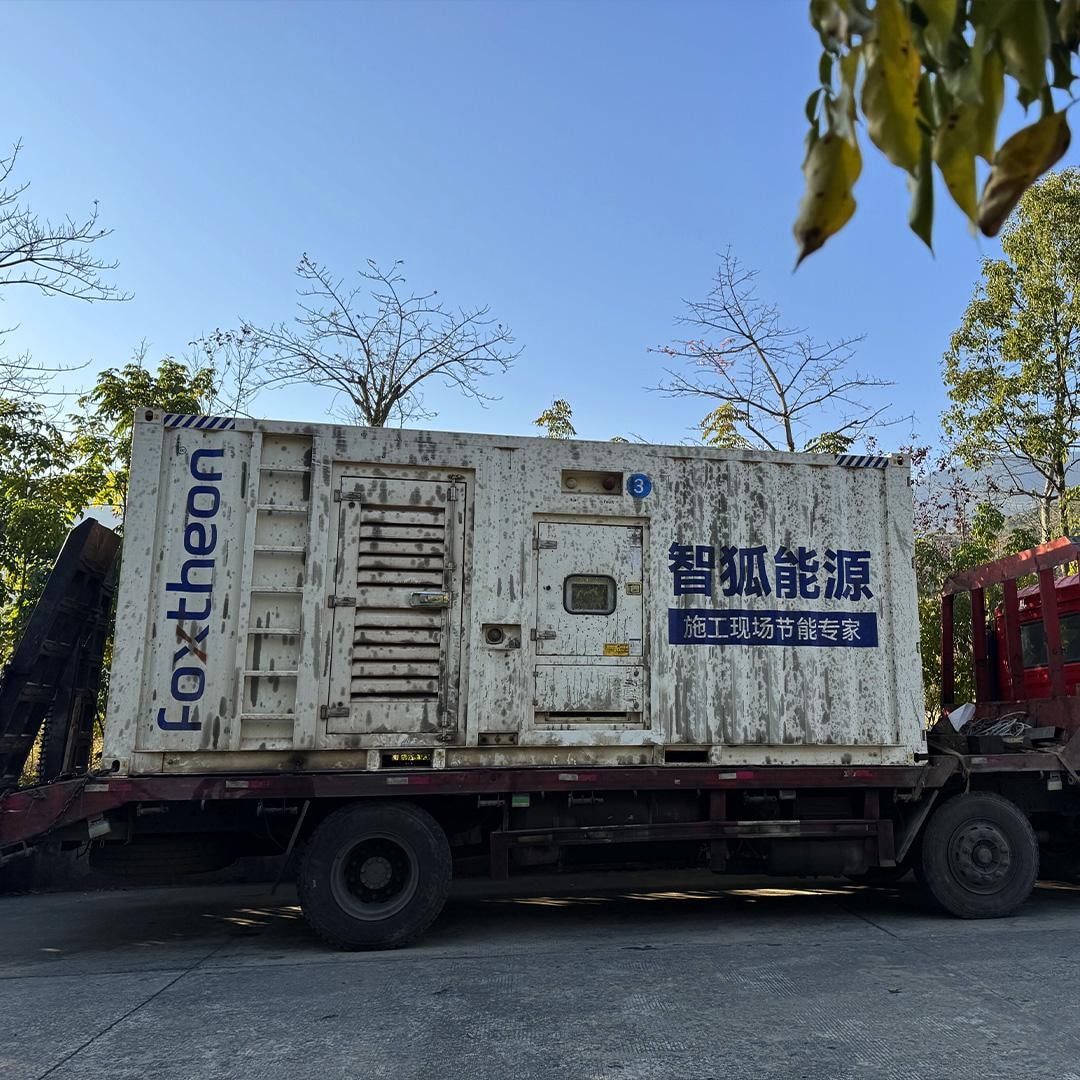
Access to reliable electricity is the backbone of modern field operations. Whether it is a geological survey team in the mountains or a medical relief unit in a disaster zone, the need for consistent power is non-negotiable. For a long time, the only answer was the small gasoline generator. These were noisy, required constant refueling, and were prone to mechanical failure.
The landscape of international intelligent energy solutions is changing. Operators are moving away from fossil-fuel dependence toward smarter, cleaner alternatives. In this transition, the Foxtheon P150 has emerged as a significant tool for professionals.
It is designed to bridge the gap between consumer-grade power banks and heavy industrial generators. This article explores how this compact system is reshaping how mobile teams access energy, focusing on its architecture, applications, and long-term viability.
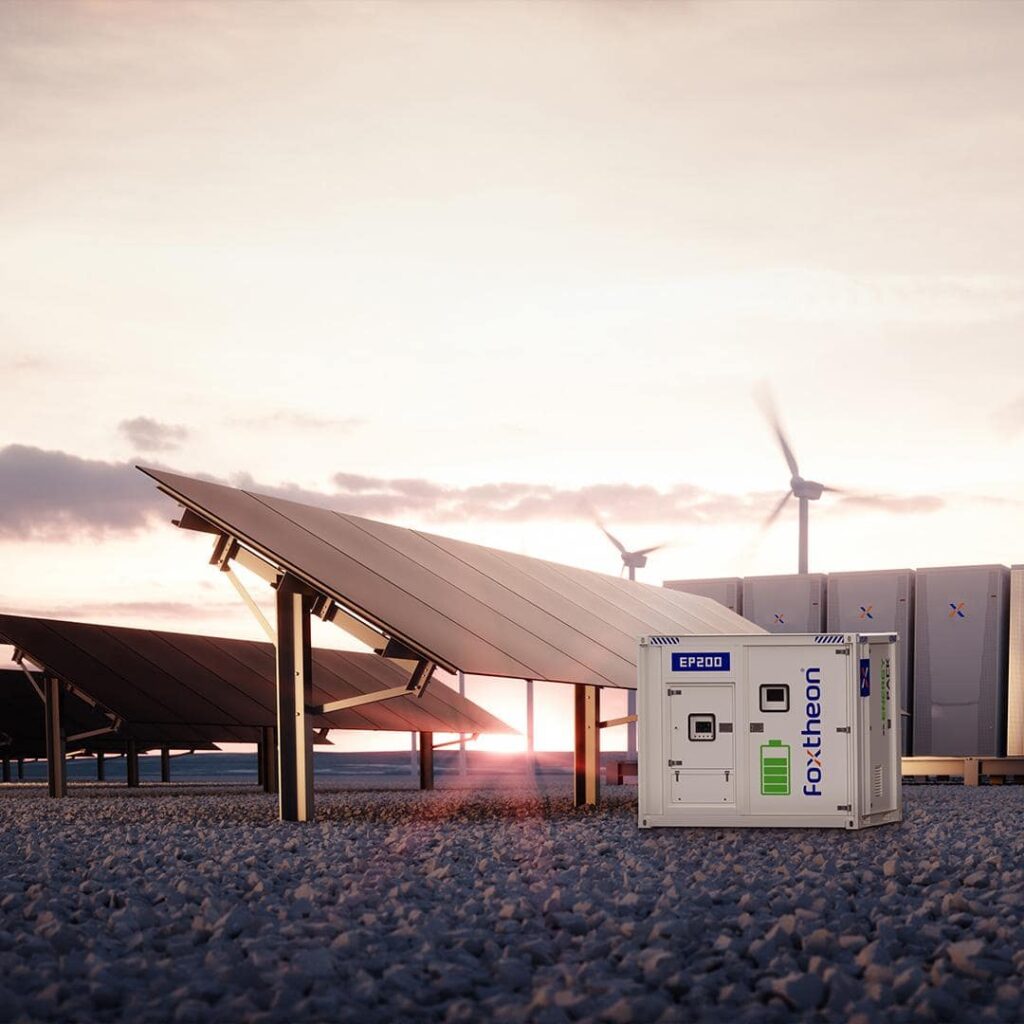
The Role of the Foxtheon P150 in Modern Energy
To understand the value of this unit, we have to look at the specific gap it fills. Large construction sites might have massive containerized batteries. Individuals might have small phone chargers. But there is a “middle mile” of energy needs that is often ignored.
This is where the Foxtheon P150 operates. It is engineered for scenarios where portability is as important as capacity. Unlike heavy diesel units that require a truck to move, this system is designed for rapid deployment. It fits into the logistics of a fast-moving team while providing enough throughput to run essential equipment like power tools, communication arrays, or medical fridges.
Moving Beyond Consumer Electronics
There is a distinct difference between a battery built for a camping trip and one built for a job site. The former prioritizes aesthetics and weight; the latter must prioritize cycle life and thermal stability.
The architecture of this unit reflects an industrial mindset. It is built to withstand the rigors of daily use. The casing is reinforced, and the internal components are shock-mounted. This ensures that the vibration from transport in a 4×4 vehicle does not damage the connection points or the battery management system (BMS).
Intelligent Energy Management
The “intelligent” part of modern energy solutions refers to software. A battery is just a chemical storage tank. The efficiency comes from how that energy is dispensed.
This system utilizes advanced algorithms to monitor output. It balances the load to prevent overheating and optimizes the charging curve. This protects the lifespan of the cells inside, ensuring the asset remains profitable for years rather than months.
Key Features of the Foxtheon P150
When evaluating portable power for professional use, specs on a sheet only tell half the story. The real value lies in how those features translate to field utility.
High-Density Storage Chemistry
The choice of battery chemistry is critical. Older lead-acid systems were heavy and had short lifespans. The Foxtheon P150 typically leverages Lithium Iron Phosphate (LiFePO4) technology.
This chemistry offers two distinct advantages for international operators. First, it is thermally stable, meaning it has a much lower risk of overheating compared to standard lithium-ion. Second, it allows for thousands of discharge cycles. A team can drain and recharge the unit daily for years without significant capacity loss.
Versatile Input and Output
A major challenge in remote areas is finding a way to recharge. The grid is often unavailable. This unit is designed with input versatility in mind. It can accept charge from solar panels, vehicle alternators, or a standard AC outlet if available.
On the output side, it manages both AC and DC loads. This allows it to power sensitive laptops and rugged power tools simultaneously. The pure sine wave output is crucial here; it ensures that delicate electronics do not suffer from the “dirty power” often associated with cheap gas generators.
Real-World Applications
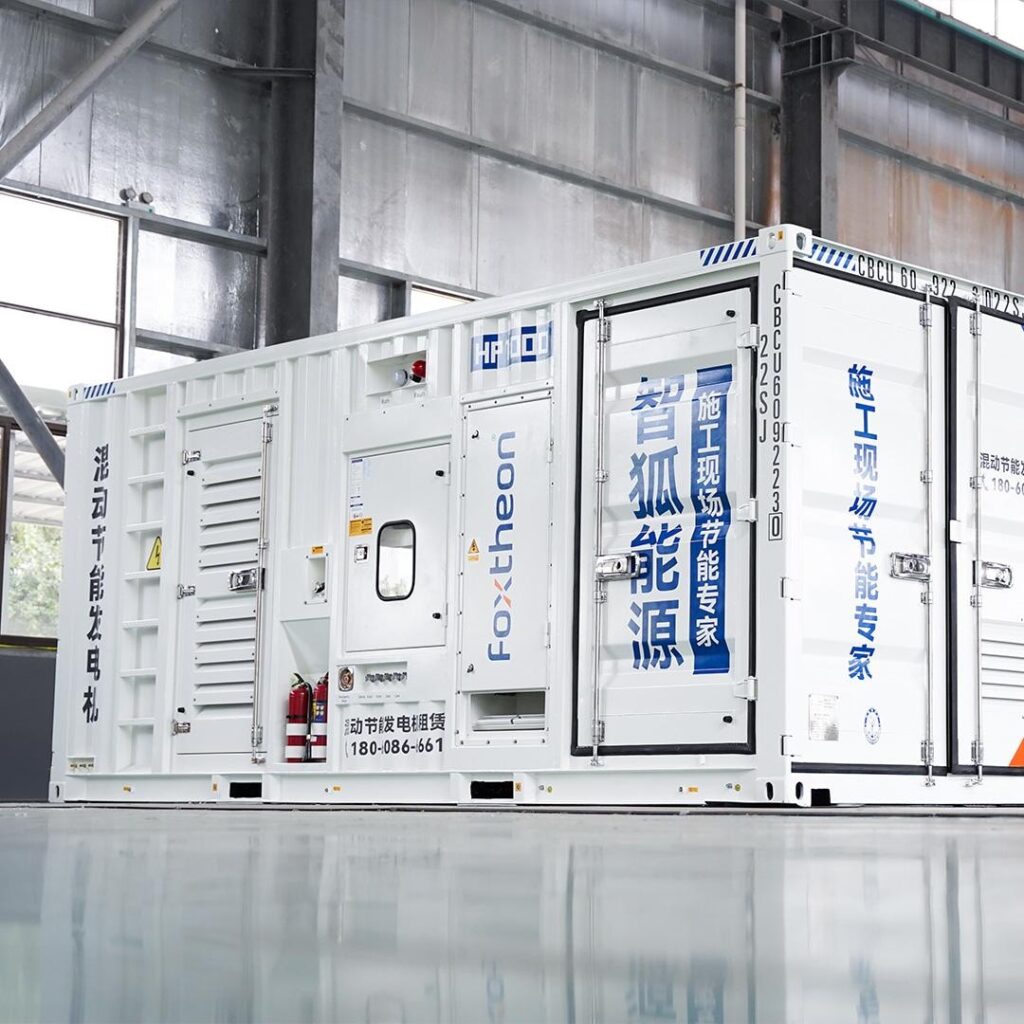
Who actually uses the Foxtheon P150? The user base is diverse, reflecting the universal need for mobile power.
Disaster Relief and Emergency Response
When a hurricane or earthquake hits, the power grid is often the first thing to fail. First responders need immediate electricity to set up command centers, charge radios, and power LED floodlights.
Hauling liquid fuel into a disaster zone is a logistical nightmare. It takes up valuable space in transport vehicles. This compact energy unit offers a solution. It can be deployed instantly. If paired with portable solar panels, it creates a self-sustaining microgrid that does not require a fuel supply chain.
Remote Telecommunications and Surveying
Telecom engineers often work on towers located on mountain peaks or in dense forests. hauling a heavy generator up a trail is dangerous and exhausting.
The lightweight nature of this system allows technicians to carry their power source to the site. It provides enough capacity to run diagnostic equipment and fusion splicers for fiber optic cables. Once the job is done, it is easily packed away, leaving no fumes or noise behind.
Film and Media Production
The media industry is under increasing pressure to reduce its carbon footprint. Running diesel generators for on-location shoots is becoming unacceptable in many jurisdictions due to noise and pollution.
Media crews use the unit to power cameras, monitors, and lighting rigs. The silent operation is a massive benefit, allowing for audio recording without the background hum of an engine.
Cost Efficiency and Environmental Impact
Adopting green technology is often seen as a cost burden. However, when analyzing the Total Cost of Ownership (TCO), the Foxtheon P150 often outperforms traditional combustion engines.
Eliminating Fuel and Maintenance Costs
A gas generator is cheap to buy but expensive to own. You pay for fuel every time you use it. You pay for oil changes, spark plugs, and filter replacements. Mechanical parts break and need repair.
With a battery system, the operating cost is near zero. If charged via solar, the energy is free. There are no moving parts to wear out. Over a three-year period, these savings can exceed the initial purchase price of the unit.
Carbon Credits and Corporate Responsibility
Companies operating globally must adhere to various environmental standards. Using zero-emission power sources helps meet ESG (Environmental, Social, and Governance) goals.
For Foxtheon, creating products that align with these global standards is a core mission. By deploying these units, companies can tangibly demonstrate their commitment to sustainability. This is often a requirement for winning government contracts in the European and North American markets.
Integrating the Foxtheon P150 into Microgrids
The future of energy is decentralized. We are moving away from a single massive power plant toward millions of small, interconnected power sources.
The Solar Generator Concept
While the unit can be charged from a wall outlet, its true potential is unlocked when paired with photovoltaics. In this configuration, it becomes a solar generator.
For long-term field camps, this setup is ideal. The panels harvest energy during the day, and the Foxtheon P150 stores it for night use. This cycle can repeat indefinitely as long as there is sunlight. It reduces the reliance on fuel drops, which are often the most expensive part of a remote expedition.
Scalability and Redundancy
For critical missions, redundancy is key. Relying on a single power source is risky. Because these units are compact, teams can easily carry two.
If one unit is damaged or depleted, the second takes over. This level of redundancy was previously difficult to achieve with generators due to their size and weight. Now, it is a standard operating procedure for many professional teams.
Durability and Design Philosophy
Equipment failure in the field costs money. If a power source dies, work stops. The design philosophy behind this system prioritizes ruggedness.
Thermal Management
Heat is the enemy of electronics. In hot climates, batteries can degrade quickly. The unit features an active thermal management system. It uses fans and heat sinks to dissipate thermal energy efficiently.
This allows the system to operate in high-temperature environments, such as desert construction sites, without shutting down due to thermal overload. Conversely, in cold environments, the BMS prevents charging if the temperature drops below freezing, preventing permanent damage to the lithium cells.
User Interface and Usability
Complexity causes errors. In a high-pressure environment, an operator does not want to navigate through ten menu screens just to turn on the AC output.
The interface is streamlined. Critical information—State of Charge (SOC), input wattage, and output wattage—is displayed clearly. Physical buttons are used for main functions, which are easier to operate while wearing work gloves than touchscreens.
The Future of Portable Industrial Power
As battery technology improves, energy density will increase. We will see smaller units holding even more power. However, the form factor of the Foxtheon P150 represents a sweet spot for current technology.
It balances weight, capacity, and cost effectively. It signifies a shift in how industries view power. It is no longer a commodity to be burned; it is an asset to be managed.
International intelligent energy solutions are not just about massive grid-scale projects. They are also about the small, mobile units that empower the workforce at the edge of the network.
By adopting these technologies, businesses are not just saving money on fuel. They are improving the working conditions of their teams. They are removing the noise and exhaust fumes that cause fatigue. They are increasing reliability.
Foxtheon continues to push the boundaries of what is possible in this space. As the world electrifies, the reliance on smart, portable storage will only grow. The ability to carry a reliable power plant in one hand is no longer science fiction; it is a daily reality for professionals around the globe.
Frequently Asked Questions
Q1: What is the primary battery technology used in the Foxtheon P150?
A1: The unit utilizes Lithium Iron Phosphate (LiFePO4) battery cells. This chemistry is selected for its superior safety profile, thermal stability, and long cycle life, making it much more durable for industrial use than standard consumer-grade lithium-ion batteries.
Q2: Can the Foxtheon P150 be charged while it is powering other devices?
A2: Yes, the system supports “pass-through charging.” This allows you to connect a power source, such as a solar panel or AC wall outlet, to the input while simultaneously drawing power from the output ports to run your equipment.
Q3: Is the unit waterproof or water-resistant?
A3: The system is designed with a ruggedized enclosure suitable for outdoor field use, typically offering resistance to dust and light splashes. However, it is not submersible. It is important to check the specific IP (Ingress Protection) rating in the user manual before exposing it to heavy rain or wet conditions.
Q4: How long does it take to fully recharge the unit using solar panels?
A4: Charging time varies depending on the wattage of the solar panels used and the intensity of the sunlight. With optimal sun conditions and the maximum allowable solar input wattage, the unit can typically be recharged in 3 to 6 hours.
Q5: What kind of maintenance does the Foxtheon P150 require?
A5: Unlike gas generators, this system requires very little maintenance. There are no fluids to change or moving parts to grease. The primary maintenance recommendation is to keep the firmware updated if applicable, keep the vents clean of dust, and store the unit with a partial charge (around 50-60%) if it will not be used for an extended period.