
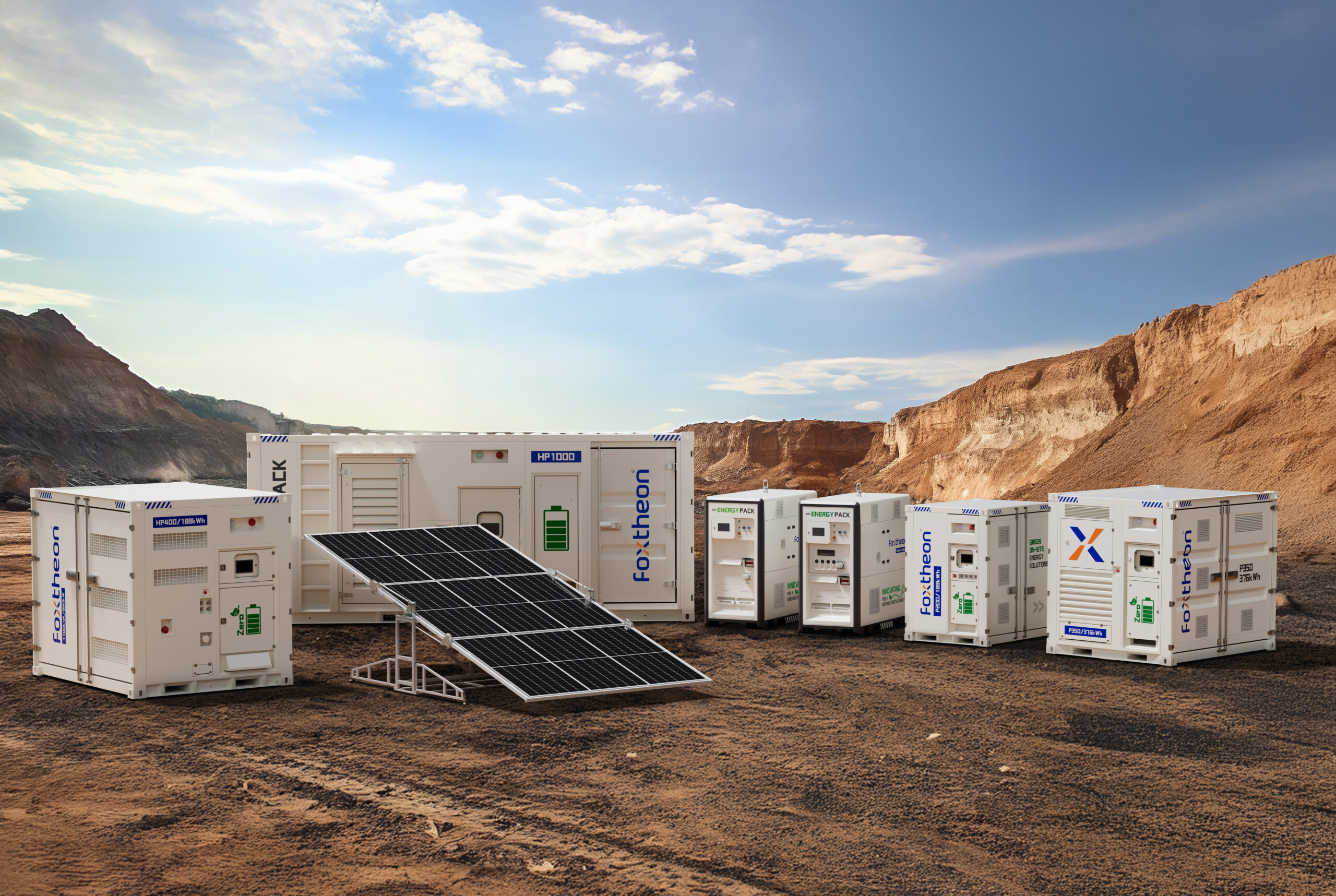
Operating remote power systems efficiently is a primary goal for site managers across the globe. One of the most significant challenges in off-grid power generation is the interaction between diesel generators and climate control systems. Facility managers constantly seek ways to reduce generator cycling HVAC loads create, as this specific issue drives up operational costs significantly.
When an HVAC compressor kicks on, it demands a massive surge of power. A standard generator must be sized to handle this peak, even if the average load is much lower. Once the room cools down, the compressor turns off, and the generator is left running with almost no load. This start-stop nature forces the engine to cycle frequently or run inefficiently.
Leading energy solution providers, such as Foxtheon, have identified this inefficiency as a major money pit for industrial and commercial sectors. By implementing smart energy storage and hybrid technologies, businesses can stabilize their power supply. The objective is simple: reduce generator cycling HVAC systems cause, thereby saving fuel and protecting expensive hardware.
Understanding Why You Must Reduce Generator Cycling HVAC
To solve the problem, we must first understand the mechanics behind it. Generators are designed to run best at a constant load, typically between 60% and 80% of their rated capacity. They do not like fluctuation.
HVAC systems are the opposite. They are binary; they are either on and working hard, or they are off. When an air conditioner cycles on, the generator must ramp up immediately. When it cycles off, the generator engine cools down and creates soot and unburned fuel deposits.
This phenomenon is often called “wet stacking.”
Wet Stacking: Unburned fuel accumulates in the exhaust system.
Glazing: Cylinder walls become coated, reducing compression.
Carbon Buildup: Injectors clog, leading to poor performance.
If you do not take steps to reduce generator cycling HVAC stress, you will face increased maintenance schedules. Instead of servicing a generator every 500 hours, you might find yourself changing oil and filters every 250 hours. This doubles your maintenance labor and parts cost.
Hybrid Power Solutions to Reduce Generator Cycling HVAC
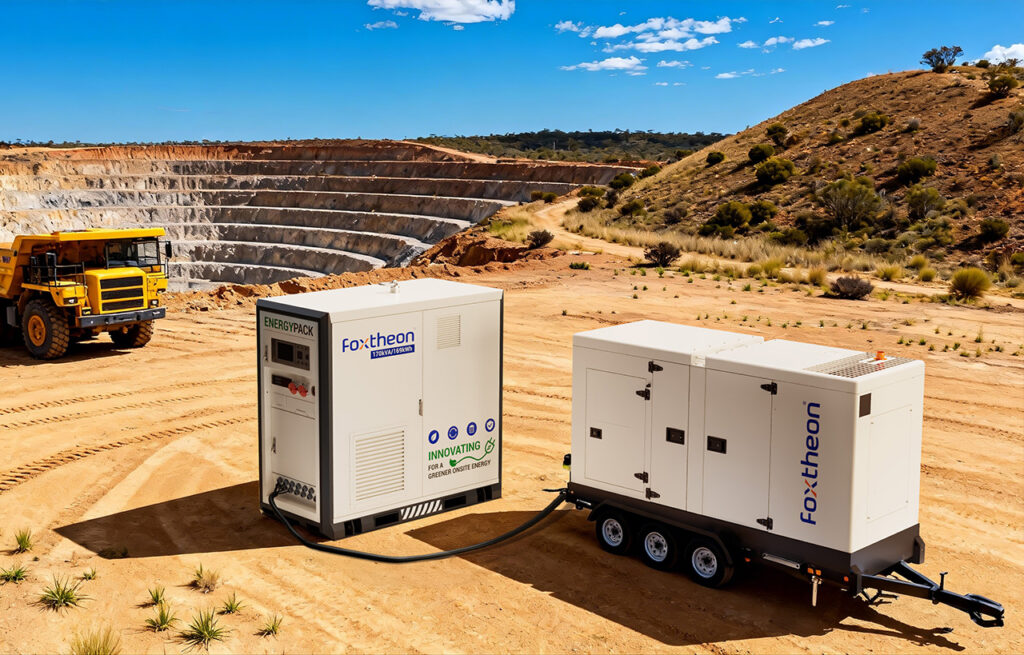
The most effective method to combat this issue is the introduction of a Battery Energy Storage System (BESS). A hybrid setup places a battery between the generator and the HVAC load. This is the core technology that allows operators to reduce generator cycling HVAC issues.
Here is how it works:
The Buffer: The battery acts as a buffer. When the HVAC starts, the battery provides the instant surge of power (inrush current).
Peak Shaving: The generator does not feel the spike. It continues to run at a steady, efficient rate to recharge the battery.
Silent Running: When the battery is full, the generator turns off completely. The battery runs the HVAC fans and compressors independently.
By using this method, the generator runs fewer hours per day but runs more efficiently when it is on. You effectively reduce generator cycling HVAC triggers by decoupling the generation source from the erratic load.
Technical Steps to Reduce Generator Cycling HVAC
Implementing a solution requires more than just buying a battery. It requires a systemic approach to power management. Engineers must analyze the load profile of the specific site to ensure the system is sized correctly to reduce generator cycling HVAC impacts.
Battery Chemistry Selection:
Lithium Iron Phosphate (LFP) is currently the standard for these applications.
Safety: High thermal stability.
Cycle Life: Can handle the frequent charge/discharge of HVAC usage.
Depth of Discharge: Can be drained deeply without damage.
Inverter Sizing:
The inverter must be capable of handling the “Locked Rotor Amps” (LRA) of the HVAC unit. If the inverter is too small, the generator will still have to start up to assist, which defeats the purpose. A robust inverter allows the system to reduce generator cycling HVAC demand requires.
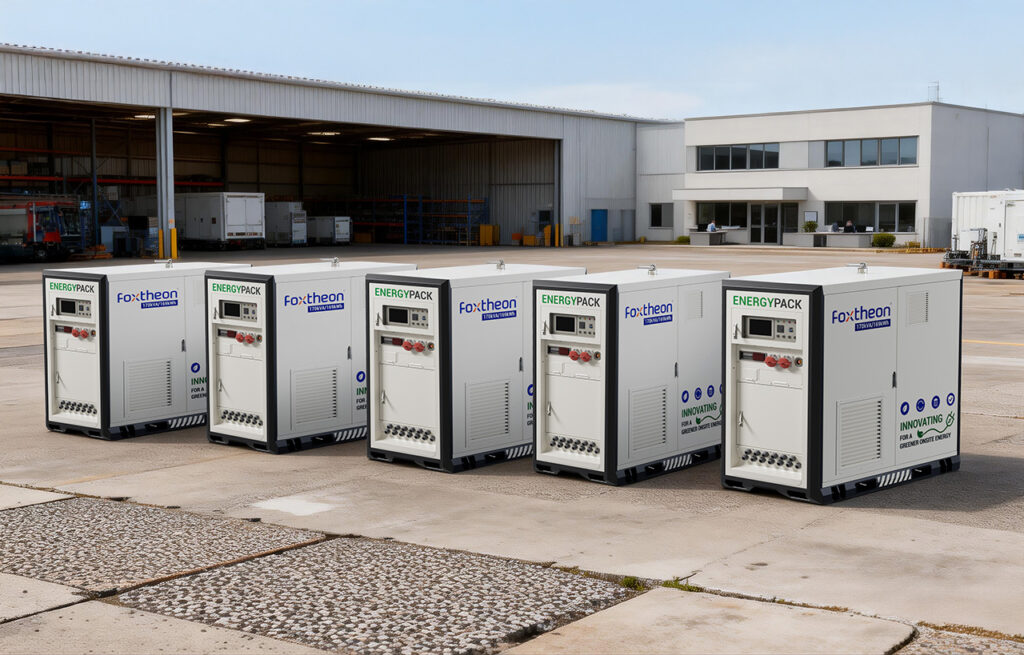
Companies like Foxtheon specialize in integrated cabinets that house both the battery and the hybrid inverter. Their systems are pre-programmed to prioritize battery usage for high-inrush loads, ensuring the generator remains off for as long as possible.
Financial Benefits When You Reduce Generator Cycling HVAC
The return on investment (ROI) for hybrid systems is compelling. While the upfront cost of a BESS is higher than a standalone generator, the operational expenditure (OPEX) drops dramatically when you successfully reduce generator cycling HVAC events.
Fuel Savings:
A generator running at low load is inefficient. It burns fuel just to keep the engine turning. By allowing the generator to shut off while the battery powers the HVAC, fuel consumption can drop by 40% to 60%.
Extended Engine Life:
Generators have a finite lifespan, usually measured in engine hours.
Standard Operation: Generator runs 24 hours/day = 8,760 hours/year.
Hybrid Operation: Generator runs 8 hours/day = 2,920 hours/year.
By implementing strategies to reduce generator cycling HVAC effects, you can extend the life of a generator from 3 years to nearly 10 years. This delays the massive capital expense of buying a new generator.
Utilizing Soft Starters to Reduce Generator Cycling HVAC
Beyond batteries, another hardware addition can help reduce generator cycling HVAC strain. This device is called a “soft starter.”
Direct-on-line (DOL) starters apply full voltage to the motor instantly, causing a massive current spike (often 6 to 8 times the running current). A soft starter ramps up the voltage gradually over a few seconds.
Benefits of Soft Starters:
Lower Inrush Current: Reduces the spike to 2 or 3 times the running current.
Mechanical Stress: Less torque stress on the compressor belts and bearings.
Generator Sizing: Allows you to use a smaller generator or inverter.
When combined with a battery system, soft starters make it much easier to reduce generator cycling HVAC loads. The battery doesn’t need to work as hard to start the AC, meaning you can get by with a smaller, less expensive battery bank.
Comparisons: Oversizing vs. Methods to Reduce Generator Cycling HVAC
Traditionally, the “solution” to HVAC loads was simply to buy a massive generator. If an HVAC unit required 10kW to run but 30kW to start, the site manager would buy a 40kW generator.
The Oversizing Trap:
High CapEx: You pay for 40kW of capacity you rarely use.
Wet Stacking: The generator runs at 25% load most of the time.
Fuel Waste: Big engines burn more fuel even at idle.
The Modern Approach:
The modern approach to reduce generator cycling HVAC problems is “right-sizing.” You buy a 12kW generator and a 10kWh battery.
Efficiency: The 12kW generator runs at 90% load to charge the battery.
Power Density: The battery handles the 30kW startup spike.
Savings: Much lower fuel burn and purchase price.
This comparison clearly shows that using storage to reduce generator cycling HVAC demands is superior to the old method of brute-force oversizing.
Key Industries That Need to Reduce Generator Cycling HVAC
Several industries operate in off-grid environments where this technology is critical.
Telecommunications:
Cell towers often have small shelter AC units. These run intermittently 24/7. A hybrid system is standard here to reduce generator cycling HVAC creates, ensuring the tower stays online without constant refueling trips.
Construction and Mining:
Site offices and trailers need cooling. These sites are temporary and rely on diesel. Switching to hybrid generators to reduce generator cycling HVAC allows these sites to reduce their carbon footprint and noise pollution.
Remote Residential:
Off-grid homes rely on silence. A generator turning on every time the fridge or AC runs is disruptive. Homeowners invest in these systems to reduce generator cycling HVAC noise as much as for the cost savings.
Choosing Vendors to Help Reduce Generator Cycling HVAC
Finding the right partner is essential. The market is full of generic battery suppliers, but few understand the specific dynamics of motor loads. When looking for a vendor to help you reduce generator cycling HVAC issues, look for specific expertise.
Evaluation Criteria:
Inverter Surge Capacity: Can their equipment sustain the surge for 5-10 seconds?
Integration: Do they offer an all-in-one box (battery + inverter + MPPT)?
Software: Does the software allow for “generator auto-start” based on battery voltage?
Foxtheon stands out in this regard by offering ruggedized solutions specifically designed for construction and industrial applications. Their units are built to withstand the harsh environments where these generators live. Choosing a brand that understands the goal—to reduce generator cycling HVAC wear—ensures you get a system that lasts.
Maintenance Considerations for Hybrid Systems
Once you install a system to reduce generator cycling HVAC cycling, the maintenance profile changes. You spend less time on the engine and more time monitoring the battery health.
Battery Management System (BMS):
The BMS is the brain. It balances the cells and ensures safety. You should check BMS logs remotely to ensure the cells are balanced.
Check Connections: Vibration can loosen battery cables.
Clean Filters: Inverters have cooling fans; keep them clean.
Firmware Updates: Manufacturers often release updates to improve efficiency.
Even with these tasks, the total labor is far less than changing oil filters weekly. The move to reduce generator cycling HVAC dependency is a net win for maintenance teams.
The Role of Renewables
While the primary topic is generators, we cannot ignore solar power. Adding solar panels to the system further helps reduce generator cycling HVAC reliance on diesel.
During the day, solar can power the HVAC directly. The generator might not need to turn on at all until after sunset. The battery stores excess solar for the evening cooling loads.
Daytime: Solar runs HVAC + Charges Battery.
Evening: Battery runs HVAC.
Night/Cloudy: Generator runs briefly to recharge Battery.
This “Solar + Storage + Generator” triad is the ultimate way to reduce generator cycling HVAC fuel costs to the absolute minimum.
The inefficiency of running diesel engines to support intermittent cooling loads is a solved problem. We have the technology to stop this waste. By integrating battery storage and intelligent controls, facility managers can significantly reduce generator cycling HVAC loads cause.
The benefits are undeniable: lower fuel bills, reduced carbon emissions, longer equipment life, and quieter operation. Whether you are managing a mining camp, a telecom tower, or a construction site, the strategy remains the same. You must decouple the load from the source.
As brands like Foxtheon continue to innovate with higher density batteries and smarter inverters, the barrier to entry lowers. There is no longer a financial excuse to ignore this upgrade. Acting now to reduce generator cycling HVAC issues is one of the smartest operational decisions a business can make in the current energy landscape.
Frequently Asked Questions
Q1: What exactly is “short cycling” in a generator context?
A1: Short cycling refers to the generator turning on and off frequently for short periods, or running for a short time before reaching optimal operating temperature. To reduce generator cycling HVAC systems cause, we want to avoid this because it prevents the engine from burning fuel cleanly, leading to maintenance issues like wet stacking.
Q2: How much fuel can I save if I use batteries to reduce generator cycling HVAC?
A2: Savings vary by load profile, but typical results show a 40% to 60% reduction in diesel consumption. By using the battery for low loads and startup spikes, the generator only runs when it can be fully loaded and efficient, which is the key way to reduce generator cycling HVAC costs.
Q3: Do I need to replace my existing generator to use this solution?
A3: Not necessarily. In many cases, you can retrofit a Battery Energy Storage System (BESS) to your existing generator. The battery connects to the distribution panel. However, to fully reduce generator cycling HVAC inefficiencies, you might eventually want to downsize the generator to a smaller, more efficient model that matches the battery charging rate.
Q4: Can this technology work with heat pumps as well as air conditioners?
A4: Yes. Heat pumps and air conditioners use similar compressor technology with high inrush currents. The strategy to reduce generator cycling HVAC applies to both heating and cooling. The battery absorbs the startup spike for the heat pump just as it does for an AC unit.
Q5: What happens if the battery runs out of power?
A5: Advanced hybrid systems are automated. If the battery state-of-charge (SoC) drops too low, the system automatically sends a start signal to the generator. The generator turns on, powers the load, and recharges the battery simultaneously. This automation ensures reliable power while still working to reduce generator cycling HVAC runtime.