
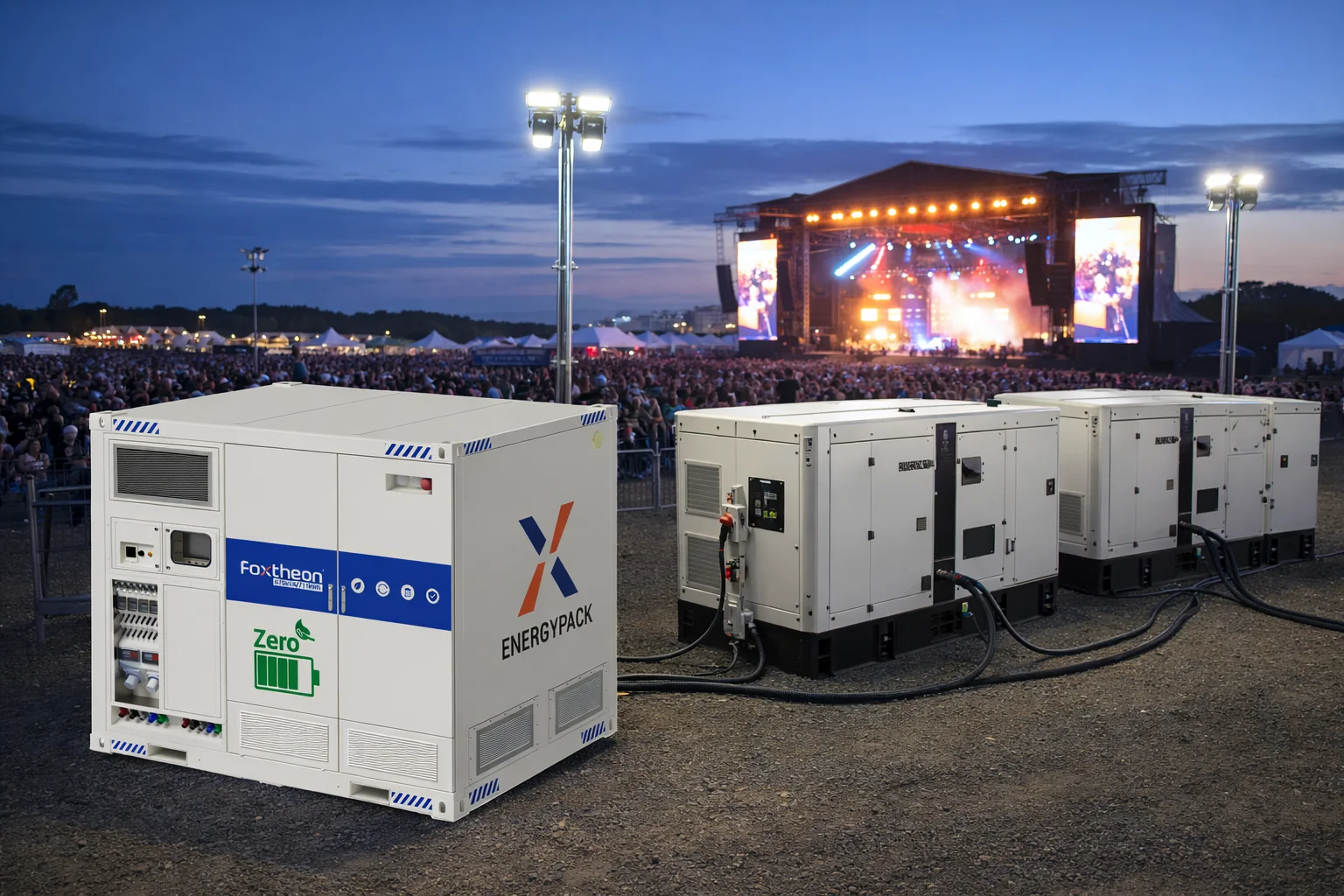
The global energy infrastructure is undergoing a significant transition toward decentralized and modular power solutions. For industrial operators and utility providers, the objective remains constant: ensuring reliable power delivery while optimizing operational expenditures. Traditional internal combustion engines have long served as the backbone of off-grid power, yet they face inherent limitations in efficiency, particularly during low-load conditions. The emergence of integrated energy storage and generation systems represents a sophisticated response to these challenges, leading many engineers to redefine what constitutes the best hybrid generator for commercial applications.
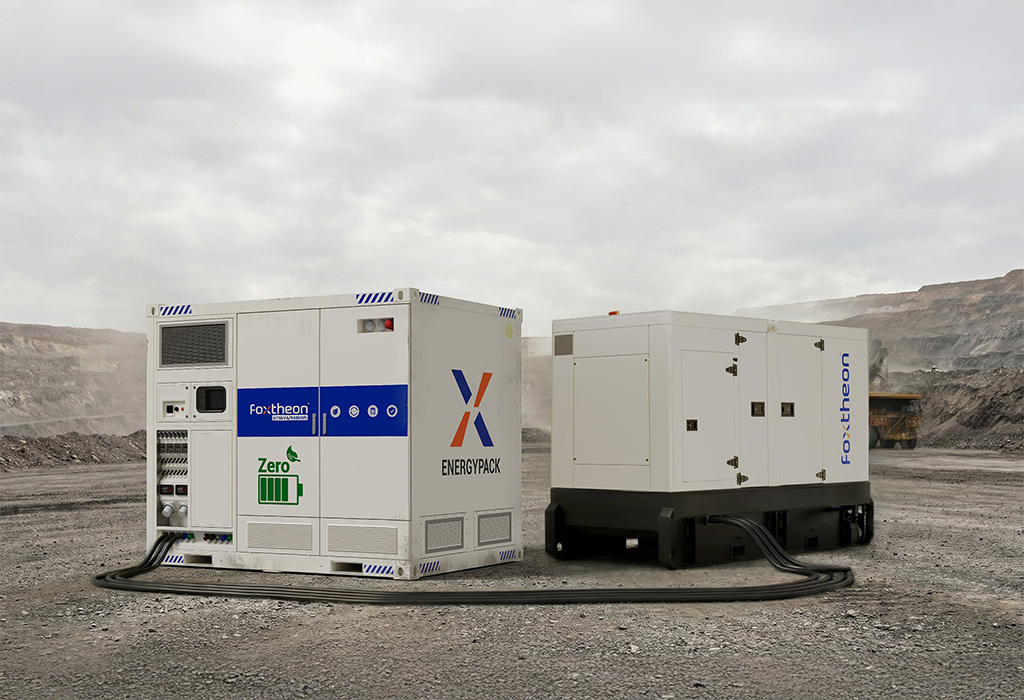
The Technical Architecture of Hybrid Energy Solutions
A high-performance hybrid system is not merely a battery connected to a diesel engine. It is a complex ecosystem comprising several primary subsystems that must operate in perfect synchronization. Understanding these components is fundamental to evaluating the efficiency of any power asset.
- Internal Combustion Engine (ICE): Usually a diesel or gas engine optimized for steady-state operation. In a hybrid configuration, the engine is sized to meet the average load or to provide high-speed charging to the energy storage unit rather than being sized for peak transient surges.
- Battery Energy Storage System (BESS): Utilizing advanced Lithium Iron Phosphate (LiFePO4) chemistry, this unit handles the initial load response and provides the “silent” power during periods of low demand.
- Bi-Directional Power Conversion System (PCS): This component manages the flow of electricity between AC and DC circuits, ensuring that power quality—including voltage and frequency stability—remains within strict tolerances.
- Energy Management System (EMS): The intelligence layer that determines when to draw power from the battery, when to start the engine, and how to optimize fuel consumption based on real-time load profiles.
When selecting the best hybrid generator, the sophistication of the EMS is often the deciding factor. A superior EMS can predict load patterns and maintain the engine within its optimal fuel-efficiency curve, often referred to as the “sweet spot” of specific fuel consumption (SFC).
Addressing Structural Inefficiencies in Traditional Power Assets
One of the most persistent issues in the power generation sector is “wet stacking” or “glazing.” This occurs when a diesel engine operates at low loads (typically below 30% of its rated capacity) for extended periods. Incomplete combustion leads to unburned fuel and soot accumulating in the exhaust system, which degrades the engine and increases maintenance frequency.
Foxtheon designs systems that effectively mitigate this risk. By utilizing a battery buffer, the engine is either running at its peak efficiency to carry heavy loads and recharge batteries, or it is shut down entirely. This operational logic extends the lifecycle of the engine and significantly reduces the intervals between major overhauls.
Load Following and Transient Response
Traditional generators often struggle with sudden “step loads”—large, instantaneous increases in power demand, such as starting a heavy motor or industrial compressor. To compensate, many operators specify oversized generators, which further exacerbates the low-load efficiency problem. The best hybrid generator solves this through “Peak Shaving” or “Power Boosting.” The battery provides the immediate high-current burst required for transient loads, allowing the engine to ramp up gradually or remain at a steady, efficient RPM.
Key Metrics for Evaluating Hybrid Performance
In the B2B sector, procurement decisions are driven by data and measurable performance indicators. When analyzing the best hybrid generator for a specific project, the following metrics are paramount:
1. Fuel Displacement Ratio
This measures the percentage of fuel saved compared to a standalone diesel unit under the same load profile. High-tier systems can achieve fuel displacement of 30% to 70% in variable load scenarios, such as telecom base stations or remote construction sites.
2. Engine Run-Time Reduction
Reducing the total hours an engine runs per year directly translates to lower maintenance costs and higher resale value of the asset. Modern hybrid systems can reduce engine run-time by over 50% in many remote applications.
3. Depth of Discharge (DoD) and Cycle Life
The longevity of the energy storage component is vital. Systems that utilize high-quality LiFePO4 cells with sophisticated Battery Management Systems (BMS) offer better long-term value, as they can withstand thousands of cycles without significant capacity degradation.
Application Scenarios: Where Hybrid Logic Excels
The versatility of integrated power systems allows them to function across a wide array of demanding environments. The best hybrid generator is one that can be configured to meet the specific nuances of each industry.
Telecommunications and Remote Infrastructure
Off-grid telecom towers often require continuous but relatively low levels of power. Running a 20kVA generator 24/7 to support a 3kW load is economically inefficient. A hybrid system allows the engine to run for just a few hours a day to charge the batteries, which then provide silent, efficient power for the remaining 20 hours.
Temporary Construction and Mining
Construction sites have highly fluctuating power demands, with peaks during the day and minimal requirements at night (for security lighting and basic site offices). Foxtheon provides solutions that handle these fluctuations seamlessly, ensuring that power is always available without the noise and fuel waste of a constantly running engine during nighttime hours.
Microgrid Integration and Renewables
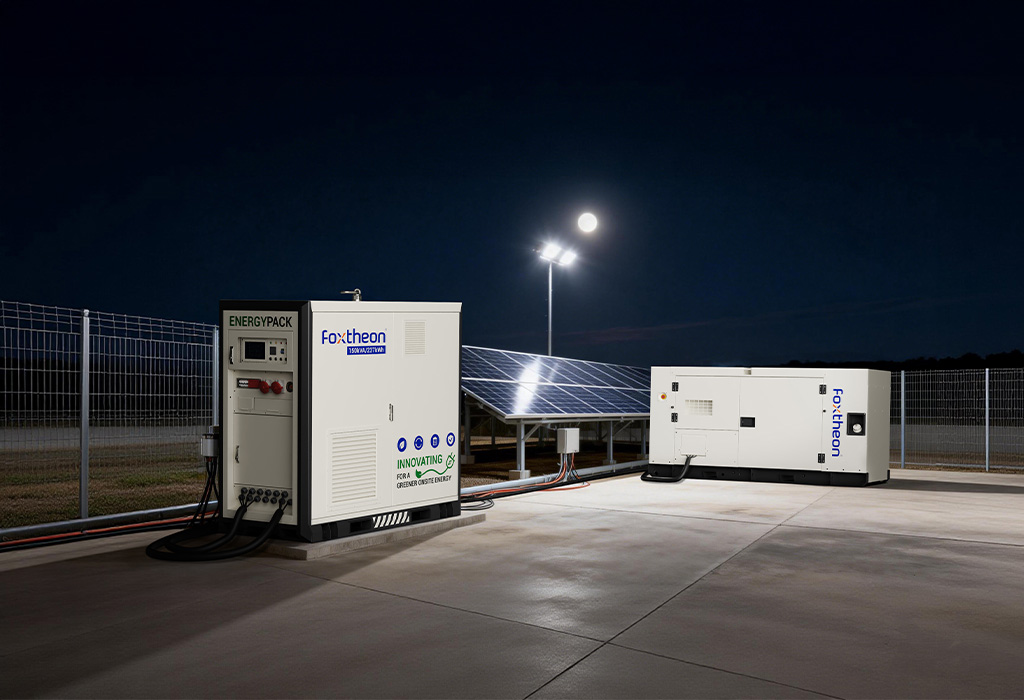
As organizations incorporate solar PV and wind into their energy mix, the role of the generator changes from a primary power source to a backup and balancing asset. The best hybrid generator acts as a microgrid controller, harmonizing renewable input, battery storage, and mechanical generation to maintain grid stability.
Logistical and Operational Advantages
Beyond the technical specifications, the shift toward hybrid systems provides significant logistical relief. In remote operations, the cost of transporting fuel—often referred to as the “fully burdened cost of fuel”—can be several times the actual pump price. By reducing fuel consumption, companies can reduce the frequency of fuel deliveries, lowering the risk of supply chain disruptions and the environmental hazards associated with fuel transport.
Furthermore, noise regulation compliance is becoming stricter in urban and residential areas. Hybrid systems offer a “Silent Mode” capability, where the engine is inhibited during specific hours, and the battery carries the load. This allows for 24-hour operation in noise-sensitive zones without violating local ordinances.
Economic Analysis: Total Cost of Ownership (TCO)
While the initial capital expenditure (CAPEX) for a hybrid system is generally higher than that of a traditional generator, the Total Cost of Ownership over a 3-to-5-year period reveals a different story. The reduction in fuel costs, combined with significantly lower maintenance intervals (fewer oil changes, filter replacements, and engine rebuilds), typically results in a rapid return on investment (ROI).
When engineering teams evaluate the best hybrid generator, they must look at the lifecycle value. A system that integrates high-efficiency power electronics and robust battery chemistry, such as those developed by Foxtheon, ensures that the asset remains operational with minimal downtime, providing a more stable and predictable cost structure for the business.
Future-Proofing Through Modular Design
Scalability is a frequent pain point for growing industrial operations. A modular approach to hybrid power allows for the expansion of either battery capacity or generation capacity as demand increases. This avoids the need for complete system replacements. The best hybrid generator architecture supports this plug-and-play expansion, providing a future-proof foundation for evolving energy needs.
In conclusion, the transition to hybrid power is driven by the necessity for operational precision and resource management. By integrating advanced energy storage with reliable combustion technology, businesses can achieve a level of efficiency that was previously unattainable with traditional methods alone. The focus is no longer just on generating power, but on managing energy intelligently.
Frequently Asked Questions
Q1: How does a hybrid generator handle high-starting currents compared to traditional units?
A1: Hybrid systems utilize the instantaneous discharge capability of the battery bank to provide the necessary surge current. This allows the system to support heavy motor starts without the voltage dips often seen in traditional generators, and without the need to oversize the engine.
Q2: Is the maintenance of a hybrid system more complex than a standard generator?
A2: While there are more components (like the BESS and PCS), the overall maintenance burden is often lower. Because the internal combustion engine runs significantly fewer hours and stays within optimal temperature ranges, the mechanical wear is greatly reduced, leading to longer service intervals.
Q3: Can these systems operate in extreme environmental conditions?
A3: Yes, high-tier hybrid solutions are engineered with thermal management systems to protect battery chemistry and electronic components. They are housed in ruggedized, IP-rated enclosures suitable for desert heat, high altitudes, or coastal environments.
Q4: What is the typical lifespan of the battery component in a hybrid generator?
A4: Using Lithium Iron Phosphate (LiFePO4) technology, the battery can typically last between 3,000 and 6,000 cycles, depending on the depth of discharge and environmental factors. For most industrial applications, this equates to 5 to 10 years of reliable service.
Q5: Does a hybrid system require constant manual monitoring?
A5: No. Modern systems are equipped with advanced Energy Management Systems (EMS) and remote monitoring capabilities via IoT. They operate autonomously based on pre-set parameters, and performance data can be monitored via cloud-based dashboards.
Q6: How does the “Silent Mode” function work in residential or sensitive areas?
A6: The EMS can be programmed to prioritize battery discharge during specific “quiet hours.” The engine remains off as long as the battery state-of-charge is above a certain threshold, ensuring no noise or exhaust emissions are produced during those times.
Contact our technical consultancy team today to discuss your specific power requirements.
For detailed specifications on our integrated energy solutions and to receive a customized inquiry response, please reach out via our official communication channels.