
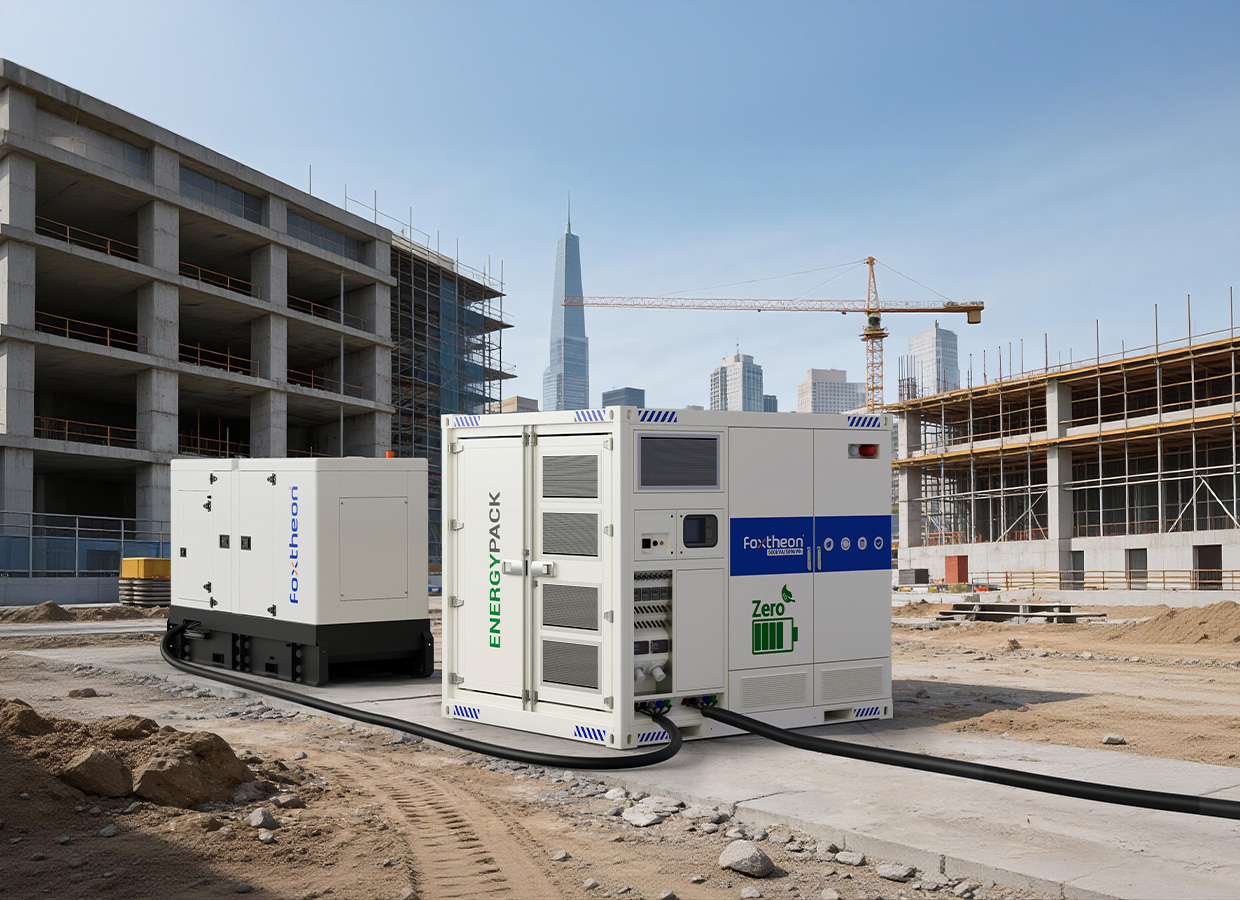
Relying entirely on a centralized utility grid is becoming a significant operational risk for many remote facilities and commercial operations. Severe weather events, aging infrastructure, and unpredictable rolling blackouts have forced engineers to rethink how they manage electricity. The modern approach focuses heavily on complete energy independence and rigorous hardware redundancy. In the realm of international smart energy solutions, brands like Foxtheon are actively pushing the boundaries of what independent energy architecture can achieve. If your operation cannot tolerate even a single minute of downtime, you need to design and implement a fail-safe off-grid power system from the ground up.
Core Principles of a Fail-Safe Off-Grid Power System
The concept of a fail-safe architecture goes far beyond just unhooking from the local utility company. It means engineering a setup where the failure of any single component does not result in a total loss of electricity.
Redundancy is the foundational pillar here. If a solar charge controller malfunctions, a secondary unit must seamlessly take over the load. If a battery string goes offline for maintenance, the remaining strings must easily support the facility.
Another vital principle is diverse energy generation. Relying solely on one method of power generation leaves you vulnerable to specific weather patterns or mechanical issues.
A truly resilient setup balances multiple generation sources with high-capacity storage and intelligent routing software. This multi-layered approach guarantees that electricity flows continuously to critical infrastructure, regardless of external conditions.
Step 1: Accurate Load Profiling and Energy Audits
Before purchasing a single piece of hardware, you must clearly define your electrical requirements. Guessing your power usage is the fastest way to experience unexpected blackouts.
Start by cataloging every electrical device in your facility. You need to calculate both the continuous running watts and the starting surge watts.
Surge watts are incredibly important. Equipment with heavy induction motors, such as air compressors, well pumps, and industrial HVAC units, can draw three to five times their normal running power for a brief fraction of a second when starting.
If your inverters are not sized to handle these sudden power spikes, the entire setup will trip and shut down to protect itself.
Engineers usually recommend monitoring your existing loads with a digital data logger for at least thirty days. This provides a realistic picture of your daily consumption patterns, peak usage hours, and seasonal variations.
Step 2: Diversifying Your Energy Generation Sources
Maximizing Solar Photovoltaic (PV) Yield
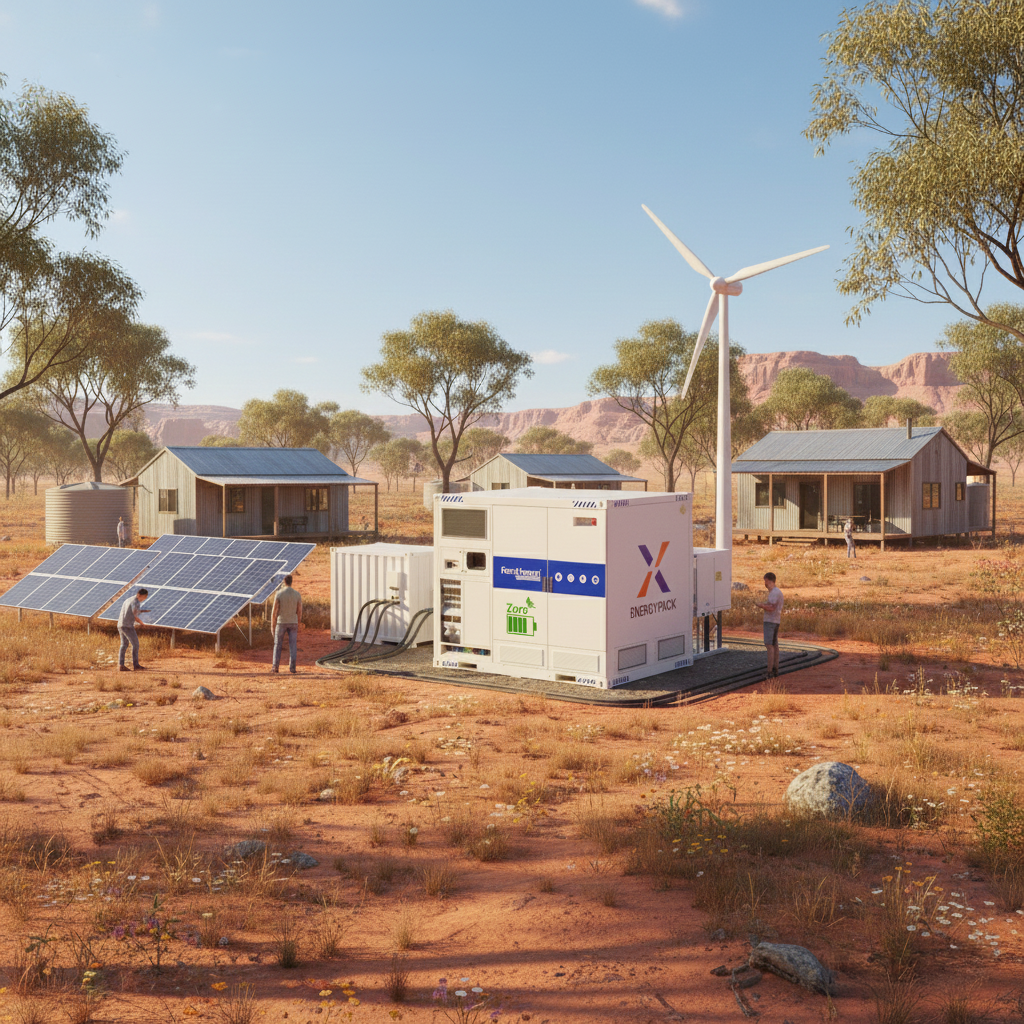
Solar panels form the backbone of most independent setups. For maximum reliability, it is highly recommended to oversize your solar array by at least thirty percent.
This over-sizing compensates for cloudy days, winter months with fewer daylight hours, and the natural degradation of solar cells over a twenty-year lifespan.
Using high-efficiency monocrystalline panels ensures you harvest the maximum amount of energy per square foot of roof or ground space.
Integrating Wind and Micro-Hydro
Solar power is highly predictable but entirely useless at night. This is where diverse generation becomes critical.
If your geographic location experiences consistent nighttime breezes, a small-scale commercial wind turbine is an excellent addition. Wind often picks up during winter storms when solar yield is at its lowest.
If your property has a constantly flowing stream, micro-hydro generation is the holy grail of independent power. Unlike wind or solar, water flows 24 hours a day, providing a steady, reliable base-load input to your charge controllers.
Step 3: Deploying High-Capacity Battery Storage
The Importance of Advanced Chemistry
Generation is only half the battle; storing that energy safely is where many systems fall short. The days of relying on massive banks of heavy lead-acid batteries are over.
Modern setups rely almost exclusively on Lithium Iron Phosphate (LFP) chemistry. LFP batteries offer massive advantages over older technologies. They have an incredible cycle life, often exceeding six thousand charge and discharge cycles before showing significant degradation.
They are also thermally stable, meaning the risk of a battery fire is virtually eliminated. This is where selecting top-tier hardware matters immensely. Industry innovators like Foxtheon engineer robust battery energy storage systems specifically designed for harsh, demanding environments.
Battery Management Systems (BMS)
A large battery bank is completely useless without an intelligent Battery Management System. The BMS acts as the central nervous system for your storage array.
It constantly monitors the voltage, temperature, and state of charge of every individual cell in the rack. If a cell begins to overheat or overcharge, the BMS will instantly isolate it to prevent damage.
A high-quality BMS also ensures that cells charge and discharge evenly. This active cell balancing dramatically extends the overall lifespan of the entire storage unit, ensuring your investment lasts for decades.
Step 4: Specifying Smart Hybrid Inverters
Your batteries store power in Direct Current (DC), but your facility runs on Alternating Current (AC). The inverter is the crucial bridge between these two formats.
For sensitive electronic equipment, servers, and medical devices, you must use a pure sine wave inverter. Modified sine wave inverters are cheaper, but they produce “dirty” power that can severely damage microprocessors over time.
A smart hybrid inverter does much more than just convert DC to AC. It acts as an intelligent traffic cop for your electricity.
It decides whether to route incoming solar power directly to the facility loads or divert it to charge the batteries. When the batteries reach full capacity, the inverter can intelligently curtail the solar generation to prevent overcharging.
Furthermore, these smart units can be stacked in parallel. If you need 30 kilowatts of power, you can install three 10-kilowatt inverters. If one fails, the other two continue to carry the critical loads.
Step 5: Incorporating Mechanical Backup Generation
Even the most meticulously designed solar and battery setup can fall victim to extended extreme weather. A two-week winter blizzard can completely halt solar production.
To achieve a genuinely fail-safe status, a mechanical backup generator is an absolute necessity.
Most commercial applications utilize liquid-cooled diesel or heavy-duty propane generators. These engines are built to run continuously for days on end without overheating.
The key to seamless integration is the Auto Generator Start (AGS) module. The smart inverter continuously monitors the battery bank’s voltage.
If the batteries drop below a pre-determined critical threshold—say, 20% state of charge—the inverter automatically sends a signal to start the diesel generator. The generator runs just long enough to recharge the battery bank and support the facility loads, then automatically shuts itself off to conserve fuel.
Designing for Extreme Environmental Factors
Managing Thermal Limits
Electronic components hate extreme temperatures. Batteries, in particular, lose efficiency when they get too cold and degrade rapidly if they get too hot.
Your equipment room must be heavily insulated and climate-controlled. Many modern energy storage cabinets come with their own internal HVAC systems to maintain the perfect operating temperature year-round.
Protecting Against Surges and Lightning
An off-grid setup is a massive electrical conductor. A nearby lightning strike can send a catastrophic voltage surge through your solar wiring, destroying your charge controllers and inverters in an instant.
Proper grounding is non-negotiable. You must install heavy-duty surge protection devices (SPDs) on both the DC and AC sides of your architecture.
Multiple deep grounding rods must be driven into the earth to provide a safe, rapid path for transient voltage.
Real-World Applications for a Fail-Safe Off-Grid Power System
The demand for these robust microgrids is expanding across multiple industries.
Remote telecommunication towers rely heavily on independent power. Dropped cell signals during a storm can severely hinder emergency response efforts.
Agricultural operations use these setups to keep ventilation fans and automated feeding systems running during extended rural blackouts. A loss of power in a poultry barn, for instance, can result in massive livestock losses within hours.
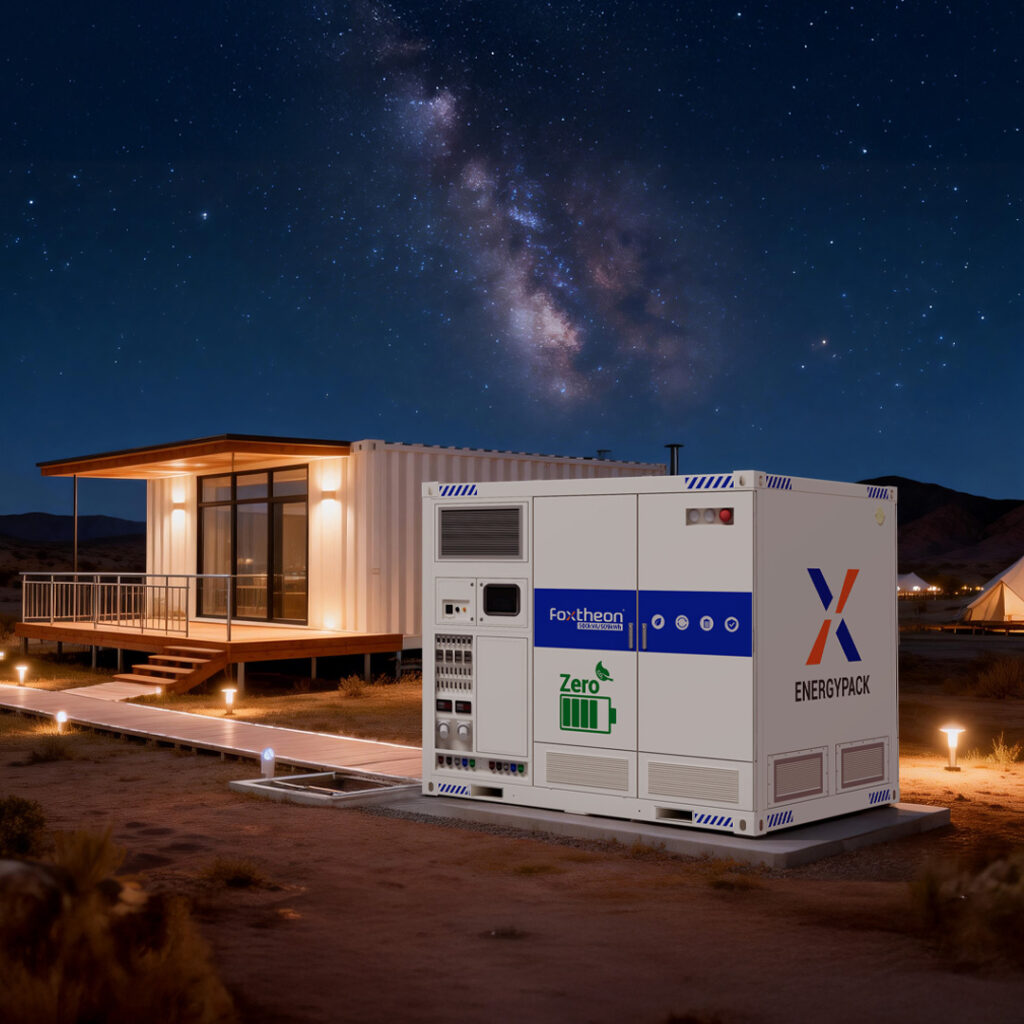
Eco-resorts on isolated islands completely avoid the noise and pollution of running diesel generators 24/7 by switching to solar-hybrid microgrids.
The initial capital expenditure might be higher than stringing a utility wire down a rural highway, but the operational security and long-term savings make it highly lucrative.
Routine Maintenance and Long-Term Reliability
While solid-state electronics require much less maintenance than spinning machinery, they are not entirely “set and forget.”
Facility managers should conduct visual inspections of all heavy-gauge wiring connections every six months. Copper wires can expand and contract with temperature changes, slightly loosening terminal lugs over time.
Solar panels must be washed periodically. A thick layer of dust, pollen, or bird droppings can reduce panel efficiency by up to twenty percent.
Software firmware on the inverters and BMS should be updated annually. Manufacturers frequently release patches that improve power routing efficiency and cell balancing algorithms.
Achieving True Energy Security
Cutting the cord from the local utility grid is a bold operational move, but it is increasingly necessary in today’s unpredictable environment. The technology required to run an entire commercial facility independently has finally matured.
By prioritizing hardware redundancy, mixing your generation sources, and investing in advanced lithium storage, you can build a microgrid that refuses to go dark. Brands like Foxtheon continue to provide the robust, scalable hardware necessary to make this level of energy independence a reality for businesses globally.
Proper planning, rigorous load auditing, and quality engineering will ensure your investment pays off. Ultimately, building a fail-safe off-grid power system provides the absolute peace of mind that your operations will continue smoothly, regardless of what happens to the world outside your walls.
Frequently Asked Questions (FAQ)
Q1: How much does a reliable independent power setup typically cost compared to grid connection?
A1: The initial capital cost is significantly higher than simply paying a utility connection fee. However, you eliminate monthly electric bills entirely. For remote locations where utility companies charge heavily to run new poles and wires, an independent setup often pays for itself within the first five to seven years.
Q2: Do I still need a diesel or propane generator if I have a massive battery bank?
A2: Yes, it is highly recommended. While a large battery bank can get you through a few days of bad weather, a prolonged winter storm can stop solar production entirely. A backup generator acts as the final safety net, ensuring your batteries never drain completely during extended severe weather events.
Q3: How long will the lithium battery banks realistically last under daily use?
A3: High-quality Lithium Iron Phosphate (LFP) batteries are generally rated for 6,000 to 8,000 deep cycles. Depending on your daily depth of discharge, you can expect these commercial-grade storage banks to last anywhere from 12 to 15 years before they need to be replaced.
Q4: Can I expand my storage capacity later if my facility requires more electricity?
A4: Yes, modern setups are modular by design. If you purchase equipment from reputable manufacturers, you can typically add more solar panels to your array, parallel an additional inverter, or stack more battery racks into your existing system as your energy demands grow over time.
Q5: What happens if the smart inverter completely fails during operation?
A5: This is why redundancy is a core engineering principle. Proper designs use multiple inverters wired in parallel. If a 10kW inverter fails, the remaining inverters immediately absorb the electrical load. The system will alert the facility manager via a software notification, allowing operations to continue while the broken unit is replaced.