
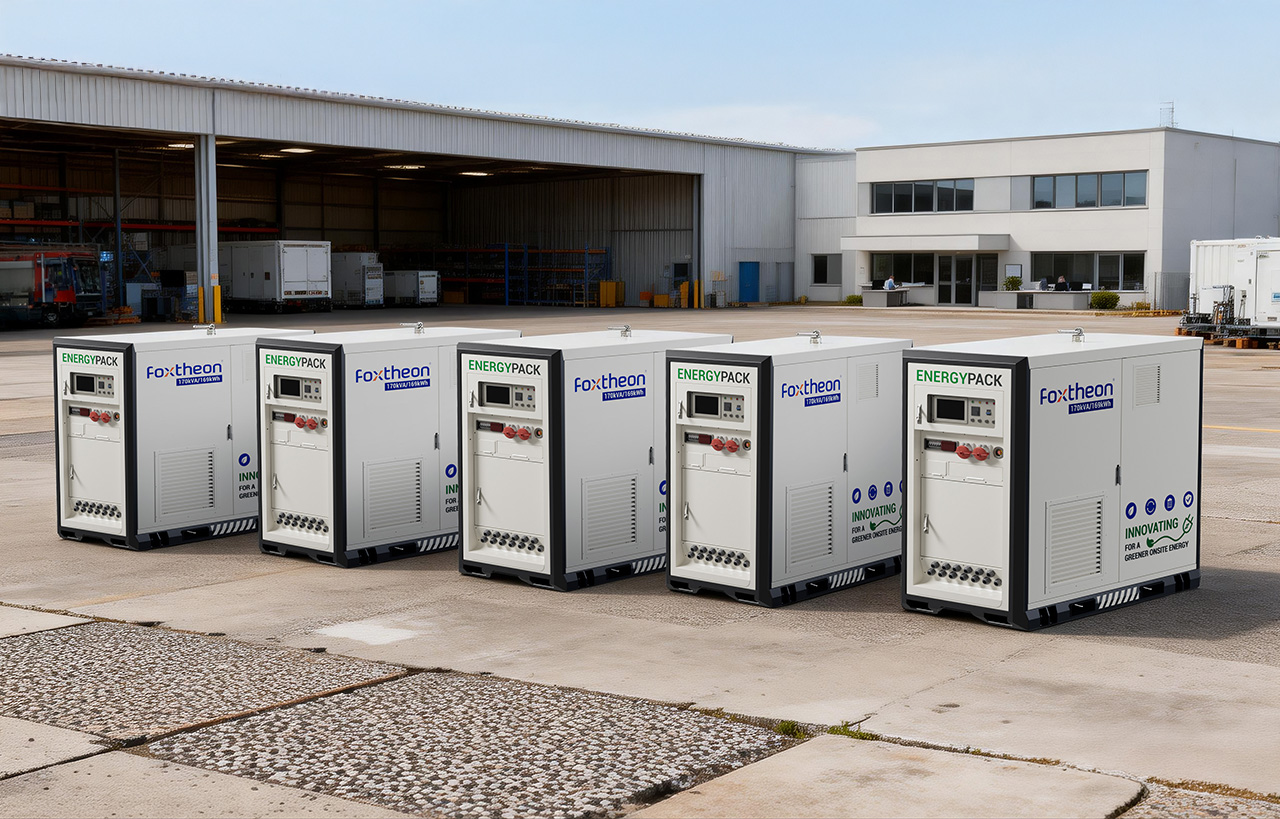
The transition toward decentralized energy systems has positioned medium-scale energy storage as a fundamental component for modern infrastructure. Specifically, 500kwh battery storage systems occupy a strategic position in the market, providing sufficient capacity to manage substantial industrial loads while remaining modular enough for versatile deployment. These systems serve as a bridge between small-scale commercial applications and large utility-grade installations, offering a balanced approach to energy density, safety, and operational efficiency.
For organizations managing manufacturing facilities, data centers, or remote microgrids, understanding the technical nuances of these systems is vital. The implementation of high-capacity storage involves more than just hardware acquisition; it requires a comprehensive understanding of power electronics, thermal management, and integration strategies with existing power assets. Foxtheon provides advanced engineering perspectives on these systems, ensuring that energy reliability aligns with long-term operational goals.
The Technical Architecture of a 500kWh System
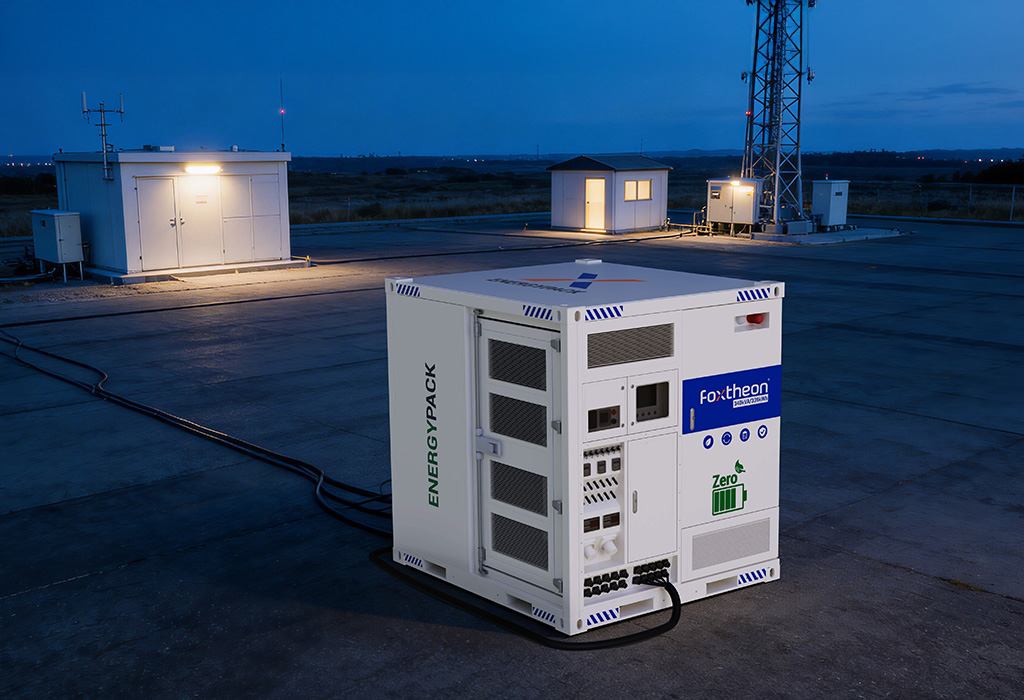
A 500kwh battery storage unit is a sophisticated assembly of several subsystems that must operate in synchronization to ensure stability and longevity. The primary components include the battery modules, the Battery Management System (BMS), the Power Conversion System (PCS), and the Thermal Management System.
1. Battery Chemistry and Cell Composition
Most modern systems at this scale utilize Lithium Iron Phosphate (LiFePO4 or LFP) chemistry. LFP is preferred in industrial settings due to its high thermal stability and extended cycle life. A typical 500kWh configuration consists of thousands of individual cells organized into modules and racks. The choice of LFP minimizes the risk of thermal runaway, a factor that is non-negotiable for indoor or high-density urban installations.
2. The Three-Tier Battery Management System (BMS)
To maintain the health of a 500kwh battery storage installation, a hierarchical BMS is employed:
- Slave BMS (Module Level): Monitors individual cell voltages and temperatures.
- Master BMS (Rack Level): Aggregates data from modules and manages balancing within the rack.
- System BMS (Total Installation Level): Communicates with the PCS and the external grid or local controller, ensuring the entire 500kWh capacity is utilized within safe operational limits.
3. Power Conversion and Inverter Integration
The PCS is the interface between the DC battery bank and the AC load or grid. For a 500kWh system, the PCS power rating usually ranges from 100kW to 250kW, depending on the required C-rate (the rate at which the battery is charged or discharged). A 0.5C system, for instance, would allow for a full discharge over two hours, making it ideal for peak shaving applications.
Operational Strategies for Industrial Energy Efficiency
Implementing a 500kwh battery storage system allows facilities to transition from passive energy consumers to active participants in the energy market. This shift is characterized by several key operational strategies.
Demand Charge Management (Peak Shaving)
Industrial electricity billing often includes “demand charges” based on the highest point of consumption during a billing cycle. By discharging the battery during these peak intervals, a facility can flatten its load profile. A 500kWh system provides enough buffer to offset significant machinery startup currents or midday cooling loads, resulting in measurable reductions in monthly utility expenditures.
Load Shifting and Time-of-Use (ToU) Optimization
In regions where electricity prices fluctuate based on the time of day, energy storage allows for “price arbitrage.” The system charges when rates are at their lowest (often at night) and discharges when rates are at their highest. This process optimizes the Levelized Cost of Storage (LCOS) and improves the overall Return on Investment (ROI) of the energy infrastructure.
Enhanced Power Quality and Voltage Regulation
Sensitive industrial equipment requires a stable voltage and frequency. 500kwh battery storage systems equipped with high-speed inverters can provide instantaneous reactive power support and frequency regulation. This functionality protects expensive hardware from sags, swells, and transients that often occur in weak grid environments.
Integration with Existing Power Assets
A common misconception is that new storage technology must replace established power generation assets. In practice, the most resilient systems are those that integrate Foxtheon solutions alongside existing infrastructure, such as diesel generators or solar PV arrays.
When paired with a generator, a 500kwh battery storage system acts as a high-speed buffer. Generators often operate inefficiently at low loads; the battery can take over during these periods, allowing the generator to remain off or run only at its most efficient fuel-consumption point. This “hybridization” extends the maintenance intervals of mechanical assets and reduces overall fuel consumption without compromising site reliability.
Furthermore, in solar-coupled systems, the storage unit mitigates the intermittency of renewable generation. When a cloud passes over a large solar array, the battery compensates for the sudden drop in output, ensuring a smooth power curve for the facility’s operations.
Thermal Management and Safety Protocols
Managing the thermal environment of a 500kwh battery storage unit is fundamental to its performance and safety. As batteries charge and discharge, internal resistance generates heat. If not managed, this heat can accelerate degradation or lead to system shutdown.
Active Liquid Cooling vs. Forced Air Cooling
Advanced systems at this capacity often utilize liquid cooling plates that circulate coolant through the battery racks. This method is significantly more efficient than air cooling at maintaining uniform cell temperatures (within ±2°C). Uniform temperature distribution is a key factor in preventing “weak links” in the battery string, thereby extending the overall system life to 10 years or more.
Fire Suppression and Enclosure Standards
A professional-grade 500kWh system is housed in an IP54 or IP55 rated enclosure, protecting it from dust and moisture. Internally, multi-stage fire suppression systems (such as aerosol or Novec 1230) are integrated with the BMS. If the system detects abnormal gas concentrations or temperature spikes, it can trigger an automated shutdown and suppression sequence, protecting the surrounding facility assets.
The Economic Landscape of Energy Storage
The decision to deploy a 500kWh system is driven by a rigorous financial analysis. The primary metrics considered by B2B stakeholders include:
- CAPEX (Capital Expenditure): The initial cost of the battery, PCS, and installation.
- OPEX (Operating Expenditure): Minimal for battery systems, primarily involving software monitoring and periodic HVAC maintenance.
- Cycle Life: The number of charge/discharge cycles the system can handle before capacity drops to 80% of its original value. High-quality LFP systems typically offer 6,000 to 8,000 cycles.
- Round-Trip Efficiency (RTE): The ratio of energy put into storage to the energy retrieved. For a 500kwh battery storage system, an RTE of 85-90% is industry-standard.
By calculating the LCOS over a 10-year period, many enterprises find that the cost per kWh stored is now competitive with traditional peak energy prices, particularly when factoring in government incentives and carbon reduction credits.
Maintenance and Remote Monitoring
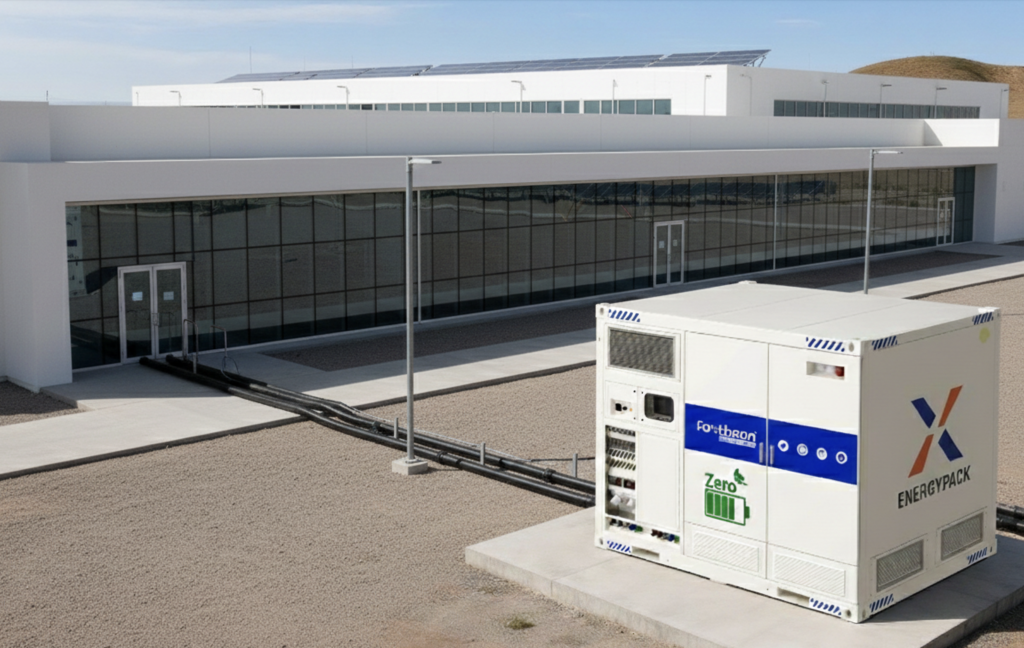
To ensure the longevity of a Foxtheon energy solution, proactive maintenance is handled through cloud-based monitoring platforms. These platforms utilize IoT sensors to track State of Charge (SoC), State of Health (SoH), and internal resistance in real-time.
Predictive analytics can identify potential module failures before they occur, allowing for scheduled maintenance during low-impact hours. This digital oversight transforms energy storage from a “black box” into a transparent, manageable asset within the corporate portfolio.
The adoption of 500kwh battery storage represents a strategic move toward energy independence and operational resilience. By providing a technical buffer against grid volatility and optimizing the use of both renewable and traditional energy sources, these systems ensure that industrial and commercial operations remain stable under varying conditions.
As the energy sector continues to evolve, the integration of high-capacity storage will be a defining characteristic of successful infrastructure management. For organizations looking to strengthen their energy profile, the focus must remain on system reliability, safety standards, and sophisticated integration with existing assets.
Foxtheon is dedicated to providing high-performance energy solutions tailored to complex industrial requirements. If you are evaluating the implementation of a storage system to enhance your facility’s energy efficiency, our technical team is available to provide a detailed consultation and system design tailored to your specific load profile.
Frequently Asked Questions (FAQ)
Q1: What is the typical footprint of a 500kWh battery storage system?
A1: A standard 500kWh system is typically housed in a compact containerized unit, often similar in size to a 10-foot or 20-foot ISO container. This includes the battery racks, PCS, and cooling systems, allowing for efficient use of space in industrial yards or plant rooms.
Q2: How long does a 500kWh system take to install and commission?
A2: Once the site preparation (such as a concrete pad and electrical connections) is complete, the physical installation and commissioning of a pre-configured 500kWh system usually take between 1 to 2 weeks, depending on the complexity of the local grid integration.
Q3: Can multiple 500kWh units be connected for larger capacity?
A3: Yes, these systems are designed with modularity in mind. Multiple 500kWh units can be connected in parallel to scale up to several megawatt-hours (MWh), managed by a centralized Energy Management System (EMS).
Q4: What is the expected lifespan of the battery cells in these systems?
A4: With Lithium Iron Phosphate (LFP) chemistry and proper thermal management, these systems are typically rated for 6,000 to 8,000 cycles. For most commercial applications, this equates to an operational life of 10 to 15 years before the battery reaches its end-of-life threshold (usually 80% of original capacity).
Q5: How does the system handle extreme weather conditions?
A5: The systems are housed in rugged, climate-controlled enclosures. Integrated HVAC or liquid cooling systems maintain the internal temperature within the optimal range (typically 15°C to 30°C), even when external temperatures are as low as -20°C or as high as 50°C.
Q6: Is it possible to integrate this system with an existing diesel generator?
A6: Absolutely. A 500kWh battery is an excellent partner for diesel generators. It allows the generator to run at its most efficient load point and can provide silent power during low-load periods, significantly reducing fuel consumption and wear on the generator engine.