
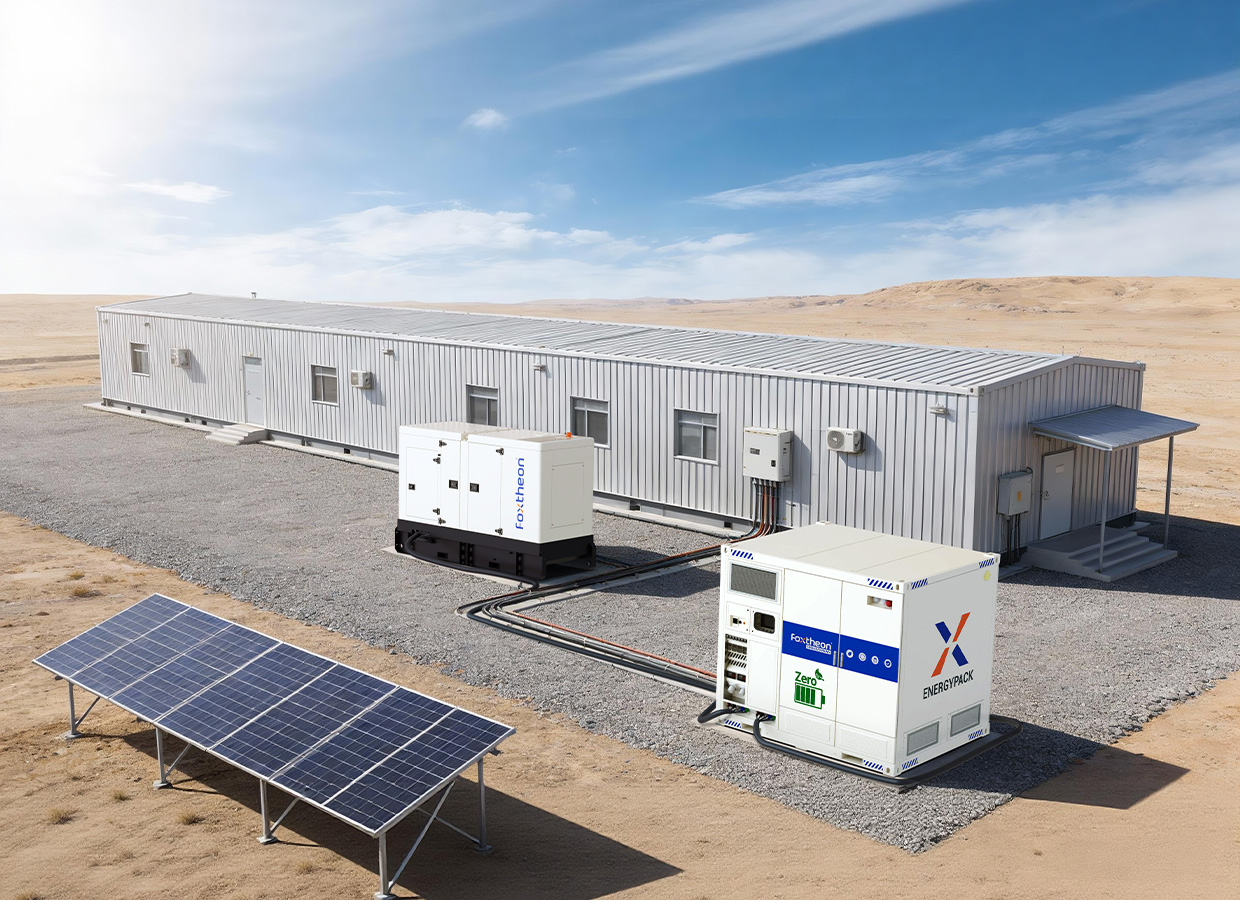
In off-grid industrial operations, remote mining facilities, and telecommunications infrastructure, continuous power reliability is a non-negotiable operational parameter. Historically, these sectors have relied heavily on internal combustion engines, specifically diesel generators, to provide primary and backup power. While diesel fuel offers high volumetric energy density, operating traditional, unmanaged generators leads to severe engineering and financial inefficiencies. Generator sizing is typically dictated by transient peak loads rather than continuous baseline demand, forcing engines to run at low capacities for extended durations. This mismatch drastically reduces thermal efficiency, accelerates mechanical wear, and exponentially increases fuel logistics costs.
To rectify these fundamental operational flaws, power engineers are shifting toward intelligent hybridization and algorithmic control architectures. The implementation of a highly calibrated diesel genset optimization system has become a critical requirement for modern microgrids. By actively managing the load profile, synchronizing with battery energy storage systems (BESS), and modulating engine states based on real-time telemetry, these systems transform a static mechanical asset into a dynamic, highly efficient power module. This analysis explores the technical methodologies, physical constraints, and OPEX reduction strategies associated with modern generator optimization.
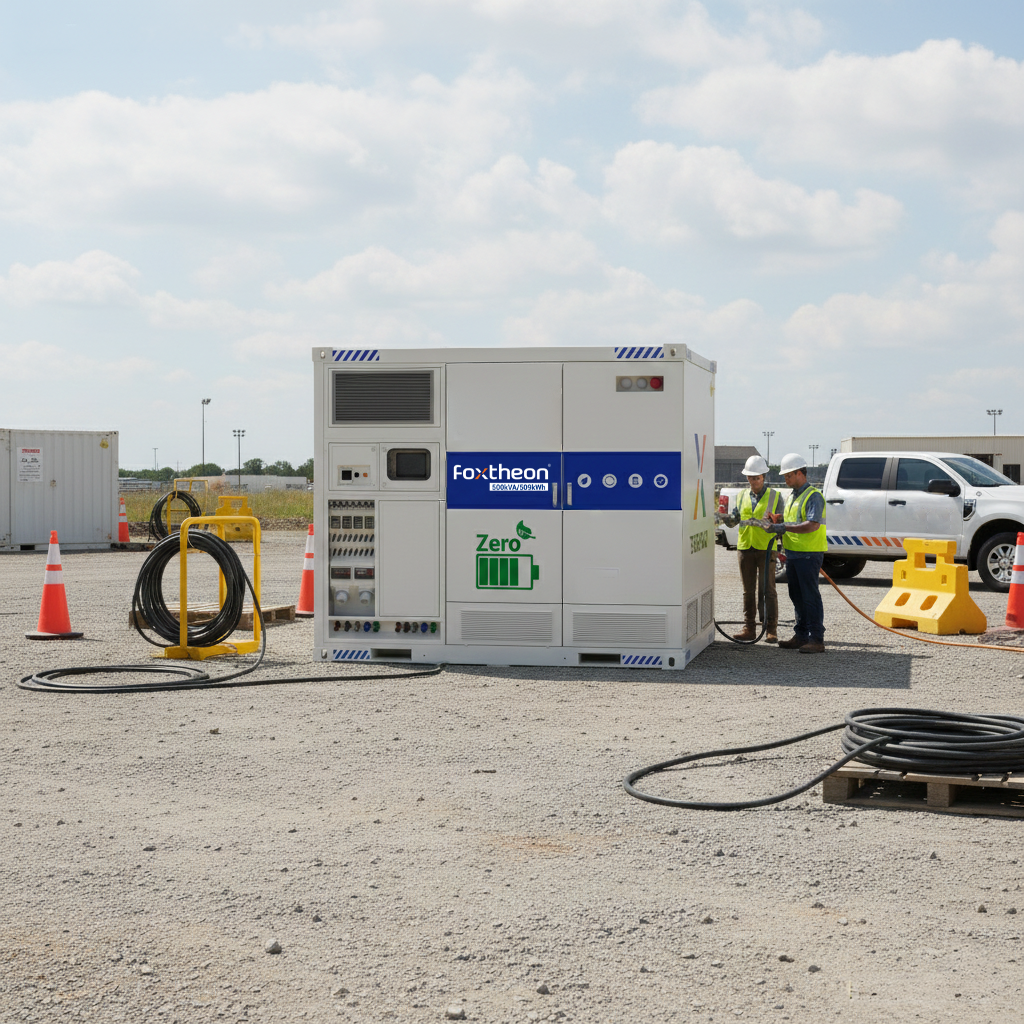
1. The Mechanical Deficiencies of Unoptimized Diesel Generation
Before examining optimization protocols, it is essential to understand the inherent physical limitations of operating a diesel engine outside of its intended design parameters. Engineers design industrial alternators and diesel prime movers to operate continuously at approximately 75% to 85% of their rated capacity. When loads fall significantly below this threshold, multiple mechanical and thermodynamic failures begin to manifest.
The Phenomenon of Wet Stacking
When a generator operates at less than 30% of its rated load, the engine fails to reach its optimal operating temperature. Diesel combustion relies on high cylinder temperatures to completely ignite the injected fuel. At low loads, the cylinder temperatures drop, leading to incomplete combustion. Unburned fuel and lubricating oil bypass the piston rings, accumulating in the exhaust manifold and turbocharger. This thick, dark substance is known as “wet stacking.” Over time, wet stacking causes severe carbon buildup on valves, reduces engine compression, creates a significant fire hazard in the exhaust system, and drastically degrades the total power output capacity of the prime mover.
Transient Load Response and Inrush Currents
A second major deficiency of standalone generators is their inability to handle aggressive transient step loads. When large inductive loads—such as rock crushers, HVAC compressors, or industrial water pumps—are energized, they demand an inrush current that can be 5 to 8 times their continuous running current. To prevent severe voltage sags and frequency deviations (which violate ISO 8528-5 transient response standards), engineers are forced to oversize the generator. This oversizing guarantees that the engine will spend the majority of its operational life running at highly inefficient low loads, perpetuating the wet stacking cycle.
2. Architectural Framework of a Modern Optimization System
To eliminate the dual threats of wet stacking and transient instability, facility managers must transition to a hybrid operational model. The core of this transition is the diesel genset optimization system, which acts as the neurological center of the microgrid. This system integrates the generator’s internal Engine Control Unit (ECU), the automatic transfer switch (ATS), bidirectional power inverters, and an Energy Management System (EMS).
- Load Profiling Algorithms: The optimization controller continuously monitors the active power (kW), reactive power (kVAR), and Total Harmonic Distortion (THD) demanded by the site. It uses this data to make split-second decisions regarding power generation sourcing.
- Energy Storage Integration: By coupling the generator with a high-discharge lithium-ion battery buffer, the system effectively decouples the site load from the generator’s output.
- Seamless Synchronization: When the system dictates that the generator must start, the controller perfectly matches the generator’s voltage, frequency, and phase angle with the microgrid bus before closing the contactor, ensuring zero power interruption.
Partnering with advanced technology providers like Foxtheon allows operators to deploy turnkey optimization hardware that natively understands these complex synchronization requirements, providing industrial-grade reliability from day one.
3. Dynamic Load Shifting and BSFC Optimization
The primary metric for evaluating engine efficiency is Brake Specific Fuel Consumption (BSFC). BSFC measures the mass of fuel consumed per unit of energy produced, typically expressed in grams per kilowatt-hour (g/kWh). The BSFC curve of a diesel engine is non-linear; it is highest (most inefficient) at very low loads and drops to its lowest point (most efficient) near 80% load.
Algorithmic Load Management
A properly configured diesel genset optimization system manipulates the load to ensure the engine only operates at its lowest BSFC point. If the site is drawing a 25% load, the control system will not allow the generator to run at 25%. Instead, the EMS commands the generator to start and run at 85% load. The 25% is directed to power the site, while the remaining 60% of the generator’s output is utilized to rapidly charge the integrated battery storage system. Once the battery reaches a maximum State of Charge (SoC), the controller shuts the diesel engine down completely. The site then runs silently and entirely off the battery buffer until the SoC drops to a predetermined lower threshold. This aggressive duty-cycling prevents wet stacking, drastically reduces engine run hours, and extracts the maximum electrical energy from every drop of fuel.
4. Mitigating Transient Faults with Power Electronics
In addition to fuel optimization, the integration of power electronics fundamentally solves the transient step load problem. Rather than relying on the mechanical rotational inertia of a massive, oversized diesel engine to absorb the shock of an inductive motor starting, the system utilizes the instantaneous response capabilities of solid-state inverters.
When a large motor starts, the optimization controller detects the sudden demand for reactive power and massive inrush current. The battery inverters inject the required active and reactive power within milliseconds, completely shielding the diesel generator from the transient shock. This capability, known as peak shaving or active power filtering, means that engineers can now size the generator strictly for the site’s continuous baseline load rather than the peak transient load. Reducing the capital expenditure (CAPEX) on oversized alternators and prime movers is one of the most immediate financial benefits of deploying hardware from established tier-one providers like Foxtheon.
5. Telemetry, Predictive Maintenance, and OPEX Reduction
Maintenance logistics in remote locations constitute a massive portion of total operating expenses (OPEX). Traditional maintenance schedules are strictly preventive, based on arbitrary runtime hour intervals (e.g., oil changes every 250 or 500 hours). This approach often results in premature servicing or unexpected mechanical failures between intervals.
By implementing a networked diesel genset optimization system, operators transition from preventive to predictive maintenance. Through high-fidelity CAN bus and Modbus TCP/IP communication protocols, the system continuously aggregates telemetry data, including:
- Lubricating oil pressure and temperature gradients
- Coolant flow rates and thermodynamic exhaust temperatures
- Alternator winding temperatures and vibration frequencies
- Real-time fuel consumption metrics via digital flow meters
Because the optimization algorithms drastically reduce the total engine run hours by cycling the load through the battery, maintenance intervals are naturally extended by 200% to 300%. Furthermore, predictive analytics can identify anomalous vibration or temperature spikes weeks before a mechanical failure occurs, reducing the Mean Time To Repair (MTTR) and virtually eliminating catastrophic, unplanned downtime.
6. Decarbonization and Application Scenarios in High-Demand Sectors
The regulatory pressure to reduce Scope 1 carbon emissions is accelerating across all heavy industries. While fully transitioning to renewable energy is the ultimate goal, many geographic locations lack the solar irradiance or wind resources required for 100% renewable off-grid power. Therefore, maximizing the efficiency of fossil-fuel assets remains a critical transition step.
In remote mining camps, the cost of transporting diesel fuel over hundreds of miles of unpaved roads can exceed the cost of the fuel itself. By deploying a diesel genset optimization system, mining operators can routinely achieve fuel consumption reductions of 30% to 45%. Similarly, in the telecommunications sector, off-grid base transceiver stations (BTS) require constant 24/7 power, yet their load profiles are relatively small. A hybrid optimization system allows the generator to run for only a few hours a day at peak efficiency, silently powering the tower via batteries for the remaining 20 hours. Utilizing robust, scalable architectures engineered by Foxtheon ensures that these critical communication nodes remain online regardless of environmental conditions or fuel delivery delays.
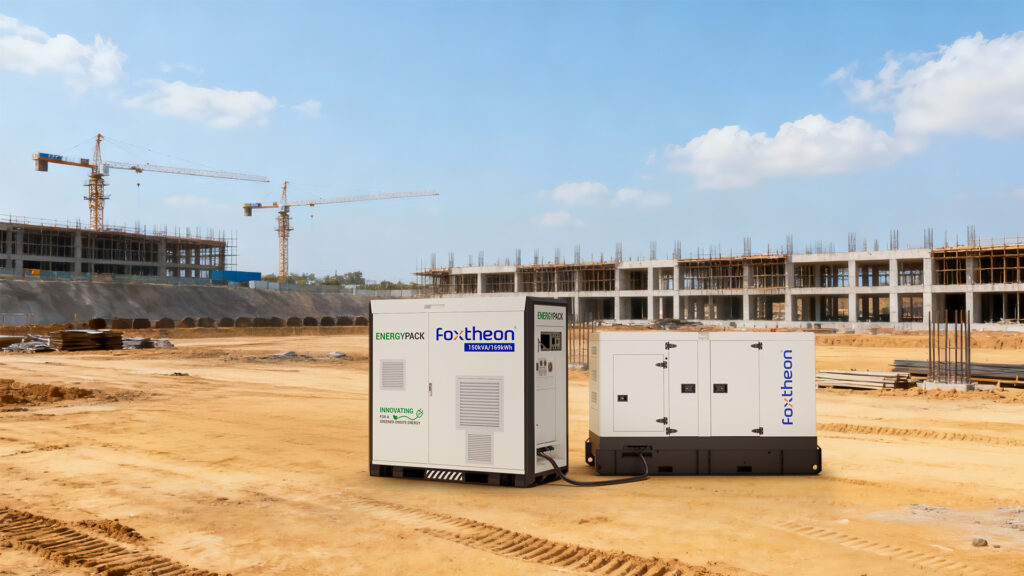
7. Strategic Conclusion for Energy Managers
Managing off-grid power generation through legacy, analog methods is no longer financially or mechanically viable. The physical degradation caused by low-load operation, combined with the extreme OPEX penalties of inefficient fuel consumption and frequent maintenance, necessitates a technological upgrade. Integrating a highly sophisticated diesel genset optimization system completely redefines the microgrid architecture. By decoupling the mechanical engine from the immediate electrical load via energy storage and algorithmic dispatch, facilities achieve maximum thermodynamic efficiency, extend the operational lifecycle of their prime movers, and aggressively reduce their total carbon footprint. For forward-thinking operators, this transition represents the definitive standard for industrial power resilience and operational excellence.
Frequently Asked Questions (FAQ)
Q1: What exactly is a diesel genset optimization system?
A1: It is an advanced hardware and software architecture that integrates a traditional diesel generator with power electronics, an Energy Management System (EMS), and typically a battery storage system. It algorithmic controls when the generator runs, ensuring it only operates at peak thermal efficiency (optimal BSFC) and handles load spikes automatically.
Q2: How does this system prevent engine wet stacking?
A2: Wet stacking occurs when an engine runs at a low load, causing low cylinder temperatures and incomplete fuel combustion. The optimization system prevents this by never allowing the generator to run at a low load. If the site demand is low, the system either runs the generator at a high load to simultaneously power the site and charge a battery, or it shuts the generator off completely and powers the site from the battery.
Q3: Can an optimization system reduce the physical size of the generator required for my site?
A3: Yes, significantly. In traditional setups, generators are oversized by up to 200% just to handle the transient inrush current of large motors starting. An optimization system utilizes battery inverters to absorb these microsecond transient spikes, allowing engineers to size the diesel generator based on the much lower, continuous running load.
Q4: What communication protocols are used to monitor generator telemetry?
A4: Modern industrial optimization systems communicate directly with the generator’s Engine Control Unit (ECU) via standard industrial protocols such as CAN bus (specifically J1939 for diesel engines), Modbus RTU (RS485), and Modbus TCP/IP. This allows for millisecond-level data extraction regarding oil pressure, fuel flow, and exhaust temperatures.
Q5: What is the typical Return on Investment (ROI) timeline for implementing these systems?
A5: While dependent on local fuel costs and logistical delivery expenses, most off-grid industrial sites see an ROI within 18 to 36 months. The savings are derived from a 30-45% reduction in total fuel consumption, drastically lower fuel transportation costs, and extending major engine overhaul schedules from every 10,000 hours to over 25,000 hours.