
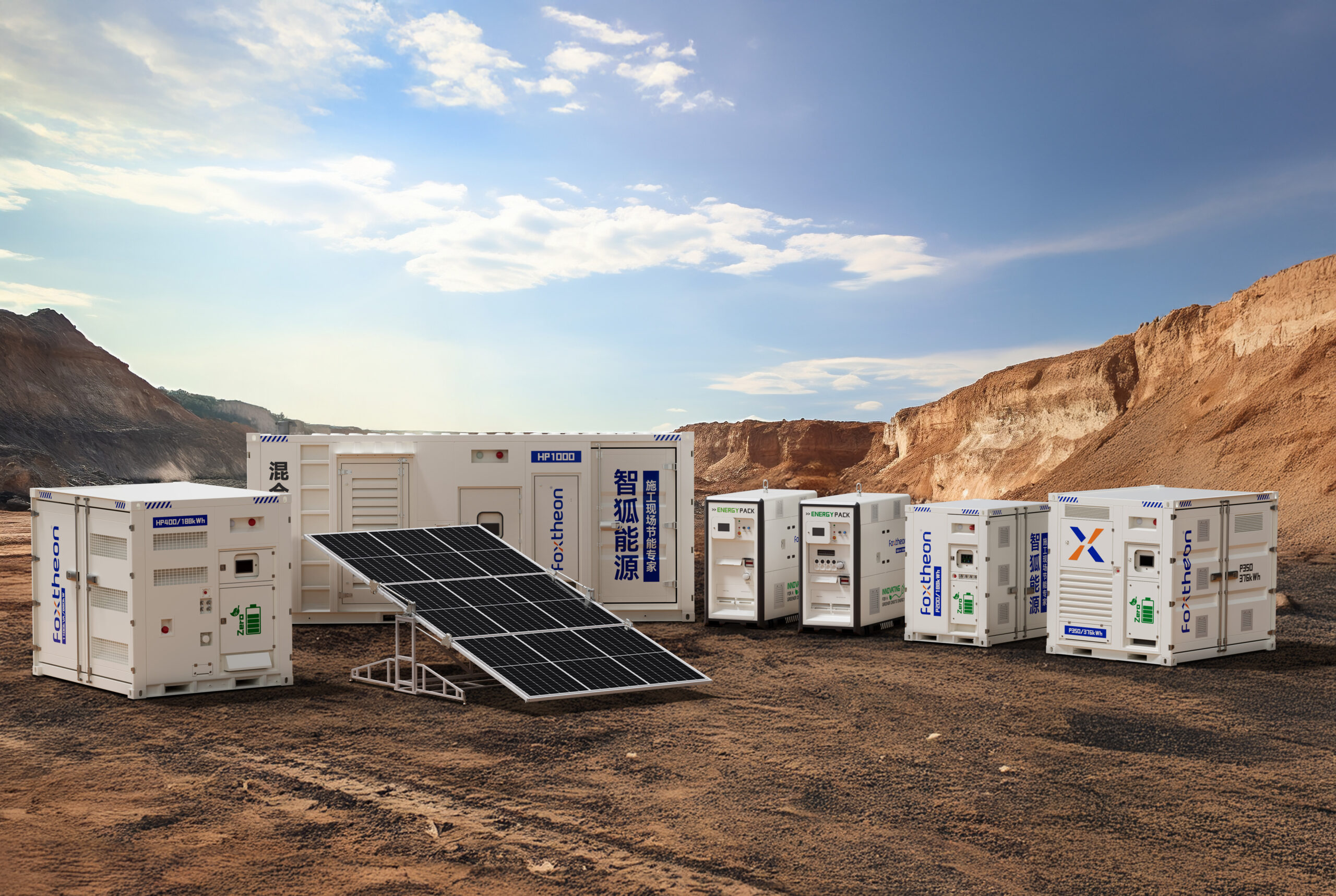
Commercial and industrial (C&I) energy storage projects demand more than nameplate capacity. Engineering teams require validated cycle life, thermal stability, and seamless integration with existing hybrid power infrastructures. The byd battery storage system has gained traction across manufacturing facilities, remote microgrids, and peak-shaving installations due to its LFP blade cell design and modular scalability. This article provides a technical deep dive into the system’s electrochemistry, safety mechanisms, and economic modelling, written for procurement engineers and project developers.
For sites operating off-grid or with unstable utility supply, pairing a byd battery storage system with intelligent generation control reduces diesel runtime by 50–70% while maintaining 99% availability. Below we examine the key specifications that separate industrial-grade storage from residential equipment.
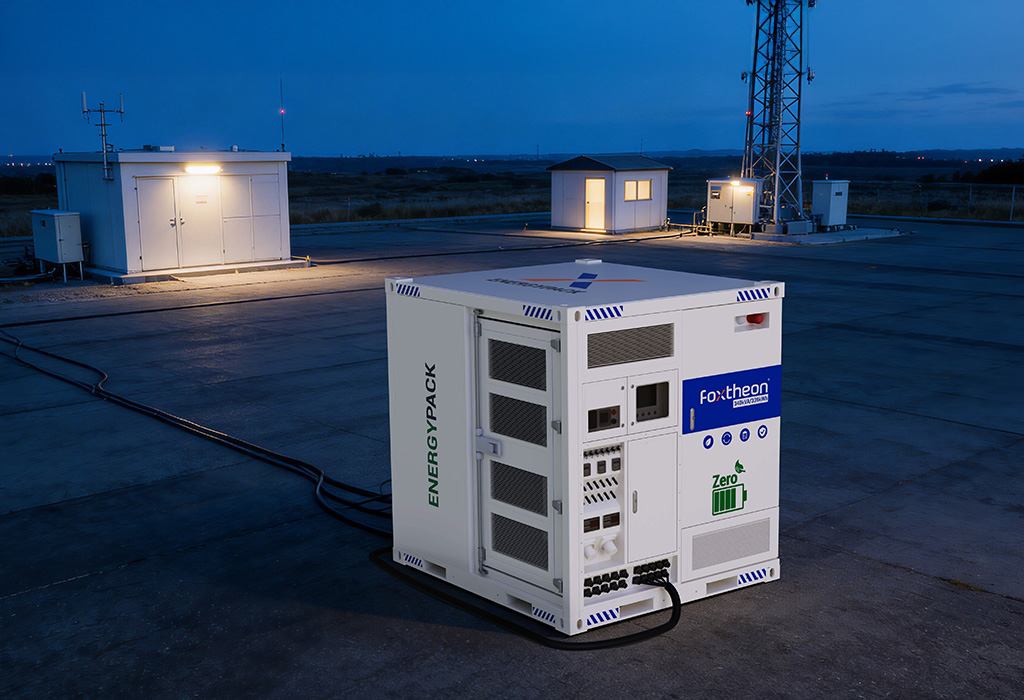
1. Blade Cell Technology: Structural and Thermal Advantages
The core unit of the byd battery storage system is the LFP blade cell, which abandons traditional modular cell-to-module-to-pack architecture. Instead, the cells are elongated (approx. 900 mm) and arranged directly into the battery pack, increasing volumetric energy density by 50% compared to conventional LFP modules. Key engineering metrics:
- Thermal runaway propagation resistance: In nail penetration tests, blade cells exhibit surface temperatures below 60°C without fire or smoke. This meets the most stringent requirements of UL 9540A for large-scale installations.
- Structural contribution: The blade cells serve as load-bearing elements within the battery rack, simplifying enclosure design and improving crashworthiness for mobile applications (e.g., marine or mining vehicles).
- Cycle life: Independent testing (C-rate 0.5C charge/1C discharge) shows 8,000 cycles to 70% state of health (SoH) at 25°C. At 45°C, the cycle life remains above 5,000 cycles with proper cooling – suitable for tropical climates.
From a procurement perspective, the blade design reduces series-parallel interconnects by approximately 60%, lowering the number of potential failure points and improving mean time between failures (MTBF).
2. Battery Management System (BMS) Architecture
A robust BMS is mandatory for any industrial byd battery storage system. The distributed BMS used in BYD’s C&I products operates at three levels:
- Cell-level monitoring: Voltage (accuracy ±5mV), temperature (two sensors per blade cell), and internal pressure.
- Module-level balancing: Passive balancing with 150mA current, plus optional active balancing for high-cycling applications.
- String-level contactors and precharge circuits: Designed for 1500V DC bus compatibility, with galvanically isolated CAN communication.
Field data from a 2 MWh installation in a Thai industrial park showed less than 2% voltage deviation across 480 cells after 2,500 cycles, indicating consistent manufacturing and effective balancing algorithms. The BMS also performs insulation resistance monitoring (≥ 10 MΩ per kV), a requirement for IEC 62477 compliance.
3. Thermal Management for High Ambient Environments
One pain point for storage systems in Southeast Asia or the Middle East is capacity degradation due to elevated temperatures. The byd battery storage system for C&I applications integrates a liquid cooling loop (coolant: water-glycol) that maintains cells within 5°C of the setpoint (25–30°C) even when ambient reaches 50°C. The cooling system consumes less than 2% of the battery’s rated power at full load. Key specifications:
- Cooling capacity: 3 kW per 100 kWh of battery
- IP rating of cooling distribution unit: IP54 (indoor/outdoor with shade)
- Heating mode (for sub-zero regions): resistive heaters integrated into the coolant loop, capable of raising cell temperature from -20°C to 10°C in under 60 minutes.
Compared to air-cooled systems, liquid cooling reduces cell temperature variance from ±8°C to ±2°C, directly improving cycle life by 20–30% in hot climates. For project developers, this translates to lower replacement frequency and more predictable ROI.
4. Integration with Hybrid Energy Management Systems
No battery operates in isolation. A byd battery storage system must communicate seamlessly with genset controllers, solar inverters, and site SCADA. BYD’s C&I products support standard protocols: Modbus TCP, CANopen, and IEC 61850. The system provides real-time parameters including maximum charge/discharge power (continuous and peak), SoC, SoH, and fault registers.
Foxtheon has successfully integrated BYD battery storage systems into its hybrid power platforms for off-grid mining sites. The combination of Foxtheon’s energy management algorithm (which predicts load and solar generation) with BYD’s fast response time (≤40 ms from command to full power) achieves smooth generator ramp control and eliminates voltage dips during motor starts.
For operators managing multiple distributed sites, the battery system offers cloud-based data aggregation via REST API, allowing fleet-wide performance comparison and predictive maintenance alerts. This capability is particularly valuable for telecom tower portfolios or rural electrification cooperatives.
5. Application Scenarios and Engineering Considerations
Different B2B segments require distinct design priorities when selecting a byd battery storage system. Below are three common scenarios and the corresponding system configurations.
5.1 Peak Shaving for Manufacturing Plants
- Load profile: short-duration spikes (15–60 minutes) exceeding contracted demand limit.
- System sizing: battery power rating equal to 80% of peak demand, energy capacity for 30 minutes at that power.
- BYD solution: 500 kW / 250 kWh cabinet with response time < 20 ms. Achieves 12–18% reduction in monthly demand charges.
5.2 Off-Grid Microgrids (Mining Camps, Remote Villages)
- Challenge: daily deep cycling and seasonal solar variability.
- System sizing: 2–6 hours of load autonomy, with generator as backup.
- BYD solution: 2 MWh containerized system with liquid cooling and N+1 redundant BMS. Designed for 90% DoD nightly cycling.
5.3 Solar Self-Consumption for Commercial Buildings
- Goal: shift excess PV generation to evening hours.
- System sizing: 1.5× average daily PV overgeneration.
- BYD solution: AC-coupled battery inverter with zero-export functionality, compliant with local grid codes (VDE-AR-N 4105, IEEE 1547).
In each case, the byd battery storage system provides configurable charge/discharge profiles that can be remotely adjusted based on time-of-use tariffs or generator fuel prices.
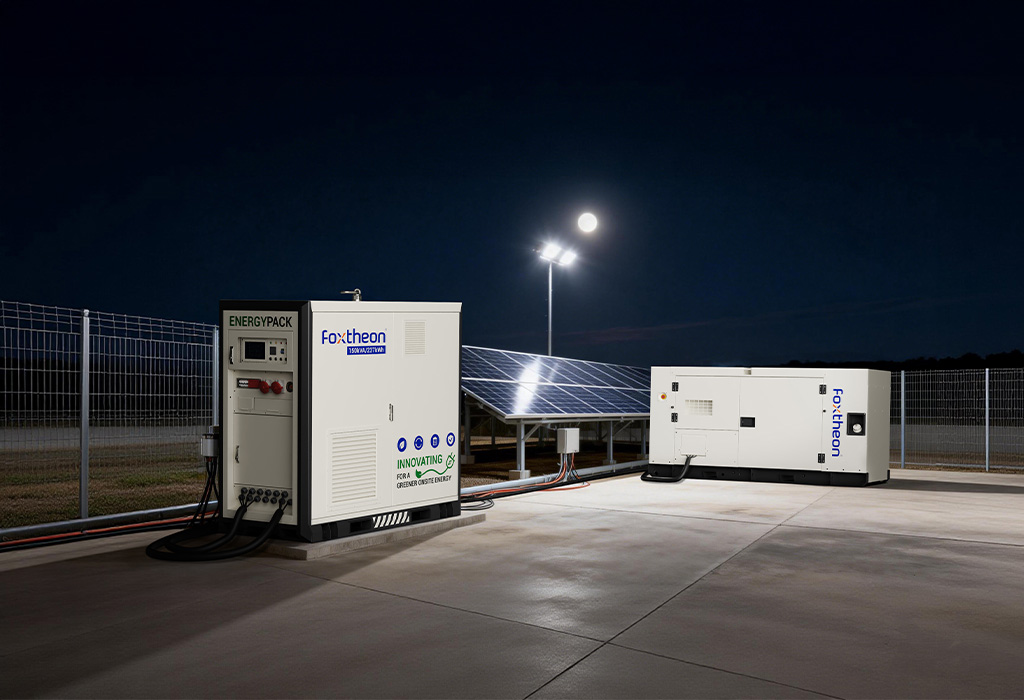
6. Safety Certifications and Compliance Standards
For B2B purchasers, regulatory compliance is non-negotiable. BYD’s C&I battery storage systems hold the following certifications:
- UL 1973 (Stationary battery) – validated by UL LLC.
- IEC 62619 (Industrial battery safety) – including thermal propagation tests.
- UN 38.3 (Transportation) – for logistics planning.
- CE and RCM for EU and Australian markets.
Additionally, the system meets fire code requirements of NFPA 855 with respect to spacing and fire suppression interfaces (dry contact for external clean agent system). Installation in containerized configurations can be compliant with IFC 2018, provided that a listed fire detection and suppression system is integrated.
7. Total Cost of Ownership Analysis (10‑Year Horizon)
When comparing the byd battery storage system against other LFP-based alternatives, procurement teams should focus on three cost drivers:
- Capital expenditure ($/kWh): BYD’s vertical integration (cell manufacturing, pack assembly, BMS) typically offers 10–15% lower upfront cost than competitors using third-party cells.
- Replacement interval: Based on 8,000 cycles to 70% SoH, a site cycling once per day will require replacement after 21.9 years (assuming 365 cycles/year). In practice, calendar aging limits service life to 12–15 years – still competitive.
- Operational expenditure: Liquid cooling increases auxiliary consumption by 0.5–1.5% compared to passive cooling but reduces degradation-related losses by 2–3% per year. Net OPEX is lower over full lifetime.
A representative LCOE calculation for a 1 MW / 2 MWh system with 1 daily cycle (500 kWh throughput per day) in a location with $0.12/kWh grid arbitrage or diesel offset gives a payback period of 4.2 years and a 10-year internal rate of return (IRR) of 17%. These figures assume a system price of $260/kWh and 8% discount rate.
8. Integration Support from Hybrid Solution Providers
While the byd battery storage system offers excellent hardware characteristics, successful deployment requires careful system design and EMS tuning. Foxtheon provides pre-commissioned hybrid power skids that include BYD batteries, solar charge controllers, and generator interfaces. Their engineering team performs site-specific simulations using PVsyst and HOMER Pro, delivering guaranteed fuel savings and uptime.
For organizations without in-house storage expertise, working with an integrator like Foxtheon reduces project risk from specification errors and ensures compliance with local electrical codes.
In summary, the BYD battery storage system stands out for its blade cell safety, liquid thermal management, and compatibility with industrial communication protocols. When paired with a capable EMS and properly sized for the load profile, it delivers reliable performance and a strong business case for C&I operators.
Frequently Asked Questions (FAQ)
Q1: What is the expected calendar life of a BYD battery storage system in a partially used off-grid site (e.g., 200 cycles per year)?
A1: Calendar aging is the dominant factor at low cycling rates. LFP chemistry from BYD typically retains 85% capacity after 15 years at 25°C average temperature, even with only 200 cycles. At 35°C, the retention drops to 75% after 15 years. For such applications, we recommend installing the system in a climate-controlled enclosure or selecting the liquid cooling option to keep cells near 25°C.
Q2: Can the BYD battery storage system be retrofitted to an existing diesel generator site without replacing the generator?
A2: Yes. The battery system is AC-coupled via a bi-directional inverter that connects to the same low-voltage bus as the generator. A controller (e.g., from Foxtheon) manages the generator start/stop and load sharing. The generator remains as a backup, operating only when battery SoC falls below a threshold or during prolonged high load.
Q3: What is the minimum ambient temperature for operation without performance derating?
A3: Without active heating, the BYD battery system can discharge down to -10°C but with reduced power (60% of rated). Charging below 0°C is not permitted to avoid lithium plating. With the integrated heating option, full charge/discharge capability is available from -20°C to 55°C. The heating system draws approximately 0.5% of battery capacity per hour of operation.
Q4: How does the BYD battery management system handle unbalanced strings in large parallel configurations?
A4: Each battery string has its own BMS master. The master communicates with neighbouring strings via CAN bus, and the system software executes a periodic “equalisation charge” where the string with the lowest voltage limits the total charge current to avoid overcharging others. For large installations (over 10 strings), an external battery controller (e.g., a PLC) is recommended to enforce string-level SoC balancing through selective disconnect contactors.
Q5: What is the typical lead time for a 500 kWh containerized BYD battery storage system?
A5: As of 2025, standard 20‑foot containerized systems (300–600 kWh) have a lead time of 8–10 weeks from order to shipment (FOB China). Custom voltages or enhanced fire suppression add 2–3 weeks. For urgent projects, some distributors hold inventory in regional hubs (Rotterdam, Houston, Singapore). Always confirm with the supplier or integrator.
Need a site‑specific engineering proposal? Our team provides complete hybrid simulations, including battery sizing, generator integration, and financial modelling. Submit your load profile and location data to receive a preliminary design and LCOE analysis within 7 working days.
→ Request a B2B consultation: Send your project specifications or contact our industrial solutions desk directly.