
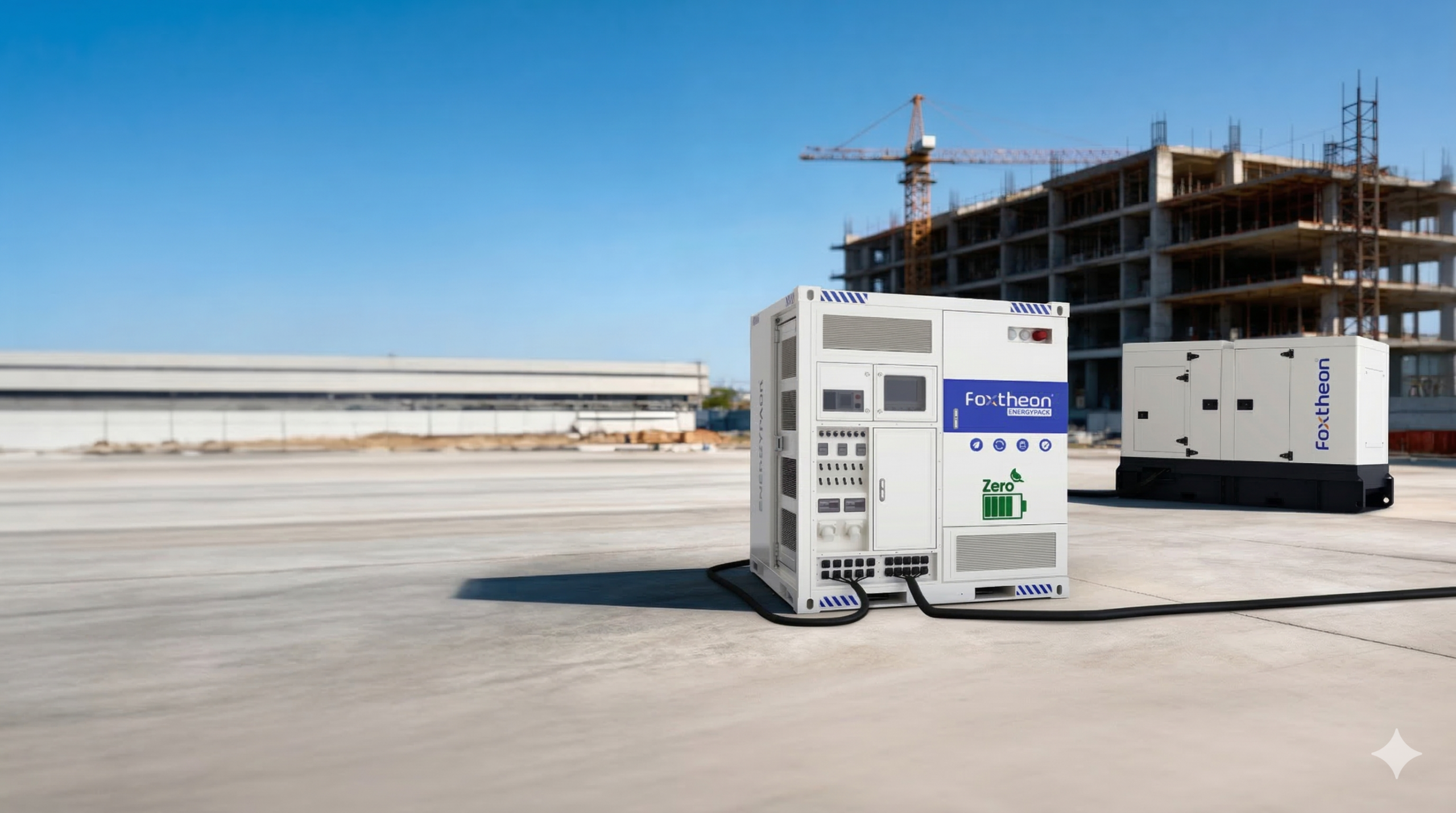
The global transition toward renewable energy creates a significant challenge for grid stability. Traditional power plants use massive rotating turbines to provide natural inertia. As we replace these with solar and wind, the grid loses its mechanical “shock absorber.” This is where a virtual synchronous generator BESS becomes indispensable for modern energy infrastructure.
Companies like Foxtheon are leading this shift by developing advanced battery systems that do more than just store energy. These systems use sophisticated software to mimic the physical properties of traditional synchronous machines. This evolution ensures that green energy grids remain as resilient as the fossil fuel systems they replace.
What is a Virtual Synchronous Generator BESS?
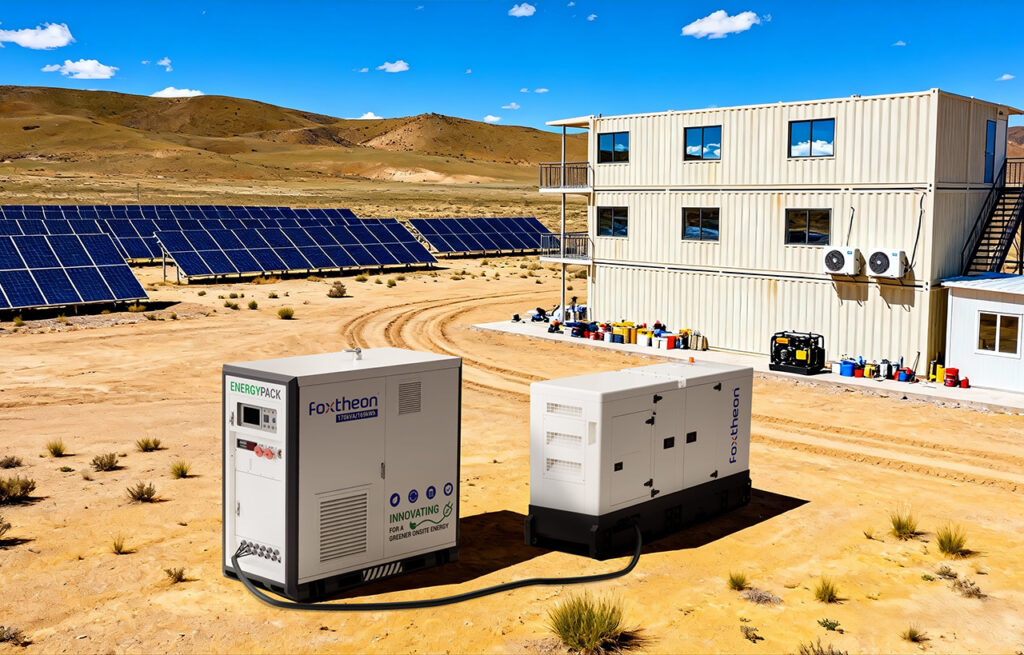
A virtual synchronous generator BESS is an advanced energy storage system that uses grid-forming inverters to simulate the behavior of a physical spinning turbine. Unlike standard grid-following inverters, which simply inject power, these systems actively support the grid’s voltage and frequency.
The core of this technology lies in the control algorithms. These algorithms solve the “swing equation” in real-time. This allows the battery system to respond to load changes instantly. By providing synthetic inertia, the system prevents rapid frequency drops that could lead to blackouts.
Many industries now prioritize the installation of a virtual synchronous generator BESS to handle the intermittency of solar arrays. These units act as a bridge between fluctuating renewable generation and the steady demands of the electrical load.
The Role of Virtual Synchronous Generator BESS in Renewable Integration
The rise of decentralized energy requires a smarter way to manage power flow. Wind and solar do not provide inherent inertia. When a large load turns on, the grid frequency can dip dangerously fast. A virtual synchronous generator BESS detects these deviations and reacts within milliseconds.
By integrating a virtual synchronous generator BESS, utility operators can increase the “hosting capacity” of their networks. This means more solar panels can be added without upgrading physical transmission lines. The battery system handles the stabilization tasks that were once reserved for coal or gas plants.
It provides instantaneous active power support.
It improves the fault ride-through capability of the local network.
It reduces the reliance on expensive “spinning reserves” from fossil fuel plants.
It ensures a smooth transition during islanding events in microgrids.
Foxtheon specializes in these intelligent solutions, offering hardware that simplifies the complex task of grid stabilization. Their systems allow operators to manage high-penetration renewable sites with much higher confidence.
Key Technical Components of VSG-based Systems
To understand a virtual synchronous generator BESS, one must look at both the hardware and the digital twin logic. The system consists of high-capacity lithium-ion batteries, a bidirectional inverter, and a powerful digital signal processor (DSP).
The DSP runs the virtual inertia model. It calculates how much power to inject or absorb based on the rate of change of frequency (RoCoF). This mimicry is so accurate that the rest of the grid cannot distinguish the battery from a physical generator.
Inertia Emulation: Simulates the kinetic energy stored in a rotating mass.
Damping Control: Reduces oscillations in the power system after a disturbance.
Voltage Regulation: Maintains steady voltage levels through reactive power compensation.
Frequency Droop: Adjusts power output based on frequency deviations to share load with other generators.
Comparing VSG with Traditional Inverter Control
Standard inverters are “grid-following.” They wait for the grid to tell them the voltage and frequency before they start pumping power. If the grid goes down, these inverters usually shut off. A virtual synchronous generator BESS is different because it is “grid-forming.”
In a grid-forming setup, the virtual synchronous generator BESS creates the voltage and frequency reference itself. This makes it possible to start a grid from scratch, a process known as a black start. This capability is vital for remote areas and critical infrastructure.
Foxtheon’s implementation of this technology ensures that even if the main utility fails, the local system stays powered. This autonomy is a major reason why hospitals and data centers are moving toward these advanced energy storage configurations.
Improving Grid Resilience in Extreme Conditions
Extreme weather often causes power surges or sudden drops in generation. A virtual synchronous generator BESS provides a buffer that absorbs these shocks. It acts like a high-speed flywheel made of software and chemical energy.
When the grid experiences a fault, the virtual synchronous generator BESS contributes fault current. This allows protective relays to detect and clear the fault properly. Traditional inverters often fail to provide enough current for these safety systems to work correctly.
Economic Benefits of Virtual Synchronous Generator BESS
Beyond stability, there is a strong financial case for a virtual synchronous generator BESS. Power companies often pay for “ancillary services.” These are services that keep the grid stable, such as frequency regulation and spinning reserves.
A virtual synchronous generator BESS can perform these tasks more efficiently than a gas turbine. A gas turbine must burn fuel even when it is just idling in reserve. The battery system, however, has negligible standby losses and reacts much faster to market signals.
Lower Operational Costs: No fuel consumption for standby services.
Revenue Generation: Selling frequency response services to the grid operator.
Asset Longevity: Reduces the mechanical wear on existing physical generators.
Regulatory Compliance: Meets new, stricter grid codes for renewable energy plants.
Future Trends in Virtual Synchronous Generator BESS Development
As we look forward, the software inside a virtual synchronous generator BESS will become even more adaptive. Machine learning will allow these systems to predict grid instability before it happens. They will adjust their virtual inertia parameters based on historical weather patterns and load data.
Foxtheon continues to innovate in this space, focusing on modularity and ease of deployment. The goal is to make a virtual synchronous generator BESS accessible for small-scale commercial sites, not just large utility projects. This democratization of grid stability is essential for the future of smart cities.
We are seeing a move toward hybrid systems. These combine the long-term storage of flow batteries with the high-speed response of a virtual synchronous generator BESS. Such combinations will provide the total energy security needed for a 100% renewable future.
Integrating VSG Technology in Microgrid Architectures
Microgrids are the perfect testing ground for a virtual synchronous generator BESS. In an isolated system, there is no large grid to lean on. Every change in load is felt immediately. Without inertia, the microgrid would collapse frequently.
By using a virtual synchronous generator BESS as the heart of the microgrid, operators can achieve high reliability. The system balances the output of solar panels with the needs of local buildings in real-time. It effectively replaces the need for a diesel generator to be running 24/7.
Seamless Islanding: Disconnect from the main grid without a flicker in the lights.
Load Following: Instantly matching power supply to demand changes.
Harmonic Filtering: Improving the quality of power delivered to sensitive electronics.
Why the World Needs Virtual Synchronous Generator BESS
The transition to clean energy is non-negotiable, but it must be managed with technical precision. The virtual synchronous generator BESS provides the necessary tools to bridge the gap between old-world stability and new-world sustainability. It offers a software-defined solution to a physical hardware problem.
By adopting a virtual synchronous generator BESS, utilities and private enterprises can ensure their energy systems are robust. These systems offer more than just storage; they offer the intelligence required to run a modern electrical network.
Foxtheon remains committed to delivering these high-performance systems. Their focus on the virtual synchronous generator BESS ensures that as the world turns toward the sun and wind, the lights stay on, the frequency stays stable, and the grid remains resilient for generations to come.
Frequently Asked Questions
Q1: Does a virtual synchronous generator BESS actually have moving parts?
A1: No, it does not. It uses digital signal processing and power electronics to simulate the physics of moving parts. All the “inertia” is created through software control of the battery’s power output.
Q2: How fast is the response of a virtual synchronous generator BESS?
A2: It is significantly faster than a traditional generator. While a physical turbine might take seconds to adjust, a virtual synchronous generator BESS can respond in milliseconds, often before the frequency deviation becomes critical.
Q3: Can a virtual synchronous generator BESS help with black starts?
A3: Yes, this is one of its primary advantages. Because it is a grid-forming technology, it can establish a voltage and frequency reference on a dead bus, allowing other parts of the power system to come back online.
Q4: Is this technology only for large utility companies?
A4: While it started in the utility sector, companies like Foxtheon are making it available for commercial and industrial microgrids. Any facility that needs high-quality, stable power can benefit from a virtual synchronous generator BESS.
Q5: Does using VSG mode drain the battery faster?
A5: Not necessarily. VSG mode manages how the power is delivered. While providing synthetic inertia requires small bursts of energy, it is the overall energy management strategy that determines battery lifespan. In many cases, the precise control actually protects the system from harsh transients.
Q6: What is the difference between a standard BESS and a virtual synchronous generator BESS?
A6: A standard BESS typically follows the grid (grid-following) and injects power based on external signals. A virtual synchronous generator BESS acts like a source (grid-forming), providing the structural stability the grid needs to function.