
Foxtheon · On-site power
Battery Energy Storage Systems for On-Site Power
A battery energy storage system (BESS) can cover short equipment peaks, support a limited grid connection or carry low loads while a generator is off. Find a setup for construction sites, rental fleets and remote operations.
How it works
When does battery storage make sense on site?
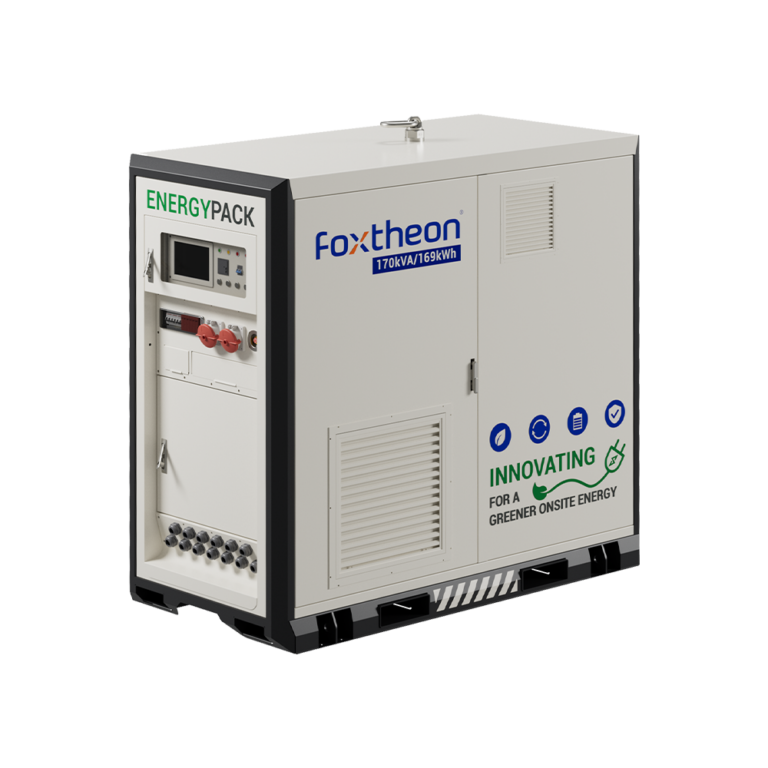
A battery energy storage system (BESS) stores electricity and supplies it later. On site, a BESS can add power during short peaks or supply selected loads while a generator is off. Both uses depend on how much power the battery must deliver and when it can recharge.
Cover short equipment peaks
A crane, pump or hoist can briefly demand more power than the available source can supply. A suitably sized BESS can supply the difference.
Check first. Measure how high the peaks are, how long they last and how often they occur. See the tower crane sizing guide.
Run low loads on battery
For a rental or remote site, battery power can cover suitable overnight loads such as site offices and lighting while the generator is off.
Check first. List what must stay on, when the generator can restart and how long the site needs to run on battery.
Work within a grid limit
Where a limited grid connection has spare capacity at quieter times, the battery can recharge and help cover brief periods of higher demand.
Check first. Compare the permitted grid import with normal demand and check for spare charging capacity between peaks. See the weak-grid configuration.
Project sizing
How to size a battery energy storage system
Start with a measured load profile when you have one. Check how much power the battery must deliver, how long it must deliver it and when it can recharge.
Continuous and peak power
List typical demand, maximum demand and the equipment that starts together. Record the size, duration and frequency of peaks. Check kW, kVA and power factor when matching the battery inverter to the site loads.
Usable energy and runtime
Estimate the energy needed during each battery-only period in kWh. Allow for conversion losses, reserve and the battery's usable state-of-charge range when comparing nominal capacities.
Charging and site conditions
Record the generator rating or grid limit, any solar input and the time available to recharge. Confirm voltage, frequency, controls compatibility and installation conditions for the chosen setup.
Systems and applications
Find the right setup for your site
Choose a starting point based on the power sources you have and the loads you need to run.
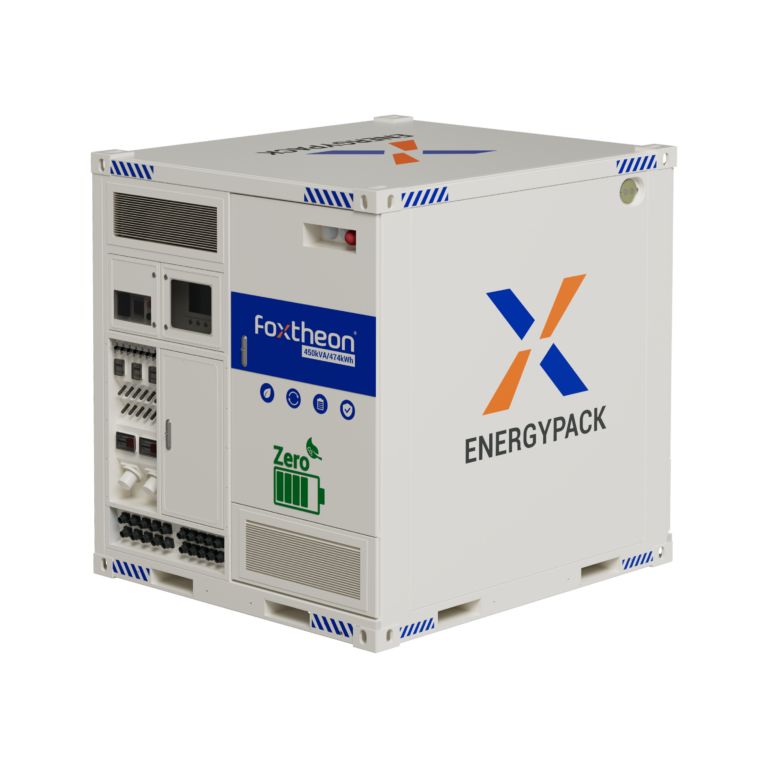
EnergyPack · Add battery storage
Pair mobile or containerized storage with a compatible generator, grid connection or solar installation. Compare P and M Series models by power, storage capacity and deployment.
Compare EnergyPack models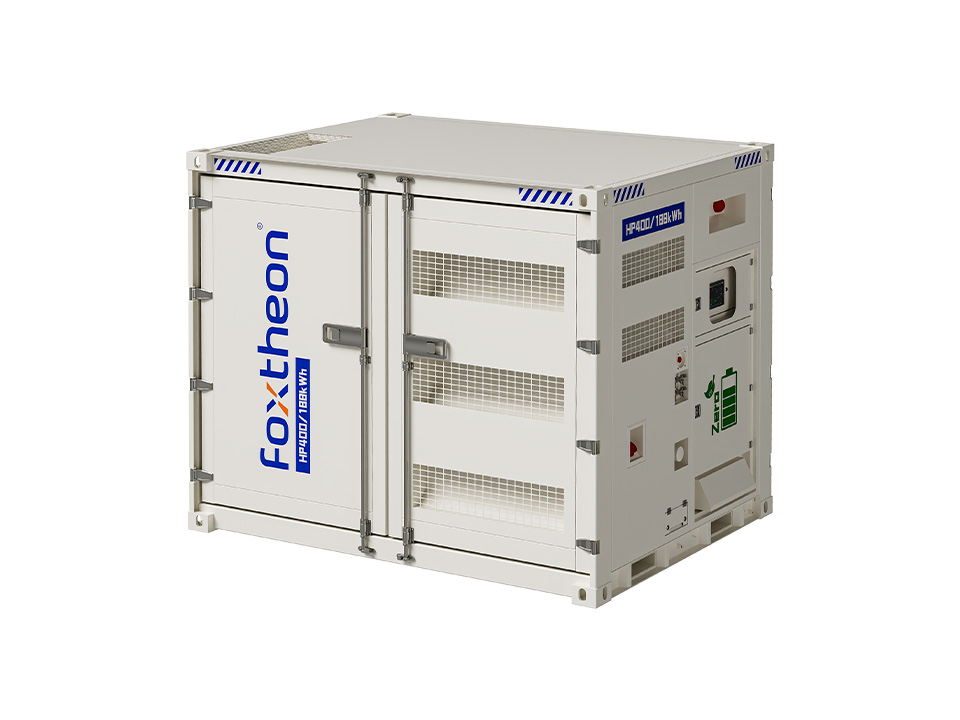
HybridPack · Combine diesel and storage
Choose an integrated diesel generator and battery system for off-grid sites that need both generation and energy storage. See available configurations and applications.
Explore HybridPack systems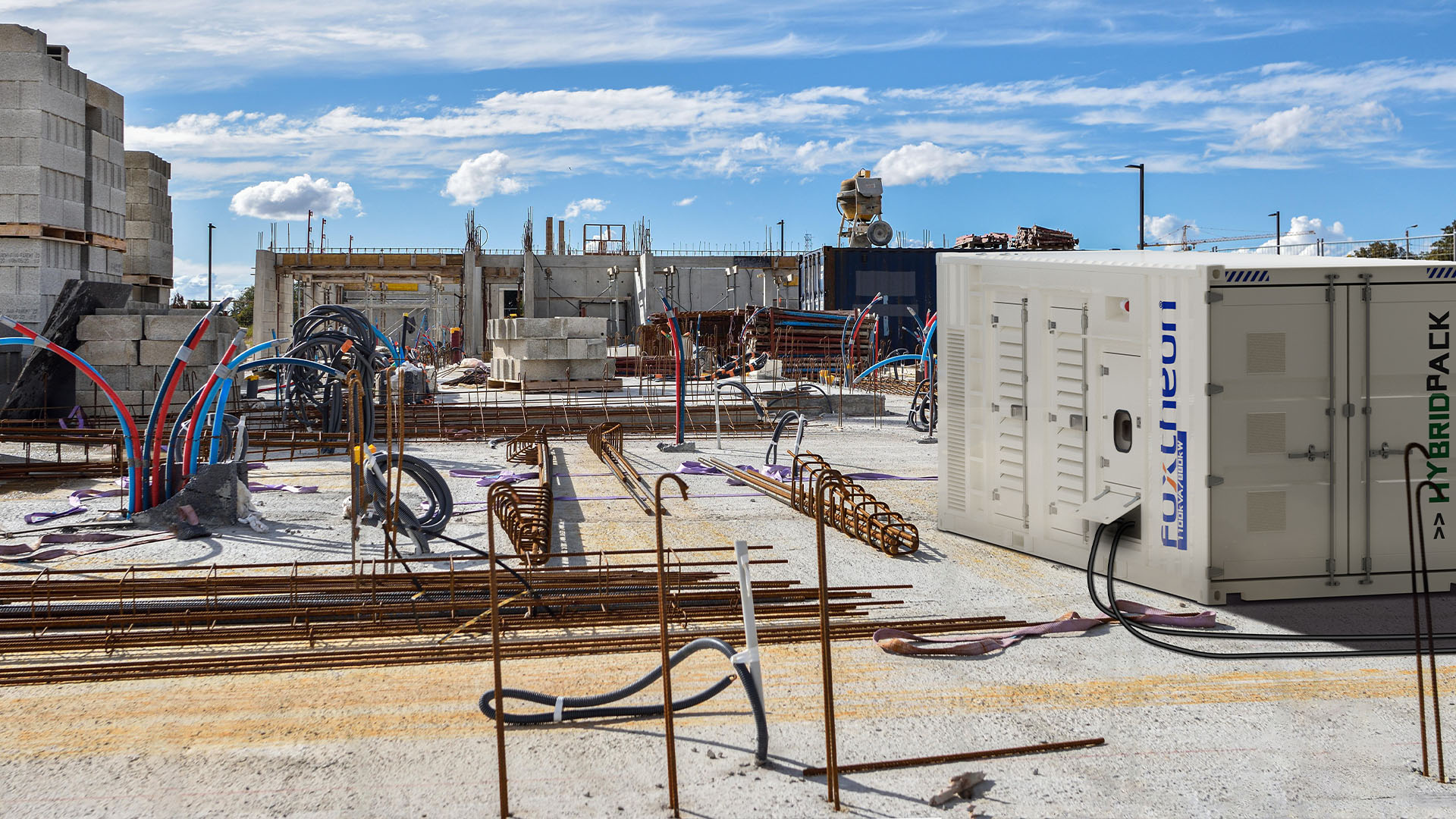
Construction site power
See how battery and generator systems can work together to handle crane starts, temporary site loads and changing power demand.
Explore construction site power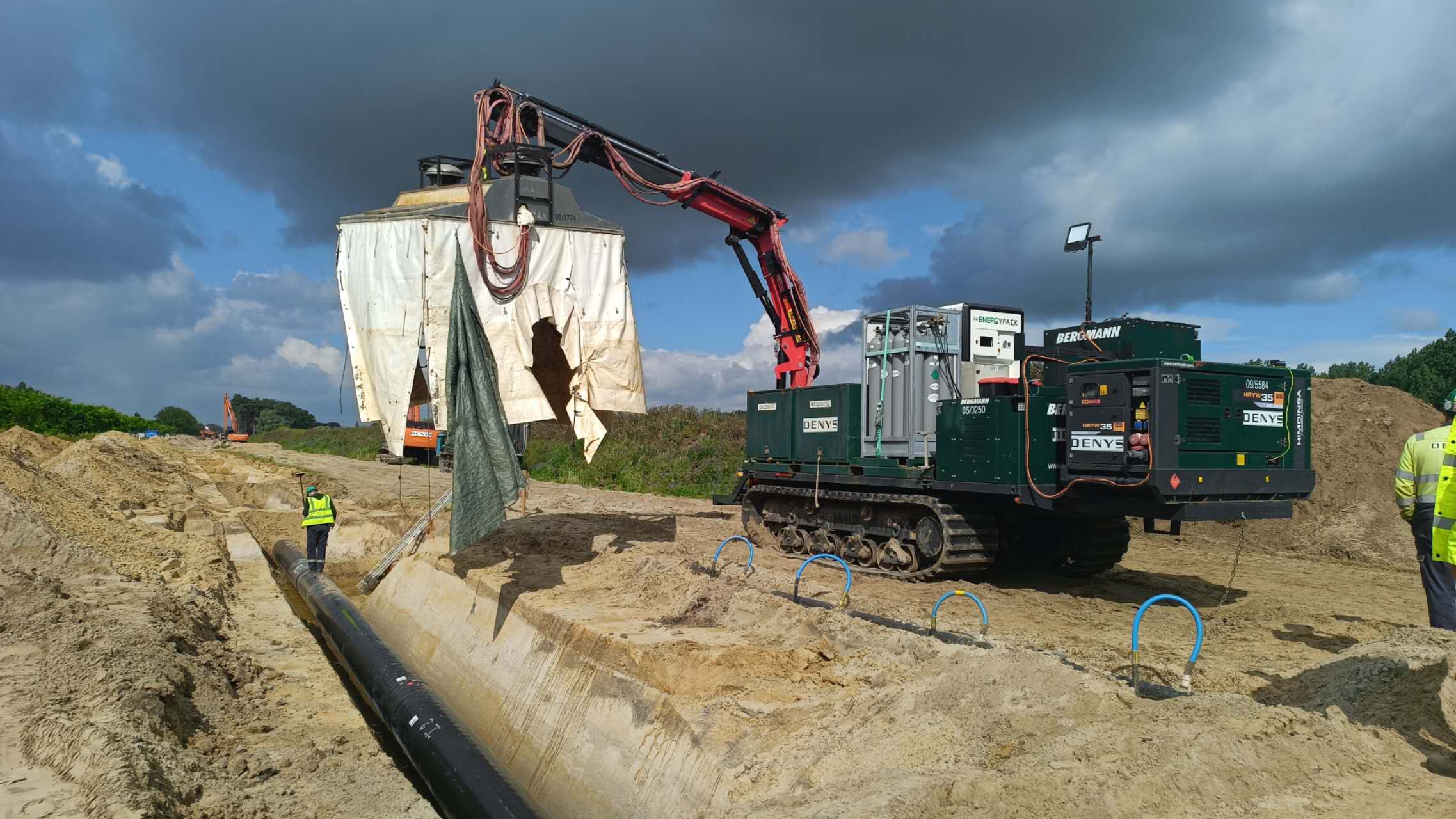
Field case · Denys, Belgium
On a trenchless construction project, a 35 kVA Stage V generator supplied baseline power while EnergyPack supported short peaks from a crawler with a 75 kW soft-start motor. The case describes the system configuration while long-term operating data is still being collected.
Read the Denys field caseFrequently asked questions
Common BESS sizing questions
When should I look at adding more source power?
If the site routinely uses all available grid or generator power for long periods, check whether there is enough spare capacity to recharge the battery. A recurring energy shortfall may require more generation, a larger grid connection or changes to when equipment runs. Battery capacity determines how long a shortfall can be covered.
What can I share if I have no load data yet?
Start with an equipment list, nameplate ratings, the loads that start or run together and a typical shift schedule. Include which loads must stay on overnight. Use these inputs for a preliminary review and confirm the assumptions with site measurements before selecting equipment.
What should a rental fleet check before moving a BESS to another site?
Confirm the next site's load profile, supply voltage and frequency, available charging source and battery runtime. Check access, lifting and placement requirements with the project team before dispatch.
Talk to Foxtheon
Get a sizing review for your project
Share the information you already have so we can discuss which configuration fits your site.
- Site location, application and main equipment
- Existing generator, grid connection or solar supply
- Typical load, peak load and peak duration
- Required battery-only runtime and available charging windows