
Grid instability, planned outages, and extreme weather events directly impact revenue streams and operational safety for industrial facilities, data centres, and remote infrastructure. Unlike consumer-grade portable batteries, a professional-grade emergency mobile power supply must satisfy stringent voltage stability, thermal endurance, and seamless transfer switching. This article examines the engineering principles, application-specific configurations, and lifecycle economics for commercial users — without exaggerating or dismissing existing generator assets. Foxtheon has engineered hybrid energy platforms that complement rather than replace conventional backup fleets, respecting capital already deployed.
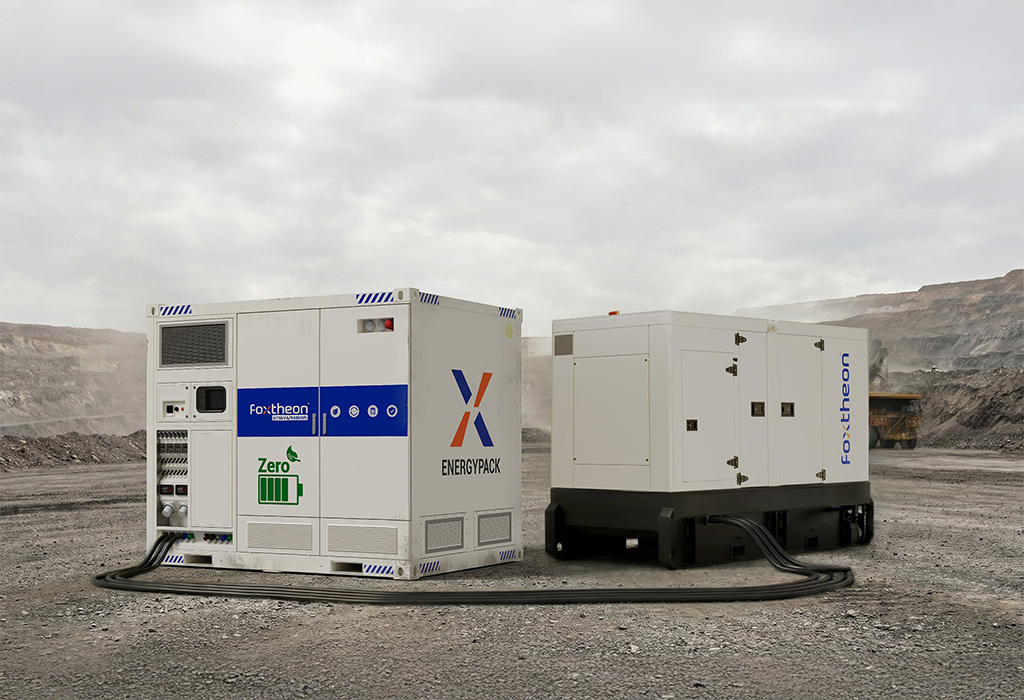
1. Core Components That Define a Professional Emergency Mobile Power Supply
An industrial mobile power system for emergency response goes beyond basic battery capacity. It consists of four interdependent subsystems:
- Battery bank – Lithium iron phosphate (LFP) cells preferred for their thermal runaway threshold (270°C) and cycle life exceeding 4000 cycles at 80% depth of discharge. NMC chemistries may be used for energy-dense applications but require active liquid cooling.
- Bi-directional inverter – True sine wave output with ≤3% total harmonic distortion (THD) for sensitive PLCs and medical devices. Peak efficiency above 94% at 50% load.
- Battery management system (BMS) – Cell-level voltage/temperature monitoring, passive or active balancing, and CAN/RS485 communication ports for external EMS integration.
- Thermal conditioning – Forced air or refrigerant-based cooling for operating ambient temperatures from -20°C to 55°C (commercial-grade units).
When procuring an emergency mobile power supply for critical infrastructure, request documentation on peak short-circuit current capacity and transfer relay type (mechanical vs. static). These parameters determine compatibility with downstream UPS systems and motor loads.
2. B2B Applications Where Mobile Emergency Power Prevents Revenue Loss
Different verticals impose distinct stress profiles on backup assets. Below are four high-stakes environments where a well-specified emergency mobile power supply directly correlates with uptime guarantees.
2.1 Telecommunications and Edge Data Centres
Cellular towers and edge nodes require immediate ride-through power during mains dips. A mobile lithium-based system offers sub-20ms switchover, supporting rectifier loads until a diesel generator starts or grid returns. For remote towers without permanent gensets, a solar-ready emergency mobile power supply can sustain 48V DC telecom plants for 6-12 hours depending on battery kWh rating.
2.2 Industrial Manufacturing – Cold Starts and Automation
Programmable logic controllers (PLCs), robotic workcells, and vision systems require clean, uninterrupted power. Voltage sags below 85% nominal can corrupt recipe data. A mobile power unit with double-conversion online topology eliminates micro-outages. Many plant managers deploy wheeled emergency mobile power supply skids that can be repositioned to different production lines based on scheduled maintenance or unexpected transformer failures.
2.3 Healthcare and Laboratory Diagnostics
Refrigerated centrifuges, -80°C freezers, and analytical instruments have strict thermal and power continuity requirements. Portable emergency units with hospital-grade grounding and isolated transformers are necessary. A single 10kWh mobile system can back up a PCR testing workstation for over 8 hours, avoiding reagent loss.
2.4 Field Service and Remote Construction Sites
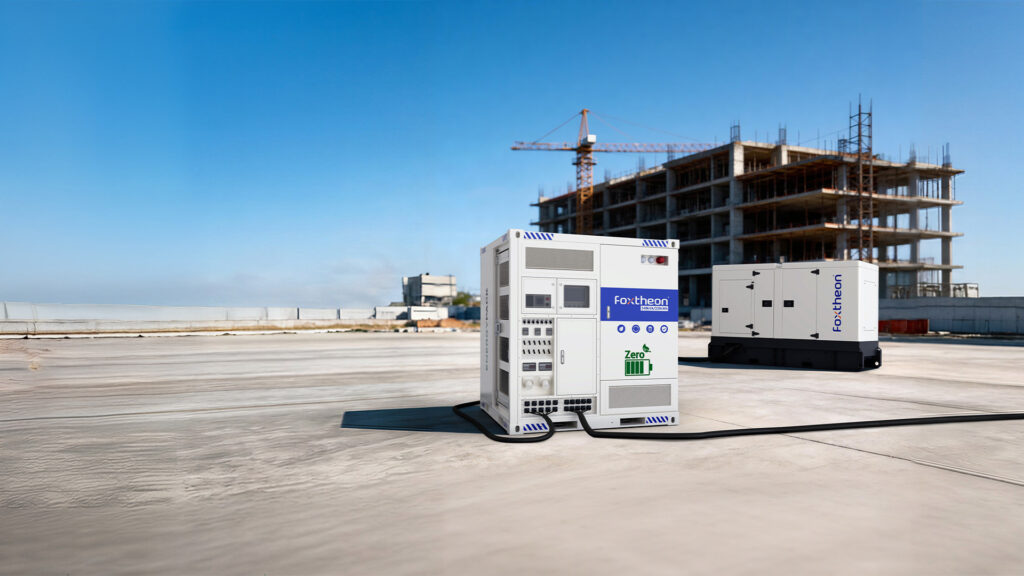
Hydraulic power packs, lighting towers, and concrete vibrators draw high inrush currents. Hybrid emergency mobile power supply systems integrate with onboard generators to start heavy loads, then automatically switch to battery-only mode during light load periods, reducing fuel consumption and noise exposure for night shifts.
3. Seven Technical Pain Points Solved by Modern Mobile Energy Storage
Conventional backup strategies (e.g., stationary lead-acid batteries or diesel gensets) present operational frictions. Today’s emergency mobile power supply solutions address these issues through embedded intelligence and modular design.
- Fuel logistics vulnerability – Road closures or fuel contamination can paralyse generator fleets. Mobile battery units can be recharged from any grid socket, solar array, or even a running generator (as a buffer).
- Load step response – Traditional gensets suffer voltage dip during large motor starts. Inverter-based mobile supplies with 200% peak power capacity (for 3-5 seconds) handle pump and compressor inrush without sag.
- Emission compliance zones – Urban construction sites, hospitals, and university campuses restrict diesel runtime. Zero-emission mobile power units operate indoors and near air intakes.
- Maintenance downtime – Wet-cell batteries require quarterly equalisation charges; diesel engines need oil changes and fuel polishing. LFP-based emergency mobile power supply units have sealed, maintenance-free operation for 5+ years except for occasional firmware updates.
- Scalability mismatch – Fixed backup capacity cannot adapt to changing loads. Stackable mobile units (parallel up to 6 units) allow flexible capacity from 5kVA to 60kVA using proprietary communication cables.
- Remote monitoring gap – Onboard IoT gateways with 4G/Wi-Fi push real-time SoC (state of charge), fault logs, and estimated runtime. Integration with SNMP or Modbus TCP is standard for Foxtheon commercial units.
- Cold-temperature degradation – Self-heating battery technology (using waste inverter heat or dedicated heating film) enables charging down to -10°C without lithium plating risk.
4. Hybrid Architectures: Pairing Emergency Mobile Power Supply with Existing Generators
As a professional practice, we do not advocate retiring functional diesel generators. Instead, a hybrid control system (e.g., Foxtheon’s Energy Hub controller) orchestrates a balanced workflow: the mobile battery unit handles transient loads and short-duration outages (0-30 minutes), while the generator is started only for extended events. This strategy yields three measurable benefits:
- 30-50% reduction in generator runtime and associated maintenance intervals.
- Lower site-wide fuel consumption and carbon footprint (battery recharge can be scheduled during off-peak grid hours).
- Spinning reserve elimination – no need to keep a generator idling for instantaneous response.
Field data from a European logistics centre using Foxtheon 30kWh mobile units alongside two 100kVA legacy gensets showed a 44% drop in unexpected generator start events over six months, directly reducing particulate emissions near loading docks.
5. Lifecycle Cost Analysis: Mobile Lithium vs. Traditional Portable Generators
While initial acquisition cost of a high-quality emergency mobile power supply (per kWh) exceeds that of a comparable generator, total cost of ownership over 5 years often favours battery-based systems for applications with frequent, short-duration needs. Evaluate using these parameters:
Assumptions: 5-year period, 60 outage events/year, average 45 minutes per outage, labour rate $85/hour, fuel cost $1.2/L, generator periodic load banking required monthly.
| Cost component | 5kVA diesel portable genset | 5kW LFP mobile supply (10kWh) |
|---|---|---|
| Acquisition (USD) | $2,800 | $7,200 |
| Fuel & electricity (5 years) | $1,950 (1250 litres) | $860 (grid recharge @ $0.12/kWh) |
| Maintenance (parts & labour) | $1,150 (oil, filter, spark plug, valve adjust) | $120 (firmware updates, terminal cleaning) |
| Non-scheduled repair risk | $450 (injector, fuel pump) | $0 (under standard warranty period) |
| Total 5-year TCO | $6,350 | $8,180 |
For sites with average outage duration longer than 2 hours or those that require weekly portable backup, the generator TCO becomes lower. However, if noise, indoor use, or emission compliance is mandatory, the emergency mobile power supply remains the only viable option. Hybrid fleets combine strengths of both technologies.
6. Integration with Renewable Generation and Smart Grids
Commercial facilities increasingly adopt on-site solar carports or rooftop PV. A bidirectional emergency mobile power supply can function as a portable energy buffer: it charges from solar during daytime and discharges for evening emergency loads. This capability turns a backup asset into a revenue-generating peak-shaving tool when export tariffs are favourable. Key technical requirements:
- DC input port with MPPT (maximum power point tracking) up to 600V.
- Grid-forming inverter capability for islanded microgrids.
- Remote dispatch via OCPP (Open Charge Point Protocol) or vendor-specific API.
Foxtheon portable stations include a dry contact interface for external energy management systems, allowing priority logic (e.g., charge only when site solar export exceeds 2kW). This degree of control justifies the premium over consumer-grade units.
7. Safety Certifications and Compliance Standards for B2B Procurement
Any emergency mobile power supply deployed in regulated environments must carry third-party marks. At a minimum, request:
- UL 1973 (Stationary battery for backup) or UL 2743 (Portable power packs) for North American markets.
- IEC 62619 (Safety requirements for industrial lithium batteries).
- UN38.3 – mandatory for air/sea transport of battery systems.
- IP rating – IP54 minimum for outdoor construction use; IP65 for wet environments like food processing.
Ask the supplier for a complete test report including temperature cycling, overcharge protection, and vibration endurance (MIL-STD-810G). Foxtheon units carry UL 2743 certification and are verified for 5% to 95% non-condensing humidity operation, ensuring reliability in coastal or high-humidity industrial plants.
Frequently Asked Questions (B2B Focus)
Q1: What is the typical runtime of a commercial emergency mobile power supply at 80% load?
A1: Runtime depends on battery capacity and load profile. A 10kWh unit supplying 5kW continuous draws 5kWh per hour (including inverter losses), giving approximately 1.8-2 hours of runtime at 80% load. For longer durations, choose stackable units or hybrid operation with a generator. Always request a load curve – inductive loads (motors, transformers) may draw higher reactive power, reducing effective runtime by 15-25%.
Q2: Can an emergency mobile power supply be used while charging from a generator?
A2: Yes, if the unit supports pass-through charging (online double-conversion topology). In such configuration, the inverter powers loads from the battery and simultaneously accepts AC input from a generator or grid to replenish the battery. Ensure the generator’s power quality (frequency stability) matches the charger’s input specification – portable generators with AVR (automatic voltage regulation) work reliably. Low-cost inverters may trip on distorted generator waveforms.
Q3: How do you transport a heavy emergency mobile power supply across job sites?
A3: Industrial models above 20kg feature built-in fork pockets, locking casters (two swivel, two rigid), or modular trolley bases. For 50+ kg units, many B2B suppliers offer a separate dolly with pneumatic tyres for rough terrain. Check the unit’s center of gravity – top-heavy designs risk tipping. Foxtheon systems above 5kWh integrate low-profile chassis and side handles for two-person lifting, meeting OSHA ergonomic guidelines.
Q4: What is the expected calendar life of a LFP emergency mobile power supply in standby use?
A4: High-quality LFP cells retain ≥70% of nominal capacity after 8-10 years when stored at 25°C and 50% state of charge. Calendar ageing is primarily driven by temperature – each 10°C increase above 25°C roughly halves lifetime. Therefore, deploy mobile units in conditioned spaces or shaded enclosures. BMS log can show total equivalent full cycles and average temperature history. For mission-critical roles, replace battery modules after 8 years regardless of cycle count.
Q5: Can the same unit serve both as an emergency backup and a daily peak-shaving asset?
A5: Yes, if the inverter supports scheduled discharge cycles. Many advanced emergency mobile power supply products offer peak shaving mode: the unit discharges during predefined high-tariff hours (e.g., 2 PM – 6 PM) and recharges during low-rate periods. This application adds cycles to the battery, so ensure the warranty covers 2+ cycles per day. Hybrid use reduces payback period but requires adequate thermal design for daily cycling.
Q6: What communication protocols are standard for remote monitoring?
A6: Professional units integrate RS485 (Modbus RTU), CAN bus (J1939 or proprietary), and dry contact relays for external alarms. Ethernet/Wi-Fi with MQTT or REST API for cloud platforms is common in recent models. Always verify that the supplier does not impose recurring subscription fees for basic telemetry (SoC, output power, fault codes). Foxtheon provides open Modbus maps and a free local dashboard for fleet management.
Request a Technical Consultation for Your Mobile Backup Strategy
Selecting the correct emergency mobile power supply requires load audits, fault current analysis, and installation environment reviews. Foxtheon engineering team provides site-specific simulation reports, including voltage drop maps and hybrid generator-battery dispatch logic. No two facilities have identical backup requirements – our proposals include a 10-year lifecycle projection with transparent cell replacement costs.
Send your facility’s single-line diagram and existing generator inventory to our B2B support desk. We will return a compatibility matrix and sizing recommendation within 3 business days. Contact Foxtheon directly for a non-binding quote and remote demonstration of the parallel operation feature.
👉 Request a quote or engineering whitepaper →
© 2026 Foxtheon – Intelligent energy solutions for global industry. Specifications subject to application verification.