
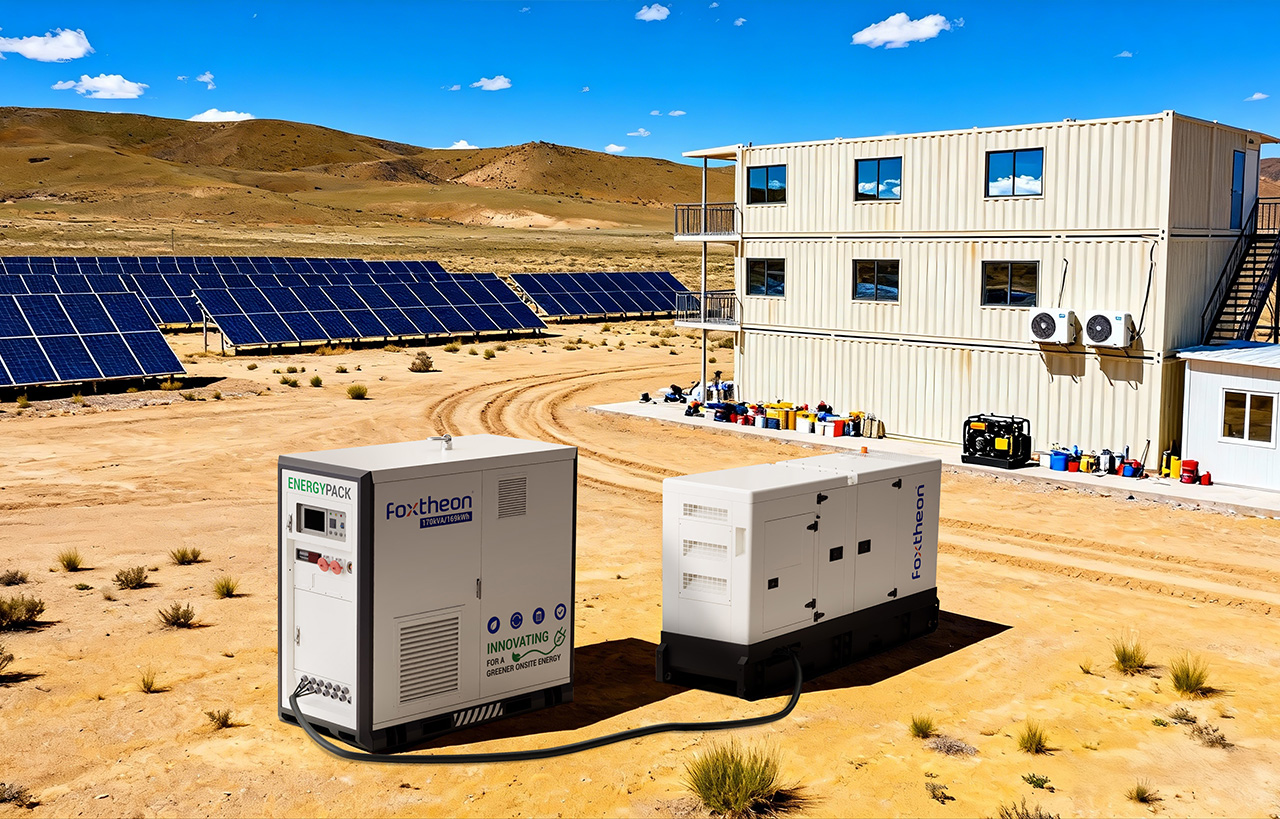
For project managers, electrical engineers, and site supervisors operating in Australia and New Zealand, the term “mobile power” extends far beyond simple energy supply. It is a critical safety and compliance issue, governed by the AS/NZS 3000 (the Wiring Rules). Deploying non-compliant equipment on a worksite introduces significant electrical risks, invalidates insurance, and can lead to severe regulatory penalties. This article provides a technical deep dive into AS/NZS 3000 compliant mobile power, exploring the engineering challenges, application-specific requirements, and how modern hybrid solutions from providers like Foxtheon are setting new benchmarks for safety and efficiency.
1. Decoding AS/NZS 3000: Key Compliance Parameters for Mobile and Temporary Power
Achieving compliance for mobile power units is more complex than for fixed installations. The standard, officially known as AS/NZS 3000:2018 (and its amendments), sets out mandatory requirements for the design, construction, and testing of electrical installations, including those that are transportable. For a mobile power solution, such as a hybrid generator or battery storage system, several clauses are particularly pertinent.
1.1 Protection Against Electric Shock (Section 2)
This is the cornerstone of the Wiring Rules. For mobile equipment used outdoors, this mandates specific protection measures:
- Residual Current Devices (RCDs): All final sub-circuits supplying socket outlets must have RCD protection, typically with a maximum rated residual operating current of 30 mA. Mobile units must integrate these devices at the point of distribution.
- Equipotential Bonding: All exposed conductive parts of the mobile power unit and any connected equipment must be bonded to the main earthing terminal of the unit, ensuring that a fault does not create a dangerous touch voltage.
- MEN System: Mobile power systems designed to operate as a standalone supply or as part of a low-voltage installation must comply with the Multiple Earthed Neutral (MEN) system requirements, which is fundamental to Australian electrical safety.
1.2 Selection and Installation of Electrical Equipment (Section 4)
This section governs the physical hardware. For AS/NZS 3000 compliant mobile power units, this translates to:
- Ingress Protection (IP) Ratings: Equipment enclosures must be rated to prevent the ingress of moisture and dust. For outdoor construction sites, a minimum of IP33 is often required, but units designed for harsh conditions frequently feature IP55 or higher.
- Cable Management and Connectors: Cables must be adequately sized for their current-carrying capacity, de-rated for ambient temperature, and protected against mechanical damage. Connectors must be industrial-grade, often complying with AS/NZS 3123.
- Isolation and Switching: Clear means of isolation from all supply sources (including the battery bank) must be provided, allowing for safe maintenance and emergency shutdown.
1.3 Verification and Testing (Section 8)
Compliance is not a one-time design exercise. AS/NZS 3000 compliant mobile power units must undergo rigorous testing, including insulation resistance, continuity of earthing, and correct RCD trip time testing. These tests must be carried out upon installation and at regular intervals thereafter, with results documented.
2. Critical Applications Demanding Certified Mobile Power
The need for verifiable compliance is most acute in industries where electrical risk is heightened and operational continuity is paramount. Deploying uncertified equipment in these environments is not an option.
2.1 Large-Scale Construction and Civil Engineering
On sites like Sydney’s Metro or Melbourne’s North East Link, mobile power units power everything from cranes and hoists to site sheds and critical safety lighting. Here, compliance ensures:
- Safety in Wet Conditions: Excavation and concrete work often involve water. RCD protection and high IP ratings are non-negotiable.
- Coordination with Site Mains: Mobile units are often paralleled with or supplement site mains supply. Strict adherence to MEN and earthing requirements prevents circulating currents and neutral faults.
2.2 Resource Extraction: Mining and Quarrying
In remote FIFO operations, mobile power units are the primary source of electricity for workshops, exploration camps, and temporary processing plants. The harsh conditions demand:
- Robust Mechanical Design: Units must withstand vibration, dust, and extreme temperatures without compromising electrical safety.
- Non-Compliant Risk: A single earth fault on a non-compliant generator can energize the entire chassis of a drill rig, creating a lethal hazard. AS/NZS 3000 compliant mobile power eliminates this risk through mandatory bonding and protection schemes.
2.3 Events and Temporary Infrastructure
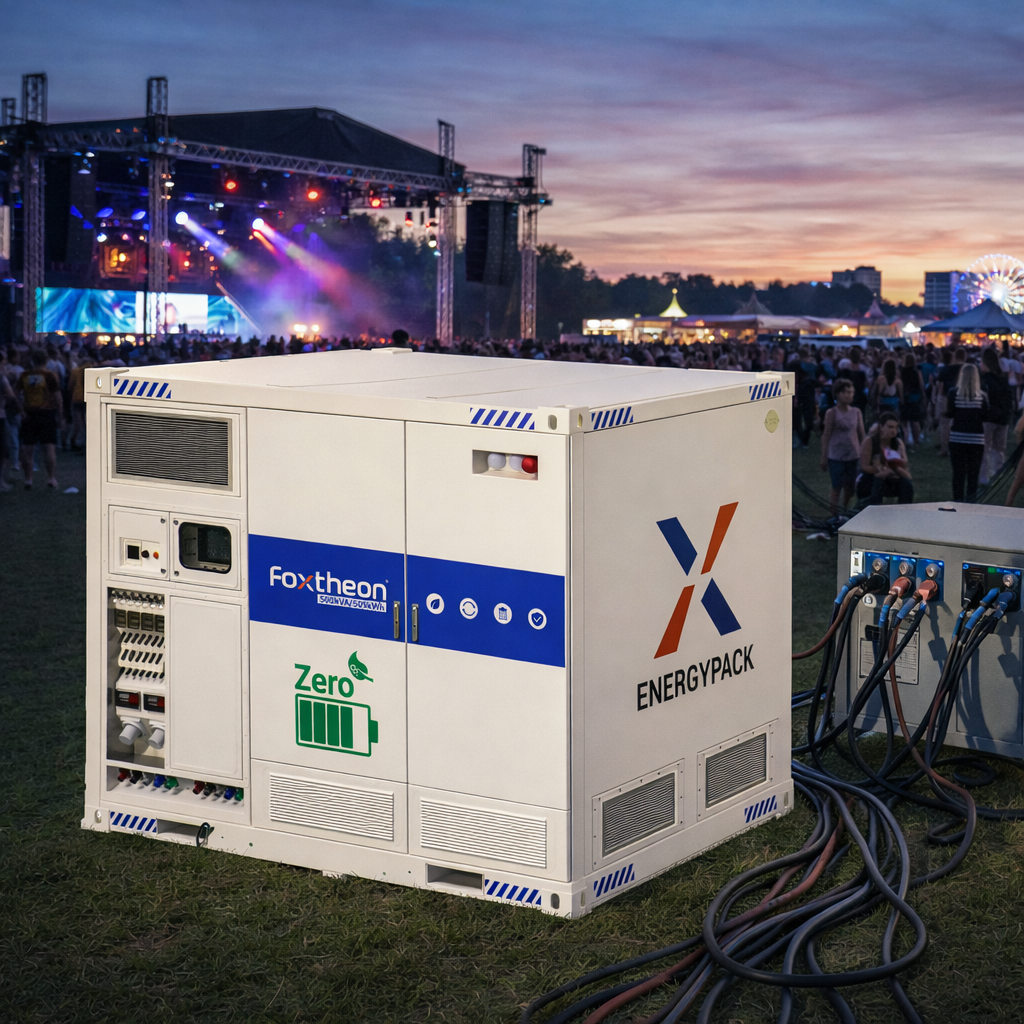
Large-scale events like the Adelaide 500 or regional agricultural shows rely on temporary power distribution. Compliance here is about public safety and supply integrity.
3. Foxtheon’s Engineering Approach to AS/NZS 3000 Compliance
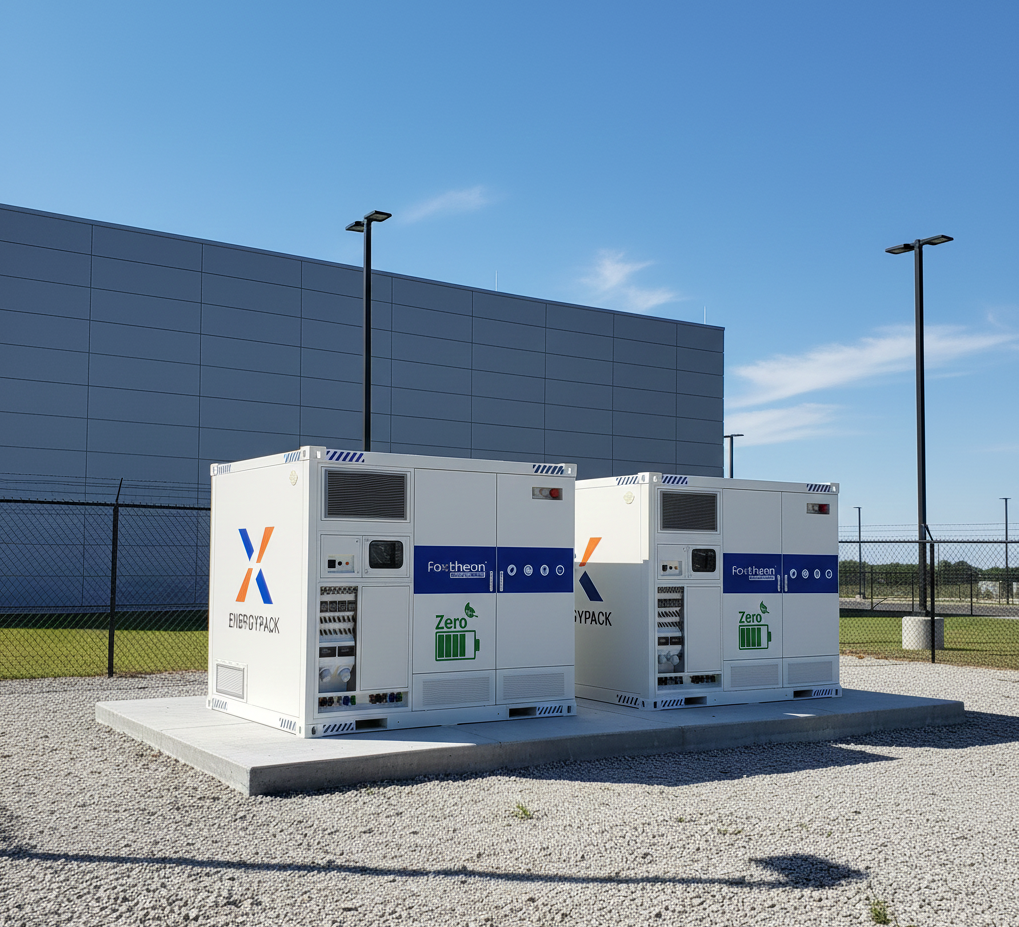
Meeting the stringent requirements of the Wiring Rules demands an integrated design philosophy. Foxtheon embeds compliance at the core of its mobile energy solutions, moving beyond simple “bolt-on” safety features. The EnergyPack series exemplifies this approach.
3.1 Inherently Safe System Architecture
The Foxtheon EnergyPack is designed as a high-performance energy storage system suitable for remote locations. Its compliance is built upon:
- Integrated MEN Switching: The unit’s automatic transfer switch and inverter system are designed to detect the site earthing configuration and maintain MEN integrity whether operating in grid-tied or island mode.
- Multi-Stage RCD Protection: Type A and Type B RCDs are integrated at the output stage, providing protection against both sinusoidal AC and pulsating DC fault currents, which is critical for sites with variable speed drives and electronic loads.
- Galvanic Isolation: The high-frequency design in the HybridPack (a distributed power supply system that integrates generation and storage) often incorporates galvanic isolation, preventing DC faults from propagating into the AC site installation—a key requirement for Clause 7.7 (protection against fault currents).
3.2 Environmental and Mechanical Integrity
Physical compliance is ensured through industrial-grade design. The EnergyPack’s enclosure is engineered to meet and exceed typical IP requirements, with sealed cable entries and corrosion-resistant materials. This ensures that the internal electrical connections and sensitive electronics remain protected, maintaining the integrity of the insulation system over years of deployment in the Pilbara or the Snowy Mountains.
3.3 The Hybrid Advantage in Compliance
By combining the EnergyPack with the HybridPack and SolarPad, Foxtheon creates an integrated on-site energy ecosystem. This hybrid approach aids compliance by:
- Reducing Fuel Dependence: Less reliance on diesel generators means fewer fuel spills and less handling of flammable liquids, indirectly reducing site electrical and fire risks.
- Quieter Operation: Lower noise levels allow for power placement closer to workfronts without acoustic disruption, reducing the need for long, potentially hazardous, trailing cables.
4. Solving Industry Pain Points: Beyond the Compliance Certificate
For industry professionals, achieving compliance is not just about passing an inspection. It is intrinsically linked to operational and financial performance. AS/NZS 3000 compliant mobile power from a provider like Foxtheon directly addresses several core pain points:
- Project Tender Eligibility: Major infrastructure projects (tier 1 contractors) mandate compliance for all site equipment. A certified unit like the EnergyPack P150 is a prerequisite for bidding, not an optional extra.
- Insurance and Liability: In the event of an electrical fire or fatality, insurers and forensic investigators will scrutinize the compliance of all power sources. Non-compliance can void insurance policies, leaving the principal contractor fully liable for damages, which can run into the millions.
- Downtime Reduction: RCD tripping is a common source of site downtime. Compliant units with advanced, selective RCD coordination (as built into the EnergyPack) ensure that only the faulty circuit is isolated, keeping critical safety and control systems operational.
- Simplified Site Audits: Electrical safety auditors on sites like Rio Tinto or BHP facilities require immediate proof of compliance. Having a mobile power unit with clear labelling, test tags, and an inherent design that meets the Wiring Rules streamlines these audits significantly.
5. The Economic Case for Certified Hybrid Systems
While the initial capital outlay for a premium AS/NZS 3000 compliant mobile power solution may be higher than a standard construction-grade diesel generator, the total cost of ownership (TCO) tells a different story. A data-driven analysis reveals:
- Fuel Savings: Hybrid systems like the EnergyPack + HybridPack combination can reduce diesel consumption by 50-80%, as the battery handles peak loads and the generator runs only at optimal efficiency for recharging. For a 6-month project consuming 20,000 litres of diesel, this translates to savings of AUD $30,000-$50,000.
- Maintenance Reduction: Diesel generators require frequent oil changes and servicing. A hybrid system significantly reduces generator run-hours, cutting maintenance costs by up to 40%.
- Carbon Offset and ESG Goals: Companies are increasingly required to report on Scope 1 and Scope 2 emissions. Replacing diesel with integrated solar (SolarPad) and battery storage directly reduces on-site emissions, supporting corporate sustainability targets and avoiding potential future carbon taxes.
- Project Continuity: The cost of a single day’s project delay can dwarf the price of a power system. The reliability and instantaneous response of a battery-based mobile power unit eliminate the risk of generator failure or refuelling delays, ensuring critical path activities remain energized.
6. Future-Proofing Installations: The Evolution of AS/NZS 3000 and Clean Energy
The Wiring Rules are periodically updated to reflect new technologies and safety concerns. The increasing penetration of battery storage and inverter-based resources (IBR) into the grid and standalone systems is a key driver for change. Future amendments are likely to place even greater emphasis on:
- Fault Current Contribution from Inverters: Ensuring that battery inverters can provide enough fault current to reliably trip protective devices.
- Cybersecurity of Smart Systems: As mobile power units become remotely monitored and controlled, protecting the control network becomes a safety consideration.
- End-of-Life Management: Standards for battery recycling and safe disposal.
Choosing a forward-thinking partner like Foxtheon, whose products are designed with adaptability in mind, ensures that your investment in AS/NZS 3000 compliant mobile power today will continue to meet the standards of tomorrow.
Frequently Asked Questions (FAQ)
Q1: What is the most common reason for a mobile generator failing an AS/NZS 3000 site compliance test?
A1: The most frequent failure is inadequate earthing and bonding, specifically the lack of a proper MEN (Multiple Earthed Neutral) connection or incorrect implementation of the generator’s neutral-to-earth bond when switching between grid and island mode. This is often compounded by missing or incorrectly rated RCD protection on socket outlets.
Q2: Can I use a standard “construction site” generator from a hardware store on a major infrastructure project?
A2: It is highly unlikely to be permitted. Major projects require verifiable compliance documentation, often including test certificates from the manufacturer (like the Type Test for the Foxtheon EnergyPack P150) and evidence that the unit as a whole meets the stringent requirements of AS/NZS 3000, especially for MEN system compatibility and protection against external influences. Consumer-grade units rarely meet these full-scope requirements.
Q3: How often does an AS/NZS 3000 compliant mobile power unit need to be re-tested on-site?
A3: For construction and demolition sites, AS/NZS 3012 (Electrical installations – Construction and demolition sites) typically requires testing of all electrical equipment, including the mobile power source, every three months, or more frequently if the unit is subject to harsh conditions or damage. This includes visual inspections, RCD trip testing, and insulation resistance checks.
Q4: Does integrating solar panels (like Foxtheon SolarPad) with a mobile power unit affect its AS/NZS 3000 compliance?
A4: Yes, it can, which is why a holistic system design is critical. Adding solar panels introduces DC wiring and additional inverters/charge controllers. These components must be fully integrated into the unit’s protection scheme, ensuring they do not compromise the AC earthing system or introduce new hazards like DC arcing. A pre-engineered solution like the Foxtheon hybrid system ensures this integration is compliant from the outset.
Q5: What specific IP rating should I look for in a mobile power unit for use in a dusty mining environment?
A5: For environments with high dust levels and potential water wash-down, an IP rating of at least IP55 is recommended. The first ‘5’ indicates dust-protected (limited ingress permitted, not harmful to operation), and the second ‘5’ indicates protection against low-pressure water jets from any direction. For extreme conditions, units rated IP65 or IP66 provide a higher level of assurance.
Q6: What documentation should I request from a supplier to prove AS/NZS 3000 compliance?
A6: You should request a formal Declaration of Conformity from the manufacturer, outlining the specific clauses of AS/NZS 3000 the unit meets. Additionally, request Type Test reports for critical components (inverters, batteries, RCDs) and a schematic diagram showing the unit’s internal MEN arrangement and protection devices. For a unit like the Foxtheon EnergyPack, this comprehensive technical file is available to qualified customers.
Q7: Is AS/NZS 3000 compliance the same as having an “Australian Compliance” tick?
A7: Not exactly. The “RCM” mark indicates compliance with relevant Australian electrical safety and EMC standards for the device itself. However, AS/NZS 3000 compliance goes further, covering how that device is installed and integrated into the overall electrical installation (e.g., the mobile unit connected to site switchboards). A product can have an RCM mark but still be installed in a way that violates the Wiring Rules. A truly AS/NZS 3000 compliant mobile power unit is designed to be installed in a manner that meets the Wiring Rules automatically.