
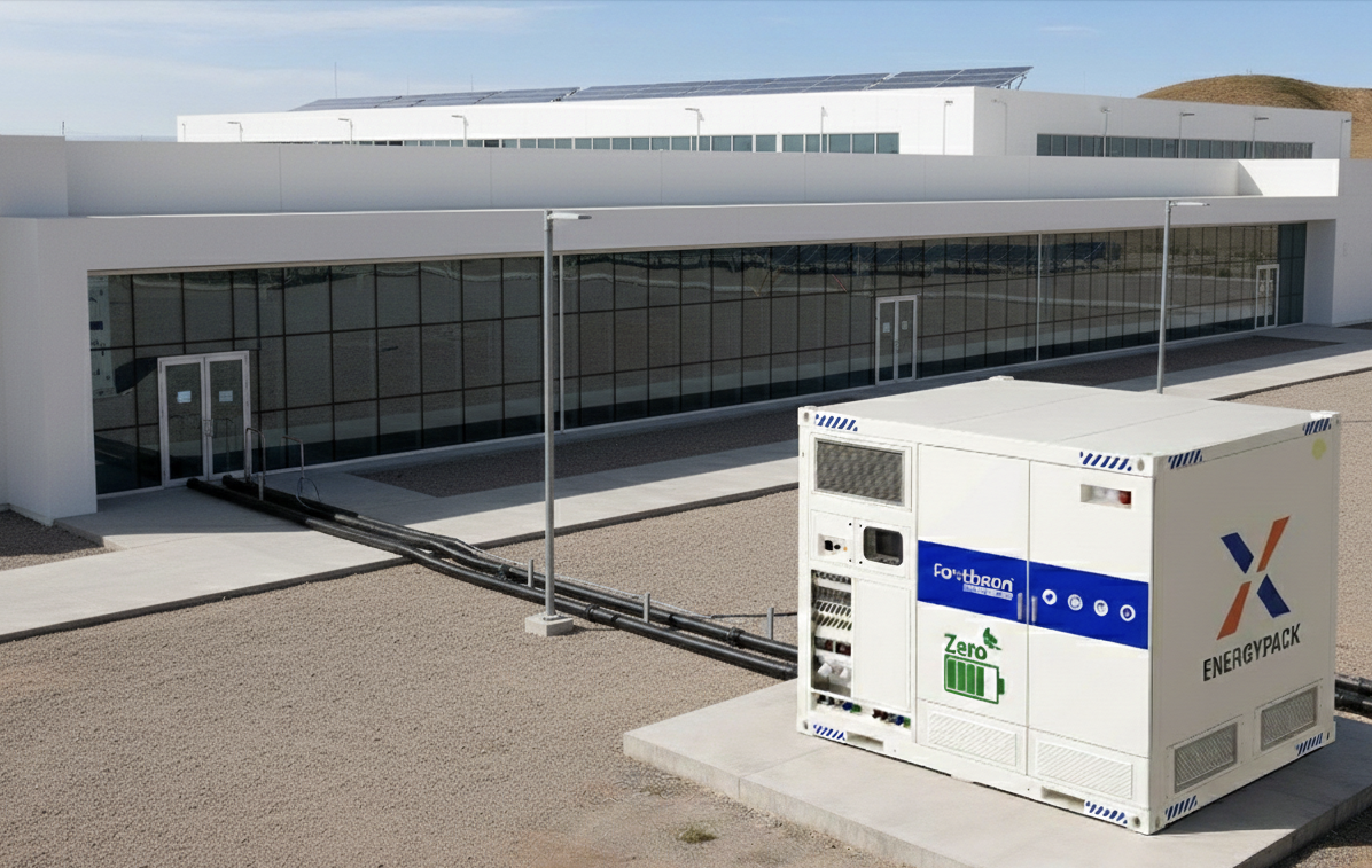
Managing water accumulation is a constant challenge on construction sites, in mines, and during flood control operations. If the pumps stop, the project stops. For decades, the industry relied solely on oversized diesel generators to handle these critical loads. However, the energy landscape is shifting.
Operators are now turning to BESS for dewatering pumps to solve age-old efficiency problems. A Battery Energy Storage System (BESS) offers a way to stabilize power, cut fuel consumption, and reduce the carbon footprint of heavy industrial projects. This technology is not just a trend; it is a practical response to rising fuel costs and strict environmental regulations.
Integrating a battery system allows for smoother operations. It handles the heavy electrical surges that occur when pumps start, protecting equipment and preventing blackouts. Industry leaders like Foxtheon are at the forefront of this transition, providing smart energy solutions that make dewatering processes more reliable and cost-effective.
What Is BESS for Dewatering Pumps and How Does It Work?
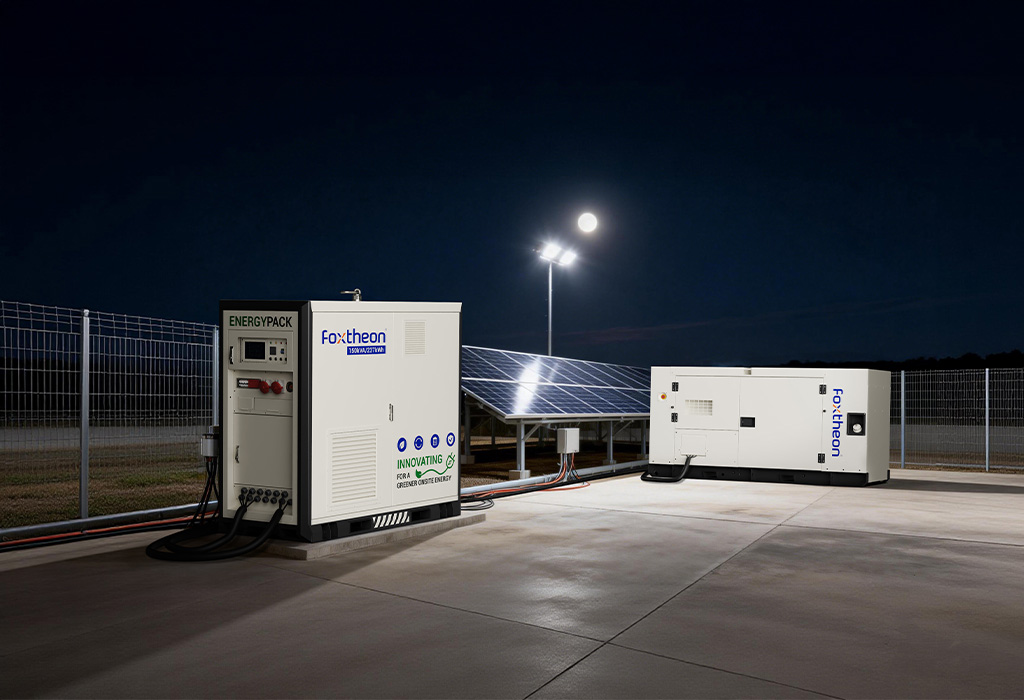
A BESS for dewatering pumps is more than just a large battery pack. It is an intelligent energy management system designed to store electrical energy and release it exactly when the pump motors need it most. These systems typically utilize Lithium Iron Phosphate (LFP) chemistry due to its safety and long cycle life.
The core function involves managing the load profile of the pumps. Dewatering pumps often run at variable speeds or cycle on and off based on water levels. A diesel generator running alone must stay on constantly, often running at low loads where it is least efficient. This leads to “wet stacking” and engine damage.
By connecting a battery system, you create a buffer. The generator charges the battery at its optimal load, and the battery runs the pump. When the battery gets low, the generator kicks back in. This cycle ensures that every drop of fuel is used effectively.
The Problem with Traditional Generator Setups
To understand the value of BESS for dewatering pumps, we must look at the inefficiencies of traditional setups. Diesel generators are the workhorses of the construction industry, but they have significant limitations when powering electric motors.
- Oversizing: Electric pumps require a massive surge of power to start—often 3 to 7 times their running current. Operators must buy a generator large enough to handle this split-second spike, even though the pump only needs a fraction of that power to run.
- Fuel Waste: Because the generator is oversized, it runs at 30% or 40% capacity most of the time. This is inefficient and burns unnecessary fuel.
- Maintenance Costs: Running diesel engines at low loads causes carbon buildup and frequent breakdowns.
A battery storage system solves this by handling the “in-rush” current. The battery provides the immediate power spike needed to start the motor, allowing operators to use a much smaller, more efficient generator.
Key Benefits of Using BESS for Dewatering Pumps
Switching to a hybrid or fully electric storage solution brings immediate operational advantages. The integration of BESS for dewatering pumps creates a smarter site grid.
Significant Fuel Savings
Fuel is often the single largest expense in dewatering operations. By optimizing the generator’s runtime, a BESS can reduce fuel consumption by 40% to 60%. The generator runs less often, but when it does, it runs at peak efficiency to charge the batteries.
Noise Reduction
Many construction projects take place near residential areas or in strict noise-control zones. A generator running 24/7 is a major disturbance. A BESS allows the site to run silently on battery power during the night, keeping the pumps active without the roar of a diesel engine.
Lower Carbon Emissions
Sustainability is a priority for modern infrastructure projects. Using BESS for dewatering pumps drastically cuts CO2 emissions. This helps companies meet international environmental standards and qualify for green building certifications.
Hybridization: The Smart Energy Solution
Most industrial sites are not ready to go 100% renewable immediately due to the critical nature of dewatering. The most practical application today is the hybrid generator-battery system. This is where companies like Foxtheon excel, offering integrated solutions that manage the interplay between diesel and battery power.
In a hybrid setup, the intelligent controller monitors the water levels and the battery state of charge. If the demand is low, the battery handles the load alone. If the water level rises suddenly and the pumps need to work at full capacity, the system can combine power from both the battery and the generator.
This redundancy ensures that the site never loses pumping capability. If the generator fails, the battery provides backup power, giving crews time to fix the engine before the site floods.
Technical Considerations for Pump Applications
Implementing BESS for dewatering pumps requires careful technical planning. Not all batteries are suitable for the inductive loads presented by large electric motors.
- C-Rate Capability: The battery must be able to discharge energy quickly to handle motor startup spikes.
- Thermal Management: Dewatering pumps often run in hot, harsh environments. The BESS must have robust cooling systems to prevent overheating.
- Rugged Design: Mining and construction sites are dusty and wet. The energy storage unit needs a high IP rating (Ingress Protection) to survive.
Advanced systems use variable frequency drives (VFDs) alongside the battery. The VFD softens the startup curve of the pump, reducing the strain on both the battery and the mechanical components of the pump itself.
Foxtheon: Driving Innovation in Industrial Power
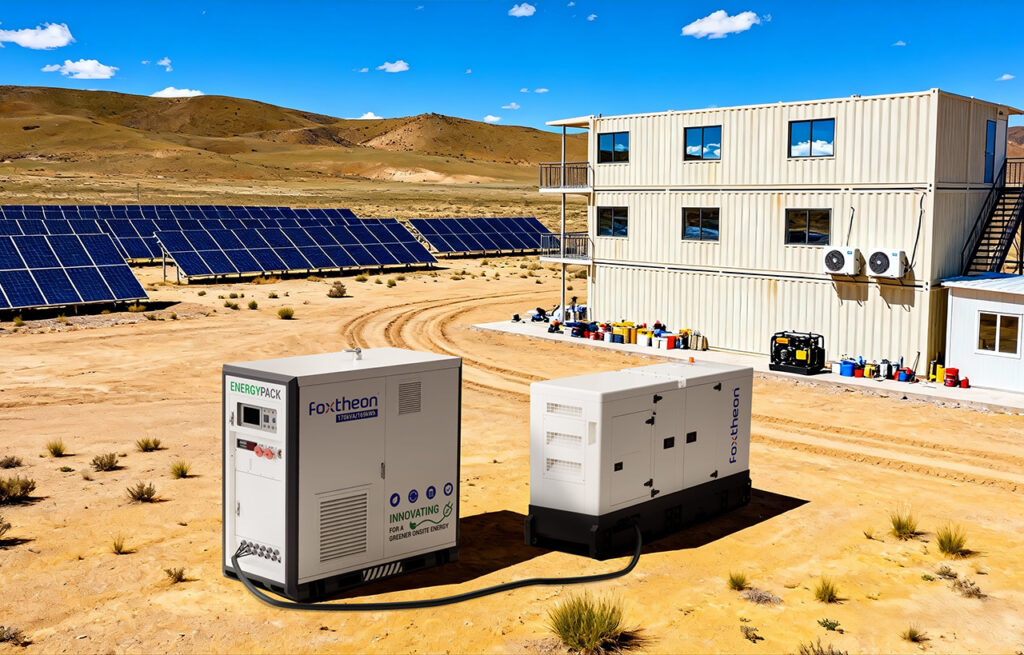
Choosing the right partner is crucial when upgrading site power. Foxtheon has established itself as a reliable provider of low-carbon energy solutions. Their systems are designed specifically to withstand the rigors of industrial applications like dewatering.
Foxtheon focuses on the Energy Management System (EMS). The hardware is important, but the software controls the savings. Their intelligent EMS predicts load changes and optimizes the charge/discharge cycles. This ensures that the BESS for dewatering pumps operates at maximum efficiency, extending the lifespan of both the battery cells and the connected diesel assets.
For site managers, this means less time worrying about power and more time focusing on construction or mining operations. The remote monitoring capabilities offered by modern solutions allow operators to check battery levels and pump status from a smartphone, reducing the need for manual site inspections.
ROI and Economic Analysis
The initial investment in a battery system is higher than buying a standard generator. However, the Return on Investment (ROI) is compelling when you calculate the Total Cost of Ownership (TCO).
Consider a standard dewatering project lasting six months. A diesel-only setup runs 24 hours a day. A hybrid setup might run the generator for only 6 hours a day. The savings in diesel fuel alone can often pay for the BESS rental or purchase within 12 to 18 months.
Furthermore, maintenance costs drop precipitously. Instead of servicing the generator every 500 hours (which might be every 3 weeks), the service intervals extend to every few months. This reduction in labor and parts contributes significantly to the financial viability of BESS for dewatering pumps.
Future Trends in Off-Grid Pumping
As battery technology improves, we will see even higher energy densities. This will allow for smaller, more portable BESS units that can be moved easily around a job site. Solid-state batteries may eventually replace current chemistries, offering even greater safety.
Solar integration is the next logical step. Many dewatering sites have ample open space. Connecting portable solar arrays to the BESS allows the pumps to run on 100% renewable energy during the day, with the battery taking over at night. This creates a truly zero-emission dewatering solution.
The industry is moving away from fossil fuels. Regulatory pressure will soon make it difficult to bid on government contracts without a low-carbon power plan. Adopting these technologies now places companies ahead of the curve.
The transition to smarter energy is inevitable. BESS for dewatering pumps offers a proven way to cut costs, reduce noise, and protect the environment. It solves the technical challenges of motor in-rush currents while eliminating the waste associated with idling diesel generators.
Whether for a mining operation deep underground or a construction site in the city center, battery storage provides the reliability required to keep water at bay. With innovative solutions from Foxtheon, operators can deploy these systems with confidence, knowing they have robust technology supporting their critical infrastructure. The future of dewatering is quiet, clean, and efficient.
Frequently Asked Questions (FAQ)
Q1: Can a BESS for dewatering pumps completely replace a diesel generator?
A1: In some cases, yes, if the site has access to a grid connection or sufficient solar power to recharge the batteries. However, for most off-grid sites, a hybrid setup (Generator + BESS) is currently the most reliable solution. The BESS manages the load, while the generator acts as a backup charger.
Q2: How does the BESS handle the high startup current of a pump?
A2: Dewatering pumps require a high “in-rush” current to start. A BESS is designed with a high power output capability (C-rate) to deliver this instant surge of energy. This allows you to use a much smaller generator that only needs to handle the average running load, not the startup spike.
Q3: Is it difficult to integrate Foxtheon BESS units with existing pumps?
A3: No, modern units are designed for “plug-and-play” integration. Companies like Foxtheon build systems that are compatible with standard industrial voltage and frequency requirements. They can connect easily to existing distribution panels and pump controllers.
Q4: What is the typical lifespan of a BESS used in construction?
A4: A high-quality BESS using Lithium Iron Phosphate (LFP) chemistry typically lasts between 4,000 to 6,000 cycles. Depending on daily usage, this can translate to a service life of 7 to 10 years, making it a long-term asset for equipment fleets.
Q5: Does using BESS for dewatering pumps require special training for operators?
A5: Basic operation is user-friendly and often automated via a touchscreen interface. However, because these systems involve high-voltage electricity, initial setup and troubleshooting should be performed by a qualified technician. Daily monitoring is simple and requires minimal training.