
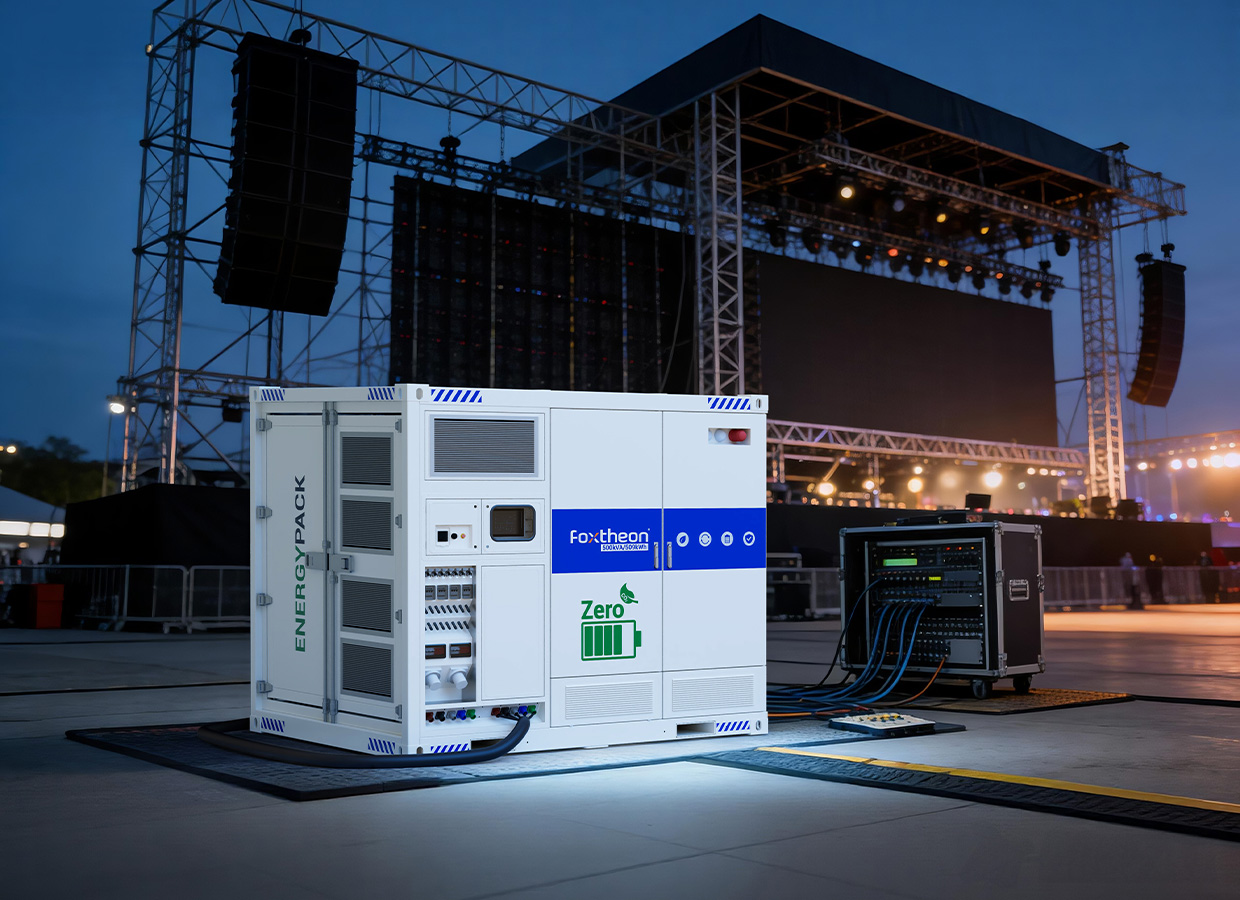
When an earthquake cuts off power in a mountainous region or conflict forces people into isolated camps, the lack of electricity can turn a crisis into a catastrophe. BESS for remote humanitarian aid — battery energy storage systems designed specifically for these harsh, off-grid settings — is changing that reality. By storing energy from solar panels or small generators, these portable units keep lights on, vaccines cold, and communication lines open. Companies like Foxtheon are at the forefront, engineering rugged BESS units that relief workers can deploy in hours, not days. This article explores seven key benefits and real-world applications of this technology.
1. Why BESS for Remote Humanitarian Aid Is Becoming Indispensable
Humanitarian operations have long relied on diesel generators, which are noisy, polluting, and dependent on fuel convoys that can be attacked or delayed. BESS for remote humanitarian aid offers a cleaner, quieter, and more reliable alternative. It acts as a buffer, storing power when it’s available and releasing it when needed. This is crucial for medical refrigerators, water pumps, and night-time lighting.
- Instant power availability – BESS units provide electricity the moment they are switched on, unlike generators that need warm-up time.
- Fuel independence – Once charged via solar, a BESS can run critical loads for hours without burning a drop of diesel.
- Silent operation – In conflict zones, noise attracts attention; BESS runs silently, improving security for aid workers.
2. Critical Applications of BESS for Remote Humanitarian Aid
From field hospitals to emergency shelters, BESS for remote humanitarian aid is proving its versatility. Below we break down the most impactful use cases.
2.1 Powering Field Hospitals and Clinics
A surgical tent without reliable electricity is just a tent. BESS for remote humanitarian aid ensures that ventilators, monitors, and sterilisation equipment keep working even when the main power grid is gone. Foxtheon’s compact units can be carried by two people and set up beside a mobile clinic, providing 5–10 kWh of backup — enough to run a small operating room for a full day.
2.2 Keeping Communication Networks Alive
Coordination in a disaster zone depends on radio, satellite phones, and internet terminals. These devices drain power quickly. A BESS for remote humanitarian aid can recharge communication gear multiple times, ensuring that relief teams stay in touch with each other and with headquarters. Solar panels can top up the BESS during daylight, creating a self-sustaining loop.
2.3 Supporting Water Purification and Sanitation
Pumping and treating water requires steady electricity. With BESS for remote humanitarian aid, aid agencies can run submersible pumps and UV purification systems long after sunset. This reduces the risk of waterborne diseases and minimises the need for bottled water deliveries.
3. Foxtheon’s Approach: Rugged, Modular, and Rapid‑Deployment BESS
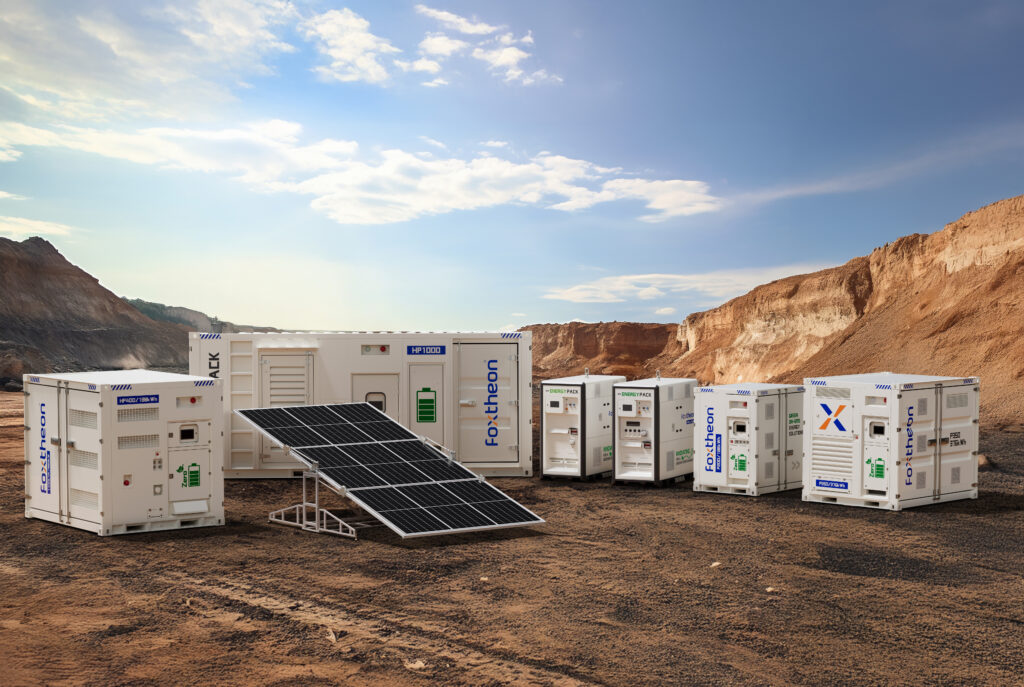
Foxtheon has designed its energy storage systems with the end user — the humanitarian logistician — in mind. Their BESS for remote humanitarian aid units are modular, meaning you can start with a small battery and add more capacity as the mission grows. The cases are waterproof, dustproof, and can withstand drops from a truck tailgate. Foxtheon also integrates smart monitoring, so teams can check battery status via a simple app, even without cellular coverage.
In a recent pilot with an international NGO, Foxtheon’s BESS for remote humanitarian aid reduced diesel consumption by 70% in a refugee camp, freeing up budget for food and medicine. The units were recharged using portable solar blankets, proving that a sustainable energy loop is possible even in the most barren environments.
4. Overcoming Logistics and Sustainability Hurdles
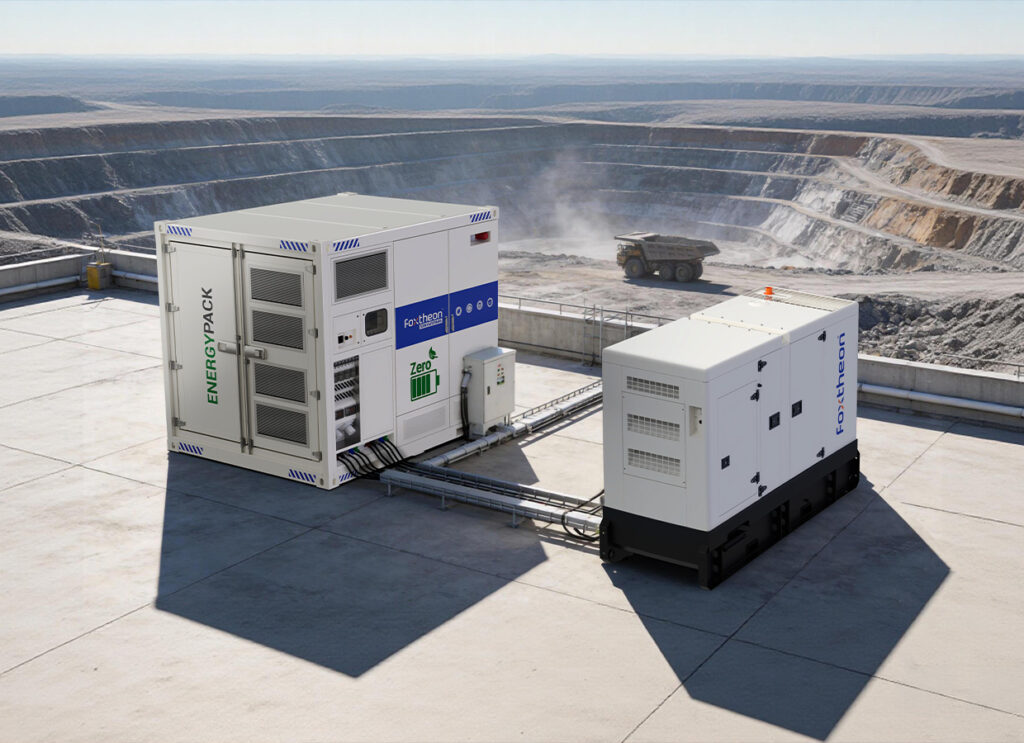
Fuel transport in conflict zones is dangerous and expensive. Every litre of diesel must be trucked in, often across hostile terrain. BESS for remote humanitarian aid slashes that dependency. By pairing a BESS with solar PV, aid groups can generate their own electricity day after day. This not only reduces carbon footprint but also cuts the number of supply convoys, lowering the risk of attacks on drivers.
- Smaller logistical footprint – fewer trucks, less fuel storage.
- Reduced environmental damage – no spills, no fumes.
- Longer mission endurance – power lasts as long as the sun shines.
5. Future Innovations: The Next Generation of BESS for Remote Humanitarian Aid
The technology is evolving fast. Researchers and companies like Foxtheon are testing lithium‑iron‑phosphate batteries that are safer and last longer in tropical heat. Others are working on BESS units that can be repaired with basic tools, because sending a faulty unit back to a factory is rarely an option in a disaster zone. We will also see more hybrid systems where BESS for remote humanitarian aid works alongside small wind turbines or even hand‑crank generators for extreme emergencies.
Frequently Asked Questions About BESS for Remote Humanitarian Aid
Q1: What size of BESS is typically needed for a small field clinic?
A1: A clinic with basic lighting, a vaccine fridge, and a few medical devices usually requires 5–10 kWh of storage. Foxtheon offers modular units that can be combined to reach that capacity. The exact size depends on how many hours of autonomy you need and whether solar recharging is available.
Q2: Can BESS for remote humanitarian aid operate in extreme heat or cold?
A2: Yes, modern units are built with thermal management. Foxtheon’s BESS, for example, uses passive cooling and insulation to function reliably from -20°C to +50°C. In very hot climates, placing the unit in the shade or using a simple canopy helps maintain performance.
Q3: How do you recharge a BESS when there is no sun or fuel?
A3: While solar is the preferred renewable source, some BESS units can be charged from vehicle alternators or small generators. In a pinch, even a hand crank can trickle charge a small BESS for remote humanitarian aid to power a satellite phone. The key is flexibility — multiple input options.
Q4: What maintenance do these systems require in the field?
A4: Very little. There are no moving parts. Users should keep connectors clean, avoid complete discharge for long periods, and run a software check if the unit has a display. Foxtheon designs its units with simple user‑replaceable fuses and LED indicators to minimise downtime.
Q5: Is it safe to transport BESS by air or on rough roads?
A5: Yes, when the batteries meet UN38.3 (air transport) and other shipping standards. Foxtheon packages its BESS in ruggedised cases with built‑in shock mounts. For remote humanitarian aid, air‑droppable versions are being tested so that power can reach cut‑off communities immediately.
Q6: How does BESS compare to diesel generators in cost?
A6: The upfront cost of a BESS is higher, but over a six‑month mission, fuel and maintenance savings often make it cheaper. Plus, the value of reliable power and safety (no fuel convoys) is enormous. BESS for remote humanitarian aid is an investment in resilience.
The Growing Impact of BESS for Remote Humanitarian Aid
From the mountains of Yemen to the floodplains of South Sudan, energy access determines whether aid reaches people in time. BESS for remote humanitarian aid has moved from a niche concept to a core part of emergency preparedness. It empowers medical teams, protects supply chains, and gives displaced families a sense of normalcy — light at night, a charged phone to call loved ones. Foxtheon continues to push the boundaries, working with humanitarian agencies to make BESS smaller, smarter, and more affordable. As climate change increases the frequency of disasters, these battery systems will only grow in importance, proving that sometimes the most powerful tool is a box of stored electrons.