
For procurement managers and project developers, understanding energy storage system price requires moving beyond simple $/kWh headlines. In 2025–2026, lithium iron phosphate (LFP) battery pack prices have stabilized between $95 and $115 per kWh at the cell level (China domestic), but delivered energy storage system price for a fully integrated container solution (including thermal management, BMS, fire suppression, and power conversion) ranges from $220 to $360 per kWh. This spread originates from differences in system voltage, liquid versus air cooling, safety certifications (UL 9540A, NFPA 855), and software stack depth.
This report deconstructs the energy storage system price into seven functional layers: cells, modules, racks, battery management (BMS), thermal control, power conversion system (PCS), and balance of plant (BOP). Each layer contributes distinct cost drivers that vary by application — from behind-the-meter peak shaving to front-of-the-meter frequency regulation. We also examine regional price discrepancies, volume discount curves, and total cost of ownership (TCO) formulas that separate competitive bids from long-term liabilities.
1. Core Cost Layers of a Modern Energy Storage System Price
When vendors quote an energy storage system price, the following components determine 95% of the total capital expenditure (CAPEX). Understanding each layer prevents unexpected adders during contracting.
- Battery cells (LFP prismatic): 48–55% of total system cost. Pricing per kWh has dropped 18% from early 2024 as lithium carbonate stabilized at $12,000–14,000/ton. For a 1MWh order, cell prices now range $88–$102/kWh (ex-works). Grade-A cells with matched capacity and internal resistance command a 12% premium over Grade-B.
- Battery management system (BMS): 7–10% of energy storage system price. Distributed slave boards (cell monitoring) plus master control unit (current, contactor, SoC algorithms). High-end BMS with functional safety (ISO 13849 PLr d) adds $18–25 per kWh.
- Thermal management (liquid or air): 6–9%. Liquid cooling plates, chiller/heat pump, glycol piping add $14–22/kWh but extend cycle life by 2–3 years in hot climates.
- Power conversion system (PCS) – bi-directional inverter: 12–15% of total. For 1500V DC systems, PCS efficiency >98% costs $32–$48/kW. Transformerless designs reduce weight but require isolation for certain grid codes.
- Enclosure, fire suppression, and balance of plant: 10–12%. Includes IP54-rated steel cabinets, aerosol or gas-based fire suppression (Novec 1230 or water mist), wiring, and local disconnect.
Average turnkey energy storage system price for a 2MWh / 1MW AC-coupled container (20 ft) currently sits at $290–$340/kWh in North America and $240–$280/kWh in Europe (excluding installation, permitting, and grid interconnection). For large-scale projects above 50MWh, prices fall to $200–$235/kWh due to volume discounts on cells and standardized PCS modules.
2. Why Energy Storage System Price Varies by Application and Region
The same hardware can have different energy storage system price depending on required response speed, cycle depth, and safety certifications. Below are three distinct B2B use cases with corresponding cost drivers.
2.1 Behind-the-Meter Peak Shaving (C&I)
Typical system: 500kW / 2MWh, operating one discharge per day (80% DoD). Key cost drivers: moderate cycle life requirement (4,000–5,000 cycles), no grid-forming capability. Energy storage system price range: $240–$290/kWh. Lower cost achieved with air cooling and simplified BMS (no advanced SoH modeling). However, demand charge reduction tariffs often require 10-year performance guarantees, pushing buyers toward premium cells and liquid cooling — raising price to $310/kWh.
2.2 Frequency Regulation & Grid Ancillary Services
Systems require >10,000 cycles and sub-200ms response. Sizing: 10MW / 10MWh (1:1 power-to-energy ratio). Energy storage system price here is higher due to oversized PCS (full 1C rating continuously), liquid cooling mandatory, and high-precision BMS with GPS time-stamped data. Typical price: $380–$450/kWh. The premium buys a 15-year warranty at 90% energy retention, validated through UL 1973 and IEC 62619 tests.
2.3 Renewable Firming (Solar + Storage Hybrid)
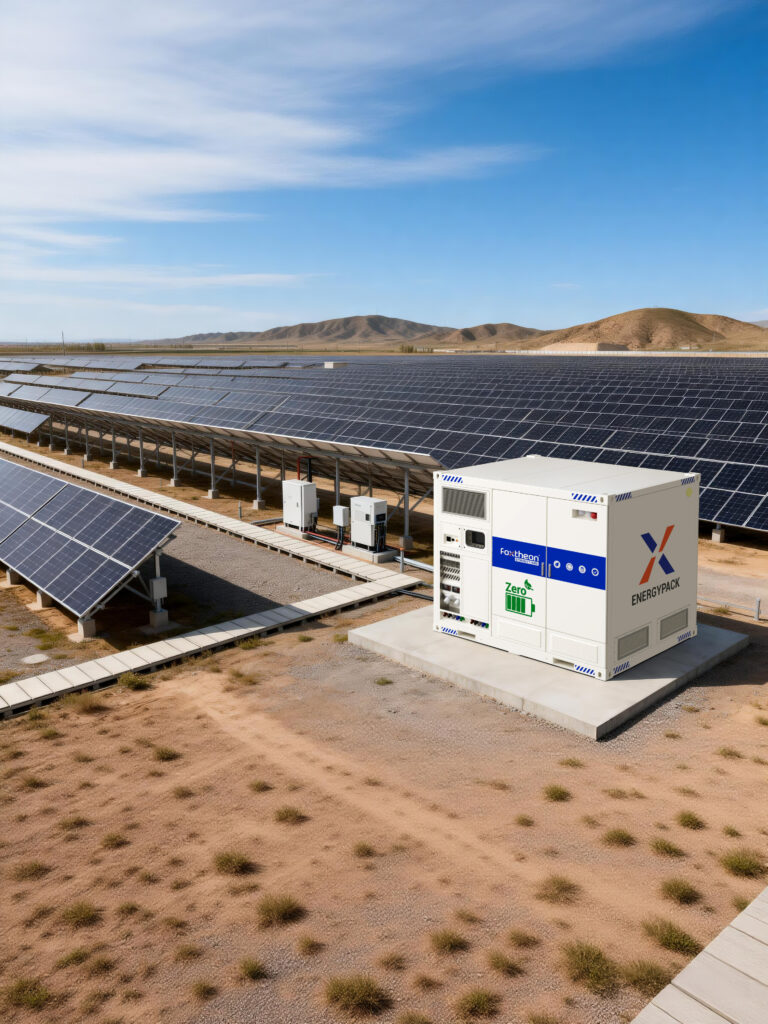
Often paired with DC-coupled architecture to reduce conversion losses. System rating: 2MW / 8MWh (4-hour duration). Energy storage system price ranges $310–$370/kWh because of additional DC-DC converters, anti-islanding protection, and compliance with IEEE 1547-2018. For projects in high-solar-penetration regions (California, Hawaii, South Australia), grid support functions (voltage/VAR control) add $15–$20/kWh to the base hardware.
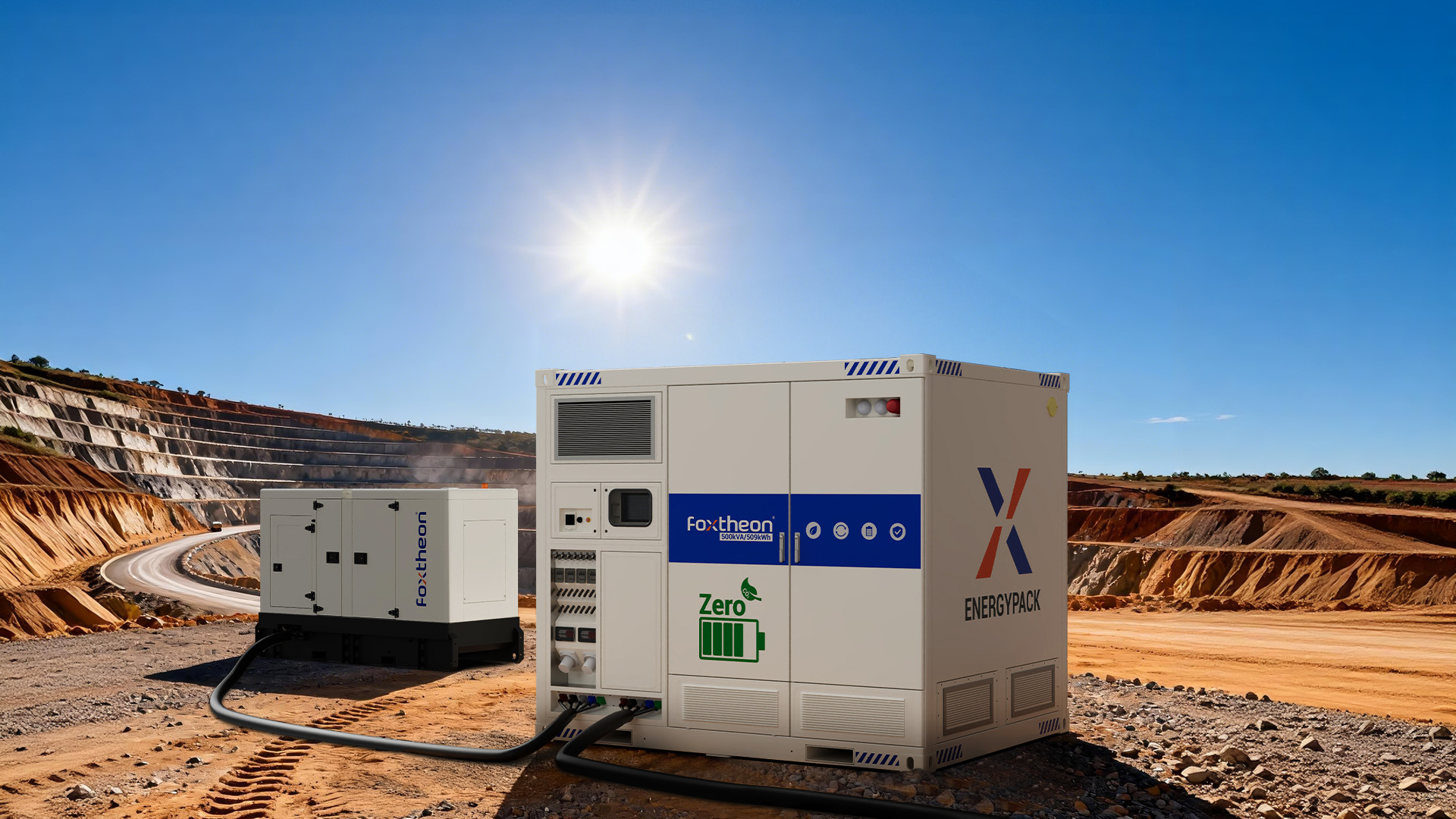
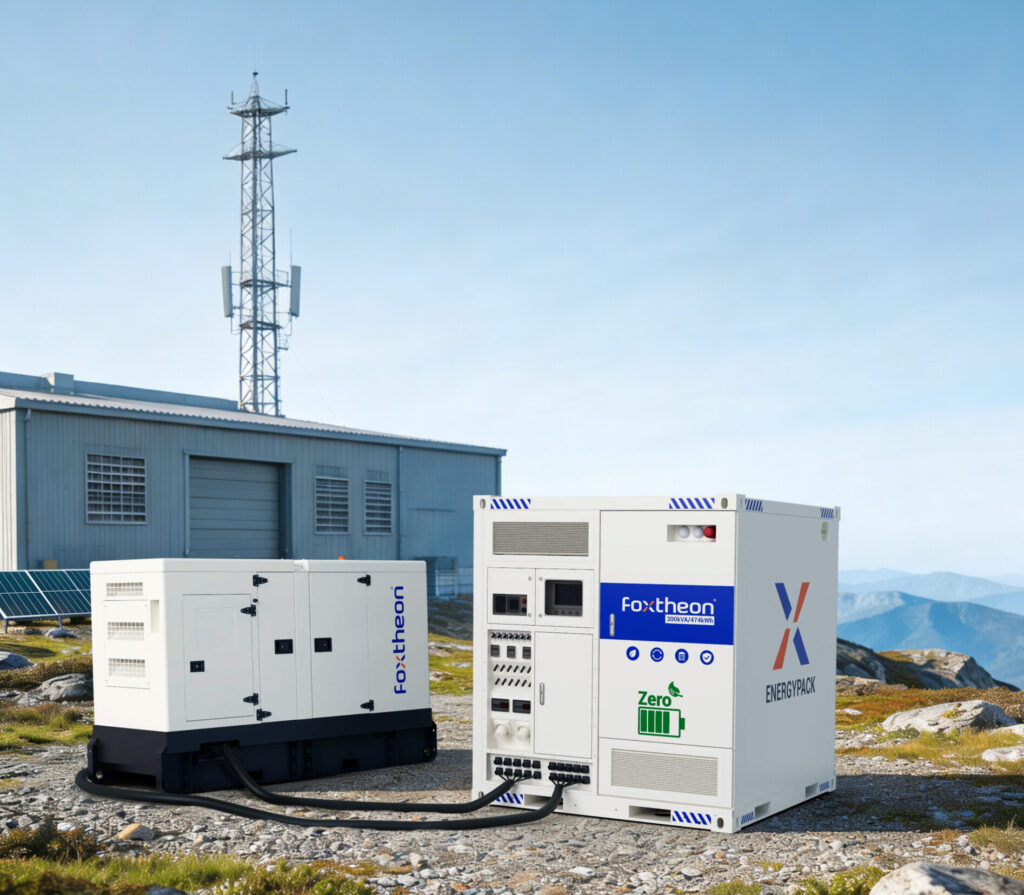
Foxtheon provides modular battery cabinets that adapt to all three use cases with a standardized BMS platform. Their energy storage system price includes a 10-year degradation prediction model based on actual field data from 200+ installations, reducing financial risk for asset owners. By using interchangeable liquid-cooled packs, Foxtheon achieves 15% lower lifecycle cost compared to non-modular designs.
3. Regional Price Differences and 2026 Forecast
North America: Current turnkey energy storage system price remains premium due to domestic content requirements (IRA section 45X) and UL certification overhead. A 5MWh system with full UL 9540A testing costs $325–$375/kWh. However, cells sourced from US-manufactured facilities (e.g., using Korean or US cathodes) add another $40/kWh but qualify for investment tax credit (ITC) bonuses.
Europe (EU+UK): System prices average €220–€280/kWh (~$240–$305). Lower labor costs for integration and fewer fire code restrictions (compared to NFPA 855) reduce BOP expenses. However, rising carbon border adjustment mechanism (CBAM) fees may add 5–7% by Q4 2026.
Asia-Pacific (ex-China): Chinese export systems priced $190–$230/kWh (FOB Shanghai), but after freight, local compliance, and on-site commissioning, final energy storage system price reaches $240–$270/kWh in Southeast Asia and India. Local assembly reduces costs by 12%.
Forecast for 2026: Cell prices will decline another 8–10% as new manufacturing capacity (over 3 TWh annually) comes online. Yet, energy storage system price for fully installed systems may only drop 5% because increased demand for liquid cooling and fire safety upgrades offsets cell savings. Buyers should lock in contracts during Q2–Q3 2026 to capture current lithium pricing.
4. Avoiding Hidden Costs: Installation, Commissioning, and Performance Guarantees
The quoted energy storage system price often excludes site preparation, grid interconnection studies, and performance liquidated damages (LDs). For a 2MWh project, these can add 20–35% to the initial invoice. Below are typical exclusions and negotiation points:
- Transportation and lifting: A 20-ft container weighing 25 tons requires specialized trucks and crane. Budget $8,000–$15,000 per container for delivery within 500 km.
- Electrical balance of system (EBoS): AC cabling from PCS to point of interconnection, protection switchgear, and transformer (if needed) adds $18–$30/kWh. Many vendors exclude this from the initial energy storage system price.
- Permitting and utility application fees: In regulated markets (e.g., NYISO, ERCOT), interconnection study fees range $25,000–$75,000 per project. The system integrator rarely includes these.
- Performance warranty management: Premium vendors offer remote SoH monitoring and capacity test verification at years 5 and 10. Budget an additional 2–4% of the energy storage system price for this service.
When comparing bids, request a line-item breakdown of the energy storage system price using the “complete project” definition (turnkey, excluding only land and grid upgrades). Standard deviation among three quotes for the same specification can exceed 30% — the lowest bid often excludes thermal management and fire certification.
5. Total Cost of Ownership (TCO) Over 10 Years: Beyond Initial Price
An energy storage system price that is 15% lower may still result in higher TCO if the system degrades faster or requires more frequent maintenance. Use the following TCO formula for battery energy storage systems (BESS):
TCO = CAPEX + (OPEX × years) + Replacement_Cost × (Number_of_Replacement_Events) – Residual_Value
Key variables for a 10-year horizon:
- OPEX (operation & maintenance): 1.5–2.5% of CAPEX annually for remote monitoring, annual thermal inspection, and BMS firmware updates.
- Capacity degradation: LFP systems lose 0.8–1.2% capacity per year under standard cycling. A cheaper energy storage system price with 2.0% annual degradation will require 30% more nameplate capacity to meet the same output by year 8.
- Round-trip efficiency (RTE) decline: 0.3% per year. Lower initial RTE (86% vs 89%) translates to $4,500 additional electricity cost per year for a 1MWh daily cycle at $0.12/kWh.
Case example: Two bids for a 4MWh peak-shaving system — Bid A has an energy storage system price of $280/kWh (total $1.12M), Bid B $335/kWh ($1.34M). However, Bid B offers liquid cooling (lower degradation, 1.0%/year vs 1.7%/year) and 89% RTE vs 85%. Over 10 years, Bid B’s TCO is $1.87M while Bid A’s TCO reaches $2.09M due to higher replacement energy costs and earlier capacity shortfall. The higher upfront price yields 12% lower lifecycle expenditure.
Foxtheon provides a transparent TCO calculator along with each energy storage system price quotation. Their offer includes a performance bond guaranteeing 88% RTE after 8 years, which is rare in the industry. This allows financial planners to model revenue streams from arbitrage or demand charge reduction with higher confidence.
6. Procurement Strategies: How to Get the Most Accurate Energy Storage System Price Quotes
To obtain competitive and realistic energy storage system price proposals, provide the following information in your request for quotation (RFQ):
- Site location (ambient temperature range and altitude) – affects thermal design.
- Daily charge/discharge profile (15-minute interval data or typical daily kWh throughput).
- Required maximum continuous power (kW or MW) and energy capacity (MWh) at point of interconnection (AC or DC side).
- Preferred safety certification standard (UL 9540, IEC 62933, or local VDE).
- Warranty duration and end-of-life capacity floor (e.g., 10 years, 70% remaining capacity).
Request three price tiers: (1) hardware-only ex-works, (2) turnkey delivery (on-site drop-off), and (3) full installation, commissioning, and utility integration. The spread between tier 1 and tier 3 can represent 35% of the base energy storage system price. For projects above 5MWh, negotiate a volume discount of 10–18% on cell and BMS components.
7. Frequently Asked Questions (B2B Procurement Focus)
Q1: What is the average energy storage system price per kWh for a 1MW/4MWh project in the US in 2026?
A1: For a fully permitted, grid-tied, liquid-cooled system with UL 9540A and a 10-year warranty, expect $305–$350 per kWh for the turnkey installation (excluding land and interconnection transformer). Prices below $280/kWh typically exclude fire suppression or use air cooling, which may not meet local fire codes.
Q2: How do Chinese-made systems compare in price to European or American integrators?
A2: Direct purchase from tier-1 Chinese manufacturers (CATL, BYD, Eve) yields an energy storage system price of $190–$225/kWh FOB, but after shipping, import tariffs (25% for batteries in US), and UL field labeling, the delivered price reaches $270–$310/kWh — similar to local assemblers. European brands often include 5 years of remote diagnostics, justifying a 10–15% premium.
Q3: Does the energy storage system price include battery management system (BMS) and software?
A3: In reputable quotes, yes. However, some low-bid vendors list a “basic BMS” (cell voltage monitoring only) and charge separately for advanced features like SoH forecasting, remote firmware updates, or SCADA integration. Always verify the BMS functional specification against your needs. Premium energy storage system price includes cloud-based analytics for the first 3 years.
Q4: What is the cost difference between liquid-cooled and air-cooled energy storage systems?
A4: Liquid cooling adds $18–$28 per kWh to the total system price. For a 2MWh system, that is $36k–$56k extra. However, liquid cooling maintains a cell temperature variance below 3°C, extending cycle life by approximately 2,000 cycles. For applications with daily deep cycling (>1 cycle per day), liquid cooling pays back within 4 years through reduced degradation.
Q5: Can I lower the energy storage system price by buying second-life electric vehicle batteries?
A5: For grid-scale stationary storage, second-life EV batteries (retired from buses or passenger EVs) can reduce upfront energy storage system price by 40–50% (down to $120–$150/kWh). However, risks include inconsistent state-of-health, higher internal resistance (uneven heating), and lack of UL certification. Insurance premiums and fire protection costs are 2–3x higher. For mission-critical C&I applications, new LFP cells remain the economically sound choice.
8. Request a Customized Energy Storage System Price Proposal
Each site’s load profile, tariff structure, and grid interconnection requirements directly influence the optimal system design and final energy storage system price. Foxtheon offers a no-obligation technical and financial assessment for commercial and industrial projects above 500kWh. Their engineering team delivers:
- A tiered price sheet breaking down CAPEX for 2, 4, and 8-hour duration configurations.
- 10-year TCO model with sensitivity analysis on electricity price escalation and demand charge changes.
- Compliance mapping to local fire codes (NFPA 855, IFC, or EN 50636).
- List of reference projects with audited performance data (cycle life and RTE).
To request a binding energy storage system price quotation, provide your site’s monthly load profile (one year minimum) and the utility rate schedule. Foxtheon will respond within 5 business days with a system configuration tailored to your peak shaving, backup, or grid services goals. Volume discounts apply for multi-site rollouts (10+ systems).
👉 Send your B2B inquiry to Foxtheon now and receive a detailed energy storage system price proposal including warranties, shipping terms, and commissioning schedule.