
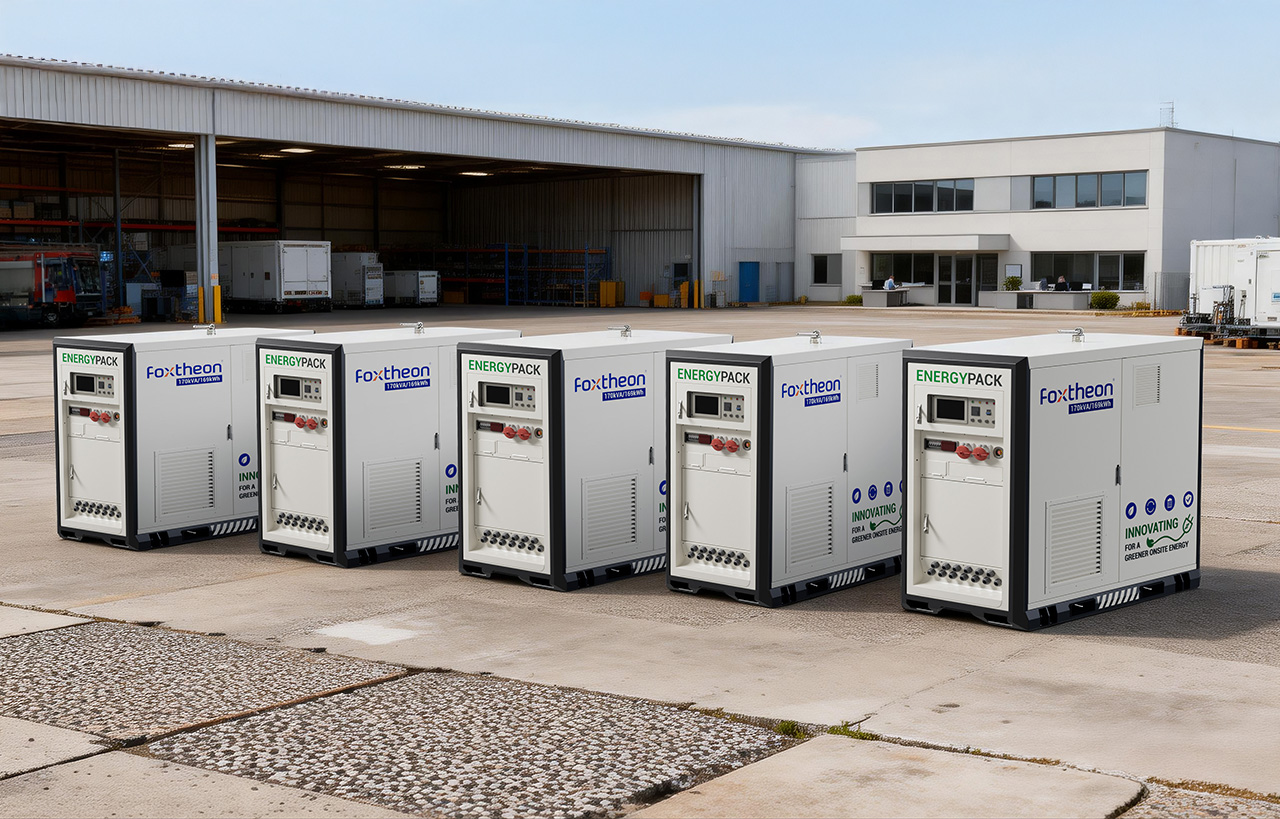
Managing megawatt-scale electrical demand in industrial, commercial, and utility-level applications requires rigorous architectural planning. Grid constraints, localized transmission bottlenecks, and the continuous necessity for uninterrupted power supply compel facility operators to seek infrastructure that provides both high output and deployment flexibility. In this context, the integration of a modular power station 1MW+ provides a highly systematic approach to large-scale energy management. By combining advanced lithium-ion battery chemistry, bi-directional power conversion electronics, and sophisticated thermal management within standardized containerized formats, these systems deliver measurable operational stability to complex microgrids.
Rather than relying solely on custom-built, stationary power plants, engineering firms and heavy industrial operators are increasingly pivoting toward standardized, scalable nodes. This methodology allows for precise capacity matching, rapid deployment, and seamless synergy with current infrastructure. As a recognized leader in international smart energy solutions, Foxtheon engineers high-capacity systems designed to augment existing electrical assets, ensuring operators can expand their power capabilities sustainably and with mathematical precision.
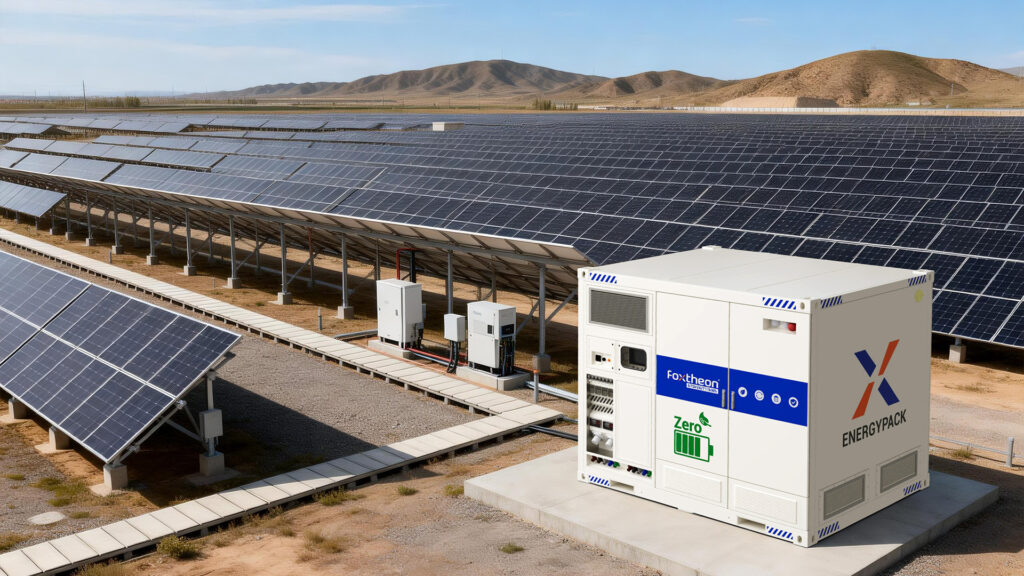
The Technical Architecture of High-Capacity Modular Storage
Deploying a modular power station 1MW+ is a complex electro-mechanical endeavor. The reliability of these systems stems from the rigorous integration of their core sub-components, which must operate in perfect synchronization to handle massive transient loads and sustained continuous discharge.
Battery Chemistry and Pack Topology
At the foundation of industrial-scale modular stations is the Battery Energy Storage System (BESS). Most modern 1MW+ architectures utilize Lithium Iron Phosphate (LiFePO4 or LFP) cell chemistry. LFP is selected for its high thermal runaway threshold, extended cycle life (frequently exceeding 6,000 to 8,000 cycles at 80% Depth of Discharge), and stable voltage discharge curve. These cells are configured into modules, which are subsequently wired in series and parallel within standardized racks to achieve a high internal bus voltage, typically ranging from 1000V DC to 1500V DC. Operating at 1500V DC significantly reduces the current required to deliver a megawatt of power, thereby minimizing I²R (copper) losses and improving the overall round-trip efficiency of the station.
Thermal Management: HVAC vs. Liquid Cooling Dynamics
Maintaining optimal operating temperatures across thousands of densely packed lithium-ion cells is a paramount engineering challenge. Temperature differentials between cells directly impact the degradation rate and safety profile of the entire array. High-capacity systems employ advanced Battery Thermal Management Systems (BTMS). While traditional Forced Air (HVAC) systems are common, cutting-edge modular stations increasingly rely on highly calibrated Liquid Cooling networks. Liquid cooling circulates a specialized dielectric fluid or water-glycol mixture through micro-channel cold plates positioned directly against the battery modules. This method offers a higher specific heat capacity than air, ensuring temperature variance across a 1MW container remains within a strict 3°C margin, thereby maximizing the asset’s operational lifespan.
Advanced Power Conversion Systems (PCS)
The interface between the internal DC battery racks and the external AC microgrid is governed by the Power Conversion System (PCS). In a modular power station 1MW+, the PCS utilizes heavy-duty Insulated-Gate Bipolar Transistors (IGBTs) to perform high-frequency pulse-width modulation. These bi-directional inverters are capable of executing highly complex grid functions, including active power dispatch, reactive power compensation (VAR support), and harmonic filtering. Furthermore, advanced PCS units incorporate grid-forming capabilities. In the event of a total grid failure, these inverters can establish a localized voltage and frequency reference, effectively initiating a “black start” to restore power to the isolated facility.
Scalability and Deployment Logistics
One of the primary engineering advantages of utilizing a modular power station 1MW+ is its inherent scalability. Industrial power requirements rarely remain static; as mining operations expand, data centers add server halls, or manufacturing plants install heavy motor loads, the localized grid must scale accordingly.
- Standardized Containerization: These megawatt-scale systems are housed within standard ISO shipping containers (typically 10-foot, 20-foot, or 40-foot variants). This standardization simplifies global logistics, allowing the units to be transported via standard maritime, rail, and heavy-haul road freight without requiring specialized oversized-load permits.
- Factory Acceptance Testing (FAT): Because the internal wiring, thermal management, and fire suppression systems (such as Novec 1230 or aerosol-based suppression) are installed at the manufacturing facility, the entire unit undergoes rigorous Factory Acceptance Testing before deployment. This drastically reduces on-site commissioning time and minimizes civil engineering requirements.
- Parallel Expansion Protocols: When a facility requires additional capacity, operators can parallel multiple 1MW+ containers onto a common AC bus. The central Energy Management System (EMS) communicates via industrial protocols (such as Modbus TCP/IP or CAN bus) to balance the state of charge (SoC) and load dispatch across all parallel nodes seamlessly.
Synergistic Integration with Existing Generator Assets
Strategic energy management prioritizes the optimization of existing capital investments. The introduction of high-capacity energy storage is explicitly designed to operate in tandem with existing internal combustion engine (ICE) fleets, such as diesel or natural gas prime-power generators.
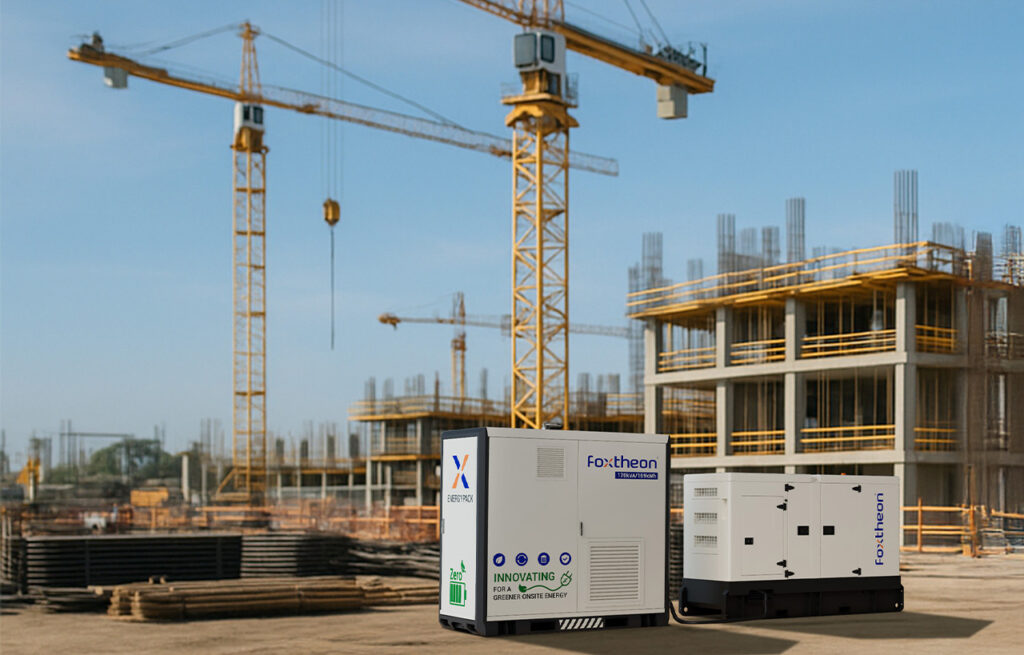
By connecting a modular power station 1MW+ to a microgrid currently powered by traditional generators, operators achieve a hybrid power architecture. The central EMS monitors the facility’s load profile dynamically. When load spikes occur—such as the massive inrush current generated by starting heavy industrial crushers or large-scale HVAC chillers—the battery system discharges instantaneously to absorb the transient spike. This load-smoothing effect prevents the mechanical generators from bogging down or stalling.
Furthermore, during periods of low electrical demand, the EMS can command the generators to operate at their peak thermal efficiency to recharge the modular station, preventing the mechanical engines from running at low loads (which causes wet stacking and increased engine wear). Once the battery is adequately charged, the generators can be powered down entirely, allowing the facility to run silently on the stored power. This highly cooperative relationship extends the maintenance intervals of the mechanical generators, reduces fuel consumption per kilowatt-hour, and prolongs the lifecycle of the existing equipment.
Economic Modeling and Grid Ancillary Services
The financial justification for deploying megawatt-scale modular storage is rooted in verifiable data metrics and diverse revenue-generating capabilities. Heavy industrial users and utility operators utilize these systems for specialized energy arbitrage and grid support functions.
Peak Shaving and Demand Charge Management
Commercial and industrial (C&I) electricity tariffs frequently include substantial demand charges, which are billed based on the highest 15-minute interval of power drawn during a billing cycle. A facility can utilize a modular power station 1MW+ to execute automated peak shaving. By discharging stored power during these brief periods of intense demand, the facility caps its peak draw from the utility grid, resulting in a mathematically predictable reduction in monthly operating expenses.
Time-of-Use (TOU) Arbitrage
In regions with pronounced time-of-use tariff structures, energy storage systems perform localized arbitrage. The battery array charges during off-peak hours when grid electricity is abundant and inexpensive. The system then retains this capacity and discharges it to power the facility during on-peak hours when utility rates are highly elevated. This continuous daily cycling provides a distinct, calculable return on investment (ROI).
Frequency Regulation and Grid Support
Beyond behind-the-meter savings, large-scale modular systems can participate in lucrative wholesale energy markets. Because solid-state power electronics can respond to frequency deviations within milliseconds—far faster than mechanical spinning reserves—grid operators financially compensate facilities that can inject or absorb active power to stabilize grid frequency (e.g., Frequency Control Ancillary Services – FCAS). A megawatt-class modular station is perfectly sized to aggregate into Virtual Power Plants (VPPs) to capture these revenue streams.
The strategic deployment of high-capacity, containerized energy storage fundamentally optimizes how industrial facilities manage electrical loads. By engineering precise thermal management, advanced bi-directional power conversion, and intelligent load-dispatch algorithms, a modular power station 1MW+ provides a highly robust solution for complex power demands. Importantly, this technology acts as a synergistic upgrade to current infrastructure, protecting existing capital assets while drastically improving overall system efficiency and power quality. Organizations like Foxtheon continue to advance the architectural standards of these multi-megawatt systems, enabling large-scale operators to build highly resilient, economically viable, and mathematically optimized microgrids.
Ready to optimize your industrial microgrid infrastructure? Contact our engineering team today for a comprehensive technical consultation and detailed load profile analysis.
Send us an Inquiry to discuss tailored megawatt-scale power configurations for your specific site requirements.
Frequently Asked Questions (FAQ)
Q1: What is the standard footprint required to install a 1MW modular energy station?
A1: Typically, a 1MW system is housed within a standard 20-foot ISO shipping container. This compact, standardized footprint requires minimal civil engineering—often just a reinforced concrete pad—making it highly suitable for space-constrained industrial sites, mining camps, or existing utility substations.
Q2: How does the central Energy Management System (EMS) integrate with a facility’s existing SCADA network?
A2: The EMS of a modular power station 1MW+ is designed with open-architecture industrial communication protocols. It interfaces directly with existing Supervisory Control and Data Acquisition (SCADA) systems via Modbus TCP/IP, DNP3, or standard CAN bus, providing facility engineers with granular, real-time telemetry on system health, active/reactive power flow, and cell-level temperature metrics.
Q3: Can multiple 1MW containers be linked together if our facility’s power demands increase in the future?
A3: Yes, the architecture is inherently scalable. If site demand increases, operators can physically add additional containerized nodes. The centralized master controller synchronizes the inverters across all units, coupling them on a shared AC or DC bus, effectively expanding a 1MW system into a 5MW, 10MW, or larger configuration with standardized plug-and-play logistics.
Q4: What specific safety mechanisms are engineered into these high-capacity lithium-ion enclosures?
A4: Megawatt-class systems feature highly redundant, multi-tier safety architectures. This includes individual cell-level monitoring (voltage and temperature), active liquid or HVAC thermal management to prevent overheating, explosive gas detection sensors, deflagration venting panels, and automated aerosol or clean-agent fire suppression systems configured to meet stringent NFPA 855 standards.
Q5: How does a modular BESS operate alongside heavy machinery that causes massive transient voltage drops?
A5: Heavy motors draw substantial inrush currents upon startup, causing localized voltage sags. The high C-rate discharge capability and the sub-millisecond reaction time of the insulated-gate bipolar transistors (IGBTs) within the power conversion system allow the BESS to instantly inject active and reactive power into the microgrid. This acts as a robust electrical buffer, smoothing the transient spike and maintaining strict power quality across the site.