
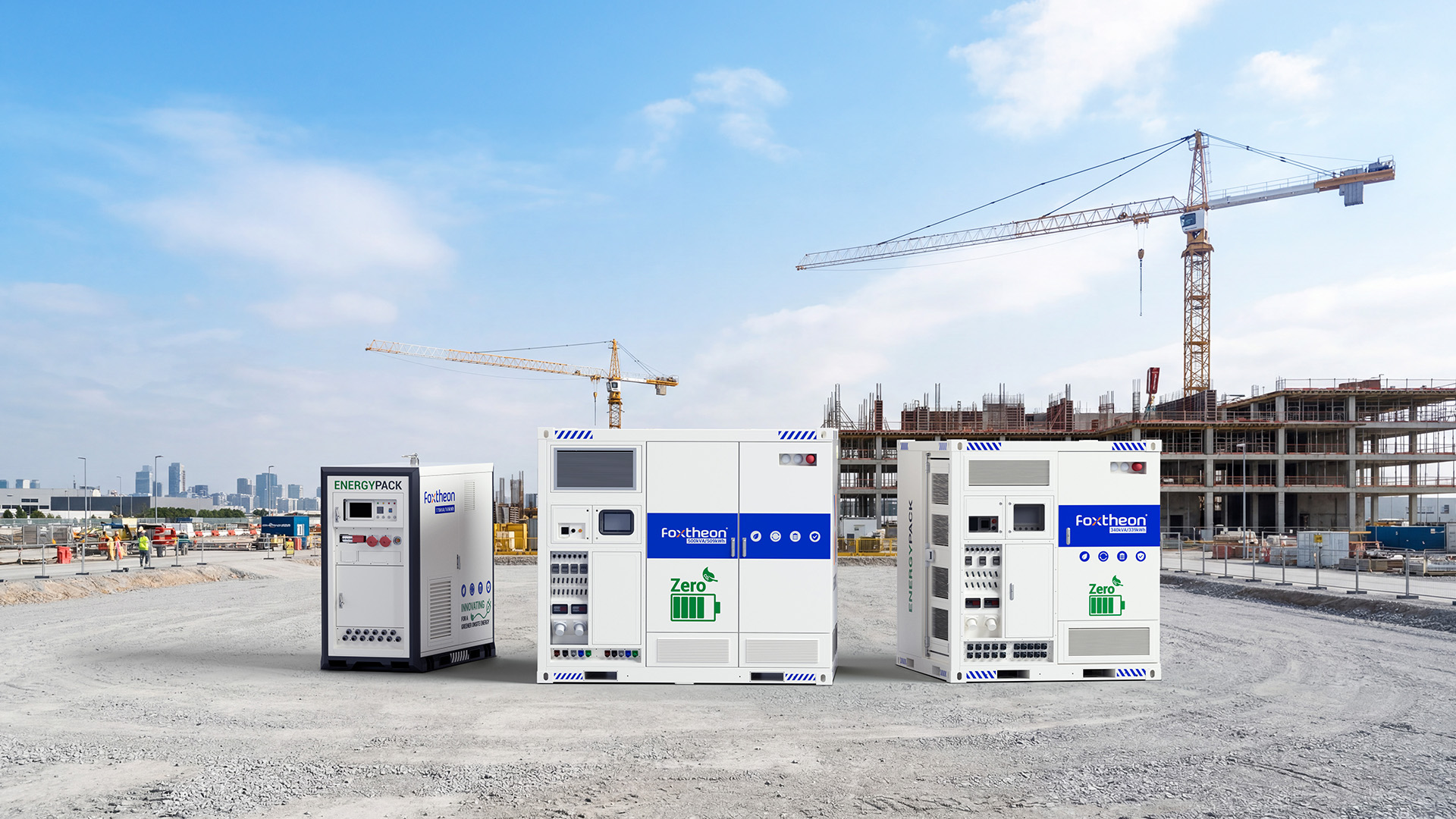
Commercial and industrial facilities increasingly require energy storage capable of handling high power throughput, extended discharge durations, and seamless interaction with existing assets like diesel generators or grid connections. High voltage battery storage (typically operating at DC voltages from 600 V to 1500 V) offers distinct advantages over low-voltage alternatives: reduced resistive losses, lower cable cross-sections, and higher power density per rack. This article provides a component‑level analysis, explores real‑world C&I applications, addresses safety and lifetime pain points, and presents proven economic models—while respecting the valuable role of conventional generator fleets as part of a resilient hybrid power architecture.
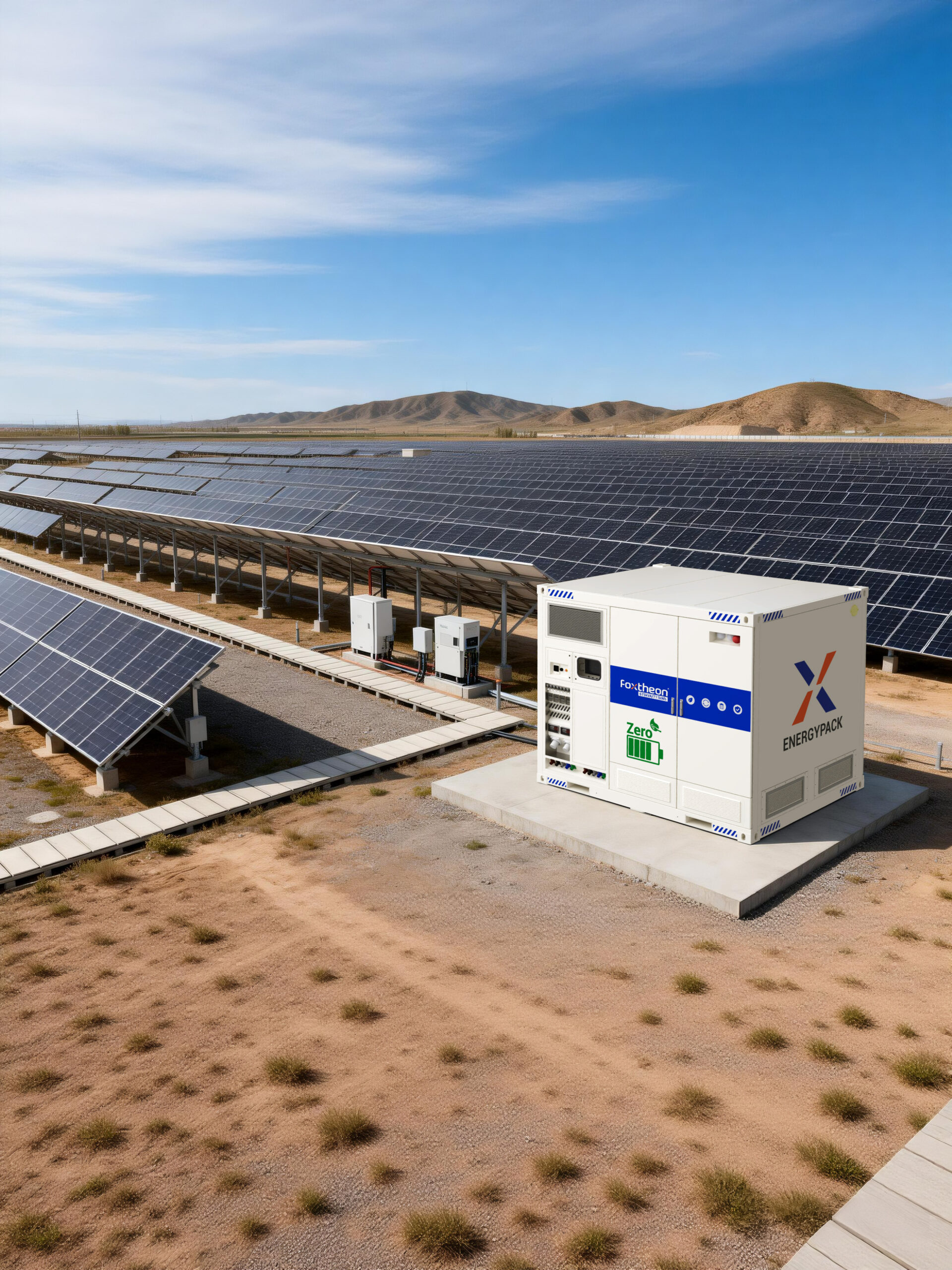
1. Technical Anatomy of High Voltage Battery Storage
Modern high voltage battery storage systems are not simply scaled‑up low‑voltage packs. They incorporate engineered sub‑systems to manage voltage stress, insulation monitoring, and fault ride‑through capabilities. The principal components include:
- Battery racks with LFP or NMC cells – Lithium Iron Phosphate (LFP) dominates safety‑sensitive installations due to its lower exothermic reaction temperature; Nickel Manganese Cobalt (NMC) is chosen for higher energy density where footprint is constrained.
- High‑voltage DC contactor and fuse assembly – Rated for breaking DC currents up to 1500 V, with arc extinguishing chambers and fast‑acting fuses (e.g., gPV type).
- Battery Management System (BMS) – Distributed architecture with cell monitoring units (CMUs) daisy‑chained to a master BMS. Functions include state of charge (SoC) equalisation, state of health (SoH) tracking, and insulation resistance detection (>1 MΩ threshold).
- Bi‑directional Power Conversion System (PCS) – IGBT/SiC‑based inverters with grid‑forming or grid‑following capabilities. Round‑trip efficiency for high voltage systems often reaches 94–96 % compared to 88–91 % for LV systems under similar power ratings.
- Energy Management System (EMS) – Real‑time optimisation engine that dispatches storage based on tariff signals, on‑site generation, and generator run schedules.
DC‑coupled high voltage architectures eliminate multiple low‑voltage transformers, reducing conversion losses by approximately 2‑3 %. This directly improves the Levelised Cost of Storage (LCOS) for applications with daily full cycles, such as peak shaving and load shifting.
2. Key B2B Applications and Operational Benefits
Industrial energy managers adopt high voltage battery storage to solve specific operational challenges. The table below maps common use cases with quantifiable outcomes, while always recognising the complementary role of existing generator assets for extended outages or high‑inrush loads.
2.1 Load Shifting Against Time‑of‑Use Tariffs
By charging during low‑cost night hours (e.g., $0.04/kWh) and discharging during on‑peak periods ($0.22/kWh), facilities with 2‑4 MWh storage achieve annual savings of $120,000–$180,000. High voltage systems support deeper daily discharge (up to 90 % DoD) without accelerated ageing, an advantage over lead‑acid or low‑voltage Li‑ion.
2.2 Peak Shaving with Fast Response
Demand charges often account for 30‑70 % of a C&I electricity bill. High voltage battery storage responds in < 40 ms to transient load spikes, shaving peaks above a preset threshold (e.g., 800 kW). This lowers monthly demand charges by 25‑40 % while keeping generator start‑and‑run events exclusively for extremely prolonged peaks or black start scenarios.
2.3 Grid Frequency Regulation and Capacity Firming
For behind‑the‑meter renewables (PV arrays >500 kWp), high voltage storage provides ramp‑rate control (e.g., limiting to <10 %/min) and participates in ancillary service markets like FCR (Frequency Containment Reserve) or aFRR. High DC voltage enables seamless transition from grid‑following to grid‑forming mode, critical for weak grid areas.
2.4 Hybrid Microgrids with Diesel Gensets
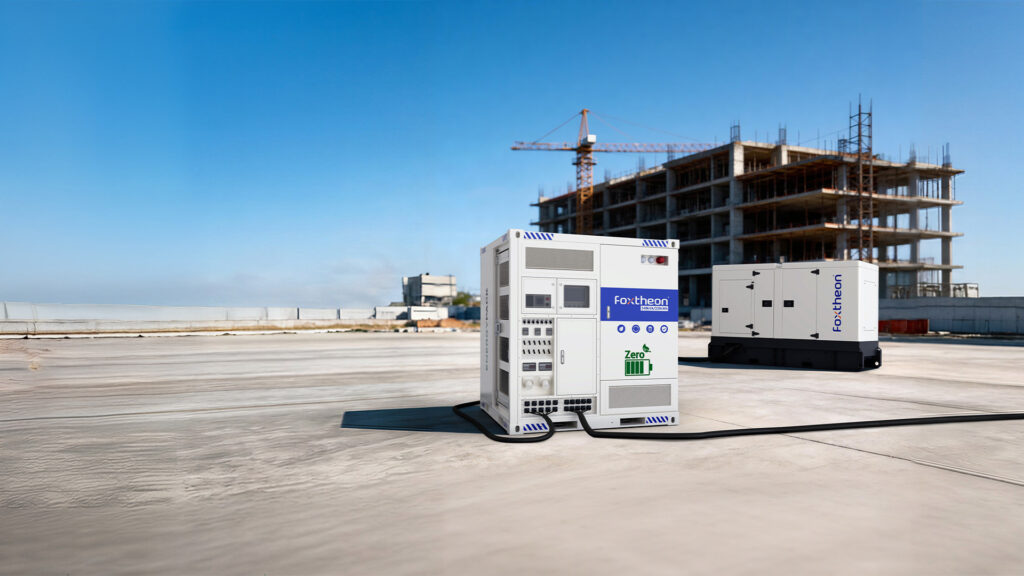
Rather than replacing diesel generators, a high voltage battery storage system reduces gen‑set runtime, optimises loading above 40‑60 % to avoid wet stacking, and provides momentary support during motor starts. Fuel savings of 40‑60 % are documented in mining and remote telecom sites. The genset remains the last‑resort asset, preserving capital investment.
3. Industry Pain Points and Engineered Solutions
Despite clear benefits, high voltage battery storage presents technical challenges that require expert mitigation strategies. Below are the most frequent concerns raised by B2B clients and corresponding solutions validated in commercial references.
3.1 Thermal Runaway and Arc Flash Risks
Pain point: High DC voltage increases arc flash incident energy. Thermal runaway propagation between cells can lead to fire hazards.
Solution: Multi‑layer safety: (1) cell‑level fuses and pressure relief vents; (2) module‑level intumescent sheets; (3) rack‑level aerosol or water‑mist fire suppression. BMS performs continuous insulation monitoring with automatic shutdown upon ground fault detection (response < 10 ms). UL 9540A and NFPA 855 compliance is mandatory for insurance approval.
3.2 Cell Imbalance and Capacity Fading
Pain point: Voltage and temperature variations across series‑connected cells cause premature SoH decline and unbalance.
Solution: Active balancing circuits (2‑5 A balancing current) combined with predictive balancing algorithms. Passive balancing is insufficient for high voltage strings > 200 cells. Data‑driven SoH models adjust charge/discharge limits per cell cluster, extending service life beyond 12 years at 1‑cycle/day operation.
3.3 Integration with Legacy Switchgear and Generators
Pain point: Existing protection relays and automatic transfer switches (ATS) may not recognise bidirectional power flows.
Solution: Deploy a high‑speed gateway controller that communicates via Modbus TCP, CANbus, or IEC 61850. The controller enforces a “generator first” or “storage first” logic based on fuel price, grid stability, and maintenance intervals. No hardware rip‑out required; fully retrofittable.
4. Economic Modelling: Total Cost of Ownership and Revenue Stacking
ROI calculations for high voltage battery storage must move beyond simple payback periods. Professional B2B buyers evaluate 10‑year net present value (NPV) and internal rate of return (IRR) using three revenue streams:
- Stream 1 – Energy arbitrage (time‑of‑use savings): nominal cycle count 3,650 cycles over 10 years, degradation factored to 70 % remaining capacity at EOL.
- Stream 2 – Demand charge reduction: measured via 15‑min interval data; typical reduction 250 kW monthly → annual savings of $45,000 (at $15/kW demand tariff).
- Stream 3 – Ancillary services and participation in energy markets: frequency regulation (approx. $6‑10/kW/month) and capacity market payments.
Reference case (1 MW / 3 MWh system, 1500 V DC architecture): Upfront CAPEX $1,050,000 (incl. BMS, PCS, installation). After stacking three revenue streams, annual EBITDA reaches $280,000, achieving IRR of 18.7 % and payback of 5.2 years. Adding a diesel generator as a resilience backup (no extra storage cost) reduces the required battery capacity by 20–30 % during grid outage simulations—demonstrating complementarity, not replacement.
5. Standards, Certifications, and Vendor Selection Framework
Procurement of high voltage battery storage for industrial use requires strict verification of compliance certificates. The following standards de‑risk long‑term operation:
- IEC 62477-1 – Safety requirements for power electronic converter systems and high‑voltage DC equipment.
- UL 1973 – Stationary battery safety, including crush and thermal propagation tests.
- IEEE 1547-2018 – Grid interconnection requirements for distributed energy resources (smart inverter functions).
- VDE‑AR‑E 2510‑50 – Stationary battery storage systems with focus on functional safety and ageing verification.
Reputable manufacturers like Foxtheon provide full certification packages and offer extended warranties (10 years or 6 MWh throughput). Their engineering team performs site‑specific arc flash studies and protection coordination analysis before commissioning.
6. Case Example: Foxtheon EnergyPack High Voltage Storage Solution
The Foxtheon EnergyPack series represents a pre‑engineered high voltage battery storage platform optimised for commercial and light‑industrial applications. Key parameters:
- Nominal DC voltage: 806 V / 1200 V configurations
- Usable energy per cabinet: 215 kWh to 645 kWh (stackable up to 12 cabinets)
- Maximum continuous discharge C‑rate: 1.5 C (peak 2C for 10 seconds)
- Integrated BMS with cell balancing and remote firmware updates
- Hybrid inverter supports diesel generator synchronisation via droop control
Why Foxtheon’s EnergyPack—the system is delivered with 3‑D thermal simulation per project, ensuring hotspots remain < 5°C above ambient. Customers report 8‑year continuous operation with measured SoH above 82 % at 4,800 cycles. Foxtheon does not position their solution as a “generator killer”; instead, the EnergyPack is designed to minimize genset runtime, conserve fuel, and reduce maintenance intervals—respecting the facility’s existing investment.
7. Future Outlook: Grid‑Forming Inverters and AI‑Driven EMS
The next evolution for high voltage battery storage lies in virtual synchronous machine (VSM) control and machine‑learning‑based degradation forecasting. Grid‑forming inverters allow storage to establish voltage and frequency references autonomously, enabling islanded microgrids with 100 % renewable penetration for hours without any generator support. Meanwhile, neural network SoH models trained on real‑world cycling patterns can adjust daily operating windows to maximise revenue while respecting warranty limits. These advances further strengthen the economic case without dismissing the safety net provided by on‑site generators.
Frequently Asked Questions (B2B High Voltage Battery Storage)
Q1: Can a high voltage battery storage system work alongside my existing diesel generators without replacing them?
A1: Yes. Hybrid controllers coordinate between the battery and the generator. The battery handles short‑duration peaks and transient loads, while the generator is reserved for extended outages or high inrush currents. This hybrid model lowers fuel consumption by 40‑60 % and prolongs generator service intervals. No hardware replacement is required—retrofitting using Modbus or dry contacts is standard.
Q2: What safety certifications should I demand from a high voltage storage vendor?
A2: Mandatory certificates include UL 1973 (cell and module), UL 9540 (system), IEC 62477‑1 (power electronics), and NFPA 855 compliance for installation. Additionally, ask for arc flash mitigation reports (IEEE 1584) and fire test results per UL 9540A. The BMS must have third‑party validated insulation monitoring according to IEC 61557‑8.
Q3: How does system efficiency compare between 800 V and 400 V DC storage?
A3: At 800 V, resistive losses (I²R) are reduced by a factor of four compared to 400 V for the same power. This translates to round‑trip efficiency improvement of 3‑5 %. For a 2 MWh system cycling daily, the higher voltage saves approximately 20,000 kWh annually in avoided losses, which at $0.12/kWh yields $2,400 extra savings per year.
Q4: What is the typical usable lifespan of a high voltage LFP battery storage system?
A4: Under proper thermal management (25±5°C) and moderate C‑rates (≤1C), LFP‑based high voltage systems reach 8,000‑10,000 cycles to 70 % state of health. For one full cycle per day, that corresponds to 22‑27 years. Manufacturers like Foxtheon offer performance‑based warranties for 10 years or 6 MWh throughput, whichever occurs first.
Q5: How quickly can a high voltage battery storage respond to sudden load changes compared to a diesel generator?
A5: Batteries respond in < 50 ms (full power) from standby, whereas a diesel genset typically takes 10‑15 seconds to start, synchronise, and accept load. The battery acts as an instantaneous buffer, while the generator provides sustained backup. This synergy eliminates voltage dips and frequency variations that would otherwise disrupt sensitive industrial processes.
Ready to evaluate high voltage battery storage for your facility? The engineering team at Foxtheon provides site‑specific simulations, hybrid generator‑storage optimisation studies, and turnkey commissioning. Send your daily load profile and one‑line diagram to receive a technical proposal with projected IRR and 10‑year cash flow analysis.
Request an inquiry → (Include your peak demand, existing generator kVA rating, and tariff structure for a customised response within 48 hours.)