
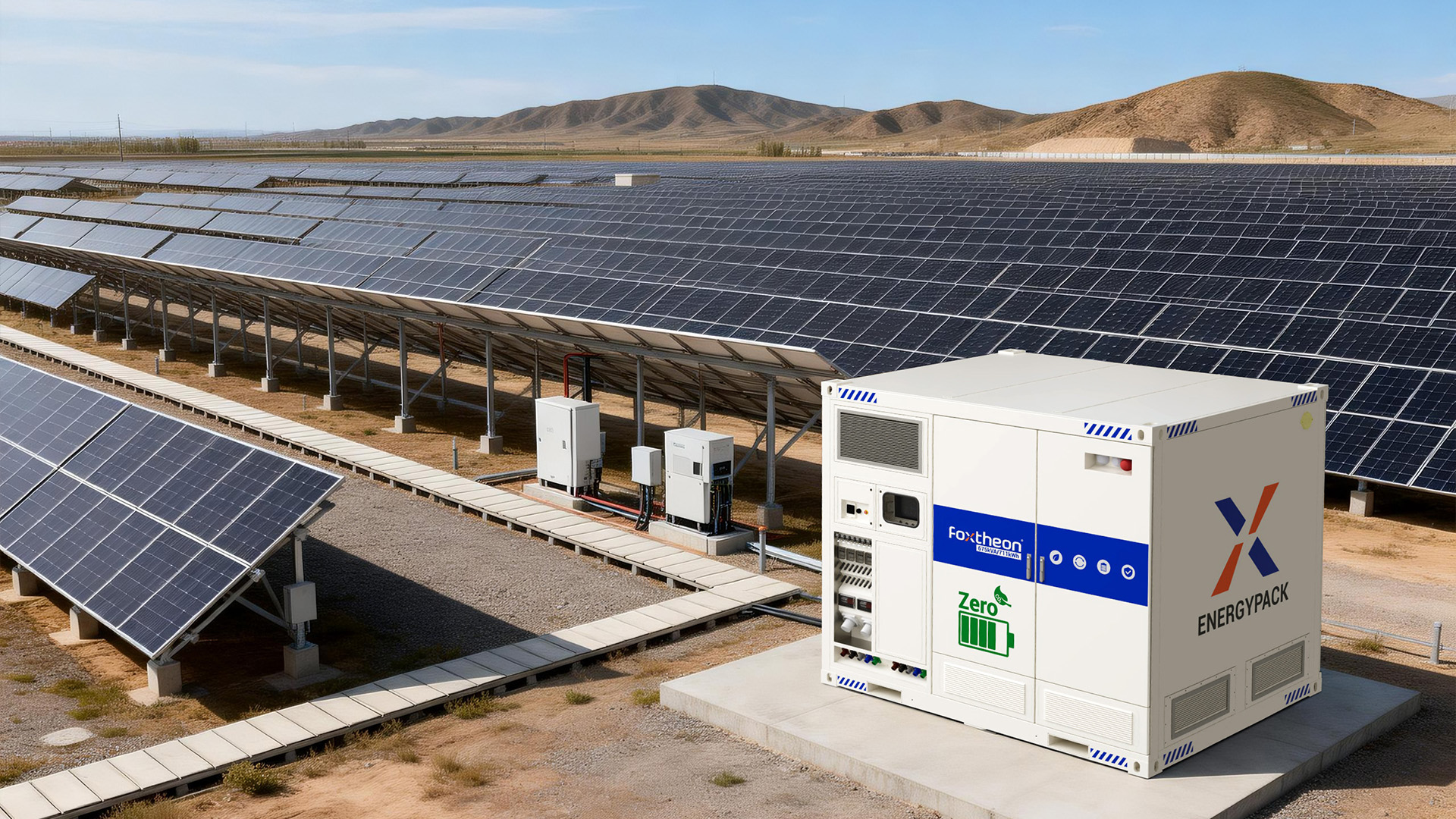
In the telecommunications industry, network downtime directly translates to lost revenue and frustrated customers. Every cell tower, data center, and switching station requires constant, clean electricity. When the grid falters, telecom power backup solutions step in to keep signals flowing. These systems are no longer just optional extras—they are the backbone of modern connectivity. Companies like Foxtheon are at the forefront, delivering intelligent energy storage that ensures your networks stay online during outages, voltage dips, or peak demand periods. This article explores the essential components, types, and benefits of today’s backup technologies, with practical insights for operators looking to upgrade their infrastructure.
Why Telecom Networks Depend on Robust Power Backup
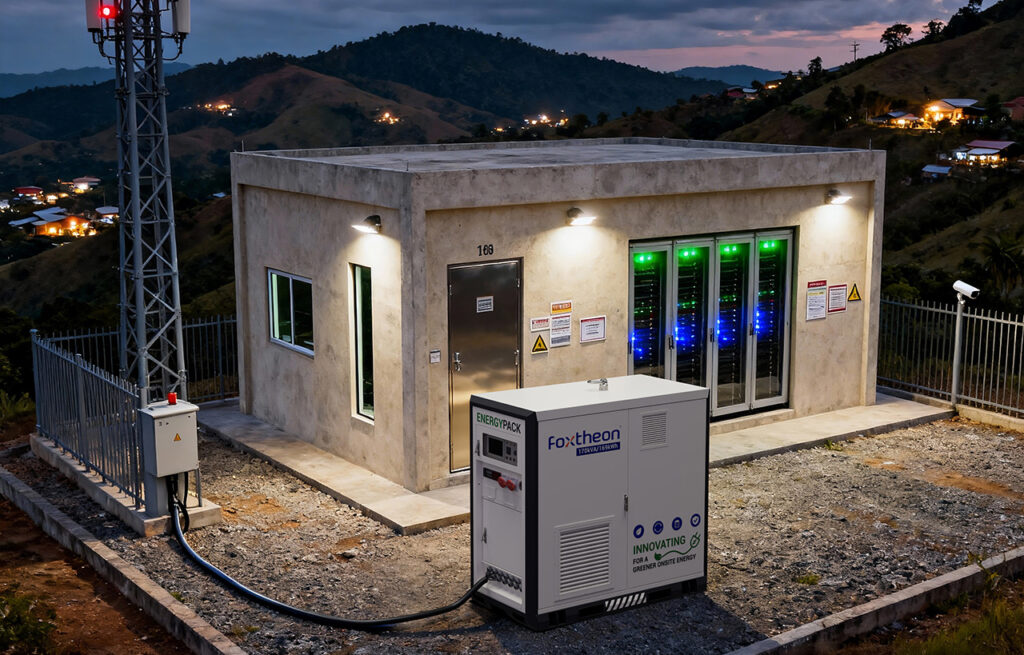
Modern telecom networks are more sensitive than ever. A brief power interruption can drop calls, interrupt data sessions, and cause equipment damage. Beyond the immediate service disruption, repeated outages shorten the lifespan of expensive base station electronics. Telecom power backup solutions provide a buffer that isolates sensitive equipment from grid instability. They also support the growing trend of edge computing, where processing happens closer to the user. Without reliable backup, remote towers and small cells become weak links. Operators who invest in quality backup see higher customer satisfaction and lower maintenance costs.
Key Types of Telecom Power Backup Solutions
There is no one-size-fits-all answer. Different sites—urban rooftops, rural towers, or underground facilities—require different approaches. Below we break down the most common technologies used today, with a focus on how they fit into real-world deployments.
Battery Energy Storage Systems (BESS)
Lithium-ion batteries have largely replaced traditional lead-acid in new installations. They offer higher energy density, longer cycle life, and faster recharge times. For a typical macro tower, a BESS can provide several hours of runtime, enough to cover most grid failures. Modern systems also include smart battery management that monitors cell health and predicts remaining capacity. Foxtheon offers modular battery cabinets that scale from 10kWh to over 200kWh, ideal for both small cells and large aggregation sites. Their systems integrate seamlessly with remote monitoring platforms.
Diesel Generators
Despite the push for green energy, diesel generators remain a staple for long-duration outages. They are essential in regions with weak grids or frequent natural disasters. However, they require regular fuel delivery, maintenance, and produce emissions. Many operators now use generators only as a last resort, pairing them with battery buffers to reduce runtime. Hybrid configurations can cut diesel consumption by up to 70%.
Hybrid Solutions (Solar + Storage)
Hybrid systems combine renewable generation with battery storage, sometimes with a small generator for backup. Solar panels on tower sites can offset daytime load and recharge batteries, dramatically lowering operating expenses. In sunny regions, a well-designed hybrid can achieve near-zero diesel usage. Foxtheon‘s hybrid controllers automatically switch between solar, battery, and grid power to maximize efficiency while ensuring 100% uptime. These controllers are weather-proof and support remote firmware updates.
Fuel Cell Backup
For sites where emissions and noise are critical—like urban rooftops or residential areas—hydrogen fuel cells offer a clean alternative. They convert fuel into electricity with only water vapor as a byproduct. Fuel cells can run for days on a single tank, making them suitable for extended outages. While still more expensive upfront, costs are declining as hydrogen infrastructure expands.
Critical Factors When Choosing Backup Solutions
Selecting the right telecom power backup solutions involves balancing technical requirements with budget and site constraints. Here are the main considerations:
- Load profile: How much power does the site consume on average? Peak loads during busy hours matter too.
- Autonomy required: Do you need 4 hours, 8 hours, or multiple days of backup? This drives battery sizing.
- Environmental conditions: Outdoor cabinets must withstand extreme temperatures, humidity, and dust.
- Grid reliability: Sites with frequent short outages benefit more from fast-switching batteries than from generators.
- Total cost of ownership: Include maintenance, fuel, battery replacement, and remote management fees.
- Scalability: Can you add capacity later without replacing the whole system?
Operators often work with vendors like Foxtheon to conduct site audits. Their engineers use simulation tools to model energy flows and recommend the most cost-effective configuration.
Benefits of Modern Telecom Power Backup Solutions
Upgrading to intelligent backup brings multiple advantages beyond just keeping the lights on. Let’s look at the concrete gains:
- Higher reliability: Sub-second switchover means no dropped calls or data session interruptions.
- Remote monitoring: Cloud dashboards show real-time status, battery health, and alerts. Technicians only visit when necessary.
- Energy cost savings: Smart systems shave peak demand charges by using stored energy during expensive tariff periods.
- Extended equipment life: Clean, regulated power protects sensitive electronics from surges and brownouts.
- Environmental compliance: Reduced diesel use lowers carbon footprint and helps meet sustainability goals.
One African operator reported a 40% drop in site outages after deploying lithium-ion batteries with remote management, along with a 25% reduction in diesel expenses. These numbers are becoming typical as technology matures.
Foxtheon’s Approach to Telecom Power Backup
As a specialist in intelligent energy, Foxtheon designs its telecom power backup solutions with the operator’s operational reality in mind. Their systems feature plug-and-play installation, reducing truck rolls and on-site labor. The company’s energy management software learns site consumption patterns and optimizes battery usage to maximize lifespan. For example, in regions with unstable grids, the system can keep batteries at a partial charge to allow for immediate grid absorption when power returns, preventing overcharging. Foxtheon also offers flexible financing models, including battery-as-a-service, which shifts upfront capital expenditure to predictable monthly fees. This helps operators scale their networks without straining budgets.
Future Trends in Telecom Power Backup
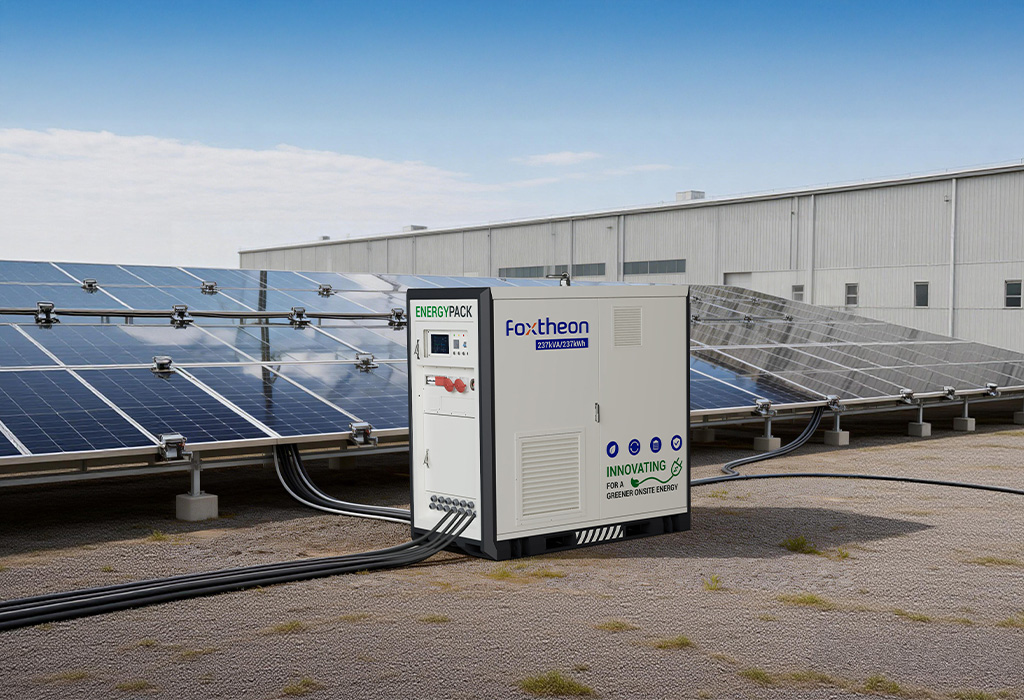
The landscape is shifting rapidly. Two major trends will shape the next generation of backup systems. First, virtual power plants: aggregating thousands of telecom batteries to provide grid services. When idle, these batteries can sell excess capacity back to utilities, creating a new revenue stream for operators. Second, solid-state batteries promise even higher safety and energy density, though commercialization is still a few years away. Additionally, artificial intelligence will enable predictive maintenance—anticipating failures before they occur. Foxtheon is already piloting AI-driven controllers that adapt to local weather forecasts and grid stability data, ensuring backup readiness while minimizing costs.
Frequently Asked Questions
As networks evolve toward 5G and beyond, the demand for uninterrupted power only grows. Investing in modern telecom power backup solutions is not just about avoiding downtime—it’s about building a resilient, efficient, and future-ready infrastructure. Providers like Foxtheon are continuously innovating to make these systems smarter, greener, and more affordable. Whether you manage a handful of towers or thousands, evaluating your backup strategy today will pay dividends in the years ahead.