
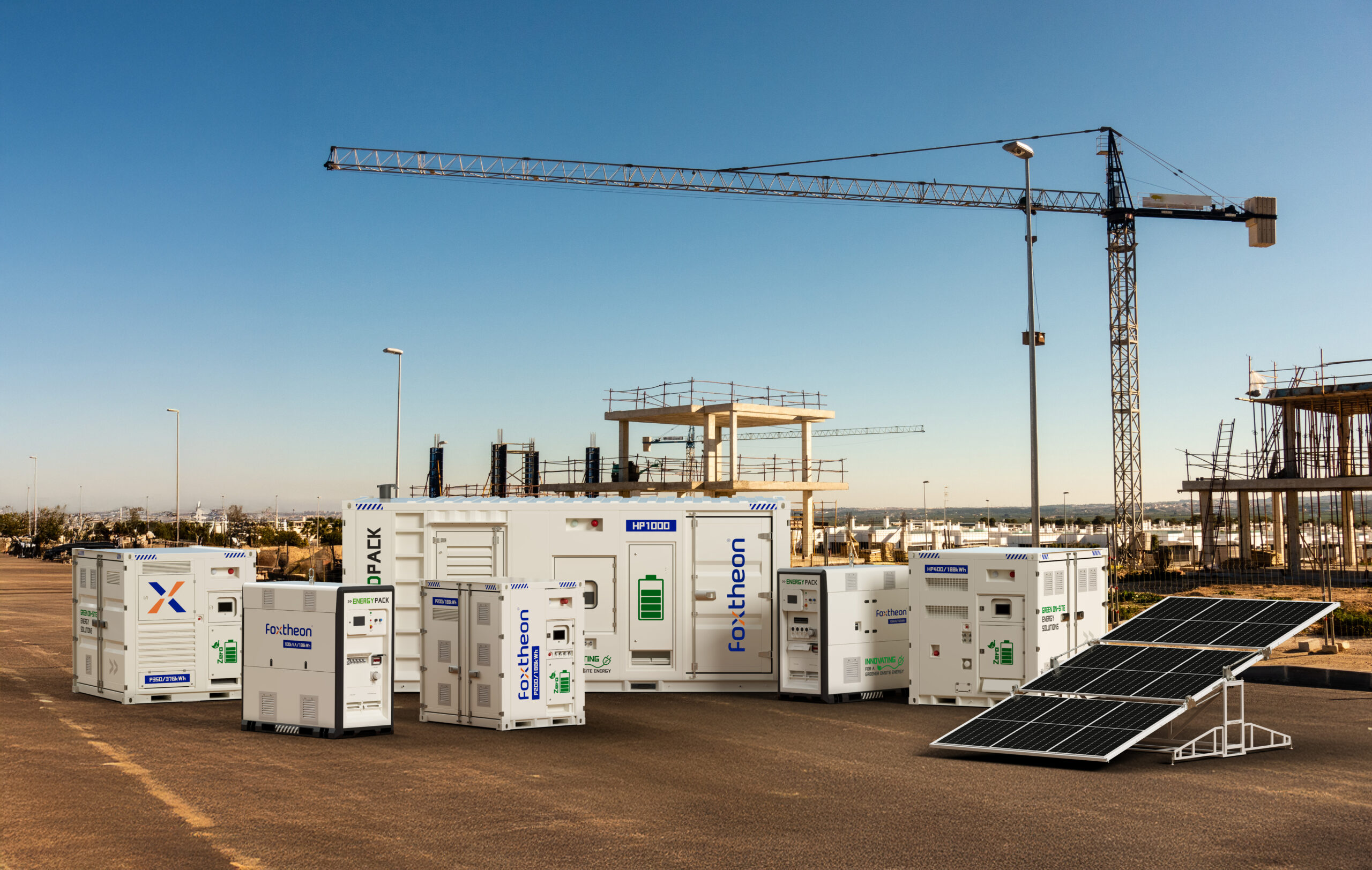
The global construction industry operates within highly competitive margins, making the rigorous management of operational expenditures (OpEx) a primary objective for project managers and contractors. Traditionally, off-grid construction sites have relied entirely on oversized diesel generators to meet continuous electrical demands. However, volatile fossil fuel markets, stringent environmental regulations, and inherent mechanical inefficiencies have rendered this legacy approach financially unsustainable. For organizations looking to modernize their infrastructure, executing actionable strategies to reduce fuel cost construction site power is no longer optional—it is a critical necessity for maintaining profitability and compliance.
This comprehensive analysis examines the technical methodologies, equipment right-sizing protocols, and the deployment of Battery Energy Storage Systems (BESS) required to optimize site energy consumption. By adopting these advanced engineering practices, contractors can dramatically lower carbon emissions while cutting energy-related overheads by up to 60%.
The Financial Drain of Traditional Diesel Infrastructure
To understand how to effectively address high operational costs, engineers must first analyze the inefficiencies inherent in standard diesel power generation on temporary sites.
The Problem of Low-Load Operations and Wet Stacking
A persistent industry pain point is the mismatch between generator capacity and actual load requirements. Generators are typically sized to accommodate the maximum peak load—such as the momentary inrush current required to start a tower crane. However, for 80% of the operational day, the site base load (welfare cabins, security systems, and basic lighting) consumes only a fraction of that capacity.
Operating a high-capacity diesel engine at loads below 30% of its rated output causes incomplete fuel combustion, a phenomenon known in mechanical engineering as “wet stacking.” Unburned fuel accumulates in the exhaust system, leading to carbon buildup, accelerated engine wear, increased maintenance frequency, and massive fuel waste. Overcoming this mechanical inefficiency is the first step to fundamentally reduce fuel cost construction site power.
Logistics, Maintenance, and Idling Costs
Beyond the direct price per liter of diesel, the total cost of ownership (TCO) for traditional power generation includes fuel delivery logistics, environmental spill compliance, and routine servicing. Generators left idling overnight to power basic welfare units consume significant amounts of fuel without performing productive mechanical work, compounding daily financial losses.
Proven Methodologies to Reduce Fuel Cost Construction Site Power
Modernizing site power requires a shift from static, single-source generation to dynamic, hybrid energy microgrids. The following technical strategies represent the most effective approaches to optimizing energy expenditure.
1. Implementing Hybrid Energy Microgrids (BESS Integration)
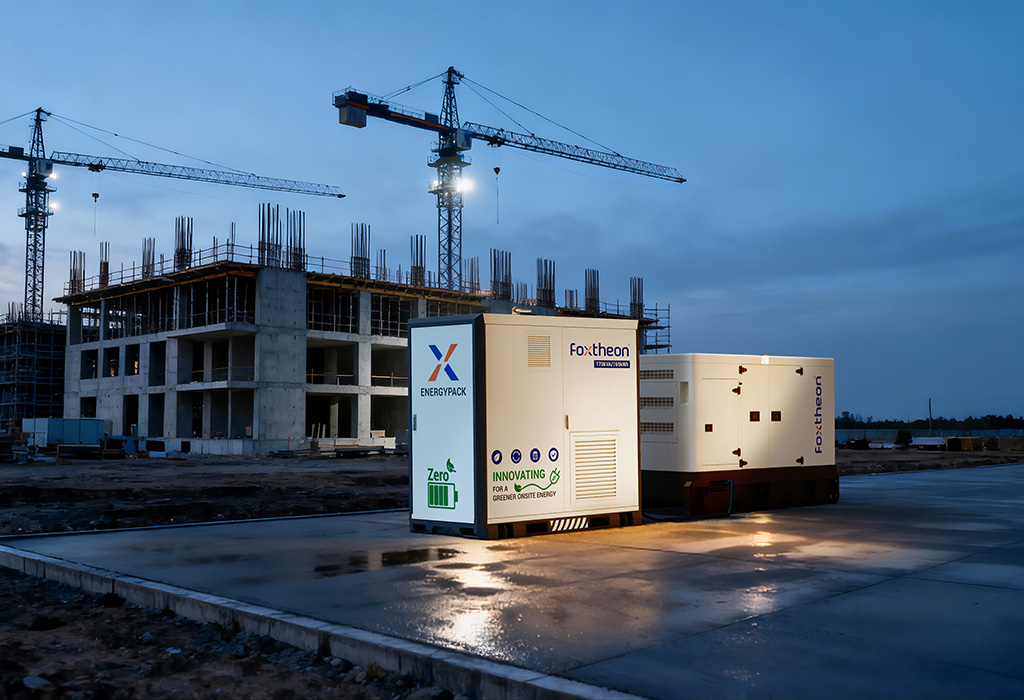
The integration of a Battery Energy Storage System (BESS) alongside a traditional diesel generator is the most robust strategy to reduce fuel cost construction site power. In a hybrid configuration, an Energy Management System (EMS) monitors the site’s real-time demand.
- High-Demand Periods: The generator and the BESS work in tandem to supply maximum power.
- Optimal Charging: When site demand drops, the generator continues running at its most fuel-efficient load (typically 75% to 80% capacity) to simultaneously power the site and rapidly charge the BESS.
- Silent Operation: Once the battery is fully charged, the EMS automatically shuts down the diesel generator. The BESS then autonomously powers the site’s base load silently, with zero emissions and zero fuel consumption.
2. Intelligent Equipment Right-Sizing
Accurate load profiling is imperative. Rather than relying on theoretical maximums, project managers must utilize data loggers and telemetry during the site setup phase. By analyzing real-time phase balance, voltage fluctuations, and harmonic distortions, contractors can replace a single, highly inefficient 250kVA generator with a much smaller 100kVA unit paired with an industrial battery system.
3. Advanced Telematics and Predictive Load Management
Modern power equipment incorporates Internet of Things (IoT) sensors that provide granular data on kilowatt-hour (kWh) consumption. Engineers can utilize this telemetry to schedule power-intensive activities consecutively rather than concurrently, smoothing out the demand curve. Eliminating artificial peaks allows for smaller base-load generation, which is highly effective for those seeking to reduce fuel cost construction site power.
Leveraging Industrial Battery Technology for Site Efficiency
The technological core of any hybrid site is the battery chemistry and the internal power electronics. Lithium Iron Phosphate (LiFePO4 or LFP) cells have become the industry standard for construction environments due to their thermal stability, exceptionally high cycle life (often exceeding 6,000 cycles at 80% Depth of Discharge), and ability to operate in harsh ambient temperatures.
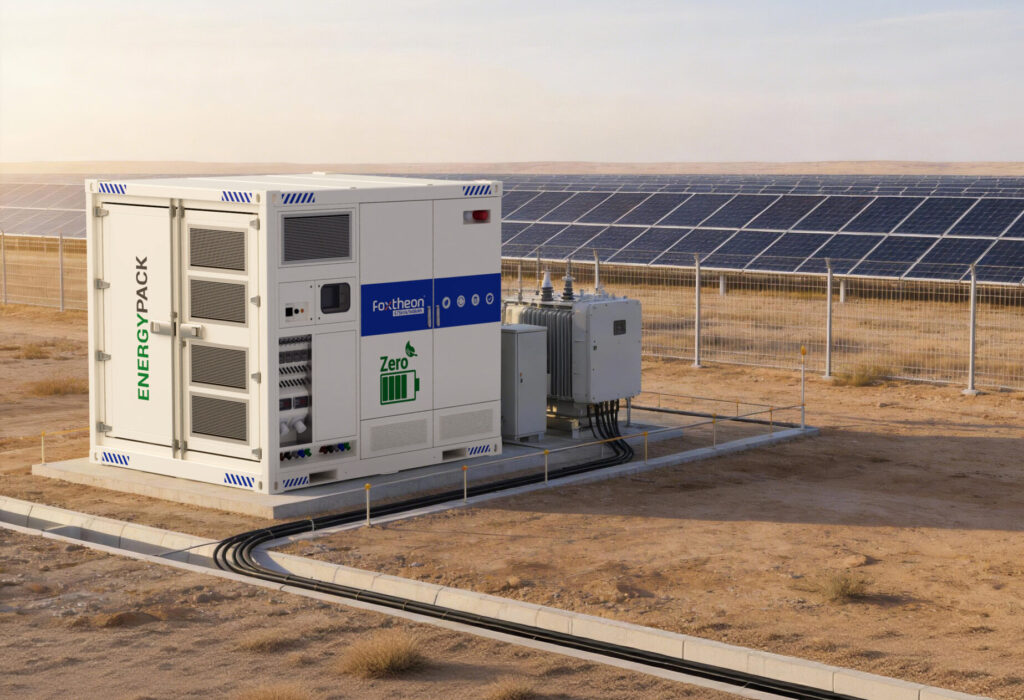
Leading manufacturers recognize these specific industry challenges. For instance, commercial-grade energy storage systems engineered by Foxtheon provide ruggedized, scalable solutions specifically designed for off-grid operations. Their systems incorporate advanced liquid or active air thermal management, ensuring maximum inverter efficiency even under continuous heavy loads. By utilizing smart inverter technology, Foxtheon enables contractors to seamlessly transition between internal battery reserves, grid connections, and backup generators, maximizing overall system efficiency.
Addressing Specific High-Draw Scenarios
To accurately assess energy strategies, it is necessary to examine specific heavy-machinery scenarios that traditionally drive up fuel usage.
Tower Cranes and Transient Load Management
Electric tower cranes possess severe transient load profiles. The Locked Rotor Amps (LRA)—the current required to initially overcome the inertia of the hoist motor—can be up to six times higher than the continuous Full Load Amps (FLA). Traditionally, a massive generator was hired solely to accommodate this three-second inrush current.
Using a battery storage system for “peak shaving” solves this mechanical dilemma. A smaller generator handles the steady FLA, while the battery inverter instantly discharges high-amperage power to cover the momentary LRA spike. This dynamic load sharing is a highly targeted way to reduce fuel cost construction site power without compromising structural lifting capacities.
Welfare Cabins and Overnight Power
Welfare units (drying rooms, canteens, site offices) require a constant but low supply of electricity for heating, security cameras, and lighting, particularly overnight. Running a primary generator overnight for a 5kW load is drastically inefficient. Deploying a hybrid battery system allows the diesel engine to be completely shut down at the end of the working day, resulting in 10 to 14 hours of absolute zero-fuel operation daily.
The Integration of Renewable Energy Synergies
As the construction sector aligns with Scope 1 and Scope 3 emission reduction targets, pairing hybrid systems with temporary renewable generation is becoming standard practice. Solar Photovoltaic (PV) arrays can be securely mounted to the roofs of site cabins or deployed as ground-mounted mobile arrays.
When combined with a smart microgrid controller, solar generation directly offsets the battery charging requirements. On bright days, solar energy can entirely sustain the site’s base load, leaving the diesel generator strictly as an emergency backup. This integration requires sophisticated Maximum Power Point Tracking (MPPT) charge controllers, often built directly into premium energy storage solutions provided by industry leaders like Foxtheon, ensuring that every captured watt translates into direct OpEx savings.
Best Practices for Formulating an Energy Management Plan
Project directors should adhere to a strict operational checklist to ensure maximum efficiency:
- Conduct Thorough Load Profiling: Install power quality analyzers for the first week of operations to map exact consumption patterns across all three phases.
- Optimize Phase Balancing: Ensure that single-phase loads (like office heaters) are evenly distributed across a three-phase generator to prevent voltage imbalance and wasted energy.
- Establish Strict Idling Policies: Utilize automated start/stop functionality via an EMS to completely remove human error from generator scheduling.
- Prioritize Thermal Efficiency: Choose energy storage solutions with robust thermal management to prevent battery derating in extreme summer or winter conditions.
- Regular Telemetry Audits: Review daily kWh generation versus consumption data to detect anomalies or unauthorized power draws.
Conclusion
The transition away from traditional, inefficient power generation requires a commitment to precise engineering and smart technology. By abandoning outdated sizing models and embracing hybrid microgrid configurations, contractors can eliminate the financial burden of generator wet-stacking and continuous overnight idling. Implementing high-capacity battery systems, intelligent load management, and targeted peak-shaving protocols are proven, data-supported mechanisms to reduce fuel cost construction site power.
Through the utilization of advanced, ruggedized hardware from specialists such as Foxtheon, project managers can drastically lower their total cost of ownership, achieve stringent environmental compliance, and ensure a reliable, optimized power supply throughout the entire lifecycle of the construction project.
Frequently Asked Questions (FAQ)
Q1: What is the most effective technological approach to reduce fuel cost construction site power?
A1: The most effective approach is deploying a Hybrid Energy System that pairs a correctly sized diesel generator with a commercial-grade Battery Energy Storage System (BESS). This setup ensures the generator only runs at its peak efficiency to charge the battery or handle extreme loads, while the BESS powers low-demand periods silently, cutting fuel consumption by up to 60%.
Q2: How does a battery system address the high energy demands of a tower crane?
A2: Tower cranes require massive, instantaneous power spikes (inrush current) to start moving, but very little power during general operation. A BESS provides “peak shaving” by utilizing its rapid-discharge inverters to supply the momentary high-amperage power required for the crane. This allows the site to run a much smaller primary generator for the base load, significantly lowering daily diesel usage.
Q3: Can solar panels completely replace diesel generators on large building sites?
A3: While completely replacing generators on heavy-machinery sites with solar alone is currently unfeasible due to space constraints for PV arrays, solar integration is a vital supplementary strategy. Temporary solar arrays can power site cabins and keep hybrid battery systems topped up, drastically reducing the number of hours the backup diesel generator needs to run.
Q4: What is “generator right-sizing” and why is it critical for cost savings?
A4: Generator right-sizing involves analyzing the actual kilowatt usage of a site using data loggers, rather than guessing based on maximum theoretical limits. Oversized generators running at low capacities suffer from “wet stacking,” which wastes fuel and damages the engine. Right-sizing ensures the generation equipment matches the exact demand profile, maximizing thermal efficiency and fuel economy.
Q5: How quickly can a construction firm expect a Return on Investment (ROI) when upgrading to a hybrid BESS solution?
A5: ROI depends on regional diesel prices, logistics costs, and site load profiles. However, because hybrid systems drastically reduce fuel cost construction site power, eliminate overnight generator idling, and reduce mechanical maintenance intervals, most commercial construction firms report a complete ROI within 12 to 18 months of continuous deployment.