
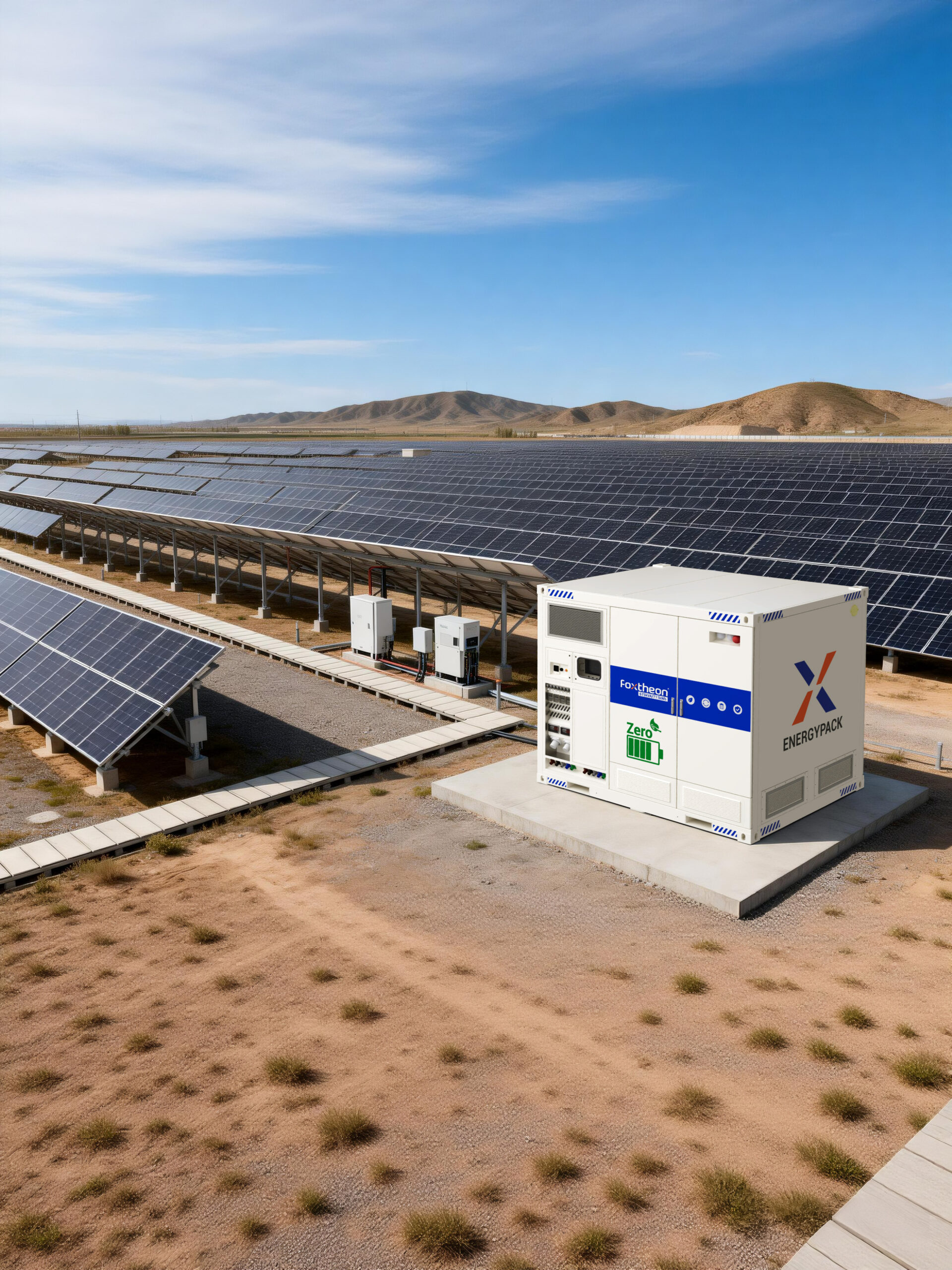
The global shift toward decentralized energy infrastructure has necessitated a more flexible approach to power management. Industrial sectors, ranging from mining operations to data centers, require systems that can scale rapidly while maintaining high levels of reliability. At the center of this movement are containerized power solutionsKA, which provide a modular framework for energy storage, conversion, and distribution. These systems are not merely portable enclosures; they represent a sophisticated synthesis of power electronics, thermal management, and digital control systems designed to optimize energy efficiency across diverse environments.
As an industry leader, Foxtheon focuses on developing high-density energy systems that bridge the gap between traditional power generation and modern storage requirements. By understanding the intricate engineering behind these modular units, organizations can better integrate them into existing portfolios to enhance operational stability and meet decarbonization targets.
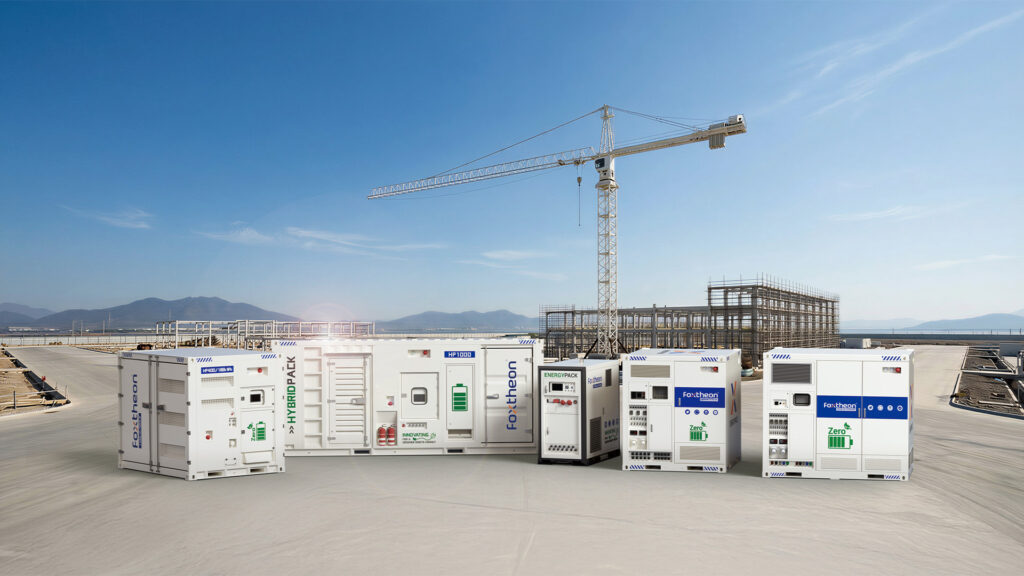
The Engineering Foundation: Inside Containerized Energy Storage
A high-performance containerized system is defined by its internal architecture. Most modern units utilize ISO-standard containers (typically 10ft, 20ft, or 40ft) to house the entire electrical ecosystem. The technical complexity lies in the integration of several core subsystems that must function in harmony under varying load conditions.
Power Conversion Systems (PCS)
The PCS is the heart of any [containerized power solutionsKA] setup. It manages the bi-directional flow of energy between the battery racks and the grid or local load. Advanced PCS units utilize Silicon Carbide (SiC) or Insulated-Gate Bipolar Transistor (IGBT) technology to achieve conversion efficiencies exceeding 98%. These systems must support multiple modes of operation, including grid-following, grid-forming, and black-start capabilities, allowing for seamless transition during utility outages.
Advanced Battery Management Systems (BMS)
The longevity of a containerized energy asset depends heavily on its BMS. This multi-level control architecture monitors State of Charge (SOC), State of Health (SOH), and cell-level voltage and temperature. By employing active balancing, the BMS ensures that energy is distributed evenly across thousands of Lithium Iron Phosphate (LiFePO4) cells, preventing premature degradation and maximizing the usable energy capacity over the system’s lifecycle.
Integrated Thermal Management
Temperature control is a primary engineering challenge in high-density energy containers. While air-cooling remains common for lower-power applications, high-C-rate operations often require liquid-cooling systems. Liquid cooling provides superior thermal uniformity, reducing the temperature delta between cells to within ±3°C. This level of precision is fundamental for maintaining performance in harsh climates, such as remote mining sites or desert solar farms.
Operational Synergy: Hybridizing Existing Infrastructure
One of the most effective applications for [containerized power solutionsKA] is the hybridization of existing power assets. Rather than seeking to displace established generator fleets, modular storage systems act as a sophisticated optimization layer. In many industrial settings, traditional diesel or gas generators operate at sub-optimal load factors, leading to increased fuel consumption and maintenance requirements.
By integrating Foxtheon energy storage technology, operators can implement “spinning reserve” functionality. The battery system handles instantaneous load spikes, allowing generators to run at their most efficient “sweet spot” or even be turned off during low-demand periods. This hybrid approach significantly reduces the total cost of ownership (TCO) for power plants by extending the service intervals of mechanical components and lowering the overall carbon footprint without compromising on-site power security.
- Peak Shaving: Reducing demand charges by discharging the battery during periods of highest consumption.
- Load Following: Providing immediate response to fluctuations in industrial equipment power draw.
- Frequency Regulation: Maintaining grid stability by injecting or absorbing power within milliseconds.
Strategic Application Scenarios
The versatility of containerized power solutionsKA makes them suitable for a wide array of demanding sectors. Each application brings unique technical requirements that influence the system’s final configuration.
Telecommunications and Data Centers
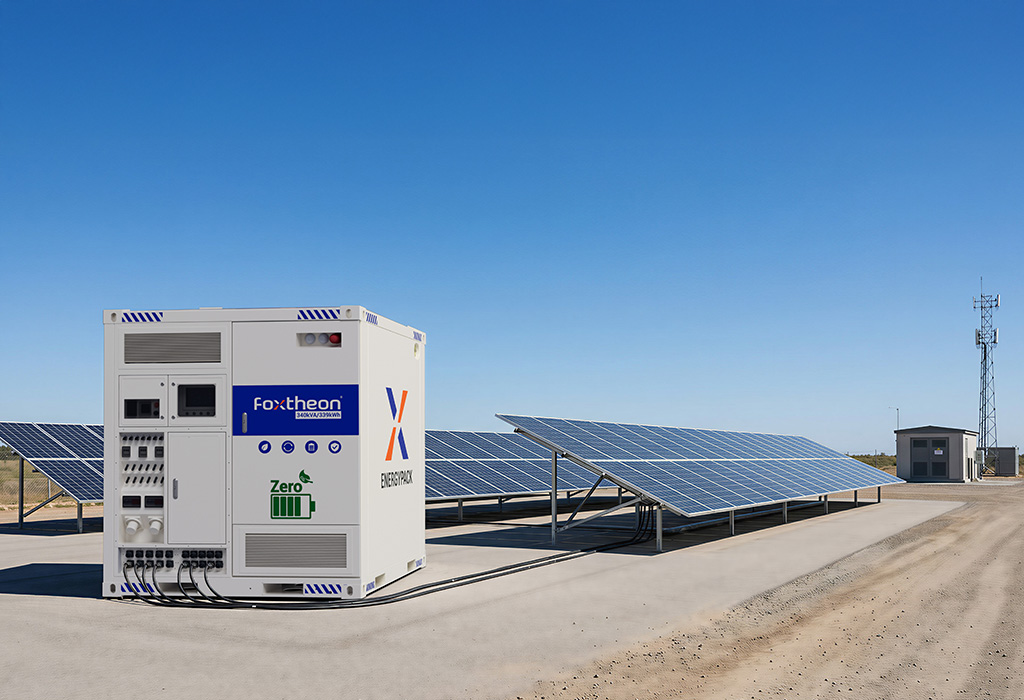
For the telecom industry, particularly in remote areas, power reliability is non-negotiable. Containerized systems provide a robust backup that can integrate with solar PV arrays. In data centers, these units serve as a scalable Uninterruptible Power Supply (UPS) alternative, offering longer discharge durations than traditional lead-acid systems while occupying a smaller physical footprint.
Mining and Heavy Industry
Mining operations often occur in “off-grid” or “weak-grid” locations. The introduction of modular power containers allows these sites to incorporate large-scale renewable energy. The containerized nature of the hardware protects sensitive power electronics from the dust, vibration, and extreme temperatures typical of mining environments. Furthermore, the mobility of ISO containers means the power infrastructure can follow the mining front as operations move.
Grid-Scale Utility Support
Utilities utilize these systems for “non-wires alternatives.” Instead of investing in expensive new transmission lines or transformer upgrades, a utility can deploy a containerized power solution at a substation to manage local congestion. This modularity allows for rapid deployment—often within months rather than years—providing a flexible tool for grid management.
Safety Standards and Compliance
Safety is a cornerstone of the Foxtheon design philosophy. Containerized power systems must adhere to rigorous international standards to ensure the protection of both personnel and the surrounding environment. This involves multi-layered safety protocols integrated directly into the hardware and software.
Fire Suppression Systems
Modern [containerized power solutionsKA] are equipped with specialized fire detection and suppression systems. These often include aerosol-based extinguishers or Novec 1230 gas systems that are designed to intervene at the earliest sign of a thermal event. Advanced gas detection sensors can identify the “off-gassing” phase before a fire even occurs, allowing for emergency shutdown and isolation of the affected battery modules.
Structural Integrity and Environmental Protection
The enclosure itself must meet NEMA 3R or IP55/IP66 ratings to protect against moisture, dust, and corrosive salt air in coastal regions. Additionally, for seismic zones, the internal racking and mounting systems are engineered to withstand specific G-forces, ensuring the electrical connections remains secure during seismic activity.
Economic Feasibility and Life Cycle Analysis
When evaluating [containerized power solutionsKA], B2B stakeholders must look beyond the initial capital expenditure (CAPEX) and analyze the Levelized Cost of Storage (LCOS). The economic value proposition of these systems is built on several pillars:
- Reduced Site Work: Since the units are pre-assembled and factory-tested, on-site commissioning time is minimized, leading to lower labor costs and faster project timelines.
- Scalability: Modular designs allow companies to expand their capacity in increments as their power needs grow, preventing over-investment in the early stages of a project.
- Augmentation Strategies: As battery technology evolves, containerized systems allow for the “augmentation” of new battery strings into existing enclosures, keeping the system relevant for 15-20 years.
By utilizing Foxtheon expertise, project developers can optimize the balance between power (MW) and energy (MWh) to ensure the system is perfectly sized for the intended application, thereby maximizing the return on investment (ROI).
Technical Specification Comparison
Selecting the right containerized power solutionsKA requires a detailed comparison of technical parameters. The table below outlines typical considerations for different scales of industrial deployment.
| Parameter | Standard 20ft Unit | High-Density 40ft Unit | Custom Industrial Module |
|---|---|---|---|
| Typical Capacity Range | 1MWh – 2MWh | 3MWh – 5MWh | Variable |
| Cooling Method | Forced Air / Liquid | Advanced Liquid Cooling | Customized HVAC |
| Response Time | <20ms | <10ms | Application Dependent |
| Typical Lifespan | 6,000+ cycles | 8,000+ cycles | Design specific |
The Future of Modular Energy Integration
The trajectory of energy management is moving toward smarter, more autonomous systems. We are seeing the integration of Artificial Intelligence (AI) and Machine Learning (ML) into the control layers of [containerized power solutionsKA]. These digital twins can predict hardware failures before they occur and optimize energy arbitrage strategies by analyzing weather patterns and electricity price fluctuations in real-time.
This intelligence, combined with the physical durability of containerized housing, ensures that energy infrastructure remains resilient in the face of changing environmental and economic conditions. As the industry moves forward, the emphasis will remain on higher energy density, enhanced safety protocols, and seamless interoperability with diverse energy sources.
Frequently Asked Questions
Q1: How long does the installation of a containerized power solution typically take compared to traditional builds?
A1: Containerized systems are significantly faster to deploy. Since the majority of the wiring, integration, and testing is performed at the factory, on-site installation usually takes a few weeks, whereas traditional brick-and-mortar energy centers can take months or years to design and construct.
Q2: Can [containerized power solutionsKA] operate in extreme cold or heat?
A2: Yes. These units are specifically engineered for harsh environments. With integrated HVAC systems and advanced thermal management (such as liquid cooling), they maintain an internal operating temperature of 20°C to 25°C even when external temperatures range from -30°C to +50°C.
Q3: How do these systems integrate with existing diesel generator sets?
A3: Integration is handled via a microgrid controller or a smart PCS. The storage system monitors the load and the generator output, providing a buffer that allows the generator to operate at maximum efficiency while the battery handles the fluctuating demand and transient loads.
Q4: What is the typical maintenance requirement for a containerized energy module?
A4: Maintenance is relatively low. It primarily involves periodic inspections of the HVAC filters, checking coolant levels (if liquid-cooled), and monitoring the digital diagnostics provided by the BMS. Remote monitoring capabilities allow for most troubleshooting to be performed without an on-site technician.
Q5: Are these systems compliant with local grid codes for utility-scale connection?
A5: Professional solutions like those from Foxtheon are designed to meet major international standards such as UL 9540A, IEC 62619, and local grid codes (like IEEE 1547 in the US). Compliance is verified during the engineering phase to ensure seamless grid interconnection.
Connect with Our Technical Experts
Choosing the right energy architecture is a fundamental decision for your organization’s long-term operational success. Whether you are looking to stabilize a remote microgrid, optimize your industrial fuel consumption, or provide backup power for a data center, our team is ready to assist with detailed technical consultations and system sizing.
For more information on how our modular systems can support your specific energy requirements, please submit a professional inquiry. Our engineers will work with you to develop a customized solution that aligns with your technical specifications and financial objectives.
Contact us today for a comprehensive project assessment and technical proposal.