
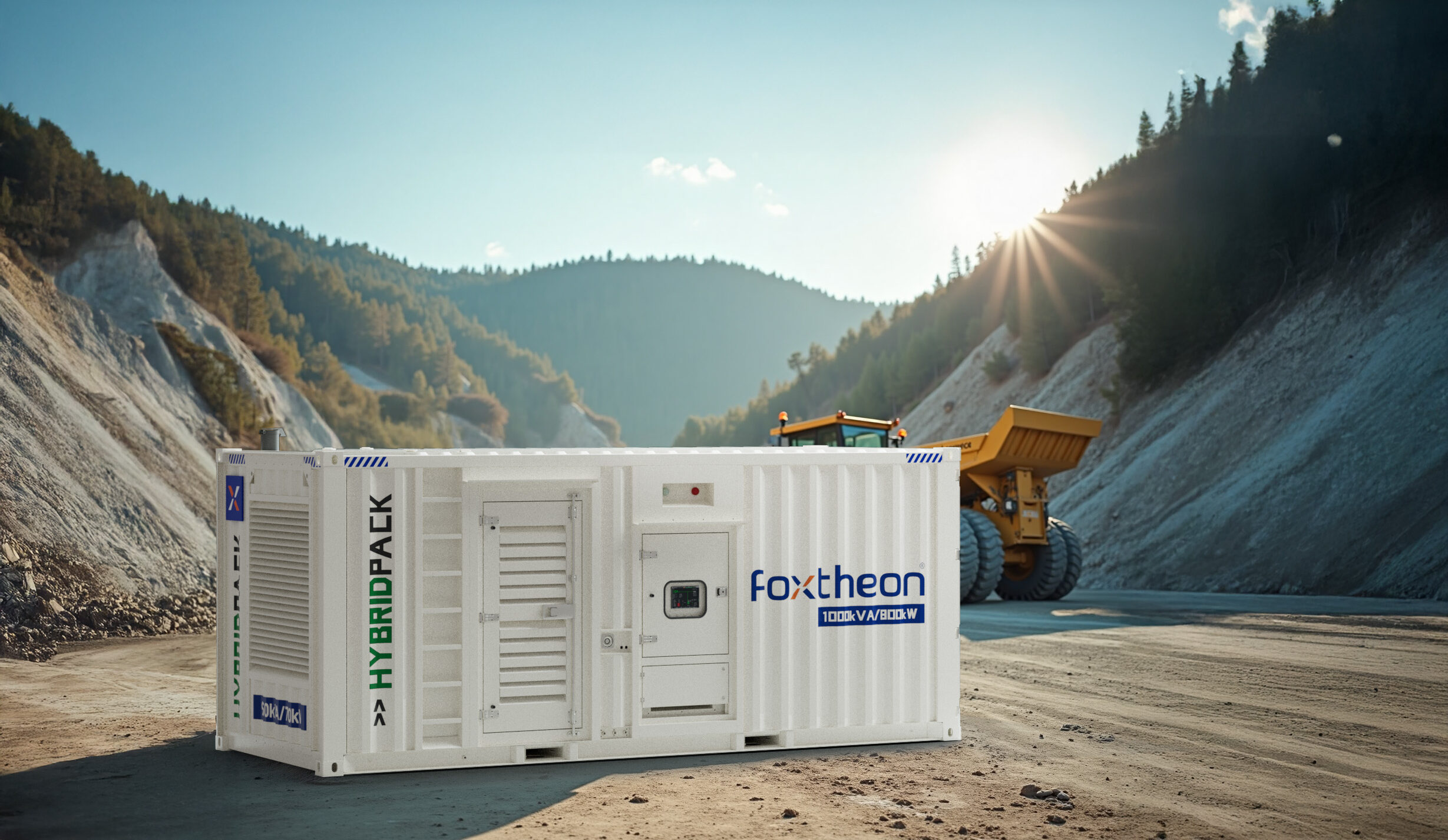
The requirement for reliable electricity in environments isolated from the centralized utility grid presents a unique set of engineering and logistical challenges. Whether supporting remote mining operations, telecommunications infrastructure, or large-scale construction sites, the selection of power assets determines the long-term viability and operational cost of the project. In professional circles, identifying the best off grid power generator involves a rigorous assessment of duty cycles, fuel consumption curves, and the integration of energy storage technologies.
Historically, off-grid power relied solely on the continuous operation of internal combustion engines. However, modern industrial standards have shifted toward more sophisticated, multi-layered architectures. These systems harmonize mechanical generation with advanced power electronics to ensure stability and efficiency under varying load conditions. For a B2B operator, the focus is not merely on “having power,” but on the quality, cost, and reliability of that power over a multi-year lifecycle.
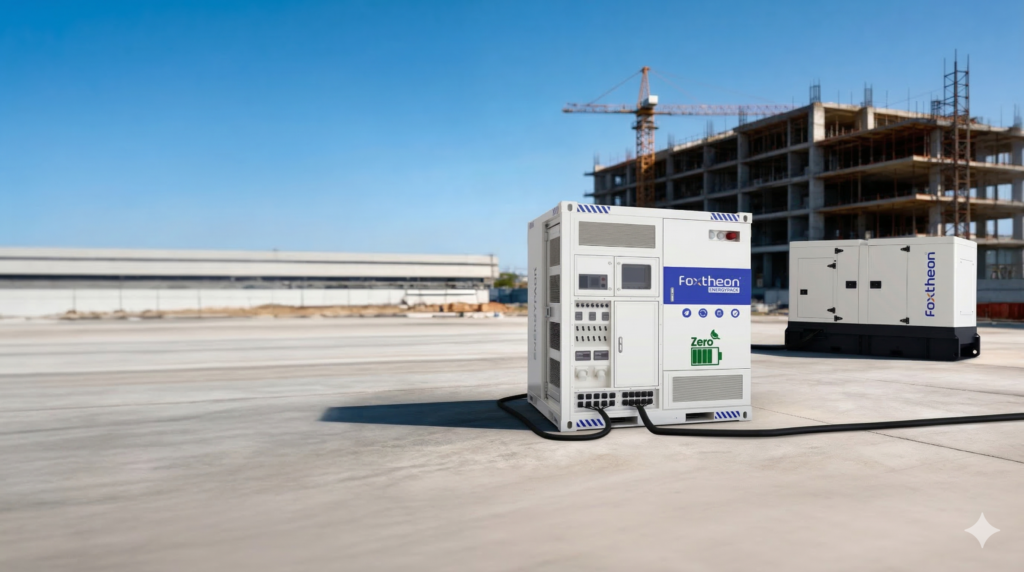
Deconstructing the Technical Architecture of Off-Grid Assets
To understand what constitutes the best off grid power generator, one must examine the subsystems that contribute to its performance. A professional-grade solution is characterized by its ability to manage transient loads while maintaining high power quality.
1. Prime Power vs. Standby Rating
In the context of off-grid operations, “Prime Power” is the standard metric. Unlike standby units designed for occasional grid outages, prime power generators are engineered for indefinite operation at variable loads. The mechanical components—including the cooling system, lubrication circuits, and alternator windings—must be rated for continuous duty. Selecting an asset based on standby ratings for a permanent off-grid application often leads to premature engine wear and frequent mechanical failures.
2. Power Conversion and Inversion Technology
The integration of a Power Conversion System (PCS) is what distinguishes modern units from traditional generators. The PCS manages the synchronization between the engine’s AC output and any stored DC energy. High-tier systems ensure a Total Harmonic Distortion (THD) of less than 3%, which is fundamental for protecting sensitive electronic equipment, such as PLC controllers and data transmission hardware, from electrical noise.
3. Energy Management and Load Shedding
An intelligent controller acts as the central nervous system of the asset. It monitors the load profile in real-time, deciding when to utilize the engine and when to draw from an integrated battery buffer. Foxtheon emphasizes the importance of smart energy management in reducing operational overhead, allowing for automated load-following that traditional, manually operated units cannot achieve.
Addressing the Challenges of Remote Site Electrification
Operators in the field face several recurring obstacles that dictate the necessity for a more robust generation strategy. These pain points are the primary drivers behind the development of the best off grid power generator models currently available on the market.
- Fuel Logistics and Storage: In remote regions, the cost of transporting fuel can exceed the cost of the fuel itself. Frequent refueling trips increase the carbon footprint and the risk of site contamination. Systems that maximize every gram of fuel through optimized combustion and battery-assisted load leveling are favored.
- Variable Load Profiles: Many industrial sites have a “peaky” load profile—low demand during the night and high demand during operational shifts. Running a large generator at 10% capacity during the night leads to “wet stacking,” where unburned fuel damages the exhaust system. Integrated storage solves this by allowing the engine to shut down during low-load periods.
- Maintenance Intervals: Constant engine operation necessitates frequent oil and filter changes, often every 250 to 500 hours. By reducing the actual running hours of the engine, hybrid-configured off-grid systems extend the time between service visits, which is a major logistical advantage in hard-to-reach locations.
The Role of Integrated Storage in Hybrid Solutions
The evolution of the best off grid power generator is intrinsically linked to the maturation of Lithium Iron Phosphate (LiFePO4) battery technology. When a generator is paired with a high-capacity battery bank, it transforms from a simple mechanical device into a smart microgrid component.
Foxtheon has been at the forefront of integrating these technologies to provide systems that offer “silent power” capabilities. This integration allows for a significant reduction in noise pollution, which is increasingly becoming a regulatory requirement in many jurisdictions. Furthermore, the battery bank provides a “spinning reserve,” allowing the system to react to sudden load spikes without the voltage drops associated with traditional engine-only setups.
Peak Shaving and Energy Buffering
Peak shaving is the process of using stored energy to supplement the generator during periods of maximum demand. This allows the operator to specify a smaller, more fuel-efficient engine that handles the average load, while the battery handles the peaks. This downsizing of the mechanical engine reduces both the initial capital expenditure and the ongoing fuel consumption.
Industry-Specific Applications and Requirements
The criteria for the best off grid power generator vary depending on the sector. A technical understanding of these requirements is necessary for proper asset allocation.
Telecommunications and Signal Infrastructure
Telecom towers require highly stable, 48V DC or 230V AC power 24/7. Since these sites are often unmanned, remote monitoring and autonomous operation are mandatory. Hybrid off-grid generators excel here, as they can run the engine for only 4-6 hours a day to charge batteries, leaving the batteries to power the sensitive radio equipment for the remainder of the time in total silence.
Mining and Resource Extraction
In mining, power systems must withstand extreme vibrations, dust, and temperature fluctuations. The power demand is heavy and often includes large inductive loads from motors. A robust best off grid power generator for this sector features reinforced enclosures and advanced air filtration systems, alongside a high-current discharge battery to assist with motor start-ups.
Disaster Recovery and Humanitarian Aid
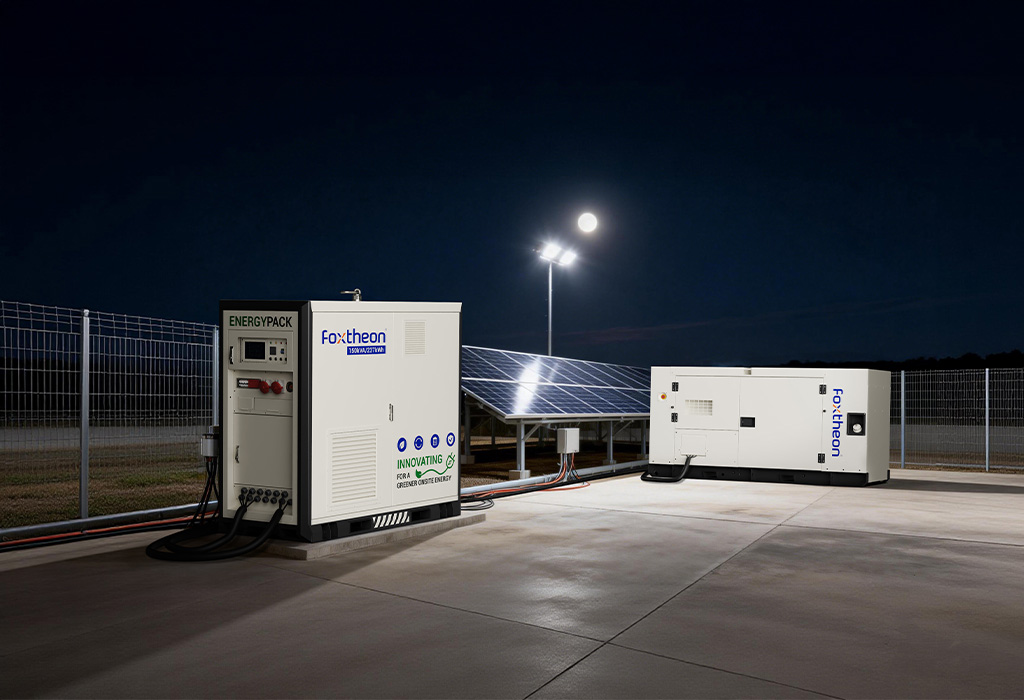
When the grid is compromised by natural events, rapidly deployable power is the first priority. Modular systems that can be transported via standard logistics and operate immediately upon arrival are vital. In these scenarios, the ability of the system to integrate with temporary solar arrays provides an extra layer of security, ensuring that power remains available even if fuel deliveries are delayed.
Economic Evaluation: CAPEX vs. OPEX in Off-Grid Power
A professional B2B procurement process requires a deep dive into the Total Cost of Ownership (TCO). While traditional generators may have a lower initial purchase price (CAPEX), their operational expenses (OPEX) in an off-grid environment are often significantly higher.
| Cost Factor | Traditional Diesel Generator | Modern Hybrid Off-Grid System |
|---|---|---|
| Fuel Consumption | High (continuous operation) | Low (optimized engine use) |
| Maintenance Frequency | High (every 250-500 hours) | Low (reduced engine run-time) |
| Asset Lifespan | Moderate (due to high wear) | High (balanced load distribution) |
| Total Cost (5 Years) | Higher due to fuel and labor | Lower due to efficiency gains |
When assessing the best off grid power generator, engineers look at the “levelized cost of energy” (LCOE). By integrating storage and smart controls, companies like Foxtheon help businesses achieve a lower LCOE, making the investment more attractive for long-term infrastructure projects.
Environmental Compliance and Future-Proofing
Regulatory frameworks regarding carbon emissions and noise levels are tightening globally. Moving toward a hybrid off-grid model is a proactive step in maintaining compliance. Modern systems are designed to be “renewable-ready,” meaning they can easily incorporate photovoltaic (PV) input as it becomes available. This modularity ensures that the equipment does not become obsolete as energy policies evolve.
The technical sophistication of the best off grid power generator lies in its flexibility. It is an asset that can adapt to changing site conditions, different fuel types, and the gradual integration of green energy sources without requiring a complete system overhaul.
Conclusion: Selecting the Right Power Partner
Choosing an off-grid power solution is a strategic decision that impacts the operational efficiency and financial health of a project. The best off grid power generator is a balanced integration of mechanical reliability, energy storage capacity, and intelligent management software. By focusing on systems that prioritize fuel displacement, reduced maintenance, and high power quality, B2B operators can ensure their remote operations remain resilient and cost-effective.
Frequently Asked Questions
Q1: What is the primary difference between a standard generator and an off-grid hybrid generator?
A1: A standard generator relies entirely on the engine to meet load demands, which often leads to inefficiency during low-load periods. A hybrid off-grid generator integrates a battery storage system and a smart controller, allowing the engine to run only at its most efficient points or to be turned off entirely while the battery carries the load.
Q2: How does the “Silent Mode” benefit industrial operators?
A2: Silent Mode allows the system to operate solely on battery power during specific times, such as overnight or in noise-sensitive residential areas. This helps companies comply with local noise ordinances and improves the working environment for on-site personnel without interrupting power supply.
Q3: Can these systems be integrated with existing solar panels?
A3: Yes. High-quality off-grid power solutions are designed with modularity in mind. They often include dedicated DC inputs or AC-coupling capabilities that allow solar PV systems to contribute directly to charging the battery bank and powering the load, further reducing fuel consumption.
Q4: What maintenance is required for the battery component?
A4: Modern Lithium Iron Phosphate (LiFePO4) batteries are virtually maintenance-free. Unlike lead-acid batteries, they do not require watering or equalization. The Battery Management System (BMS) automatically monitors the health, temperature, and state of charge of each cell to ensure safety and longevity.
Q5: How do I determine the correct size for my off-grid power asset?
A5: Sizing requires an analysis of your peak load, average daily energy consumption (in kWh), and the types of loads (inductive vs. resistive). A professional consultation will involve reviewing your load profile to ensure the best off grid power generator is selected to meet both your current and future demand requirements.
Q6: Is it possible to monitor the generator’s performance remotely?
A6: Most industrial-grade hybrid systems come equipped with IoT-enabled monitoring. Operators can track fuel levels, battery state of charge, load distribution, and engine health in real-time through a secure web portal or mobile application, which is vital for managing unmanned remote sites.
If you are looking to optimize your remote power infrastructure with high-efficiency technology, our team is ready to provide a detailed technical consultation.