
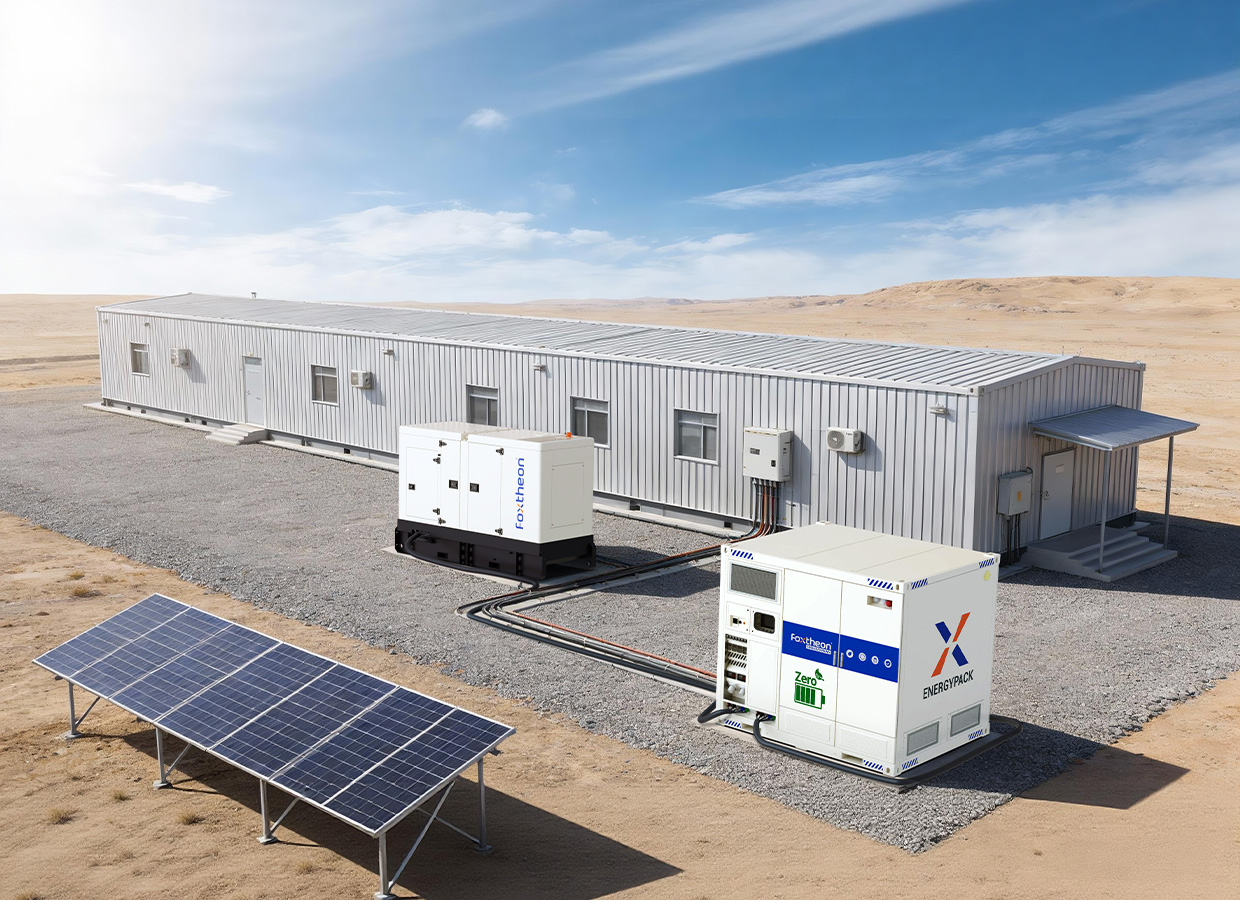
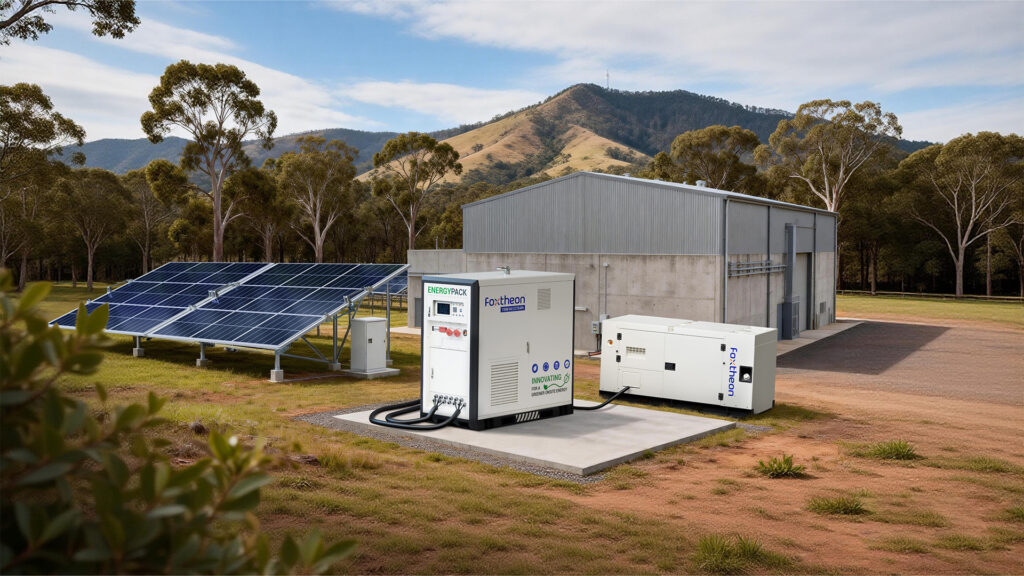
1. Core Architecture of Modern Hybrid Generators
A hybrid generator is not merely a genset with a small battery. It is a tightly coordinated system where the combustion engine, energy storage, power conversion, and control logic work in parallel. The key subsystems determine performance, fuel savings, and responsiveness.
1.1 Bi-Directional Inverter & Battery Integration
The inverter bridges the DC battery bank and AC load bus. Advanced silicon carbide (SiC) or IGBT-based designs achieve 97–98% round-trip efficiency. Battery chemistries typically use lithium iron phosphate (LFP) due to thermal stability and cycle life exceeding 4,000 cycles at 80% depth of discharge. The inverter must support grid-forming and grid-following modes, enabling the hybrid generator to operate standalone or synchronize with weak grids.
1.2 Energy Management System (EMS) Logic
Hierarchical control algorithms determine when to start/stop the engine, charge/discharge batteries, and shed non-critical loads. A rule-based EMS might maintain the battery between 30% and 90% state of charge (SoC) while a predictive EMS loads weather forecasts and tariff data. Key parameters to examine:
- Load following accuracy – voltage transient limits within ±5% for step loads of 50%.
- Parallel operation – ability to share active/reactive power with other units or the grid.
- Black start capability – restart from a fully depleted battery using residual solar or manual cranking.
2. Critical Application Scenarios Where Hybrid Generators Outperform Conventional Setups
Instead of replacing existing assets, smart hybrid integration maximizes the value of on-hand generators. The following industrial segments benefit measurably.
2.1 Remote Construction & Mining Sites
Operations with diurnal load profiles (e.g., crushing plants, welding stations) see 40–60% reduction in engine running hours when a hybrid generator handles idle periods and peak shaving. Reduced fuel logistics and fewer oil changes directly improve project margins.
2.2 Telecom Towers & Off-Grid Infrastructure
Base stations require continuous DC power but experience daily load swings due to traffic. Hybrid generators with integrated rectifiers smooth generator loading, eliminate low-efficiency idling, and provide backup for grid outages. A well-sized system can cut diesel consumption by up to 70% in sunny or windy regions when paired with renewables.
2.3 Commercial Buildings & Industrial Parks
For facilities with demand charges, hybrid generators participate in load peak shaving without running the engine at inefficient low loads. The battery can also provide emergency ride-through during the 10–15 seconds needed for a standby genset to start, bridging the gap seamlessly.
3. Technical Evaluation Checklist for Hybrid Generators for Sale
When comparing quotations and datasheets, engineering teams should demand transparent metrics beyond nameplate kVA.
- Minimum load factor without engine start – expressed as a percentage of rated power. Premium systems operate from 0% to 30% load solely from battery.
- Non-linear load capability – total harmonic distortion (THD) below 5% for rectifier loads, ensuring sensitive electronics are unaffected.
- Hot-swappable battery modules – reduces mean time to repair (MTTR) to under 30 minutes without de-energizing the bus.
- Remote monitoring protocol – Modbus TCP, CAN bus, or OPC UA for integration into existing SCADA or building management systems.
- Ambient temperature derating – clear curves for operation at 45°C / 50°C, especially for Middle East or tropical deployments.
Leading manufacturers provide these specifications in their technical datasheets. For turnkey solutions, Foxtheon offers engineered hybrid power systems tailored to industrial load profiles, with full EMS integration and remote fleet management.
4. Eliminating Common Operational Pain Points with Hybrid Architecture
Field data from hundreds of sites over five years highlights consistent issues that hybrid configurations solve mechanically.
4.1 Fuel Theft & Contamination
Because hybrid generators run the diesel engine 50–70% fewer hours, fuel consumption drops proportionally. Reduced on-site fuel storage lowers both theft risk and water contamination incidents. The EMS logs consumption with ±2% accuracy, providing indisputable audit trails.
4.2 Poor Transient Response for Motor Loads
Starting a large induction motor (e.g., conveyor, water pump) draws 5–7 times rated current. A conventional generator must be oversized substantially. The battery-inverter combination supplies instantaneous peak current (typically up to 200% of nominal for 10 seconds), allowing the engine to be sized for average load, not peak motor starting.
4.3 Compliance with Emission Regulations
Non-road mobile machinery (NRMM) Stage V, EPA Tier 4, and China National Standard IV impose strict limits on particulate matter and NOx. Hybrid generators enable the engine to operate only in its optimal efficiency zone (typically 65–85% load), drastically reducing transient emissions and avoiding the need for complex aftertreatment systems on smaller units.
5. Complementing Existing Diesel Assets – Why Hybridization Is a Retrofit Strategy
No need to scrap functional traditional generators. A hybrid generator for sale can be deployed as a standalone unit or as a parallel master that controls existing gensets. The hybrid unit takes the lead, cycling older generators only at optimal loads. This approach extends the remaining life of legacy assets by three to five years while reducing their maintenance frequency. For distribution partners and system integrators, offering hybrid controllers and battery cabinets allows monetizing the existing generator fleet rather than replacing it.
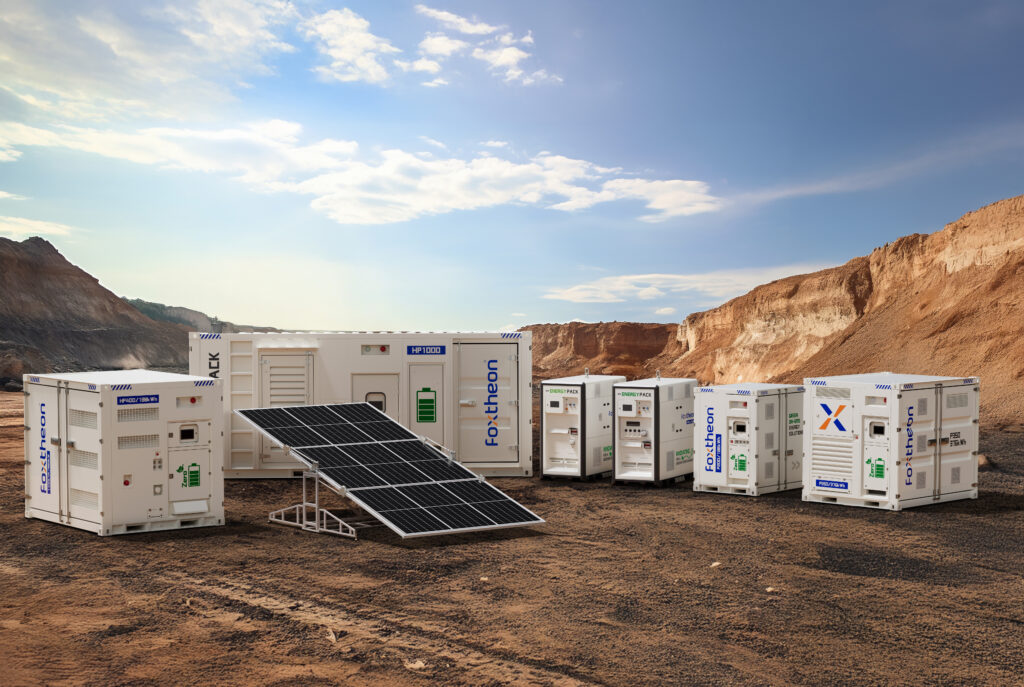
Foxtheon’s modular hybrid controller interfaces with any brand of genset, converting it into an automated hybrid power station. This preserves the client’s prior capital investment while delivering immediate fuel savings. Foxtheon provides open-protocol solutions that respect existing equipment ecosystems.
6. Lifecycle Performance Metrics: What to Request in a Technical Proposal
Beyond initial purchase price, focus on measurable operational parameters. Ask suppliers for:
- Simulated load profile results – using your typical daily load curve (1-minute resolution) to project annual engine hours saved.
- Battery warranty conditions – throughput-based (MWh) rather than calendar-only, with provisions for accelerated degradation.
- Firmware update policy – secure over-the-air (OTA) updates without onsite VPN complexity.
- Third-party certifications – IEC 62282 (for fuel cell hybrids if applicable), UL 1741 SA for grid-support functions, and IEEE 1547 for interconnection.
Reliable suppliers will provide white papers or test reports from accredited labs (e.g., TÜV, Intertek). Avoid vendors that only supply marketing brochures without engineering data.
7. Frequently Asked Questions on Hybrid Generators for Sale
Q1: Can a hybrid generator run entirely without diesel for short periods?
Q2: How does a hybrid generator behave with solar PV or wind input?
Q3: What is the typical response time from zero load to full load?
Q4: Are hybrid generators compatible with existing automatic transfer switches (ATS)?
Q5: How do maintenance intervals compare to standard diesel generators?
Ready to Specify a Hybrid Power Solution for Your Industrial Project?
Selecting the right hybrid generator for sale requires matching load dynamics, fuel availability, and environmental constraints. The engineering team at Foxtheon provides unbiased load assessments, simulation reports, and interoperability guarantees for existing fleet assets. Send your project’s 24‑hour load profile, site coordinates, and any existing generator specifications to receive a technical proposal with performance commitments.
Request your personalized consultation and detailed datasheet: Submit an inquiry – our B2B energy advisors will respond within two business days with system sizing, EMS design options, and a commercial quotation without pressure or obsolete replacement arguments.