
Generator Downsizing in Trenchless Construction: A Hybrid BESS Case from Belgium
Foxtheon Hybrid BESS supports a 75kW soft-start Roofrobot crawler with a compact 35kVA Stage V generator setup, creating a more flexible off-grid power architecture for trenchless underground infrastructure applications.
Executive Summary
In modern European infrastructure projects, trenchless and underground construction sites often face a difficult power challenge: equipment loads are highly dynamic, operating locations can be remote or space-constrained, and diesel generator emissions are increasingly scrutinized under non-road mobile machinery regulations.
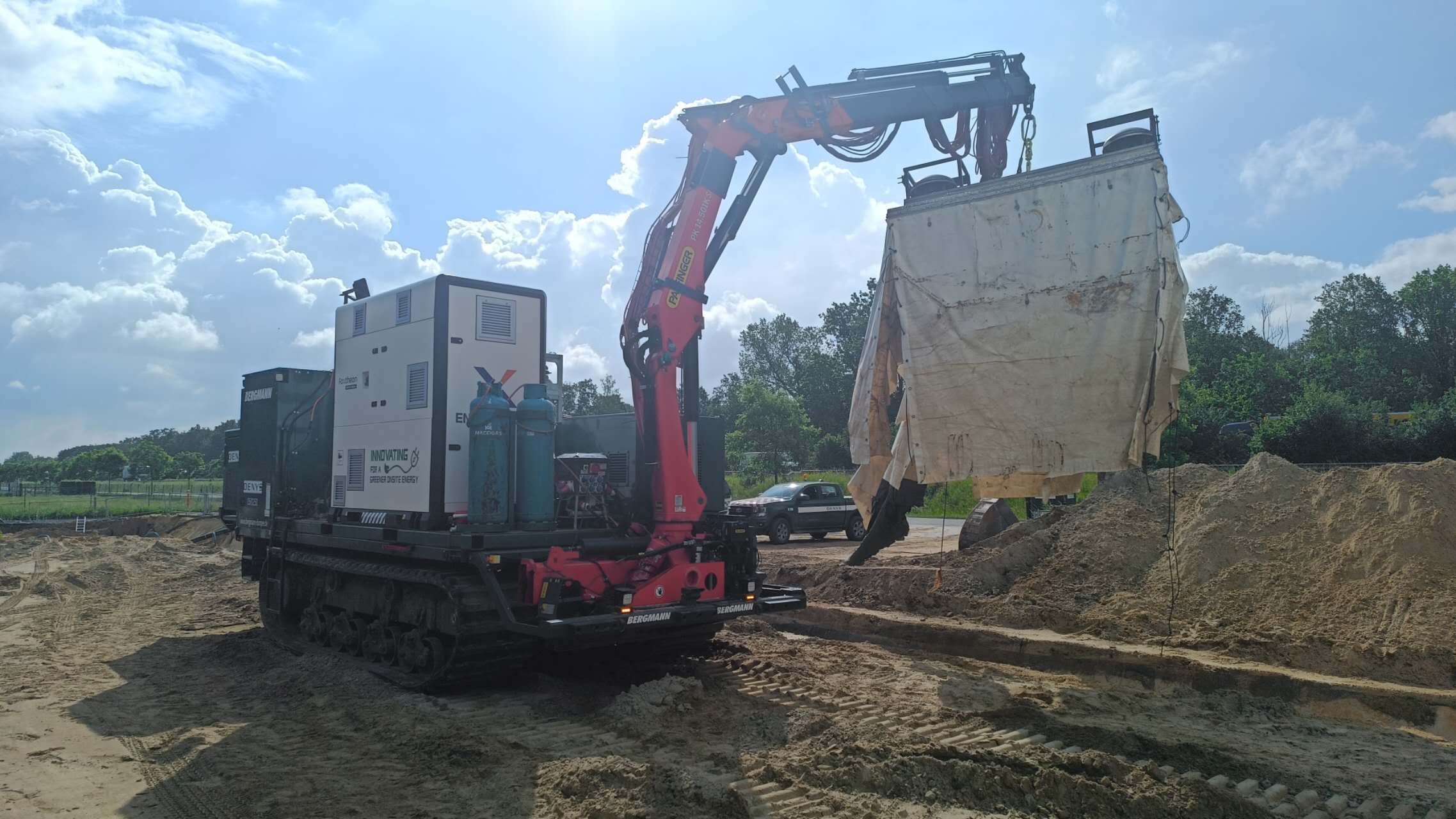
For a trenchless construction application in Belgium, Foxtheon EnergyPack was deployed as part of a hybrid off-grid power system to support Denys’ Roofrobot equipment platform. The system paired a compact 35kVA Stage V diesel generator with Foxtheon Hybrid BESS, creating a more flexible power architecture for a 75kW soft-start crawler load.
Instead of sizing the generator only for peak demand, the hybrid system used battery energy storage as a dynamic power buffer. This enabled a smaller generator to support a demanding load profile while improving power stability and reducing inefficient low-load generator operation.
Editorial note: This case is based on a real field application. Long-term operating data is still being collected, so this article focuses on system architecture, engineering logic, and application value rather than final quantified performance results.
The Challenge: High Peak Demand, Long Low-Load Periods
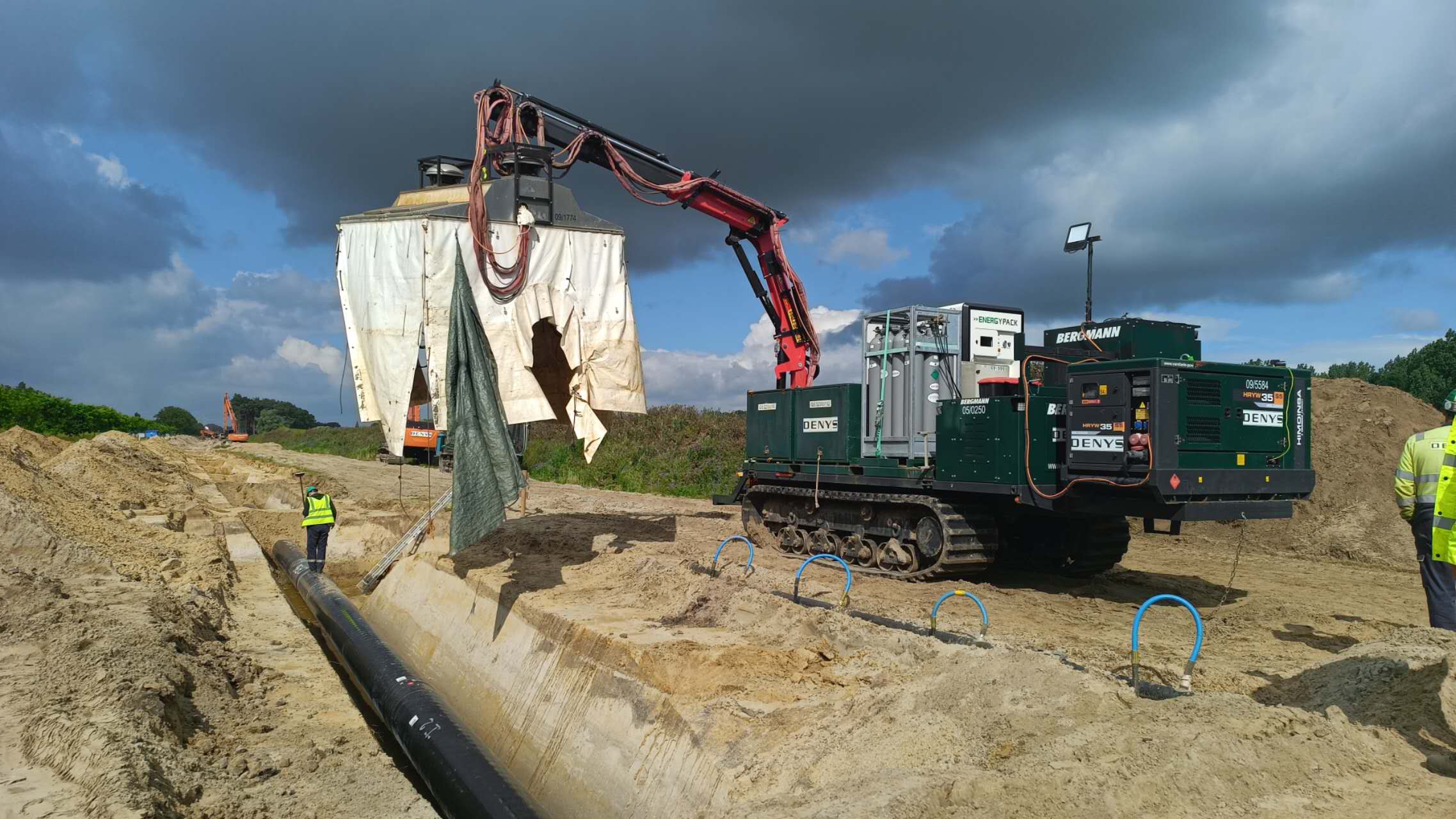
The Denys Roofrobot is a specialized underground construction platform designed for complex pipe-roofing and low-headroom tunneling applications. From a power perspective, this type of machine creates a difficult operating profile.
The crawler is driven by a 75kW motor system equipped with soft-start control. Soft-start helps reduce the initial inrush current, but the overall working cycle still includes rapid load changes, high-load boring phases, and long periods of standby or alignment.
| Operating Condition | Typical Load Behaviour | Power Challenge |
|---|---|---|
| System cold start | High transient demand | Short-duration peak support required |
| Standby / alignment / measurement | Low and steady load | Risk of inefficient generator operation |
| Flat-terrain relocation | Moderate load fluctuation | Smooth power response required |
| Normal boring in soft soil | Cyclic load demand | Stable output required |
| Hard soil or pebble strata | Frequent high-load demand | Generator-only systems may become oversized |
| Mechanical overload or jam | Sharp short-duration peak | Fast power support required |
In a traditional off-grid setup, the generator is often sized around the worst-case peak load. For a 75kW crawler load, this could require a generator rated at 100kVA or above to avoid voltage dips or system trips during demanding operating moments.
However, that approach creates a common efficiency problem. Underground construction involves many non-boring periods, including alignment, checking, preparation, welding, and repositioning. During these phases, an oversized generator may spend a large share of operating time at low load.
This mismatch between peak power demand and average operating load is exactly where hybrid BESS can change the system design logic.
The Solution: Hybrid BESS + Compact Stage V Generator
Foxtheon’s approach was to separate baseline power generation from short-duration peak demand.
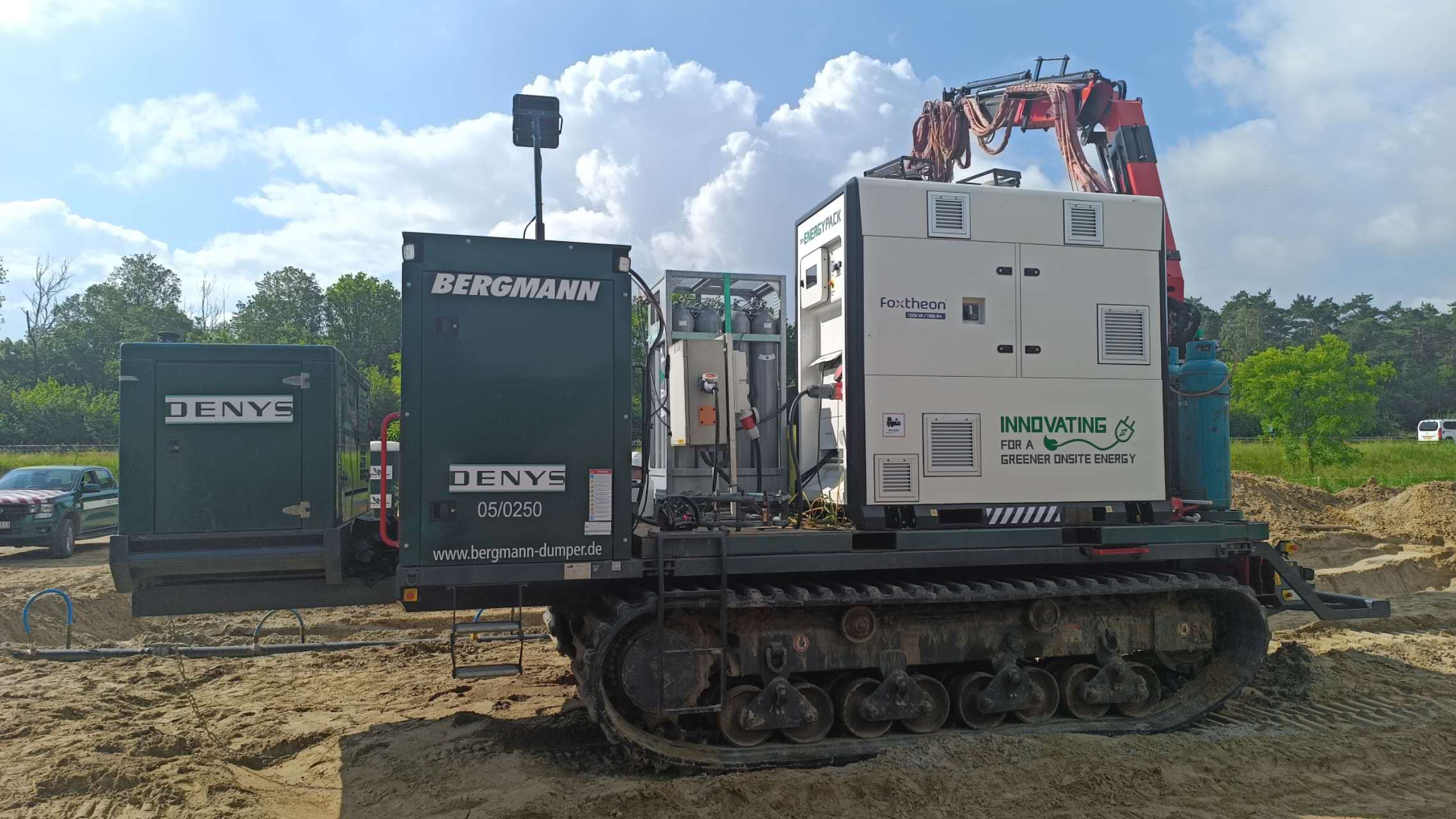
Instead of using a large generator to cover every possible peak, the system used a compact 35kVA Stage V generator together with Foxtheon Hybrid BESS. The generator provides baseline energy, while the BESS acts as a fast-response power buffer for transient peaks and load fluctuations.
This hybrid architecture allows the system to support a larger and more dynamic load than the generator could manage alone.
Peak Shaving for Dynamic Loads
When the Roofrobot encounters harder soil conditions or short-duration overload events, the BESS provides additional power support. This helps reduce the impact of sudden load spikes on the generator and supports stable operation.
Generator Downsizing
By allowing the battery system to handle transient demand, the generator no longer needs to be sized only around peak load. In this application, the conventional 100kVA+ generator concept was replaced by a 35kVA Stage V generator working together with hybrid battery storage.
More Efficient Generator Operation
The generator can operate closer to a more efficient load range instead of spending long periods underloaded. When site demand is lower than generator output, surplus energy can be used to recharge the BESS.
Battery-Only Support During Standby
During alignment, measurement, welding, or low-power standby phases, the generator can be shut down while the BESS supports auxiliary loads. This helps reduce noise, local emissions, and unnecessary engine runtime during non-boring periods.
Application Value
Because long-term operating data is still being collected, this case should be read as an application case rather than a fully quantified performance report. Even so, the deployment demonstrates several clear engineering values.
Generator Capacity Reduction
The hybrid architecture enabled the use of a compact 35kVA Stage V generator instead of a conventional oversized generator concept. This is especially valuable for crawler-mounted applications, where available space, payload, and machine balance are critical.
Better Fit for Trenchless Construction Load Profiles
Trenchless construction equipment rarely operates at a constant load. The hybrid system is better suited to this working pattern because it can support high short-duration peaks while avoiding long low-load generator operation.
Reduced Risk of Low-Load Generator Issues
By reducing extended low-load running, the system helps lower the risk of wet stacking and related maintenance issues. This is particularly relevant for off-grid construction sites where generators may otherwise spend long periods idling or lightly loaded.
Improved Mobility and Integration
Replacing a large generator with a smaller generator plus integrated BESS helps reduce system footprint. For a tracked crawler application, this supports better packaging, easier movement along the construction route, and improved suitability for constrained underground or urban work environments.
Cleaner Temporary Power Architecture
The system works with a Stage V compliant generator setup and enables battery-supported operation during suitable low-load phases. This creates a more modern temporary power architecture for European infrastructure applications where emissions, noise, and site constraints are becoming more important.
Why This Matters for Underground Infrastructure Projects
Many infrastructure contractors face the same power dilemma: heavy machinery needs high peak power, but the actual duty cycle includes long periods of low or moderate load.
Sizing diesel generators only for peak power can solve one problem while creating another. It may prevent tripping during peak demand, but it also increases fuel waste, low-load operation, footprint, and maintenance pressure.
The generator should not be sized only for the highest short-duration peak.
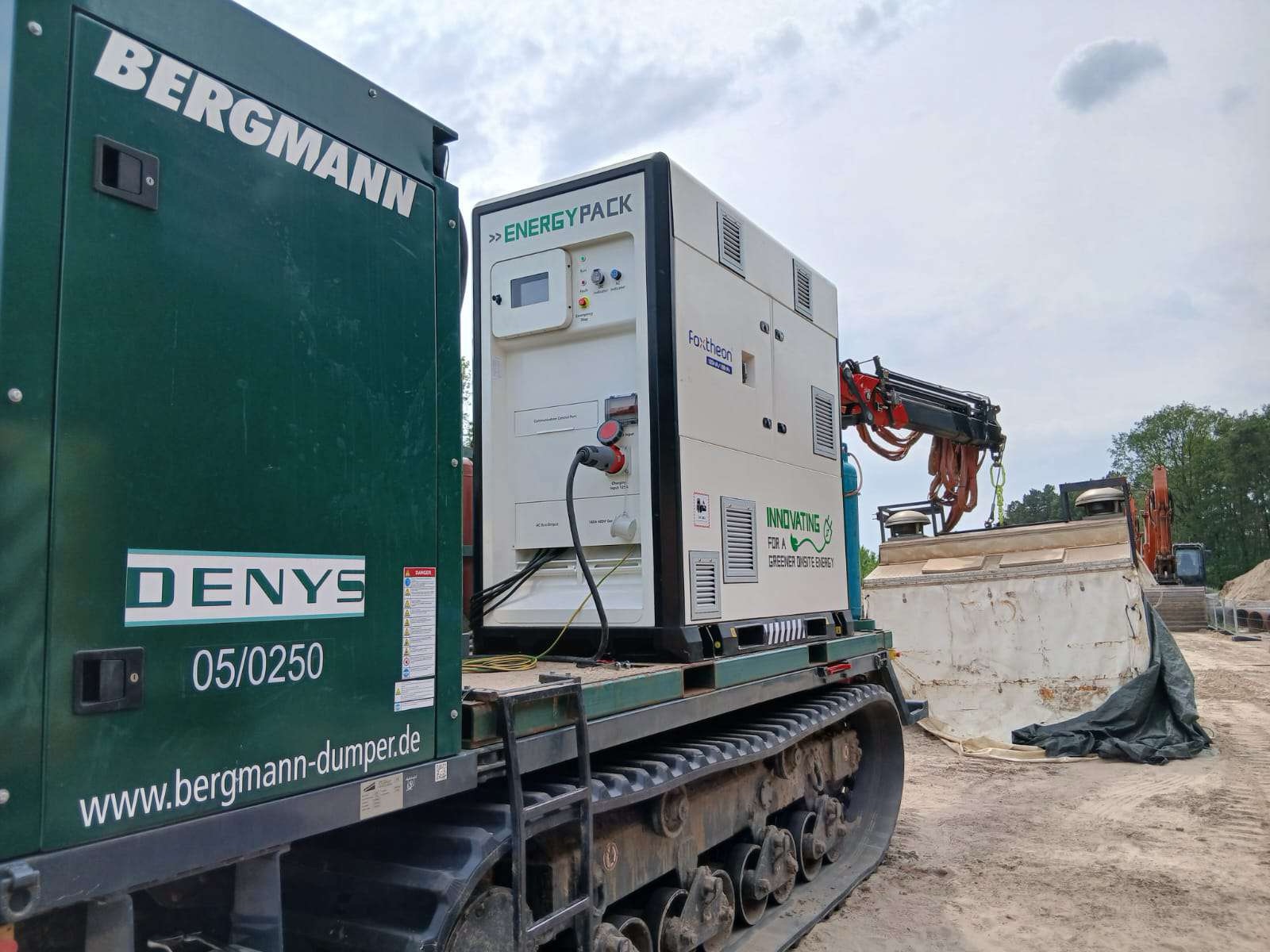
Hybrid BESS changes the sizing logic by letting the generator supply baseline energy while the battery system supports peaks and fluctuations.Instead of asking the generator to handle every load condition, the system allows the generator and battery to work together. The generator supplies efficient baseline energy. The BESS supports peaks and load fluctuations. The control system coordinates power flow in real time.
For trenchless construction, tunneling, pipe roofing, and other mobile infrastructure applications, this creates a more flexible path toward cleaner and more efficient off-grid power.
Conclusion
This Belgium application shows how hybrid battery energy storage can help solve one of the most common problems in off-grid construction power: the mismatch between peak power demand and average operating load.
By pairing Foxtheon Hybrid BESS with a compact 35kVA Stage V generator, the system supported a 75kW soft-start Roofrobot crawler load while reducing the need for conventional generator oversizing.
For contractors, equipment operators, and rental companies, this type of hybrid setup offers a practical way to improve temporary power flexibility, reduce inefficient generator operation, and support demanding underground construction applications with a more compact power architecture.
FAQ: Hybrid BESS for Trenchless Construction Power
Why use Hybrid BESS in trenchless construction?
Hybrid BESS helps manage the highly variable load demand of trenchless construction equipment. It can support short-duration peak loads, reduce generator oversizing, and improve power stability in off-grid environments.
Can a 35kVA generator support a 75kW construction load?
Not by itself. In this type of hybrid setup, the 35kVA generator works together with battery energy storage. The generator provides baseline energy, while the BESS supports peak loads and dynamic demand.
What is generator downsizing?
Generator downsizing means reducing the rated capacity of the diesel generator by using battery energy storage to handle peak loads and load fluctuations. This can help reduce fuel waste, footprint, noise, and low-load operation.
How does Hybrid BESS help reduce wet stacking?
Wet stacking is more likely when diesel generators run at low load for extended periods. Hybrid BESS can reduce low-load generator runtime by allowing the generator to operate in a better load range or shut down during suitable standby periods.
Is this solution suitable for rental companies?
Yes. Hybrid BESS can help rental companies offer a more flexible temporary power solution for construction, tunneling, infrastructure, and other dynamic-load applications.
Looking to reduce generator oversizing on your construction site?
Foxtheon EnergyPack helps contractors and rental companies build smarter hybrid power systems for dynamic off-grid loads, temporary power applications, and infrastructure projects.
Discuss Your Project