
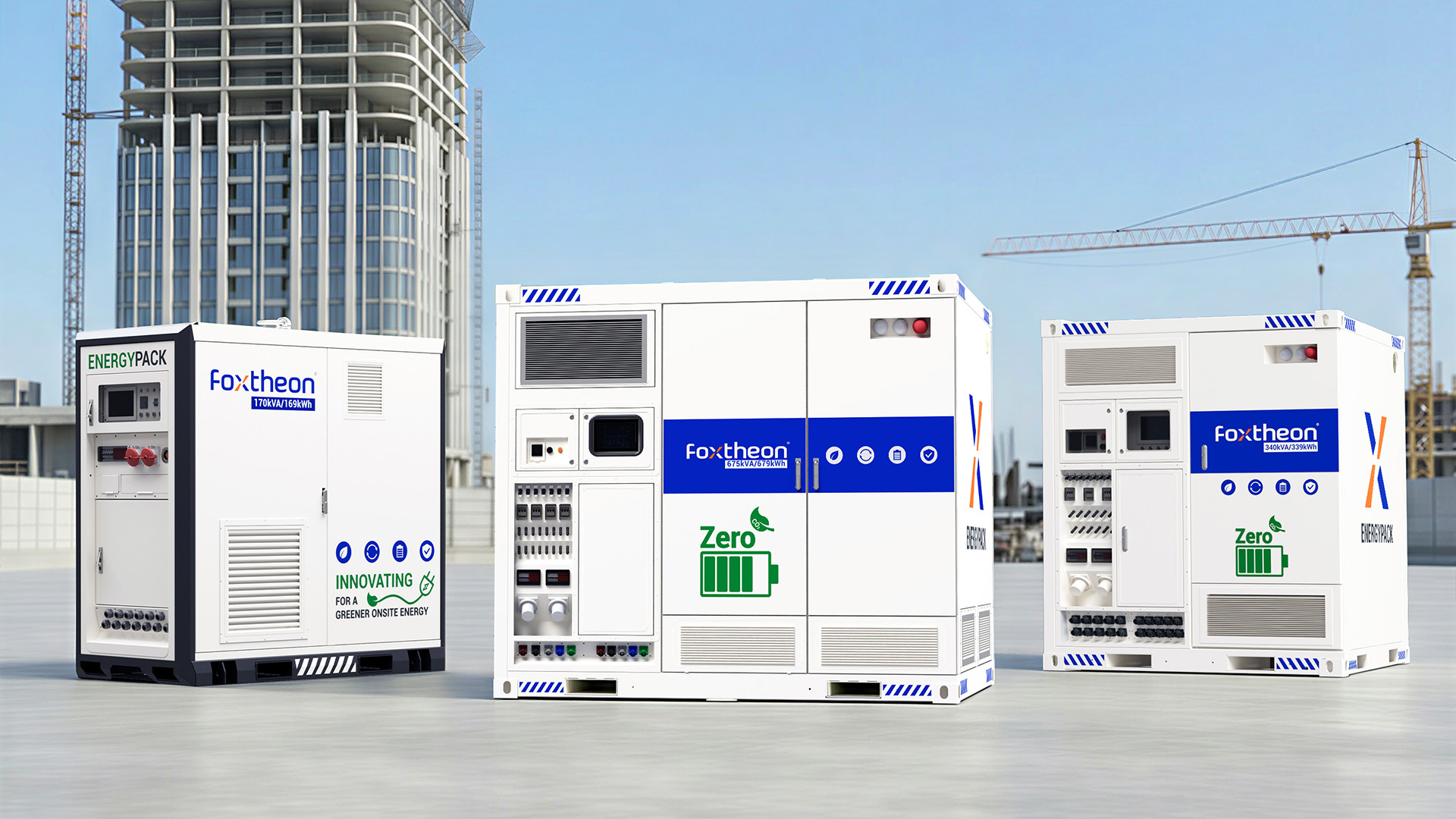
For industrial operations located beyond the reach of the centralized utility grid, maintaining continuous, reliable power is a primary operational objective. Remote telecommunications towers, mining sites, agricultural facilities, and off-grid microgrids require robust power architectures that perform consistently under variable environmental conditions. In these setups, selecting the appropriate off grid battery system is a fundamental engineering decision that directly influences system reliability, operational uptime, and overall power quality.
Rather than treating the energy storage unit as an isolated component, modern system design views it as the core stabilizer within a multi-source energy framework. This article analyzes the technical parameters, system integration strategies, and operational protocols required to deploy high-capacity battery storage systems in professional off-grid environments.
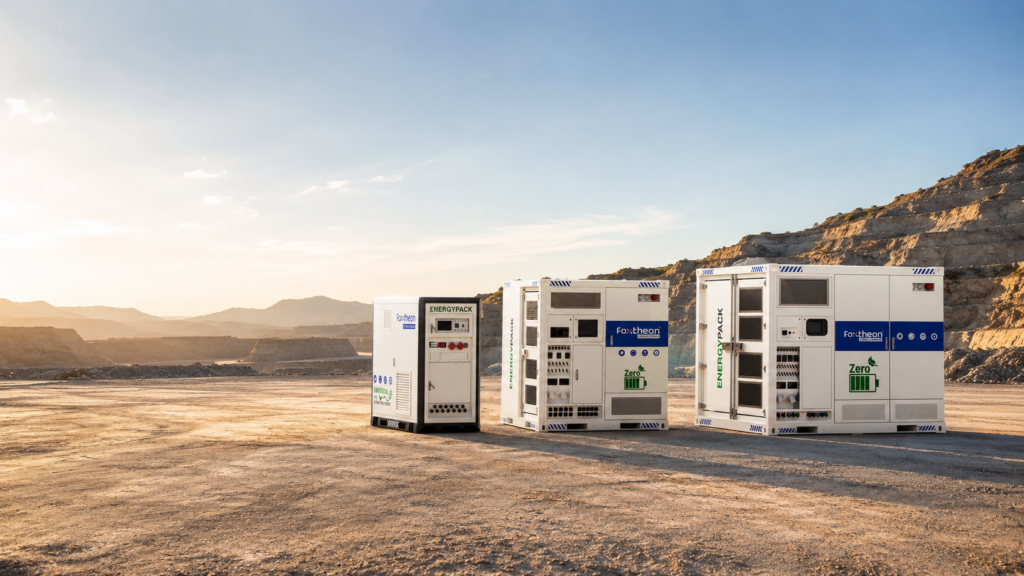
1. Technical Evaluation Parameters for Industrial Off Grid Batteries
The performance profile of an industrial-grade off grid battery depends on several interrelated electrochemical and physical characteristics. Understanding these metrics allows project engineers to select a chemistry and configuration tailored to their specific load requirements.
Battery Chemistry Options: LiFePO4 vs. Traditional Alternatives
Modern industrial applications have shifted heavily toward Lithium Iron Phosphate (LiFePO4) chemistry, though traditional lead-acid systems remain relevant in specific standby applications. The choice between these technologies involves analyzing cycle life, energy density, and thermal stability:
- Lithium Iron Phosphate (LiFePO4): This chemistry offers high thermal stability, a minimal risk of thermal runaway, and a long operational lifespan. LiFePO4 cells typically deliver between 4,000 to 6,000 cycles at an 80% depth of discharge, making them suitable for daily cycling applications.
- Lead-Acid (Flooded/VRLA/Gel): While offering a lower upfront capital barrier, lead-acid systems are constrained by limited cycle life (typically 500 to 1,500 cycles at 50% depth of discharge) and require strict temperature controls to prevent accelerated degradation.
Understanding Depth of Discharge (DoD) and Cycle Life
The usable capacity of an energy storage system is governed by its recommended Depth of Discharge. Discharging a battery past its rated limits accelerates capacity fade. LiFePO4 systems routinely support a DoD of 80% to 90% without significant structural degradation of the electrodes. In contrast, maximizing the lifespan of a lead-acid system requires limiting the DoD to 50% or less, which necessitates purchasing a significantly larger nominal capacity to meet the same usable energy requirements.
Thermal Management and Safety Protocols
Temperature fluctuations significantly impact the internal resistance and chemical reaction rates of a battery. High temperatures accelerate aging and capacity loss, while low temperatures reduce temporary usable capacity and can hinder charge acceptance. Industrial storage systems must utilize advanced Battery Management Systems (BMS) integrated with liquid cooling or active forced-air ventilation. The BMS acts as the primary safety layer, continuously monitoring parameters such as cell voltage, pack current, and localized temperatures to prevent overcharging, over-discharging, and short circuits.
2. Integrating an Off Grid Battery with Existing Generator Fleets
In many commercial and industrial (C&I) installations, off-grid power is historically provided by diesel or gas generators. Integrating a modern off grid battery alongside these existing assets is not about replacing them, but rather optimizing their operational efficiency.
Generators operate most efficiently when running at a high loading factor (typically 60% to 80% of their rated capacity). When a generator is subjected to low loads or highly variable load spikes, it experiences “wet stacking” (incomplete fuel combustion) and increased mechanical wear, which raises maintenance frequency. A hybrid battery-generator configuration mitigates these issues through specific operational strategies:
- Load Leveling: The battery absorbs short-term peak loads, allowing the generator to run at a steady, optimized output level.
- Low-Load Offloading: During periods of low energy demand (e.g., nighttime at an industrial site), the generator can be turned off entirely, with the battery silently supporting the baseline load.
- Solar Photovoltaic (PV) Integration: The battery stores excess renewable energy generated during peak sunlight hours, reserving it for discharge during high-demand or non-solar periods, minimizing the need to start the generator.
This cooperative approach ensures that existing capital assets are utilized efficiently, extending the service life of the generator while reducing overall fuel consumption and wear.
3. High-Demand Application Scenarios
Industrial storage systems must be engineered to withstand the unique environmental and electrical challenges of their specific deployment sectors.
Remote Telecommunications and Infrastructure
Telecom repeater stations are often located in mountainous or arid regions with limited road access. These installations require continuous power to maintain communications links. Here, the battery system must operate reliably in unconditioned enclosures, tolerating wide ambient temperature variations. The high cycle life of LiFePO4 cells minimizes the need for site visits, making it a highly reliable choice for remote infrastructure.
Agricultural and Irrigation Facilities
Modern agricultural operations rely on automated irrigation systems, water pumps, and environmental monitoring sensors. These loads are often highly seasonal and inductive. A robust battery storage system provides the necessary surge current required to start electric motors without causing voltage sags that could disrupt sensitive control electronics.
Mining and Remote Industrial Operations
Exploration camps and remote mining sites utilize heavy equipment that creates highly dynamic load profiles. Grid-scale battery systems provide fast response times (millisecond-scale) to stabilize voltage and frequency variations, protecting local microgrids from instability caused by sudden load shifts.
4. System Sizing and Integration Protocols
A poorly sized energy storage system can lead to premature system failure or unnecessary capital expenditure. Specifying an off grid battery involves a detailed analysis of load profiles, environmental conditions, and desired autonomy periods.
The system design process generally follows these engineering steps:
- Load Profile Mapping: Documenting the power consumption (in kW) and daily energy consumption (in kWh) of all connected loads, noting both continuous run-rates and peak starting currents.
- Autonomy Definition: Determining the number of days or hours the system must sustain the load without any input from renewable sources or generators.
- Temperature Derating: Adjusting the usable capacity of the battery based on local minimum and maximum temperature extremes, as cold environments reduce accessible energy and hot environments accelerate capacity degradation.
- Inverter/Charger Compatibility: Ensuring that the communication protocols (e.g., CAN bus or Modbus) between the BMS and the hybrid inverters are fully aligned for precise control over charging currents and voltages.
Engineers and system integrators often partner with specialized equipment manufacturers to streamline this process. Manufacturers like Foxtheon assist engineering teams by providing detailed battery performance data, thermal modeling, and compatible inverter integration protocols to ensure the final system performs reliably in the field.
5. Maximizing Longevity of your Off Grid Battery Investment
Once deployed, maintaining the health of an off grid battery is critical to securing its projected operational lifespan. Proper operation requires a combination of smart hardware controls and preventive maintenance practices.
Key strategies for preserving battery health include:
- State of Charge (SoC) Management: Avoiding prolonged states of complete discharge. Keeping the battery within a comfortable SoC window (e.g., 20% to 90% for lithium systems) minimizes mechanical stress on the electrodes.
- Cell Balancing: Utilizing an active or passive balancing BMS to ensure that individual cell voltages remain uniform, preventing localized overcharging of single cells within a pack.
- Environmental Controls: Maintaining battery enclosures within recommended temperature ranges (ideally 15°C to 25°C) using passive cooling designs, insulation, or active HVAC units where environmental extremes dictate.
Advanced systems engineered by Foxtheon incorporate cloud-based remote monitoring platforms. These platforms allow operators to track cell-level parameters, identify anomalous thermal behavior, and receive preventive maintenance alerts before a performance deviation leads to system downtime.
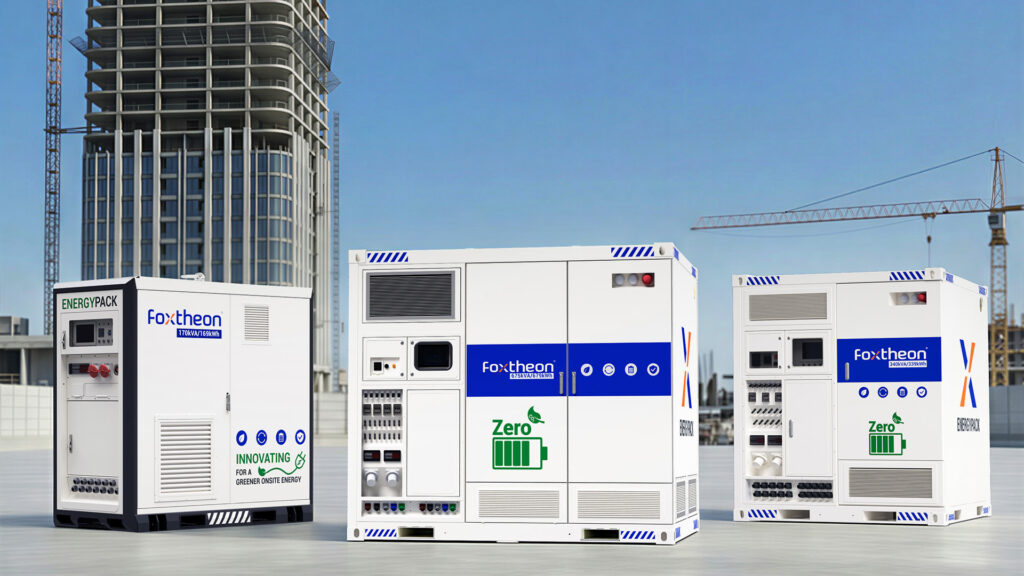
6. Developing a Resilient Energy Architecture with Foxtheon
Establishing a dependable off-grid power station requires high-quality energy storage components integrated with smart control software. Partnering with Foxtheon allows operators to access advanced battery technologies engineered specifically for the demanding requirements of commercial, industrial, and microgrid installations.
By prioritizing robust thermal management, highly communicative BMS interfaces, and durable physical enclosures, these systems are built to interface seamlessly with solar PV arrays and existing generator fleets. This balanced integration protects auxiliary power investments, optimizes fuel consumption patterns, and ensures your remote operations remain fully powered in any climate.
Frequently Asked Questions (FAQ)
Q1: What are the main advantages of LiFePO4 over Lead-Acid for industrial off-grid use?
A1: LiFePO4 offers a significantly higher cycle life (typically 4,000+ cycles compared to 1,000 for lead-acid), supports a much deeper depth of discharge (up to 90% vs. 50%), and maintains better voltage stability throughout the discharge cycle. Additionally, LiFePO4 is lighter, has a smaller physical footprint, and does not require periodic water replenishment or equalize charging.
Q2: How do I choose the right size off grid battery system for my commercial facility?
A2: System sizing requires calculating your total daily energy consumption in kilowatt-hours (kWh) and identifying the maximum peak power demand in kilowatts (kW). You must also factor in the required days of autonomy (how long the system must run without solar or generator input) and apply environmental correction factors for temperature variations.
Q3: Can a battery storage system operate alongside my existing diesel generator?
A3: Yes. Integrating a battery system with a diesel generator creates a hybrid microgrid. The battery handles low-load conditions and sudden peak demands, allowing the generator to run only at its most efficient load levels or remain off during low-demand periods. This integration reduces fuel consumption and engine wear.
Q4: What is the role of a Battery Management System (BMS)?
A4: The BMS is the safety and operational control center of the battery system. It monitors individual cell voltages, pack temperature, and current flow. It performs cell balancing to ensure uniform performance and disconnects the battery pack if parameters exceed safe operational thresholds (such as over-voltage, under-voltage, or high temperatures).
Q5: How does ambient temperature affect off-grid battery performance?
A5: High ambient temperatures accelerate chemical degradation and shorten the battery’s overall lifespan. Conversely, extremely cold temperatures increase internal resistance, temporarily reducing the available capacity and limiting the charge acceptance rate. Industrial battery systems require proper thermal insulation and active temperature management to mitigate these issues.
Contact Our Application Engineers
Designing a high-capacity, reliable off-grid power system requires precise calculation and a deep understanding of electrical integration. If you are planning an energy storage deployment or looking to optimize an existing remote power setup, contact the engineering team at Foxtheon. We provide customized, technical support to help configure a system tailored to your specific industrial load requirements.