
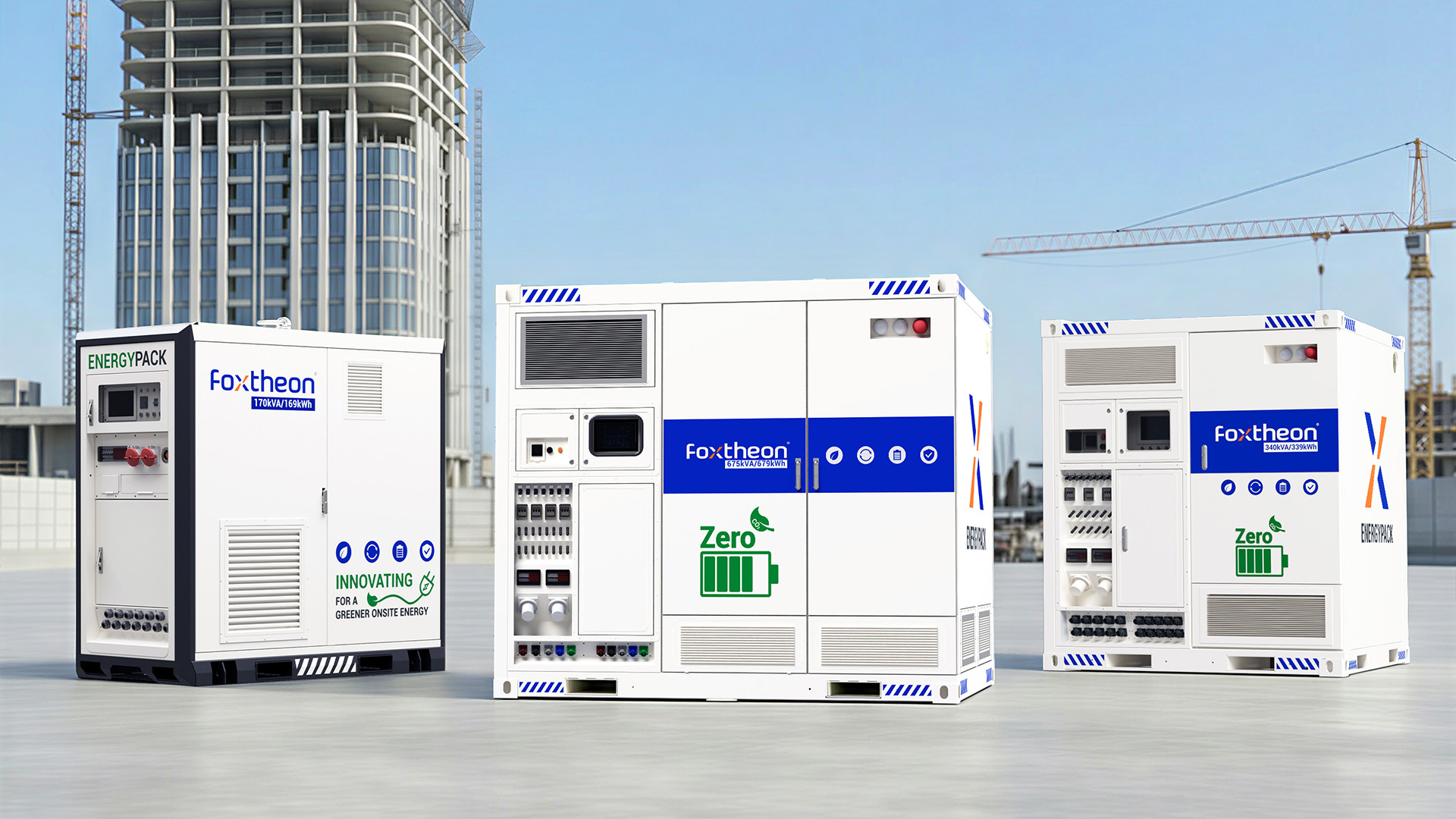
Industrial projects, infrastructure developments, and remote mining sites operate under strict operational timelines where a steady electrical supply is non-negotiable. When the primary utility grid is inaccessible, unstable, or undergoing maintenance, deploying an engineered Temporary Power Solution becomes the primary mechanism to sustain operations. However, modern power requirements have progressed beyond simply positioning a diesel generator onsite. Today, engineering teams must evaluate complex load profiles, fuel logistics, transient responses, and the integration of hybrid storage technologies to establish a resilient microgrid.
Developing a dependable temporary electrical infrastructure requires a thorough understanding of system integration. This analysis examines the technical specifications, load dynamics, and hybrid integration strategies necessary to configure a high-performing off-grid power network.
Understanding Load Dynamics: Resistive vs. Inductive Demands
Before selecting hardware, power engineers must map the site’s load profile. Industrial loads are rarely static, and miscalculating the relationship between continuous draw and transient surges can lead to system instability or equipment failure.
Resistive Loads
Resistive loads, such as heating elements and basic incandescent lighting, present a constant power factor (PF) near 1.0. These loads are mathematically straightforward to calculate because the current and voltage remain in phase. While they consume significant energy, they do not introduce severe harmonic distortion or high startup inrush currents into the system.
Inductive Loads
Inductive loads represent the bulk of industrial power consumption. Electric motors, compressors, pumps, and heavy HVAC systems rely on electromagnetic fields to function. These devices feature a lagging power factor (often between 0.7 and 0.85) and require substantial reactive power (kVAR). More importantly, inductive motors draw an inrush current during startup that can be six to eight times their running current. A properly engineered Temporary Power Solution must be sized to handle these transient surges without causing voltage dips or frequency deviations that could trip protective relays.
Capacitive Loads
Capacitive loads, though less common in isolation, are introduced by extensive cabling networks, variable speed drives, and UPS systems. These loads create a leading power factor, which can destabilize traditional generator alternators, leading to over-excitation and subsequent voltage spikes. Mitigating these variations requires precise reactive power compensation and active monitoring.
Complementary Integration with Existing Generator Assets
Many commercial power distributors and industrial operators possess substantial fleets of diesel generators. Rather than replacing these existing assets, modern engineering focus centers on hybrid optimization. Integrating battery energy storage systems (BESS) alongside diesel generators creates a highly optimized hybrid microgrid.
Traditional diesel generators operate most efficiently when loaded between 60% and 80% of their rated capacity. When subjected to prolonged low-load conditions (under 30%), generators suffer from “wet stacking”—a condition where unburned fuel accumulates in the exhaust system due to low operating temperatures. This leads to increased maintenance intervals, carbon buildup, and premature engine wear.
By integrating a containerized energy storage system, such as those engineered by Foxtheon, operators can run their generators at optimal fuel efficiency curves. During periods of low demand, the generator charges the battery storage system and then shuts down completely. The battery system silently supports the base load. When a high-power demand occurs, the battery handles the initial transient surge, allowing the generator to start up and ramp up under controlled, steady conditions. This collaborative configuration extends the service life of existing generator fleets, minimizes maintenance schedules, and optimizes fuel consumption patterns across the project lifecycle.
Evaluating the Components of a High-Capacity Temporary Power Solution
To design an effective temporary power network, several core components must be carefully specified and integrated into a unified control architecture.
- Power Conversion System (PCS): The PCS manages the bi-directional flow of energy between the battery cells, the generator bus, and the load. High-speed switching inverters within the PCS allow for sub-millisecond response times during grid disruptions or sudden load changes, maintaining frequency stability at 50Hz or 60Hz.
- Battery Management System (BMS): The BMS monitors cell-level parameters, including voltage, state of charge (SoC), state of health (SoH), and temperature. It prevents over-charging and over-discharging, ensuring the safety and longevity of the energy storage medium.
- Intelligent Energy Management System (EMS): The EMS acts as the system’s brain. It runs proprietary algorithms that predict load variations, schedule generator run times, manage peak shaving protocols, and dispatch stored energy based on real-time demands.
- Distribution Panels and Switchgear: Safe power distribution requires certified breakers, busbars, and protection relays that isolate faults without shutting down the entire localized grid.
Industry-Specific Implementations
Every industrial sector presents unique operational demands that shape the design of the localized power distribution system.
Construction and Civil Engineering
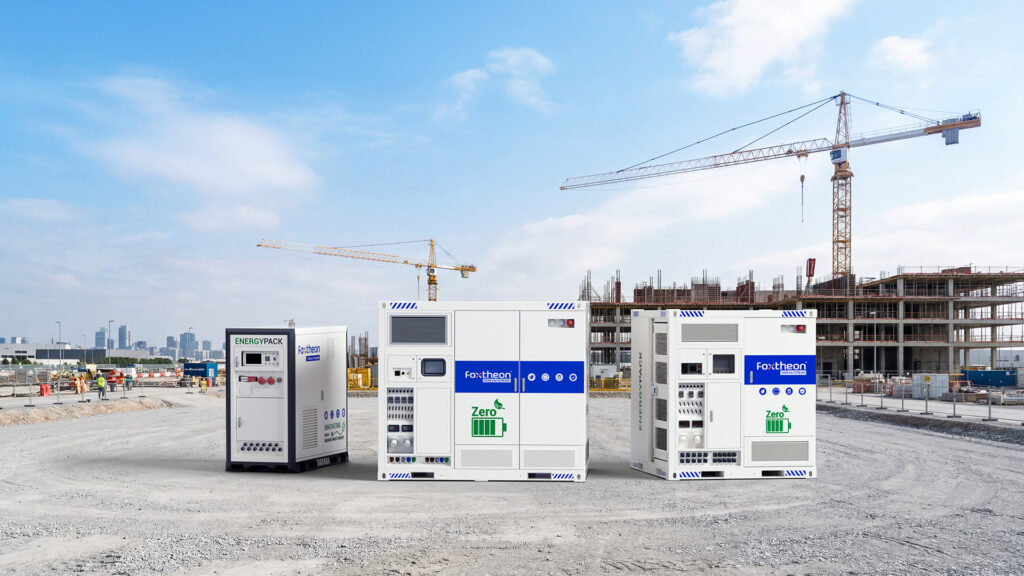
Tower cranes, concrete batching plants, and welding arrays generate highly dynamic, intermittent loads. A standard generator sized solely for peak crane lifting operations would run under-loaded for most of the day. Deploying a hybrid Temporary Power Solution allows the site to utilize a smaller primary generator paired with a battery system. The battery delivers the high current needed for heavy lifting operations, and charges during idle periods.
Telecommunications and Remote Infrastructure
Off-grid telecom towers and weather monitoring stations require continuous, low-wattage power. Relying on continuous generator operation in remote areas presents complex logistical challenges regarding refueling schedules. Implementing a hybrid solar-battery-diesel system ensures that the generator only operates for a few hours a day to recharge the batteries, greatly reducing refueling visits and minimizing localized noise levels.
Emergency Backup and Utility Support
During utility grid maintenance, natural disasters, or transformer failures, rapid-deployment power systems are required to support vital services. These applications demand rapid synchronization capabilities, high IP-rated enclosures for harsh outdoor conditions, and black-start capabilities to restore power to unenergized distribution lines.
Engineering Considerations for System Selection
Selecting the right equipment requires analyzing specific physical and electrical constraints. System designers should evaluate several parameters:
Battery Chemistry: LFP vs. Alternatives
Lithium Iron Phosphate (LiFePO4 or LFP) has become the industry standard for stationary and mobile industrial energy storage. LFP chemistry offers superior thermal stability, a high number of charge-discharge cycles, and a reduced risk of thermal runaway compared to nickel-manganese-cobalt (NMC) alternatives. For rugged deployments, LFP provides the necessary durability to withstand vibrations during transport and operation.
Thermal Management Systems
High-capacity battery systems generate heat during rapid charge and discharge cycles. Liquid-cooled enclosures offer more uniform temperature control across the battery cells than forced-air cooling. Consistent thermal management prevents localized hot spots, preserves battery cell health, and allows the system to operate reliably in ambient temperatures ranging from sub-zero to extreme desert conditions.
Physical Durability and Environmental Protection
Mobile power systems are exposed to dust, moisture, and mechanical impacts. Enclosures must feature high Ingress Protection (IP) ratings, such as IP54 or IP55, to ensure that electronic components remain dry and clean. Structural frames should be designed with heavy-duty lifting eyes, forklift pockets, and ruggedized chassis to facilitate safe transport across unpaved terrain.
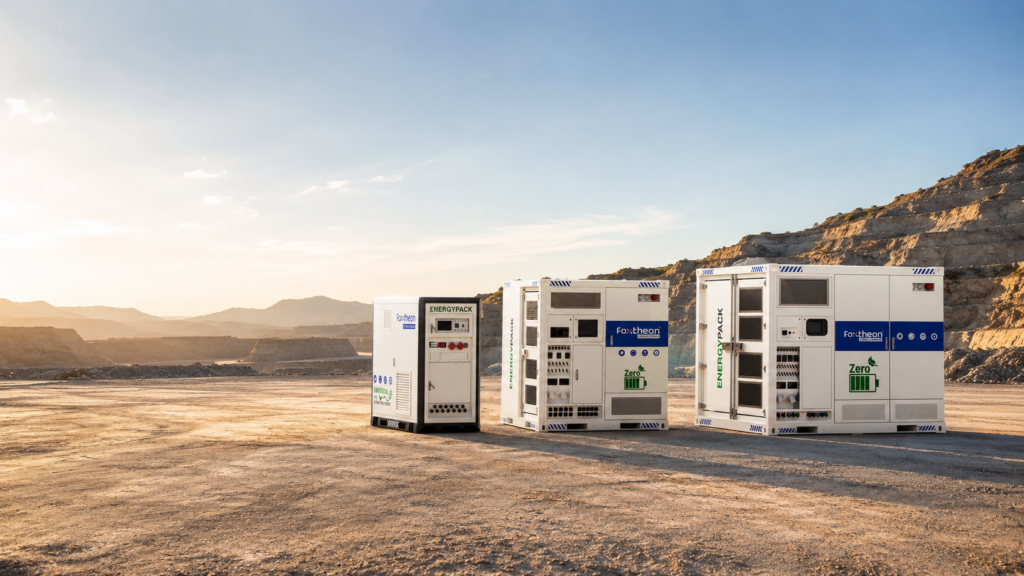
As a manufacturer focused on engineering high-durability power systems, Foxtheon designs and builds containerized energy storage units capable of operating under demanding environmental conditions. These units integrate advanced LFP battery cells, liquid cooling systems, and intelligent control architectures to deliver dependable performance in remote applications.
When selecting a Temporary Power Solution, engineers must look beyond the nameplate kW rating. A comprehensive evaluation of continuous load profiles, starting currents, power factor requirements, and thermal limitations is necessary to ensure the continuous operation of critical industrial processes.
Engineering Consultation and Customized System Configuration
Every commercial and industrial site has unique electrical challenges that cannot be resolved with a one-size-fits-all approach. Determining the precise balance between generator output, inverter capacity, and battery storage volume requires professional electrical modeling and system design.
To learn more about how Foxtheon can assist in optimizing your temporary power configurations, or to obtain detailed technical specifications for hybrid microgrid setups, please contact our engineering team directly. We are ready to provide technical support, capacity sizing analyses, and tailored equipment specifications to match your exact project parameters.
Frequently Asked Questions
Q1: What is the primary difference between a hybrid temporary power system and a traditional diesel-only system?
A1: A traditional system relies entirely on a diesel generator running continuously, often at inefficient low-load levels. A hybrid system integrates a diesel generator with a battery energy storage system (BESS) and intelligent controls. This setup allows the generator to run only during optimal fuel-efficiency windows, utilizing the batteries to support low loads and absorb high transient start-up surges.
Q2: How does a hybrid system handle high-inrush currents from industrial motors?
A2: Industrial motors draw a high surge current upon startup. In a hybrid system, the Power Conversion System (PCS) of the battery storage unit can discharge stored energy within milliseconds to provide the required reactive power (kVAR) and starting current. This prevents voltage dips and frequency drops without requiring an oversized diesel generator.
Q3: Why is Lithium Iron Phosphate (LiFePO4) preferred over other battery chemistries for industrial temporary power?
A3: LiFePO4 (LFP) is preferred due to its high thermal stability, long cycle life (often exceeding 4,000 to 6,000 cycles at 80% Depth of Discharge), and high level of safety. It is highly resistant to thermal runaway and operates reliably under the physical vibrations and temperature swings common to industrial and construction environments.
Q4: Can a temporary power setup integrate renewable energy sources like solar PV?
A4: Yes. Modern hybrid energy storage systems feature integrated solar charge controllers or can easily connect to local photovoltaic (PV) arrays. The Energy Management System (EMS) coordinates the power flow from solar panels, batteries, and diesel generators to maximize renewable utilization and minimize generator runtime.
Q5: What environmental protection ratings should be expected for outdoor temporary power equipment?
A5: Equipment deployed in outdoor industrial environments should carry a minimum rating of IP54 or IP55. This ensures that the sensitive internal electronics, batteries, and control systems are protected against dust ingress, splashing water, and extreme weather conditions.