
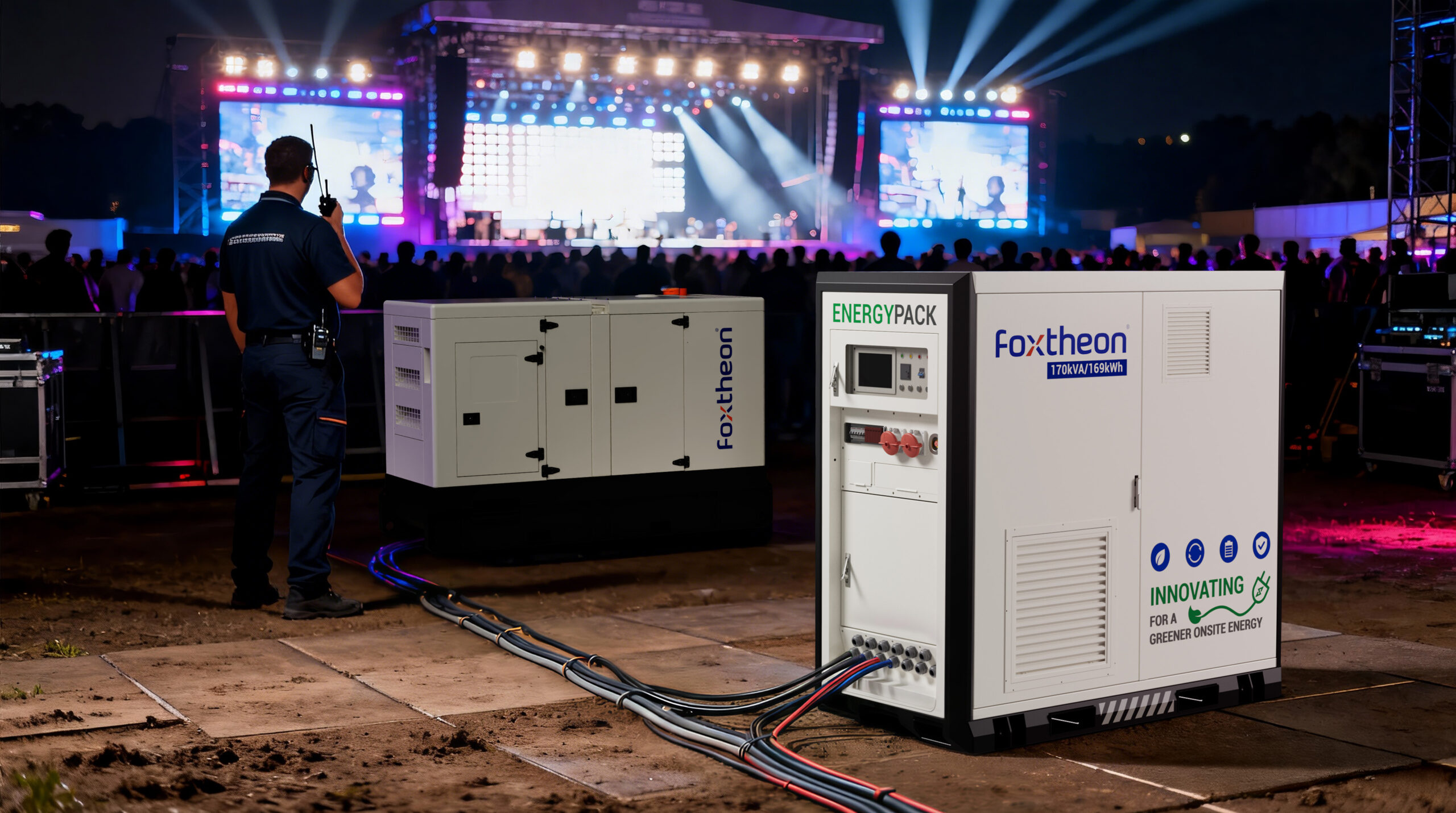
Remote industrial operations often face power reliability challenges. Traditional off-grid setups relying solely on internal combustion engines encounter operational inefficiencies under variable load profiles. The integration of photovoltaic technology with battery energy storage and legacy generation systems has emerged as a viable method to stabilize power delivery. Utilizing a Solar Hybrid Generator allows operators to harness renewable energy while maintaining the dependable backup of conventional systems. Manufacturers like Foxtheon design these systems to coordinate multiple power sources, optimizing overall system thermal efficiency and minimizing unnecessary engine wear.
Deploying these systems requires a detailed understanding of electrical engineering principles, chemistry options, and control topologies. Rather than viewed as a simple combination of separate devices, a modern hybrid system operates as an integrated microgrid. Each component must be precisely sized and configured to match the specific load profile of the deployment site, balancing peak demands with continuous operational requirements.
Technical Architecture and Core Components
The operational success of a hybrid power system depends heavily on the compatibility of its primary sub-assemblies. A robust system must seamlessly manage the variable output of a photovoltaic array, the chemical storage characteristics of a battery bank, and the dynamic output of a backup combustion generator.
Photovoltaic Module Materials and Efficiency
The choice of photovoltaic (PV) materials directly dictates the spatial footprint and performance stability of the entire system. Monocrystalline silicon remains the industry standard for industrial-grade installations due to its superior efficiency ranges (typically between 20% and 22.5%). Within this category, Tunnel Oxide Passivated Contact (TOPCon) and Heterojunction Technology (HJT) are increasingly preferred over standard Passivated Emitter and Rear Cell (PERC) designs.
- TOPCon Modules: These modules feature lower temperature coefficients (typically -0.30%/°C), allowing them to maintain higher voltage levels and power outputs in high-ambient-temperature regions. This thermal stability is a key factor for remote installations in arid climates.
- Bifacial Performance: Implementing bifacial modules allows the system to capture albedo light reflected from the ground. In environments with sandy, gravelly, or snowy surfaces, bifaciality can increase energy yield by 5% to 25%, depending on the mounting height and ground reflectivity index.
- Mechanical Durability: Industrial PV panels must be rated to withstand wind loads up to 2400 Pa and snow loads up to 5400 Pa, with IP68 junction boxes to prevent moisture ingress and dust accumulation.
Energy Storage Chemistry and Safety
Battery energy storage systems (BESS) act as the buffer within a hybrid system, absorbing excess solar energy during peak production hours and discharging it during low-solar or high-load periods. The two dominant chemistries in this field are Lithium Iron Phosphate (LiFePO4 or LFP) and Lithium Nickel Manganese Cobalt Oxide (NMC).
For industrial applications, LFP is generally preferred due to its superior thermal stability and extended cycle life. Standard LFP cells can operate for 4,000 to 6,000 cycles at an 80% Depth of Discharge (DoD) before their capacity degrades to 80% of its original rating. Additionally, LFP chemistry exhibits a higher thermal runaway threshold (approximately 270°C) compared to NMC (approximately 210°C), reducing the risk of catastrophic failure in harsh operating environments.
Inverter Topology and Power Conversion
The inverter acts as the central hub of power routing. Modern systems utilize bi-directional hybrid inverters that integrate Maximum Power Point Tracking (MPPT) charge controllers and AC-to-DC rectifiers within a single enclosure. Key engineering specifications include:
- Galvanic Isolation: High-frequency or low-frequency transformer-based topologies. Low-frequency inverters utilize heavy copper transformers, providing high surge capacity to start inductive loads (such as pumps and compressors) without triggering overcurrent protection.
- Switchover Time: For continuous telecom or data processing applications, the transition time between grid/solar power and battery discharge must be virtually instantaneous (typically under 10 milliseconds) to prevent hardware resets.
- Total Harmonic Distortion (THD): Pure sine wave inverters are mandatory, maintaining a THD of less than 3% to prevent electromagnetic interference and overheating in sensitive control electronics.
System Synchronization and Load Management
Integrating a Solar Hybrid Generator into an existing local grid or alongside a legacy diesel generator requires sophisticated synchronization mechanisms. The primary technical hurdle is ensuring that voltage, phase angle, and frequency match precisely before coupling the AC sources.
Microgrid Controller and Energy Management Systems (EMS)
The Energy Management System (EMS) acts as the operational brain, continuously monitoring the state of charge (SoC) of the battery bank, the real-time PV generation, and the connected load demand. The EMS coordinates the starting and stopping cycles of the auxiliary diesel engine using hardwired dry contacts or digital communication protocols such as Modbus TCP/IP or CAN bus.
By executing real-time control algorithms, the EMS ensures that the battery bank is not deeply discharged beyond its recommended limits, while simultaneously preventing the auxiliary generator from running under low-load conditions that lead to engine damage.
Load Leveling and Peak Shaving
Internal combustion engines run most efficiently when loaded to approximately 70% to 80% of their rated capacity. Running a diesel generator at low loads (under 30%) causes “wet stacking”—a condition where unburnt fuel accumulates in the exhaust system, causing carbon buildup, reduced engine life, and increased maintenance costs.
A Solar Hybrid Generator mitigates this issue through active load leveling. When the load drops below the generator’s optimal operating threshold, the excess power is diverted to charge the battery bank. Conversely, when a sudden peak load occurs, the battery bank discharges in parallel with the generator, preventing the generator from experiencing thermal shock and voltage sags.
Industrial and Commercial Application Scenarios
The requirements of modern off-grid projects dictate that power solutions must adapt to specific operational demands. Different industries present unique load profiles that require dedicated system configurations.
Remote Telecommunications Infrastructure
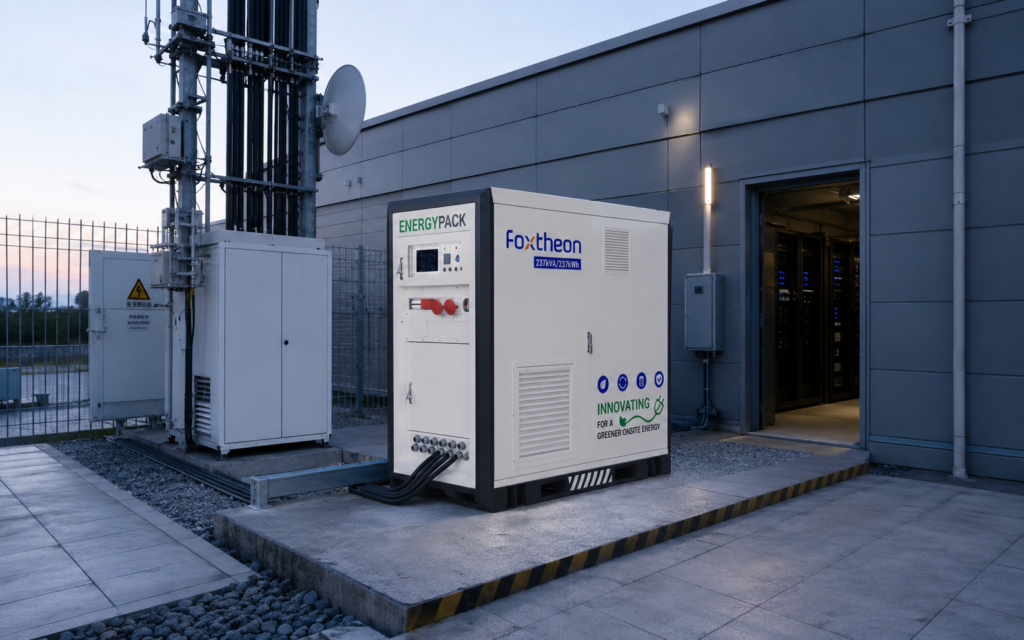
Telecommunication towers located in remote areas require constant, uncompromised uptime. These installations typically present a highly stable, continuous DC load profile (often 48V DC). Using a hybrid system allows operators to run the site primarily on solar energy during the day while utilizing the battery bank overnight. The auxiliary generator is programmed to run only during periods of prolonged overcast weather, extending the service intervals of the mechanical equipment from weeks to months.
Mining and Resource Extraction Camps
Mining operations often feature highly dynamic loads with high startup currents from heavy machinery, ventilation fans, and processing equipment. A large-scale Solar Hybrid Generator provides the necessary reactive power support to stabilize the local microgrid during transient events. The rapid response of the battery inverter system dampens frequency fluctuations that would otherwise trigger automatic safety shutdowns of sensitive equipment.
Humanitarian and Temporary Off-Grid Sites
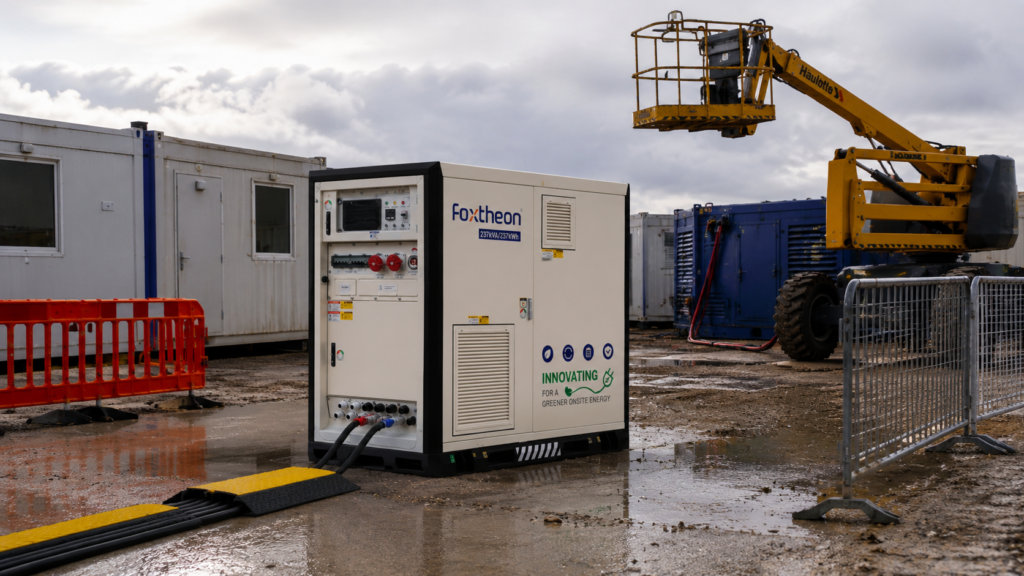
Temporary clinics, disaster relief zones, and remote construction sites require rapid deployment and structural durability. For these situations, modular containerized units are highly effective. Manufacturers like Foxtheon develop pre-configured, weather-resistant hybrid platforms that can be transported via standard logistics channels and initialized quickly on-site, reducing the need for extensive civil engineering works.
Strategic Sourcing and Supplier Selection Metrics
Selecting the appropriate supplier for a utility-scale or industrial-grade hybrid system involves a rigorous technical evaluation that goes beyond basic commercial terms.
Evaluation of Engineering Standards
Procurement departments must verify that all components comply with international electrical and safety standards. Key certifications to review include:
- IEC 62109-1 / -2: Safety of power converters for use in photovoltaic power systems.
- UL 1741: Standard for inverters, converters, controllers, and interconnection system equipment for use with distributed energy resources.
- IEC 62619: Safety requirements for secondary lithium cells and batteries for use in industrial applications.
- UN38.3: Transport testing for lithium metal and lithium-ion batteries, crucial for ensuring safe shipping to remote global destinations.
Sourcing Channels and Pricing Paradigms
When sourcing industrial power equipment, working directly with established Original Equipment Manufacturers (OEMs) or certified engineering partners is highly recommended. This direct relationship ensures access to specialized engineering support during the system design phase, factory acceptance testing (FAT), and field commissioning.
Pricing structures for industrial hybrid units are highly dependent on the customization requirements of the site. System pricing is determined by the specific sizing ratio between the PV capacity (kWp), the inverter throughput (kVA), and the battery capacity (kWh). Customized containerized solutions designed for extreme environments (such as high altitude or sub-zero temperatures) require additional HVAC systems and insulation, which are reflected in the initial project quotation. Conducting a thorough site assessment and load profiling before requesting a quotation prevents over-specifying or under-specifying the system.
Optimizing Operational Longevity
To ensure the long-term reliability of a Solar Hybrid Generator, regular preventative maintenance of both the mechanical and solid-state components is required. Advanced systems incorporate cloud-based telemetry, allowing remote monitoring of State of Charge (SoC), State of Health (SoH), and photovoltaic degradation rates. By analyzing these data points, operations managers can schedule maintenance during low-demand periods, thereby preventing unscheduled downtime.
Selecting a high-quality Solar Hybrid Generator with IP65-rated enclosures and advanced thermal management systems ensures that the power electronics remain protected from dust, humidity, and extreme temperature fluctuations common in remote fields.
Frequently Asked Questions
Q1: What are the primary advantages of utilizing Lithium Iron Phosphate (LiFePO4) over NMC in industrial hybrid power configurations?
A1: Lithium Iron Phosphate (LiFePO4) offers significant advantages in industrial settings, including a high thermal runaway threshold (approx. 270°C vs. NMC’s 210°C), reducing fire risks. LFP also provides an extended cycle life, often supporting 4,000 to 6,000 charge-discharge cycles at 80% Depth of Discharge, compared to the 1,500 to 2,500 cycles typical of NMC chemistries, leading to a longer operational lifetime in demanding conditions.
Q2: How does a solar hybrid generator prevent diesel generator underloading?
A2: When the site load drops below the minimum efficient operating threshold of the diesel generator (typically 30% of its rated capacity), the system’s smart energy management system redirects excess power generated by the engine to charge the battery bank. Alternatively, if the batteries are sufficiently charged, the system can shut down the diesel engine entirely and run the site load solely via the battery and solar array, preventing “wet stacking” and mechanical wear.
Q3: What are the main integration challenges when connecting a hybrid system to a legacy generator?
A3: The primary challenge lies in active synchronization of voltage, frequency, and phase angle. If these parameters are not aligned within strict tolerances before the transfer switch closes, it can cause severe electrical stress or hardware damage. Utilizing an intelligent hybrid inverter with integrated generator control and automatic synchronization relays resolves this issue by governing the legacy engine’s speed and voltage regulator prior to coupling.
Q4: How do temperature coefficients affect the selection of solar panels for hot desert environments?
A4: Solar panels experience a drop in voltage and efficiency as their operating temperature rises above 25°C. The temperature coefficient of Pmax indicates the percentage of power lost per degree Celsius increase. For desert environments, selecting panels with a low temperature coefficient, such as TOPCon or HJT modules (which have coefficients around -0.30%/°C to -0.26%/°C), ensures significantly higher energy yields during peak sunlight hours compared to standard modules.
Q5: What certifications should procurement teams prioritize when sourcing hybrid energy storage components?
A5: Procurement teams should prioritize international standards such as IEC 62109-1 and -2 for inverter safety, IEC 62619 for industrial lithium battery safety, UL 1741 for grid interconnection safety, and UN38.3 certification for safe lithium battery transport. These certifications ensure the system meets rigorous safety, reliability, and transport standards under demanding operational conditions.
Inquiry
For detailed technical consultations, system sizing inquiries, or customized engineering specifications regarding industrial-grade hybrid power configurations, please submit your project requirements via our technical portal. Our engineering team will review your load profile and provide a comprehensive system configuration proposal tailored to your specific operational needs.