
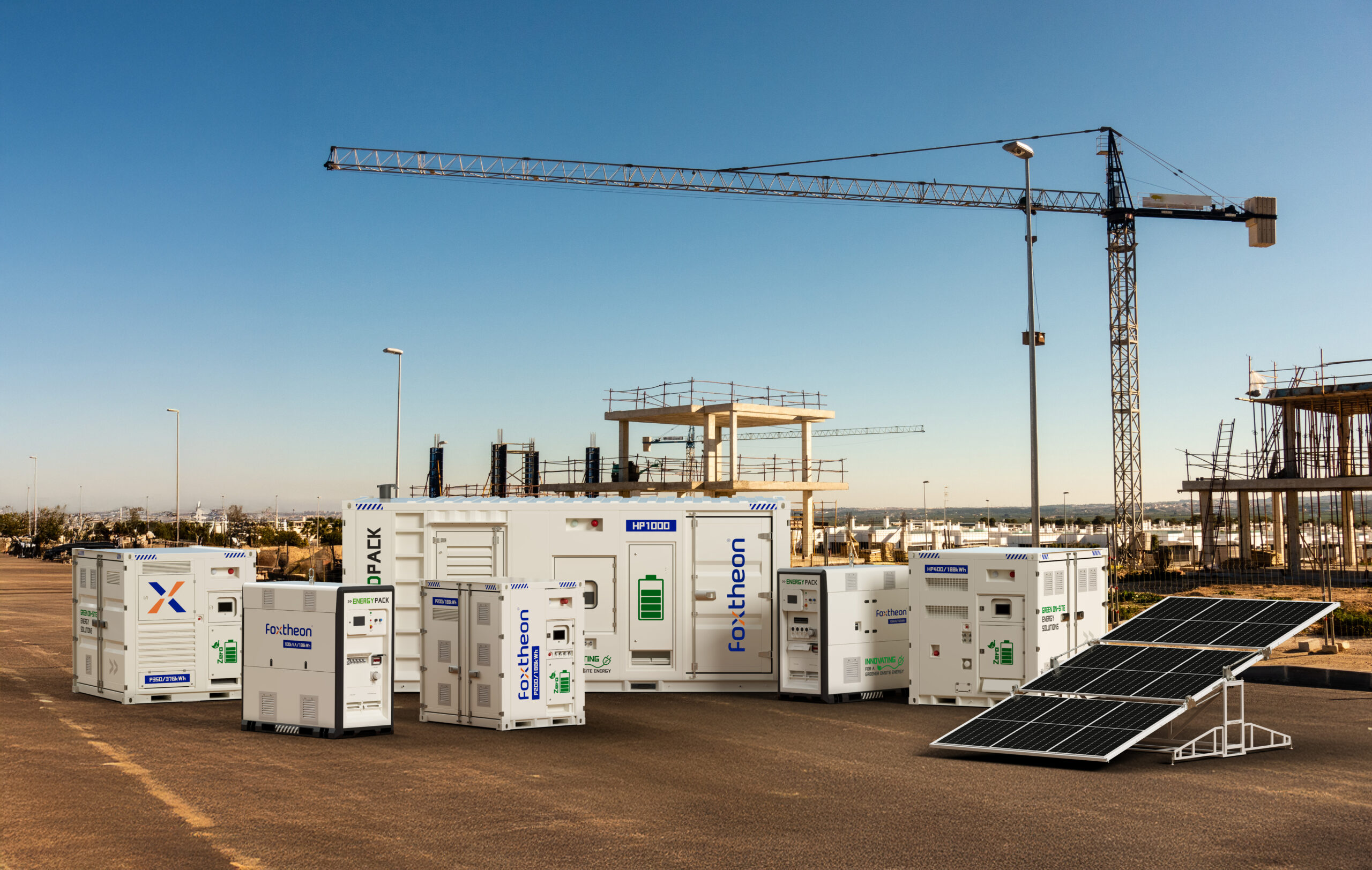
Industries operating in remote or off-grid environments face continuous operational demands. For decades, diesel generators have served as the primary source of off-grid power generation. While reliable, relying solely on fossil fuels presents ongoing challenges, including complex fuel logistics, rising emissions, and frequent maintenance requirements. Modern power engineering offers a practical path forward by integrating solar energy with existing assets.
A robust pv diesel generator hybrid system combines the dependable, dispatchable power of diesel engines with the clean, cost-free generation of solar photovoltaics (PV). Rather than attempting to completely replace existing generator assets, this hybrid approach focuses on synergy and optimization. By utilizing intelligent control mechanisms, operators can maximize solar utilization while ensuring diesel generators run within their most efficient load ranges. This technical analysis explores the core engineering strategies, architectural components, and operational practices necessary to achieve a stable and highly efficient hybrid microgrid.
1. Understanding the Core Technical Architecture
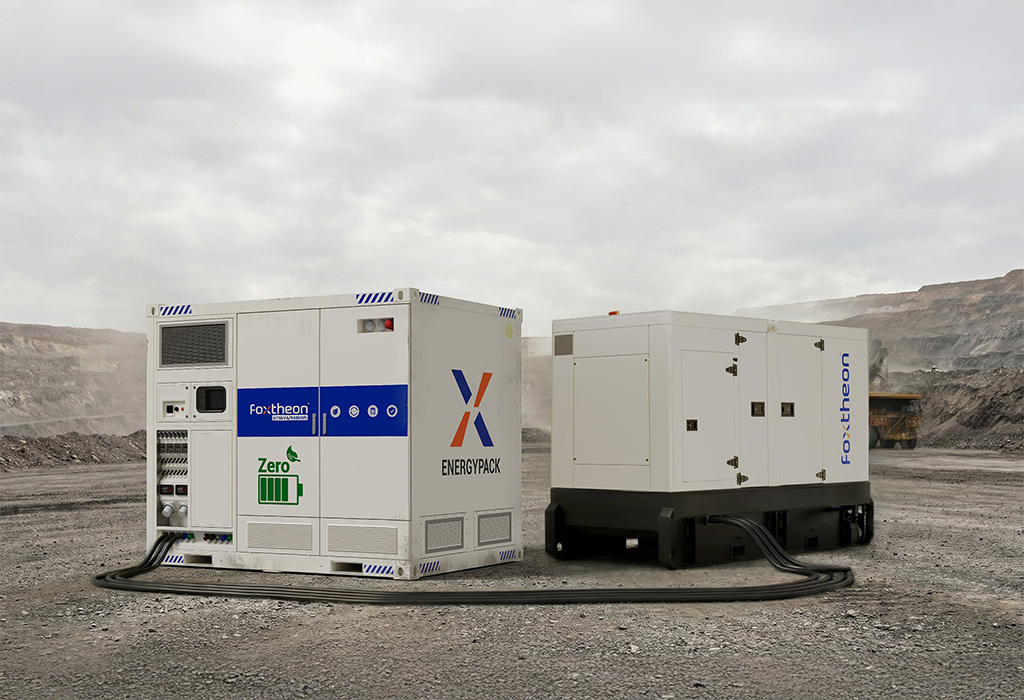
An effective industrial hybrid system is more than just a collection of solar panels wired near a generator. It requires a balanced electrical architecture where multiple energy sources communicate in real time to maintain voltage and frequency stability. The primary components of this architecture include:
- Photovoltaic (PV) Array: Converts solar irradiance into direct current (DC) power, which is then converted to alternating current (AC) by grid-following or grid-forming inverters.
- Diesel Generator Set (Genset): Serves as the reliable backbone of the system, capable of providing continuous power regardless of weather conditions.
- Battery Energy Storage System (BESS): Acts as a dynamic buffer, absorbing excess solar power and supplying instantaneous energy during transient load spikes or drops in solar output.
- Hybrid Controller / Energy Management System (EMS): The central processor that continuously monitors load demand, solar generation, and battery state-of-charge (SoC) to dispatch assets efficiently.
In this architecture, Foxtheon provides sophisticated power conversion and energy storage solutions that allow seamless communication between rotating machines (generators) and static power inverters, preventing grid instability and ensuring continuous operational uptime.
2. Addressing the Challenge of Generator Wet Stacking
One of the most significant operational challenges in off-grid power plants is generator “wet stacking.” This phenomenon occurs when a diesel engine operates at a light load (typically below 30% to 40% of its rated capacity). Under light loads, the engine does not reach its design operating temperature, leading to incomplete fuel combustion. This results in the accumulation of unburned fuel, carbon, and moisture in the exhaust system, which degrades engine performance, increases maintenance frequency, and shortens the generator’s overall lifespan.
A properly engineered pv diesel generator hybrid system addresses this issue directly. When solar generation is abundant, the hybrid controller does not simply force the generator to run at idle. Instead, it utilizes two primary operational strategies:
First, the system can utilize a BESS to absorb excess solar energy while keeping the generator loaded at its optimal fuel-efficiency curve (usually between 60% and 80% load). Second, if the solar and battery capacity can fully support the load, the controller can safely shut down the generator entirely, avoiding low-load wear. This operational balance protects the high-value generator assets of industrial operators and equipment distributors alike.
3. Implementing Dynamic Spinning Reserve Management
In standard off-grid systems, operators must keep extra generator capacity online—spinning but unloaded—to handle sudden load spikes or unexpected drops in solar generation caused by passing clouds. This “spinning reserve” is highly inefficient and leads to high fuel consumption and unnecessary engine wear.
By integrating a pv diesel generator hybrid system, the battery storage component serves as a virtual spinning reserve. Because modern battery inverters can respond to power fluctuations in milliseconds, they can instantaneously inject power into the microgrid to maintain frequency stability. This rapid response provides the system with sufficient time to start, warm up, and synchronize a standby diesel generator if a sustained drop in solar power occurs. This strategy minimizes the need to run multiple diesel engines at sub-optimal loads purely for backup insurance.
4. Grid Stability and Active Power Control
Maintaining grid stability in a microgrid containing high levels of renewable penetration requires precise control systems. Traditional diesel generators rely on mechanical or electronic governors to control frequency via rotational speed, and automatic voltage regulators (AVRs) to control voltage. Solar inverters, however, are static devices that typically inject power without inherently regulating grid parameters.
To prevent voltage and frequency fluctuations, the hybrid controller must manage active and reactive power flow. Foxtheon utilizes intelligent energy management systems that coordinate the inverter outputs with the generator’s operating state. Key control features include:
- Active Power Curtailment: Automatically throttling solar inverter output when load demand is low and the battery storage is fully charged, preventing reverse power flow into the generator.
- Frequency-Droop Control: Allowing the inverters and generator to share load changes proportionally based on frequency variations.
- Reactive Power Compensation: Utilizing the battery inverters to supply reactive power (kVAR), which reduces the thermal load on the diesel generator’s alternator and improves system power factor.
5. Key Industrial Application Scenarios
The practical application of a pv diesel generator hybrid system varies depending on the specific operational environment. Different industries have unique load profiles that require customized system sizing and control rules.
Remote Mining Operations
Mining facilities operate continuous, heavy-duty machinery with high starting currents. Relying solely on diesel generators requires constant fuel transportation to remote locations. Introducing a hybrid solar-diesel setup allows the mine to run high-load crushing and processing equipment during peak daylight hours using solar power, while the diesel generators maintain steady baseload operations during the night. The battery system absorbs regenerative braking energy from heavy equipment and provides the high torque currents needed to start large motors.
Agricultural Irrigation and Remote Processing
Agricultural operations often experience seasonal load profiles, with high water pumping requirements during specific months. A hybrid system allows farmers to utilize solar power for daytime water pumping. When weather conditions are unfavorable or continuous night-time irrigation is required, the diesel generator seamlessly backs up the system, protecting crops without requiring massive grid expansion.
Telecommunications and Remote Infrastructure
Remote telecom towers, weather stations, and security installations require highly reliable, low-power continuous electricity. Running a large diesel generator 24/7 for these small loads is highly inefficient. A small-scale pv diesel generator hybrid system combined with compact energy storage allows the generator to run for only a few hours a day to charge the batteries, leaving the solar array and energy storage to power the telecom equipment quietly and cleanly for the remaining hours.
Strategic Engineering Integration with Foxtheon
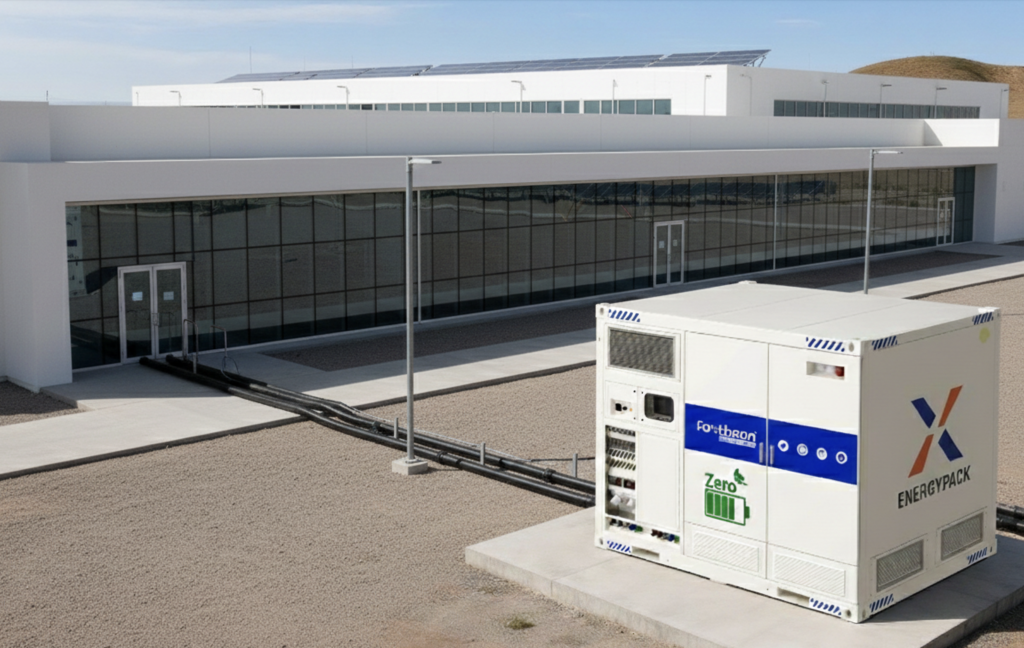
Choosing the right technology partner is a vital step in successfully deploying a hybrid microgrid. Modern industrial operators do not need simple component suppliers; they require integrated engineering solutions. Foxtheon designs and manufactures advanced energy storage systems and hybrid control platforms specifically engineered to integrate with existing industrial diesel generators. By focusing on high-efficiency power electronics, robust thermal management, and smart control algorithms, these solutions ensure that your existing generator assets operate at maximum efficiency while integrating clean solar energy.
Rather than replacing your reliable generator assets, integrating a pv diesel generator hybrid system represents a practical evolution in power generation. It allows commercial and industrial enterprises to reduce fuel consumption, minimize carbon emissions, and optimize maintenance schedules without compromising on energy reliability.
Frequently Asked Questions
Q1: How does a hybrid system prevent reverse power from damaging the diesel generator?
A1: Reverse power occurs when solar generation exceeds the electrical load, causing power to flow back into the generator’s alternator, which can cause severe mechanical and electrical damage. A hybrid system prevents this by employing a hybrid controller that monitors generator output in real time. If the generator load approaches its minimum allowable limit, the controller automatically curtails the solar inverter output or directs excess energy to charge the battery storage system.
Q2: What is the recommended minimum load ratio for a diesel generator in a hybrid microgrid?
A2: Most diesel generator manufacturers recommend maintaining a minimum load of 30% to 40% of the rated capacity. Operating below this threshold causes incomplete combustion, leading to wet stacking, carbon buildup on valves, and oil dilution. The hybrid system’s control strategy should always be configured to maintain this minimum load by adjusting battery charging or throttling solar output.
Q3: Can a PV-diesel hybrid system function reliably without a battery energy storage system (BESS)?
A3: Yes, a system can operate without a battery (known as a PV-Diesel direct injection system), but solar penetration is typically limited to around 20% to 30% of the generator’s capacity to avoid grid instability from cloud cover. Adding a BESS allows for much higher solar penetration (often exceeding 60%), because the battery acts as a dynamic buffer to absorb solar fluctuations and manage transient loads.
Q4: How does the hybrid system handle sudden weather changes, such as rapid cloud cover?
A4: When a cloud suddenly reduces solar PV output, the battery energy storage system (BESS) instantly discharges to cover the power deficit, maintaining grid frequency and voltage. If the cloud cover is sustained, the hybrid controller initiates a start command for the standby diesel generator, synchronizing it with the grid to take over the load before the battery is depleted.
Q5: Is it necessary to replace my existing diesel generators to install a PV-diesel hybrid system?
A5: No, existing diesel generators do not need to be replaced. Most modern industrial generators can be retrofitted into a hybrid system. The integration is performed at the control level by installing a compatible hybrid controller and an energy management system that interfaces with the generator’s existing automatic mains failure (AMF) panel and governor controls.
Connect with Our Engineering Experts
Optimizing your off-grid power infrastructure requires careful analysis of your specific load profile, environmental conditions, and existing equipment. Our team of smart energy engineers is ready to assist you in designing a reliable, high-efficiency hybrid solution tailored to your operational needs. To receive a detailed system technical assessment and discuss your project requirements, please submit your inquiry below.
Contact the Foxtheon engineering team today to request a technical consultation: Submit Your Project Inquiry