
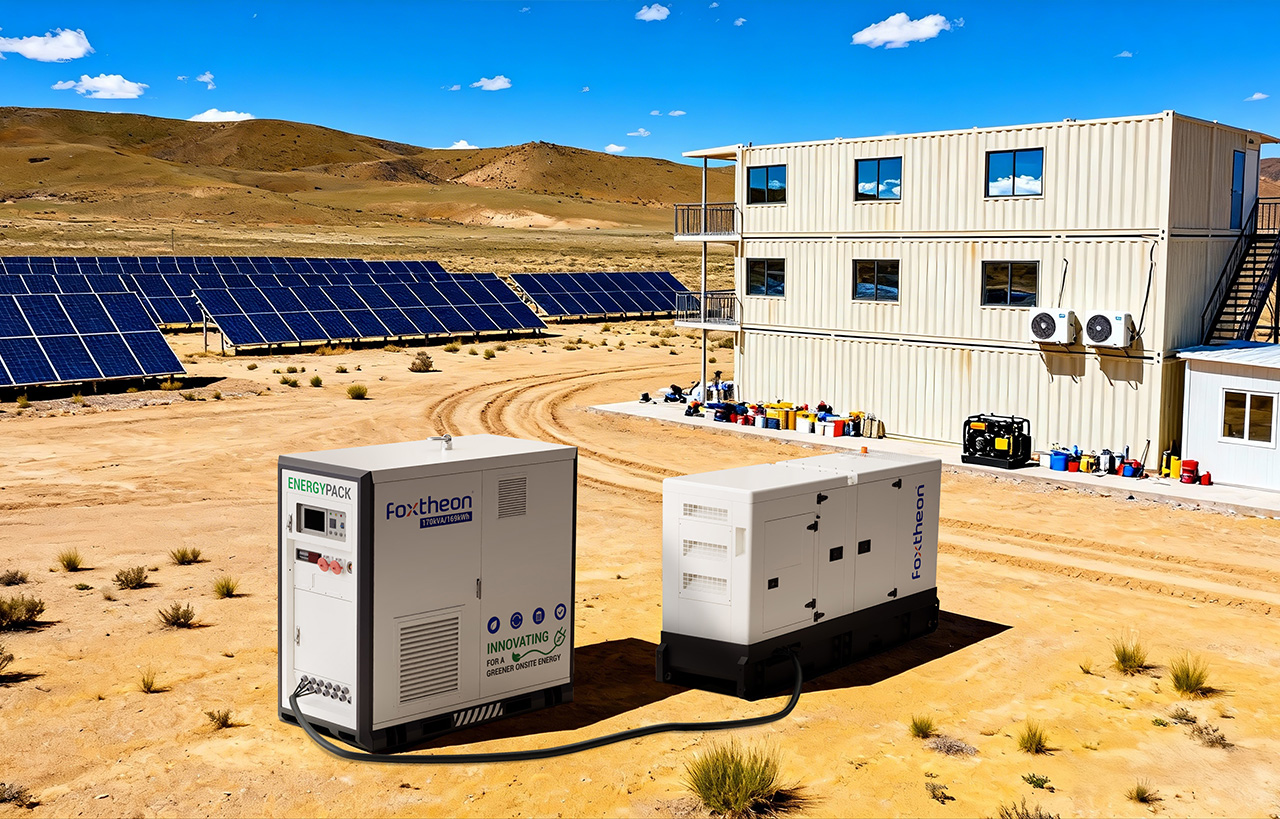
Industrial operations rely heavily on continuous, high-quality power. For decades, remote construction sites, telecommunications networks, mining installations, and agricultural facilities have depended on traditional diesel generators to meet their energy demands. However, modern efficiency requirements, strict environmental regulations, and fluctuating fuel expenses have prompted a shift toward hybrid power systems. These setups integrate internal combustion engines with advanced battery energy storage systems (BESS) and renewable sources like solar arrays.
When procurement managers and lead engineers evaluate these modern power configurations, one of the primary considerations is the hybrid generator price. Because hybrid systems are highly modular and customized to specific operational load profiles, a simple price tag does not tell the whole story. Understanding the technical components, sizing methodologies, and integration parameters that define this cost is necessary for making an informed investment decision.
1. Technical Architecture of Hybrid Power Systems
To analyze the cost structure of a hybrid power system, it is first necessary to examine its hardware configuration. A typical commercial-grade hybrid system is not merely a generator with a battery attached; it is a highly engineered, synchronized power plant. The system includes several main subsystems:
- The Engine-Generator Set: This remains a key component, serving as either a prime power source or a backup system to recharge the batteries during low-solar periods or high-load conditions.
- Battery Energy Storage System (BESS): Typically utilizing Lithium Iron Phosphate (LiFePO4) chemistry, the battery pack stores excess energy produced by the generator or renewable inputs and discharges it when load demands are low, allowing the generator to shut down completely.
- Bi-Directional Power Conversion System (PCS) / Inverters: This subsystem manages the conversion of Direct Current (DC) from the batteries and solar panels to Alternating Current (AC) for the load, and vice versa when the generator charges the battery.
- Energy Management System (EMS): The software and controller brain that monitors load fluctuations, state of charge (SoC), and fuel consumption to determine the most efficient power source in real-time.
Each of these subsystems directly influences the overall hybrid generator price. A higher capacity in any of these components increases the initial capital expenditure, but it also alters the operational profile of the system, often leading to reduced fuel use and longer maintenance intervals.
2. Key Factors Shaping the Hybrid Generator Price
When comparing different quotes, buyers should look beyond the base price and examine the specific technical variables that drive the hardware and engineering costs.
Battery Capacity and Chemistry
The storage capacity, measured in kilowatt-hours (kWh), is often the single largest variable in the pricing equation. High-quality Lithium Iron Phosphate (LFP) batteries are preferred in industrial sectors due to their long cycle life, high thermal stability, and deep depth of discharge (DoD). While lead-acid batteries represent a lower initial purchase price, their shorter lifespan and lower discharge efficiency make them less suitable for heavy-duty industrial hybridization.
Generator Rating and Alternator Efficiency
The capacity of the integrated diesel engine (measured in kVA or kW) is chosen based on peak load requirements and battery charging demands. An appropriately sized generator ensures that the engine runs within its optimal load curve (typically 60% to 80% capacity) when active. High-efficiency alternators and engines with electronic speed governors increase the build cost but prevent common maintenance issues like wet stacking during low-load periods.
Inverter and PCS Power Rating
The capacity of the Power Conversion System, measured in kilowatts (kW), determines the maximum continuous load the system can support from the batteries alone. If an operation requires high starting currents (such as starting large electric motors or pumps), the inverter must be sized to handle these transient surges, which can impact the overall hardware cost.
The graphic below outlines how these components interact in a standard industrial setup:
System Integration and Customization
Standardized, skid-mounted, or trailer-mounted hybrid generators are usually more cost-effective than highly customized, containerized systems built for extreme environments. Features such as IP-rated outdoor enclosures, active thermal management (heating, ventilation, and air conditioning for the battery compartment), integrated solar charge controllers, and advanced telemetry for remote monitoring all contribute to the final configuration cost.
3. Sizing and Configuration: Matching System Sizing to Real-World Loads
An oversized hybrid generator leads to unnecessary capital expenditure, while an undersized system results in excessive generator runtime and premature battery wear. Proper sizing requires a detailed analysis of the site’s load profile over a representative period.
Industrial loads typically fall into three categories:
- Base Load: The continuous, stable power demand that runs 24/7 (e.g., lighting, control systems, basic ventilation).
- Peak Load: Periodic spikes in demand caused by heavy machinery cycling on and off.
- Intermittent Load: Unpredictable power demands that occur during specific operating windows.
In a standard diesel generator setup, the engine must be sized to meet the absolute peak load, which means it runs inefficiently at low loads for most of its operating life. In a hybrid configuration, the generator is sized closer to the average load, while the battery and inverter system handle the peak loads and transient surges. By utilizing this sizing methodology, industrial operators can select a configuration that optimizes the hybrid generator price relative to their actual operational needs, ensuring they do not pay for excess, unutilized engine capacity.
4. Advanced Integration Solutions by Foxtheon
To achieve high levels of efficiency and reliability, it is important to work with manufacturers who specialize in integrated smart energy systems. Foxtheon designs sophisticated power solutions that bridge the gap between traditional power generation and modern battery storage technologies.
By focusing on high-density battery integration and intelligent control systems, Foxtheon provides hybrid systems that manage power distribution dynamically. Their proprietary Energy Management System continuously monitors load demands, seamlessly switching between battery power during low-load periods and generator power when the system requires a high-output boost or battery replenishment. This precise orchestration helps lower fuel consumption and maintenance requirements, ensuring that the initial capital spent on the system translates into reliable long-term performance.
5. Practical Applications and Operational Environments
The practical value of a hybrid power system becomes apparent when looking at specific industrial applications where traditional power setups face challenges.
Off-Grid Construction and Infrastructure Projects
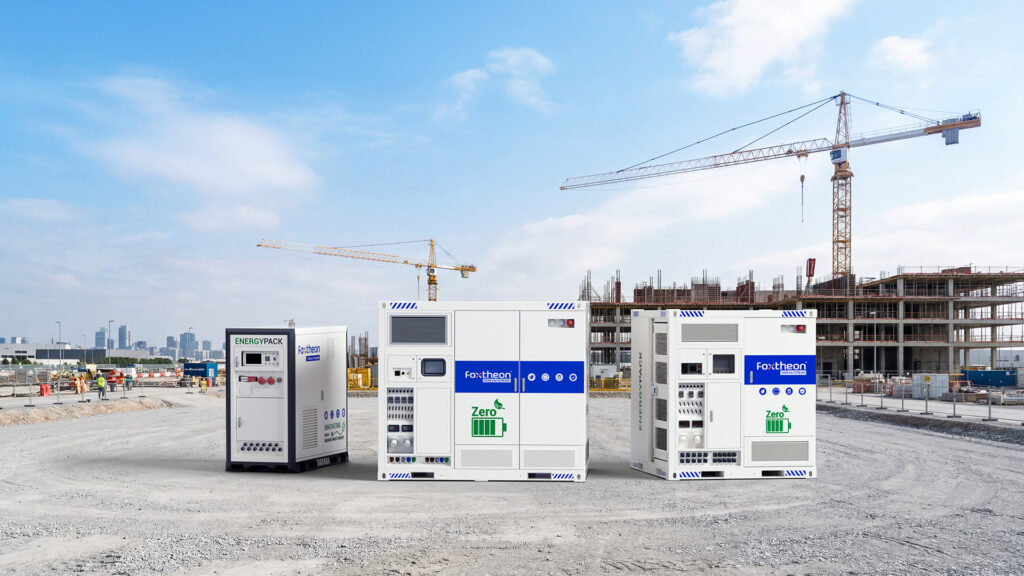
Construction sites often experience highly variable loads. During the day, cranes, hoists, and heavy machinery create large peak demands. At night, the load drops to minimal security lighting and office trailers. A hybrid generator can run on battery power silently during the night, avoiding noise complaints in urban areas, and run the diesel engine during high-demand daytime hours, significantly lowering daily fuel usage.
Remote Telecommunications Infrastructure
Telecom towers located in remote, off-grid areas require highly reliable, low-maintenance power. Traditional setups rely on dual generators running in rotation. By transitioning to a hybrid configuration, the battery bank can support the consistent, low-power telecom load for extended periods. The generator only runs for a few hours a day to recharge the battery, reducing physical site visits for maintenance and refueling.
Agricultural and Irrigation Systems
Agricultural operations often require seasonal power for water pumping, crop drying, and cold storage. Many of these loads are highly predictable but intermittent. Integrating solar PV with a hybrid generator allows farms to utilize renewable energy during peak sunlight hours, using the generator and battery backup only when solar output drops or peak demand exceeds solar capacity.
The table below highlights typical configurations across these different sectors and how they relate to the equipment profile:
| Application Sector | Typical Load Profile | Recommended Battery Capacity | Primary System Focus |
|---|---|---|---|
| Telecommunications | Continuous low-to-medium load | High (deep-cycle storage) | Minimizing generator runtime and maintenance visits |
| Construction Sites | High daytime peaks, low night loads | Medium-to-High (high peak output) | Silent operation at night, handling transient surges |
| Agriculture / Irrigation | Seasonal, daytime-heavy loads | Medium (optimized for solar pairing) | Maximizing solar self-consumption, backup reliability |
6. Evaluating the Investment Structure
While the initial purchase price of a hybrid generator setup is higher than that of a standard diesel-only unit of equivalent capacity, the investment structure is fundamentally different. When calculating the financial viability of a hybrid installation, buyers must factor in the following direct operational savings:
- Reduced Fuel Consumption: By allowing the engine to remain off during low-load hours, fuel consumption can drop by 30% to 70% depending on the load profile.
- Extended Service Intervals: Standard generators require oil, filter, and belt changes every 250 to 500 operating hours. Hybrid systems drastically reduce engine run hours, extending the calendar time between service intervals and reducing maintenance labor costs.
- Prolonged Equipment Lifespan: Operating a diesel engine at very low loads leads to carbon buildup and premature wear. A hybrid system ensures the engine runs under load when active, protecting internal components and extending the overall life of the generator.
For operations looking to improve fuel efficiency and lower onsite emissions, requesting a customized quotation based on actual load metrics is the most effective way to understand how the hybrid generator price aligns with your project budget.
7. Secure Your Custom Hybrid Solution
Selecting the right hybrid power system requires careful analysis of your specific operational profile, environmental conditions, and power requirements. A pre-packaged, generic solution rarely delivers the level of performance and efficiency that a customized, professionally engineered system can provide.
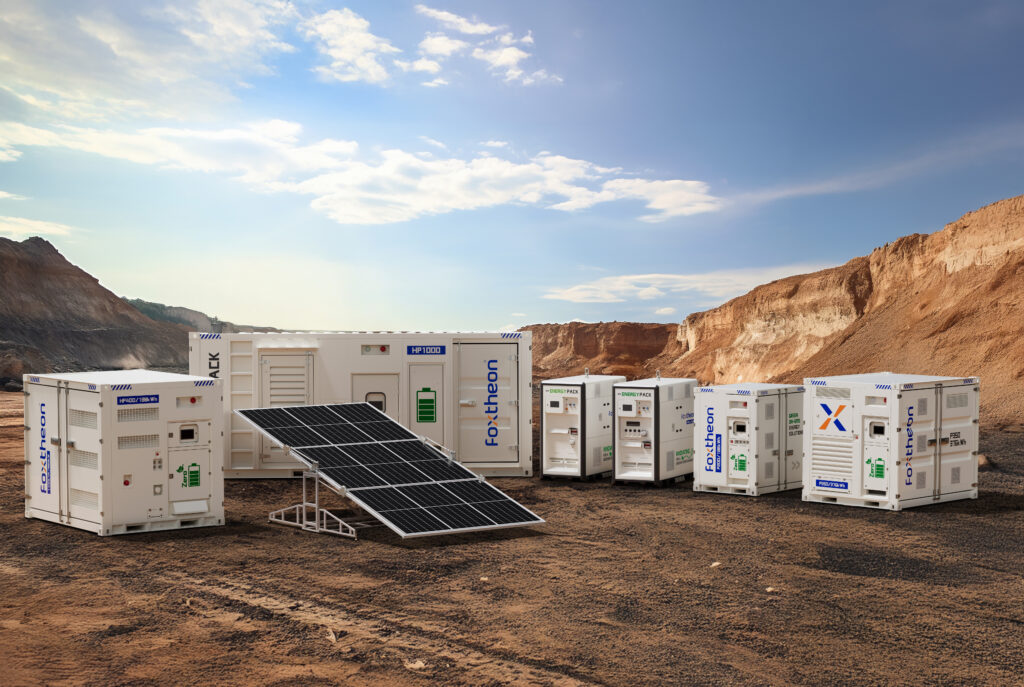
At Foxtheon, our engineering team works closely with project managers, procurement specialists, and field engineers to design, build, and deploy robust hybrid power solutions tailored to heavy-duty industrial needs. Whether you are looking to integrate battery storage with your existing generator fleet or deploy a fully integrated, containerized hybrid system, we can provide detailed technical specifications and a transparent breakdown of the hybrid generator price for your project.
To receive a comprehensive load analysis and a formal quotation for your next project, contact our technical sales team today. Let us help you design a reliable, high-performance power system that meets your operational and efficiency targets.
Frequently Asked Questions
Q1: What are the primary hardware components that influence the hybrid generator price?
A1: The main hardware drivers of the system price are the battery capacity (measured in kWh), the chemistry of the battery cells (such as LFP), the rating of the power conversion system/inverter (measured in kW), the size of the diesel generator (measured in kVA), and the level of customization required for the enclosure (such as climate control systems for extreme environments).
Q2: Can we integrate our existing diesel generator assets into a hybrid energy storage system?
A2: Yes, many hybrid systems are designed to be retrofitted. By integrating a battery energy storage system and an intelligent controller with your current generator fleet, you can optimize the operation of your existing assets, reduce engine runtime, and lower fuel consumption without needing to purchase an entirely new generator engine.
Q3: How does a hybrid power system handle sudden peak loads and motor startup currents?
A3: Modern hybrid systems utilize highly responsive bi-directional inverters that can discharge stored battery energy in milliseconds. When a heavy piece of machinery starts up, the battery pack and inverter handle the transient surge, protecting the generator from voltage dips and allowing the engine to ramp up smoothly if required.
Q4: Why is Lithium Iron Phosphate (LFP) preferred over other battery chemistries in these setups?
A4: LFP chemistry offers significant advantages for industrial applications, including high thermal stability (reducing fire risk), a long cycle life (often exceeding 4,000 to 6,000 charge-discharge cycles), and the ability to handle deep discharges without rapid degradation. This makes them more reliable and longer-lasting than lead-acid or standard lithium-ion alternatives.
Q5: How does proper load profiling help prevent over-specifying and keep the hybrid generator price reasonable?
A5: Load profiling tracks your actual power consumption patterns over time, revealing the true peaks, averages, and idle periods of your operation. By sizing the battery storage system to handle the idle and low-load periods, and matching the generator size to the average charging load rather than the peak load, you avoid paying for unnecessary generator capacity, keeping the purchase cost aligned with actual operational demands.