
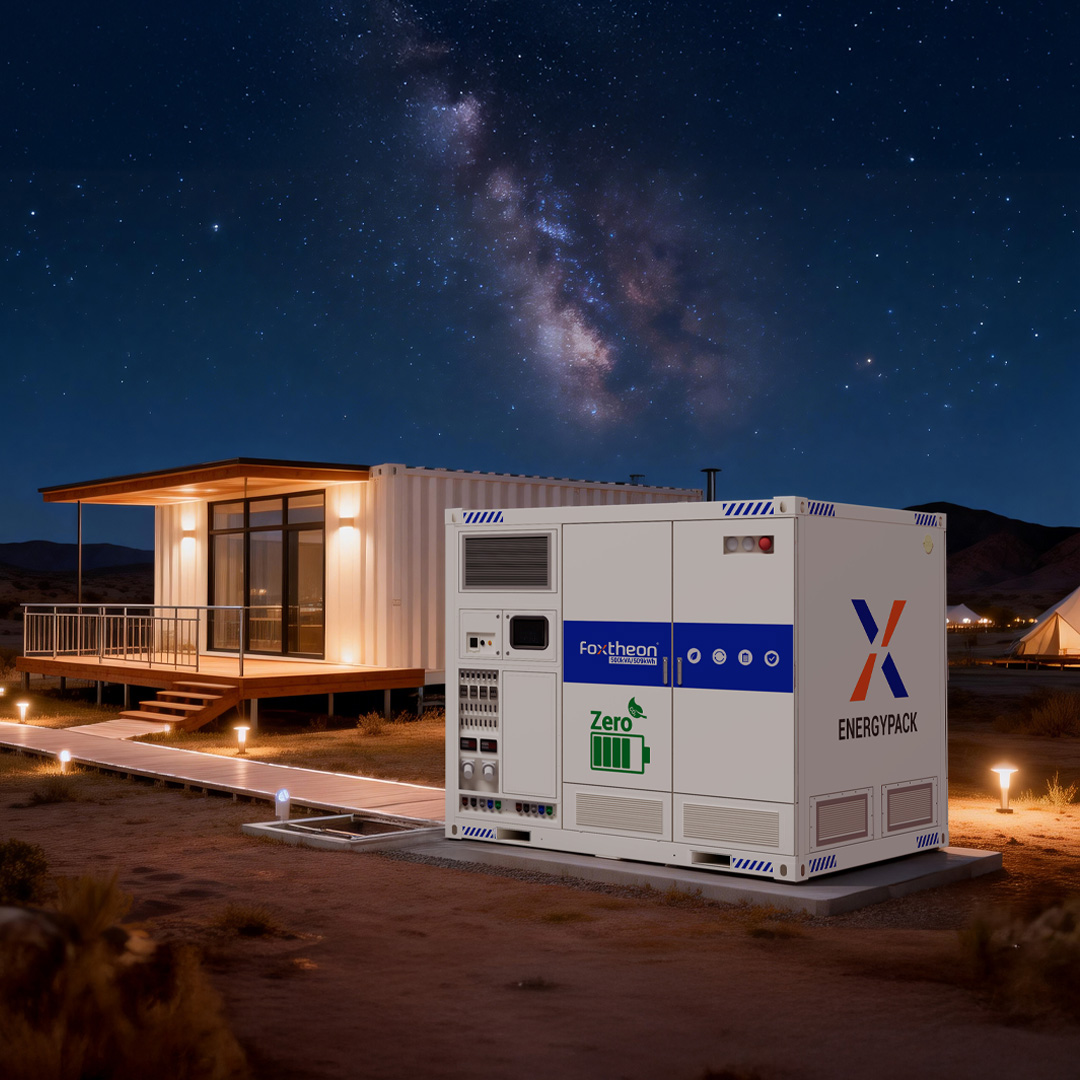
Commercial and industrial (C&I) facilities operate under rigorous power demands where voltage instability, peak demand charges, and power quality deviations directly impact operational margins. Modern power distribution networks require advanced buffering mechanisms to balance load profiles and manage fluctuating electricity rates. Integrating advanced battery storage solutions into existing electrical infrastructures has emerged as a reliable method to stabilize local grids, manage peak loads, and coordinate diverse energy resources. Equipment manufacturers such as Foxtheon provide the necessary hardware and control integration to facilitate these demanding industrial applications.
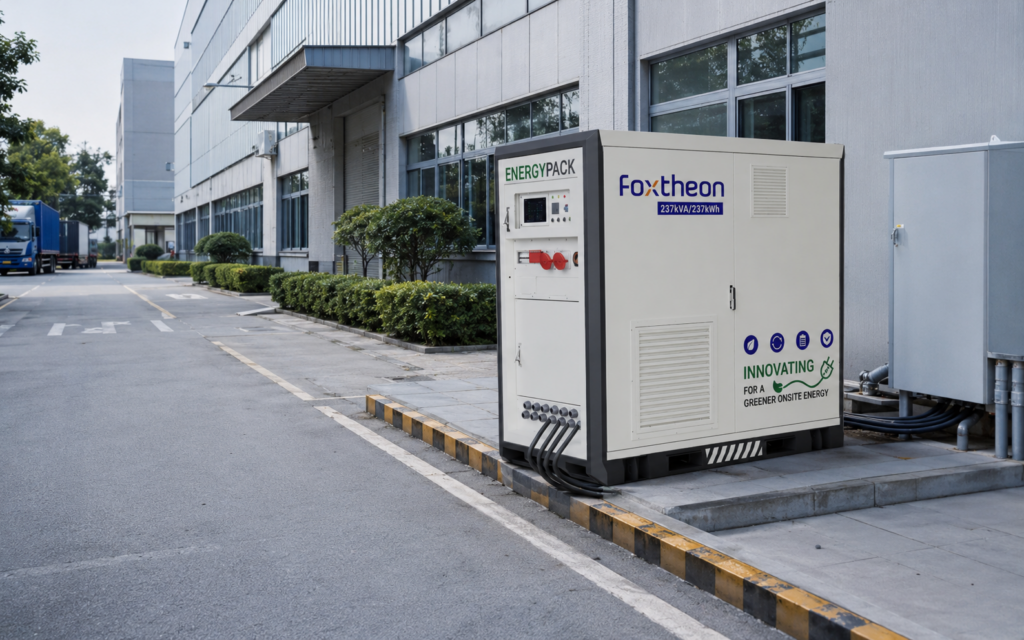
Technical Architecture of Commercial Battery Storage Systems
To understand the utility of industrial-scale energy storage, one must examine the multi-tiered architecture that governs these systems. A high-capacity storage installation is not merely an assembly of electrochemical cells; it is an integrated system consisting of three primary subsystems working in coordination: the Battery Management System (BMS), the Power Conversion System (PCS), and the Energy Management System (EMS).
The system begins at the electrochemical cell level, where cells are configured in series and parallel to meet specific voltage and capacity requirements. Designing large-scale battery storage solutions requires precise monitoring of these cell groups. The BMS serves as the first line of control, continuously tracking parameters such as cell voltage, surface temperature, and internal resistance. By utilizing active or passive cell balancing algorithms, the BMS prevents individual cell overcharging or deep discharging, which preserves the operational life of the entire pack.
The Power Conversion System (PCS) manages the bidirectional flow of electricity between the direct current (DC) battery pack and the alternating current (AC) facility grid. Modern PCS units utilize high-efficiency insulated-gate bipolar transistors (IGBTs) or silicon carbide (SiC) metal-oxide-semiconductor field-effect transistors (MOSFETs) to achieve high conversion efficiency during both charging and discharging cycles. Key functions of the PCS include:
- Active and Reactive Power Control: Dynamically adjusting real power output (kW) and reactive power injection (kVAR) to maintain local power factor targets.
- Four-Quadrant Operation: Enabling the system to operate in any of the four quadrants of the voltage-current plane, supporting inductive, capacitive, resistive, and regenerative loads.
- Grid Synchronization: Utilizing phase-locked loop (PLL) algorithms to align the system’s AC output with the utility grid frequency and phase angle prior to connection.
Overseeing the entire installation is the Energy Management System (EMS). The EMS operates as the central software hub, executing complex control strategies such as peak shaving, load shifting, and frequency response. By utilizing industry-standard communication protocols like Modbus TCP/IP, DNP3, or IEC 61850, the EMS communicates with the facility’s SCADA system, building management systems, and external utility signals to coordinate energy dispatch in real time.
Cell Chemistry and Material Specifications
Selecting the appropriate electrochemical chemistry is a fundamental decision during the engineering phase of a storage system. The choice of materials dictates the thermal characteristics, cycle life, degradation rates, and overall safety profile of the installation. In contemporary industrial applications, two primary lithium-ion chemistries predominate: Lithium Iron Phosphate (LiFePO4, or LFP) and Nickel Manganese Cobalt (LiNiMnCoO2, or NMC).
LFP chemistry features an olivine crystal structure that provides strong covalent bonding. This molecular configuration yields high thermal stability, with thermal runaway thresholds typically exceeding 270 degrees Celsius. Furthermore, LFP cells regularly achieve a cycle life between 4,000 and 6,000 cycles at an 80% Depth of Discharge (DoD), making them highly suitable for applications requiring daily cycling, such as load shifting and peak shaving. The stable structural properties of LFP minimize capacity loss over long periods of operation.
Conversely, NMC chemistry exhibits a higher volumetric and gravimetric energy density due to its layered transition metal oxide structure. While NMC cells require smaller physical footprints for equivalent capacities, they possess lower thermal runaway limits (typically around 210 degrees Celsius) and exhibit faster capacity degradation under high C-rates. Consequently, NMC is often selected when physical space constraints are severe and the cycle demand is less frequent. For standard industrial and grid-scale deployments where safety margins and long service lives are prioritized, LFP has become the industry benchmark.
In addition to cell chemistry, the design of the physical enclosure and auxiliary systems is highly important. Modern outdoor enclosures incorporate robust environmental seals, liquid-cooling loops for precise temperature uniformity across cells, and advanced multi-stage fire suppression systems complying with standards such as NFPA 855. Liquid cooling, in particular, maintains cell-to-cell temperature differentials within 3 degrees Celsius, directly mitigating localized degradation risks.
Addressing Common Operational Pain Points in Industrial Energy Management
Industrial operations frequently encounter severe power-related operational challenges. One of the primary financial pain points is the peak demand charge imposed by electric utilities. These charges are calculated based on the highest average power consumption recorded during a short interval (typically 15 minutes) within a billing cycle. A brief spike in power usage caused by starting heavy machinery can disproportionately increase the utility bill for that entire month.
To mitigate this issue, energy storage systems can execute automated peak shaving. When the facility’s demand approaches a predefined threshold, the EMS triggers the storage system to discharge, supplying a portion of the load internally. This caps the draw from the utility grid, flattening the demand curve and lowering operational utility expenses.
Another prevalent pain point is power quality degradation. Voltage sags, swells, and transient harmonics can disrupt sensitive automated assembly lines, leading to unplanned downtime and equipment damage. By implementing rapid response controls, modern storage systems can inject or absorb active and reactive power within milliseconds of detecting a disturbance. This swift intervention stabilizes the local voltage bus, shielding sensitive downstream electronics from upstream grid anomalies.
Furthermore, integrating storage assets with existing onsite generation, such as diesel or natural gas backup generators, optimizes overall system performance. Instead of running backup generators at low, inefficient load factors during partial outages, the storage system can handle transient load spikes and dynamic steps. This allows the primary generators to operate continuously near their peak thermal efficiency points, reducing wear, minimizing maintenance intervals, and preventing carbon build-up in the exhaust systems.
Applications of battery storage solutions in Modern Power Networks
The versatility of high-capacity storage allows it to serve multiple functions within a single facility or across a broader distribution network. These applications are generally categorized by their operational objectives and reaction timeframes.
Peak Shaving and Load Shifting
Load shifting involves charging the battery during periods of low tariff rates (typically off-peak hours) and discharging it during high-rate peak periods. This application relies on predictable daily utility pricing structures. Unlike peak shaving, which addresses short-duration power spikes, load shifting manages bulk energy consumption over several hours. This practice ensures that a facility optimizes its energy procurement patterns without altering its core production schedule.
Microgrid Integration and Islanding Capabilities
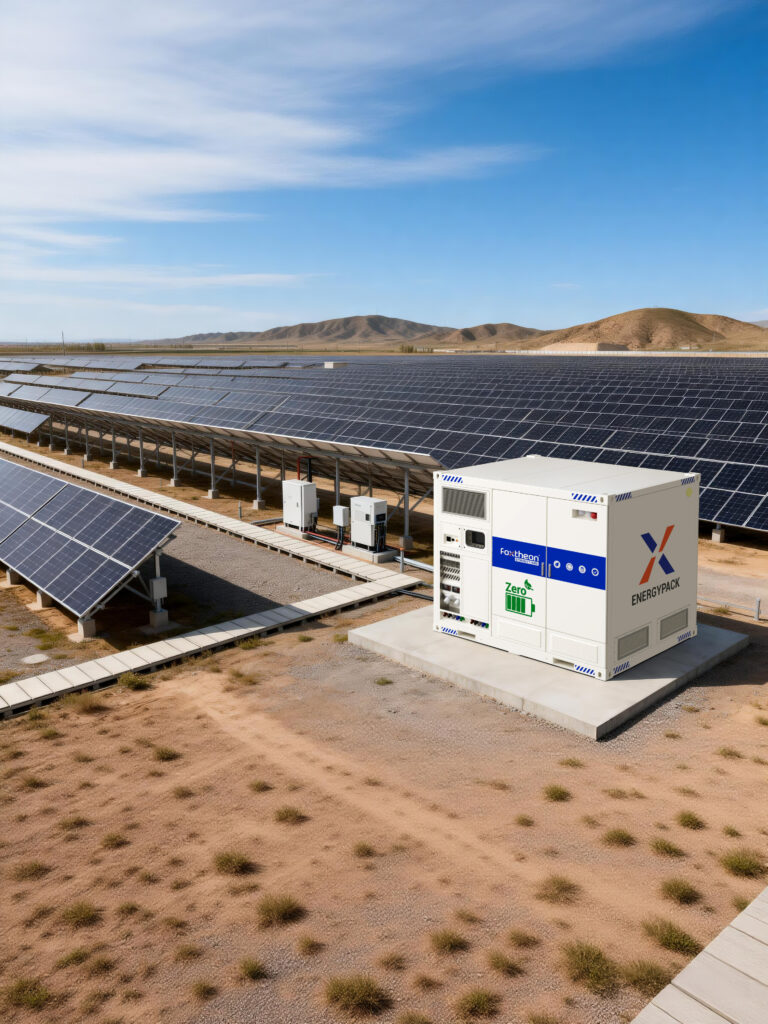
For facilities located in regions with unreliable grid infrastructure or high exposure to weather events, microgrid integration offers operational resilience. When the main grid fails, the storage system, coordinated by its EMS, can transition the facility into an islanded state. During this transition, the PCS switches from a grid-following mode (where it synchronizes with an external voltage reference) to a grid-forming mode, acting as the primary voltage and frequency source for the local network. This maintains continuous operation where battery storage solutions buffer intermittent generation from onsite solar arrays or other local energy resources.
Frequency Regulation and Ancillary Services
On a macro-grid scale, utility operators utilize decentralized energy storage assets to maintain grid balance. If the grid frequency deviates from its nominal value (50 Hz or 60 Hz) due to a sudden imbalance between supply and demand, fast-acting battery systems can inject or withdraw power almost instantly. Participating in these ancillary service markets allows commercial operators to generate revenue from their stored energy assets by responding to utility frequency regulation commands.
Sourcing and Selecting a B2B Energy Storage Supplier
Procuring a commercial-scale energy storage system requires careful evaluation of technical specifications, manufacturing standards, and system compatibility. Because these systems represent a long-term capital commitment, selecting an experienced partner is vital to ensuring project viability and long-term performance.
The evaluation process should begin with a detailed analysis of the facility’s load profile, collected via utility meter data at sub-hourly intervals. This profile reveals the peak power requirements (measured in kilowatts, kW) and the total energy capacity (measured in kilowatt-hours, kWh) needed to satisfy the operational objectives. Over-sizing the system leads to underutilized capacity, while under-sizing limits the effectiveness of peak shaving and emergency backup functions.
When evaluating potential partners, engineering capability and certification compliance are primary considerations. Reputable suppliers must verify that their systems comply with international safety and performance standards, including:
- UL 1973: Standards for batteries for use in stationary, vehicle auxiliary power, and light rail applications.
- UL 9540 / UL 9540A: Standards for energy storage systems and equipment, including rigorous thermal runaway fire propagation testing.
- IEC 62619: Safety requirements for secondary lithium cells and batteries for use in industrial applications.
- IEEE 1547: Standard for interconnecting distributed resources with electric power systems.
In addition to regulatory compliance, the supplier’s capability to provide custom integration services is a key differentiator. Every commercial facility features unique electrical layouts, environmental conditions, and space limitations. Companies like Foxtheon focus on delivering engineered configurations that match specific site layouts, integrating the required liquid cooling systems, fire suppression mechanisms, and communications interfaces into a cohesive package. Ensuring the supplier offers clear hardware warranties, defined capacity retention guarantees over time, and responsive field service support prevents operational disruptions during the multi-year lifecycle of the asset.
Frequently Asked Questions
Q1: What is the typical lifespan of LFP-based commercial battery storage solutions?
A1: Commercial storage systems utilizing Lithium Iron Phosphate (LFP) chemistry generally deliver between 4,000 and 6,000 charge-discharge cycles at an 80% Depth of Discharge (DoD) before the system capacity degrades to 80% of its original rating. Under typical daily cycling profiles in standard commercial environments, this translates to an operational service life of approximately 10 to 15 years, depending on operating temperatures and C-rate utilization.
Q2: How does a battery storage system transition a facility to backup power during an outage?
A2: When an external grid outage occurs, a high-speed automatic transfer switch isolates the facility’s local network from the utility grid. Simultaneously, the storage system’s Power Conversion System (PCS) transitions from grid-following to grid-forming mode. This change allows the PCS to establish local voltage and frequency references, restoring power to critical facility loads in a fraction of a second.
Q3: Can these systems operate reliably in extreme environmental conditions?
A3: Yes. To maintain optimal performance in harsh climates, commercial-grade systems are housed in ruggedized, NEMA 3R or IP55-rated enclosures. These enclosures feature active thermal management systems, such as liquid-cooling units or industrial HVAC systems, which keep internal cell temperatures within the recommended 15 to 30 degrees Celsius range, regardless of external ambient extremes.
Q4: What safety protocols are integrated into industrial battery enclosures to prevent thermal runaway?
A4: Safety is addressed through multi-layered prevention and suppression systems. The first layer is the BMS, which disconnects cells if abnormal voltage or temperature variations are detected. The second layer is physical containment, utilizing materials designed to isolate cells. The third layer involves gas detection sensors that can identify off-gassing before visible smoke occurs, triggering localized, clean-agent fire suppression systems (such as Novec 1230 or aerosol suppressants) to cool the module and prevent propagation.
Q5: How does the system communicate with existing facility management networks?
A5: The system’s Energy Management System (EMS) utilizes standardized industrial communication protocols, including Modbus TCP/IP, Modbus RTU, CAN bus, DNP3, and IEC 61850. These protocols enable seamless data exchange with existing building management systems (BMS), supervisory control and data acquisition (SCADA) systems, and remote utility dispatch centers.
Technical Inquiry Submission
Please direct technical inquiries, system integration specifications, and request-for-quotes (RFQs) to our engineering division via the communication portal below. To assist us in preparing an initial system sizing estimate, please provide your average monthly load profile, grid connection voltage, and primary application goals (e.g., peak shaving, microgrid resilience, or renewable integration). You may also consult with the technical team at Foxtheon to evaluate specific site requirements and system compatibility.