
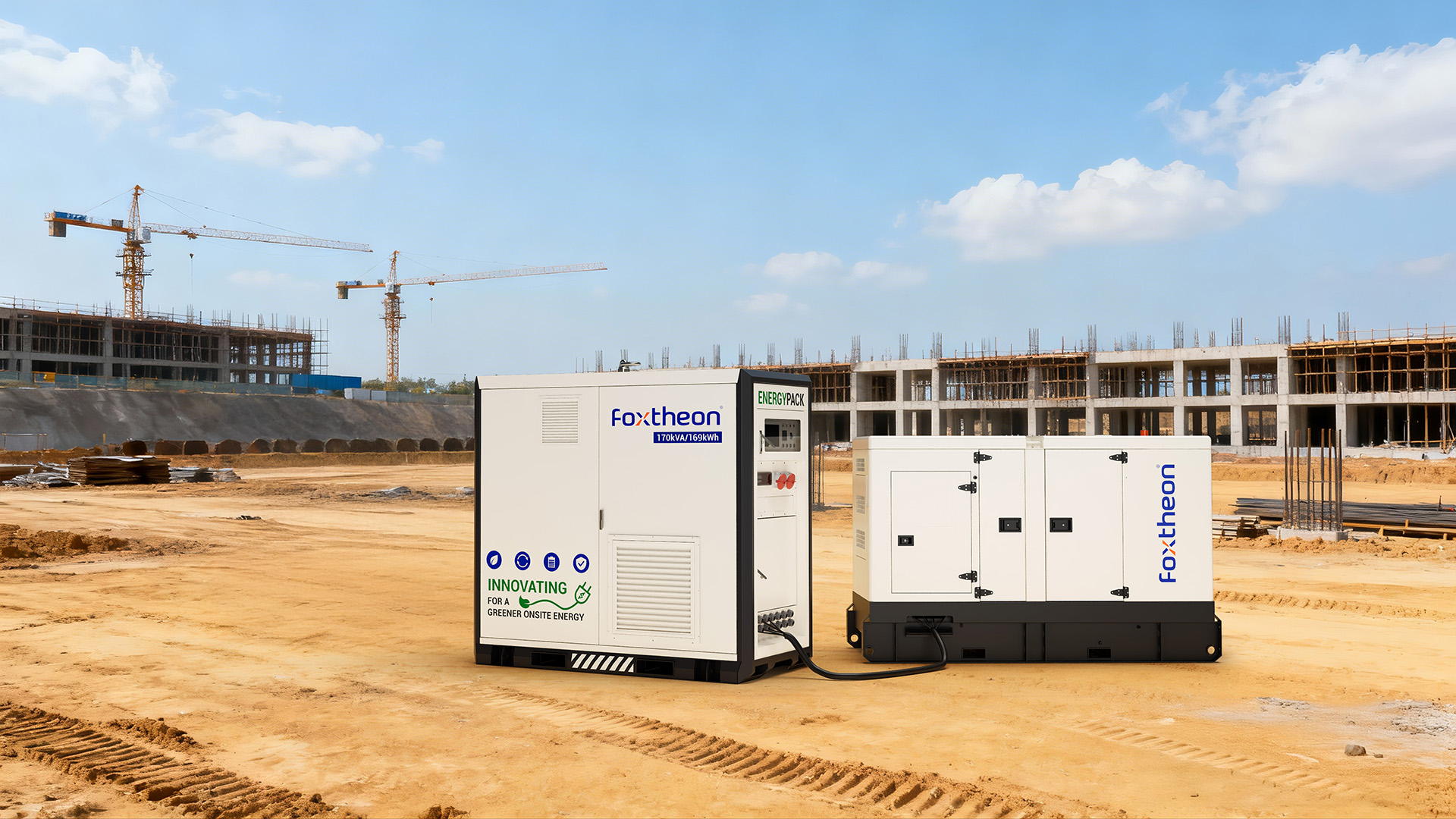
Power grids face constant threats from extreme weather, equipment faults, and technical failures. When a total system collapse occurs, grid operators must restart the electrical network entirely from scratch. You need a highly reliable and independent power source to bring the system back online safely. Modern smart energy networks increasingly rely on BESS black start capability to execute this critical procedure.
Advanced battery systems provide the massive initial energy jolt required to restart dormant power plants. Industry leaders like Foxtheon design sophisticated energy storage solutions that handle these complex recovery tasks smoothly. The technology replaces outdated fossil-fuel generators with digital, clean, and instantaneous power reserves.
Grid operators across the globe now prioritize battery storage to maintain network security. Investing in advanced storage guarantees that minor outages do not escalate into prolonged regional disasters.
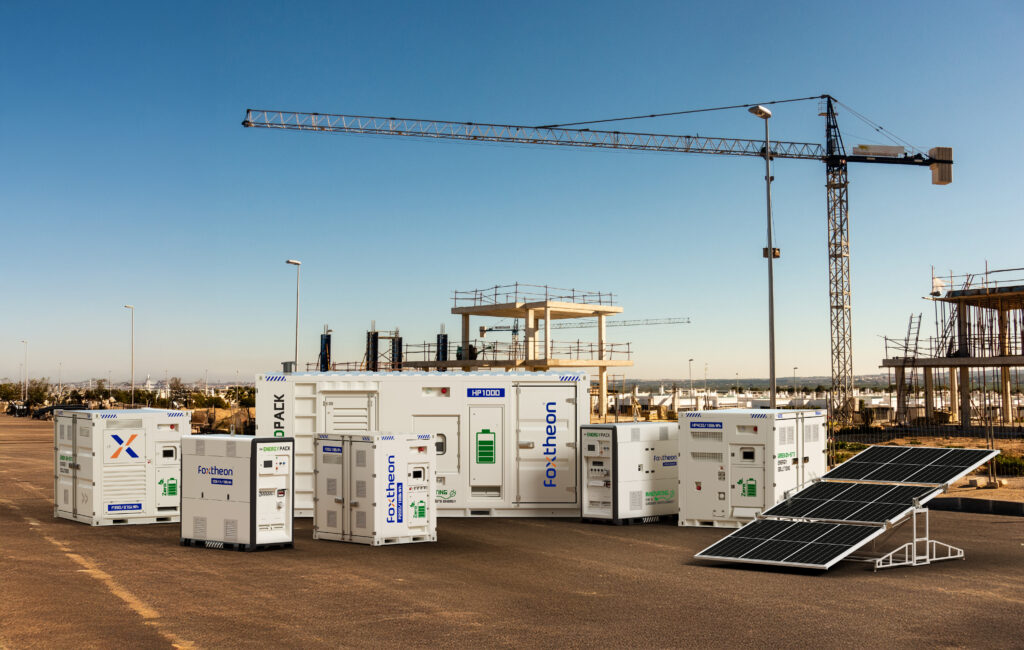
Understanding BESS Black Start Capability in Smart Energy
Utility companies traditionally relied on large diesel generators to restart fossil-fuel power plants after a blackout. These legacy mechanical systems take significant time to warm up, stabilize, and synchronize with the grid. BESS black start capability offers a much cleaner, faster, and more precise alternative for grid recovery. Battery energy storage systems (BESS) discharge massive amounts of power almost instantly.
They provide the necessary voltage and frequency references to wake up dormant power stations safely. A robust BESS black start capability forms the structural backbone of international smart energy solutions. It acts as a totally independent power source during complete grid blackouts.
Engineers program these massive battery banks to behave like traditional spinning generators. They trick the surrounding grid infrastructure into operating as if the main power supply never failed.
How the Restoration Process Works
Starting a completely dead grid requires precise control, exact timing, and careful execution. The battery system must establish a stable electrical island before anything else happens. It essentially creates a localized microgrid environment before connecting to larger transmission networks.
Operators typically execute the following critical steps to restore power effectively:
The battery storage system detects the total grid outage and completely disconnects from the main network.
Inverters automatically switch to grid-forming mode to establish stable voltage and frequency reference points.
The system carefully energizes local transformers and immediately adjacent transmission lines.
Power flows directly to the vital auxiliary systems of larger generation plants (like cooling pumps and fans).
Once the primary power plant stabilizes and starts generating power, operators synchronize it with the broader grid.
Core Benefits of BESS Black Start Capability
Deploying battery storage specifically for grid restoration brings immense operational value to utility providers. The transition from mechanical to digital restoration methods drastically speeds up the entire recovery sequence. Facilities equipped with BESS black start capability experience significantly shorter downtime during unexpected outages.
This technological shift eventually replaces outdated backup systems that require heavy and expensive maintenance. You gain a highly responsive, digital asset that sits ready to perform at a moment’s notice.
Immediate Response and High Reliability
Modern batteries respond to control signals in a matter of milliseconds. Traditional thermal generators might take up to an hour to reach the required operational speed and temperature. BESS black start capability delivers an immediate and controlled energy injection to the dead grid.
This rapid deployment minimizes the severe economic losses usually associated with prolonged power outages. Local businesses can resume their normal operations much faster. Hospitals and critical infrastructure maintain their essential life-saving services without enduring extended interruptions.
Significant Environmental Impact Reduction
Diesel and gas generators burn massive quantities of fossil fuels just to jump-start the grid. This outdated process releases significant carbon emissions and pollutants directly into the atmosphere. Using battery storage eliminates the need for these high-emission, noisy backup generators entirely.
Grid operators deliberately store surplus renewable energy during normal daily operations. They use this clean power later to execute the grid restart sequence when emergencies strike. This sustainable practice aligns perfectly with strict global carbon reduction targets.
Technical Requirements for BESS Black Start Capability
Not every commercial battery system can perform a complex grid restart operation successfully. The hardware and software components must meet incredibly strict technical specifications. Engineers design these critical systems specifically to handle massive electrical inrush currents from heavy transformers.
A functional BESS black start capability requires highly specialized internal components working in perfect harmony. If one subsystem fails, the entire grid restoration attempt will likely collapse.
Grid-Forming Inverter Technology
Standard grid-following inverters need an existing electrical signal from the grid to operate properly. They shut down automatically the moment the main grid fails to protect themselves. Grid-forming inverters act entirely differently during a crisis.
They independently generate their own stable voltage and frequency sine waves. This specific hardware creates the vital electrical foundation that other external generators follow. You simply cannot achieve reliable grid recovery without utilizing advanced grid-forming inverters.
Advanced Control Systems and Software
Software ultimately dictates exactly how the physical hardware behaves during a high-stress crisis. Intelligent control systems constantly monitor grid conditions, voltage levels, and thermal parameters. They actively manage the flow of energy to prevent sudden system overloads or short circuits.
During the restoration sequence, the digital controller dynamically balances active and reactive power. A successful BESS black start capability depends heavily on these highly sophisticated smart algorithms. They ensure the battery smoothly powers auxiliary loads without draining completely before the main plant comes online.
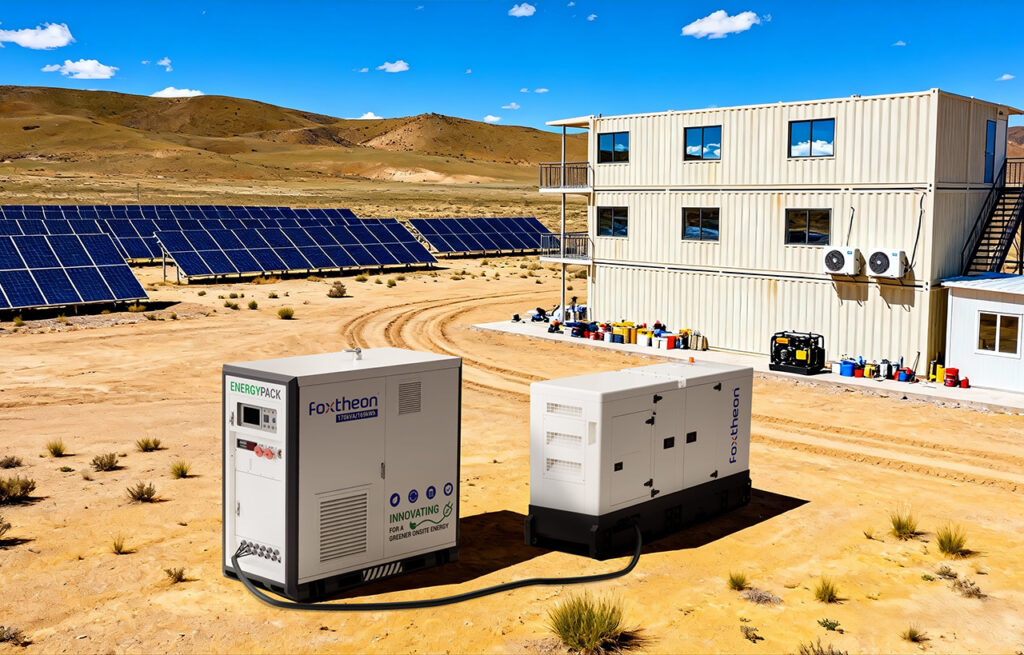
Implementing BESS Black Start Capability with Foxtheon
Integrating advanced digital technology into aging grid infrastructure requires meticulous engineering and careful planning. You must size the battery system correctly to handle the highly specific load of the target power plant. Technical experts deeply evaluate the precise energy requirements of the plant’s massive auxiliary equipment.
Innovative brands like Foxtheon provide specialized hardware and intelligent software for these complex scenarios. Foxtheon engineers systematically develop smart energy solutions that integrate seamlessly into broader utility network operations. Their premium storage systems guarantee exceptional reliability when utility providers execute a critical grid restart.
Building a dependable emergency recovery system involves rigorous, ongoing testing protocols. Field technicians intentionally simulate total grid failures to verify the Foxtheon system’s rapid response times. This highly proactive approach ensures the battery functions perfectly during a genuine, unpredictable emergency.
Key Challenges Facing BESS Black Start Capability
Despite the obvious operational advantages, system operators face several distinct hurdles when adopting this technology. Battery systems inherently possess finite and limited energy capacities. If the mechanical restoration process takes too long, the battery storage might run out of charge.
Proper energy sizing remains a critical engineering issue for maximizing BESS black start capability. Engineers must calculate the exact kilowatt-hours needed to sustain auxiliary loads until the main thermal plant fires up. Underestimating this capacity leads to a failed restart.
Another major challenge involves properly coordinating modern digital batteries with legacy mechanical equipment. Old power plants use analog controls that react very slowly to fast digital inverter signals. Bridging this specific communication gap requires customized, site-specific integration strategies.
Regulatory Standards for Grid Restoration Technologies
Grid authorities carefully maintain extremely strict rules for emergency power restoration systems. Generating facilities must clearly prove their backup power sources meet highly specific performance metrics. Regulators update these stringent safety codes continually to safely accommodate new battery technologies.
Demonstrating compliance often requires mandatory, annual field testing by utility companies. Utility operators schedule planned, controlled outages on isolated local grid segments. They precisely measure how quickly the battery establishes a stable voltage reference under real loads.
Meeting these demanding international smart energy standards builds crucial trust with transmission network operators. It proves the newly installed battery provides genuine grid security rather than just theoretical engineering benefits.
The Economic Case for Grid-Forming Battery Systems
Installing massive, utility-scale battery systems requires a highly significant upfront financial investment. Utility companies must clearly justify this massive capital cost to their demanding financial stakeholders. Traditional, dirty diesel generators often appear much cheaper at first glance.
However, traditional diesel generators sit totally idle for years while still demanding expensive routine maintenance. A modern storage system designed for grid recovery actually performs multiple different roles daily. Operators actively use the exact same battery for daily frequency regulation, peak shaving, and energy arbitrage.
This versatile, multi-use profile generates consistent daily revenue during normal grid operations. The financial returns from these daily ancillary services actively offset the massive initial installation costs. Investing in battery-based recovery technology essentially pays for itself completely over its operational lifespan.
Future Trends in Energy Storage Recovery
The global energy sector moves rapidly toward highly decentralized power generation models. Independent microgrids currently feature prominently in this massive structural transition. These localized utility networks can physically disconnect from the main grid and operate entirely autonomously.
We will quickly see advanced battery-based restoration become a standard mandatory requirement for all new microgrid projects. Large solar arrays and massive wind farms will soon pair directly with large-scale digital storage. This deep integration enables renewable energy facilities to restart themselves completely without any external assistance.
Artificial intelligence will also vastly improve these complex electrical restoration sequences. Machine learning algorithms will accurately predict the most efficient way to safely energize massive transmission lines. This continuous software evolution will make BESS black start capability even more incredibly reliable and completely resilient.
True grid resilience requires highly proactive solutions and investments in advanced digital technologies. System operators can no longer rely solely on outdated fossil-fuel generators for critical emergency recovery. Adopting BESS black start capability provides a much faster, cleaner, and strictly more reliable way to restore power. The rapid response times successfully prevent minor local blackouts from cascading into prolonged regional disasters.
As the international smart energy market matures quickly, battery storage will take on even greater structural responsibilities. Industry-leading brands like Foxtheon continue to innovate aggressively, providing the robust infrastructure needed for these demanding tasks. Investing heavily in BESS black start capability ensures that our global power networks remain highly secure, completely sustainable, and always ready to recover from any sudden disruption.
Frequently Asked Questions (FAQ)
Q1: What exactly is BESS black start capability?
A1: BESS black start capability refers to a battery energy storage system’s unique ability to restart a dead power grid independently. The advanced battery system establishes necessary voltage and frequency without relying on any external electrical power network.
Q2: Why is this technology better than traditional diesel generators?
A2: Battery systems respond in mere milliseconds and produce absolutely zero carbon emissions during operation. Diesel generators take much longer to physically start, require extensive routine mechanical maintenance, and heavily pollute the surrounding environment.
Q3: Do all commercial battery storage systems have this specific capability?
A3: No. The storage system requires highly specialized grid-forming inverters and incredibly advanced control software. Standard grid-following inverters simply cannot establish their own electrical reference points and shut down during blackouts.
Q4: Can a single battery installation power an entire city during a blackout?
A4: Usually, batteries do not power the whole city directly during a severe black start event. They instead energize the vital auxiliary systems of much larger power plants, which then eventually supply massive electricity to the city.
Q5: How do grid operators actually test BESS black start capability?
A5: Field technicians physically isolate a specific, small section of the grid to safely simulate a blackout. They then deliberately activate the battery system to strictly measure its response time and voltage stability under actual real-world conditions.
Q6: Does this battery technology work with renewable energy sources like solar?
A6: Yes. Grid operators frequently pair these smart battery systems directly with large solar or wind farms. The battery safely stores excess renewable energy and cleverly uses it later to completely restart the local grid when necessary.