
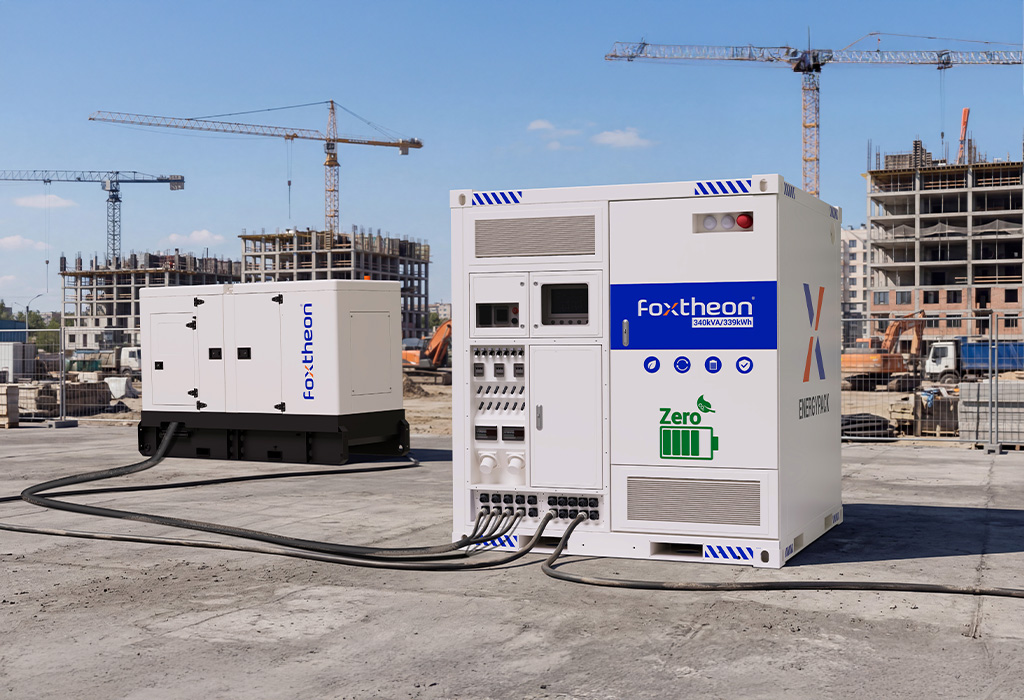
The transition toward decentralized power networks introduces both significant opportunities and distinct operational challenges for modern commercial enterprises. Industrial facilities, utility providers, and remote microgrids face continuous pressure to maintain stable power quality amid grid fluctuations and changing regulatory frameworks. Traditional centralized power structures often struggle to handle rapid peak demands and the intermittent nature of localized renewable generation. To resolve these challenges, modern energy infrastructure requires adaptable, scalable solutions.
A Modular Energy Storage System serves as a versatile buffer within these distribution networks. By capturing excess electrical energy during low-demand periods and discharging it during peak intervals, these systems stabilize local grids, prevent voltage drops, and support overall operational continuity. This analysis examines the technical architecture, integration strategies, and practical applications of modular energy storage technology in commercial and industrial settings.
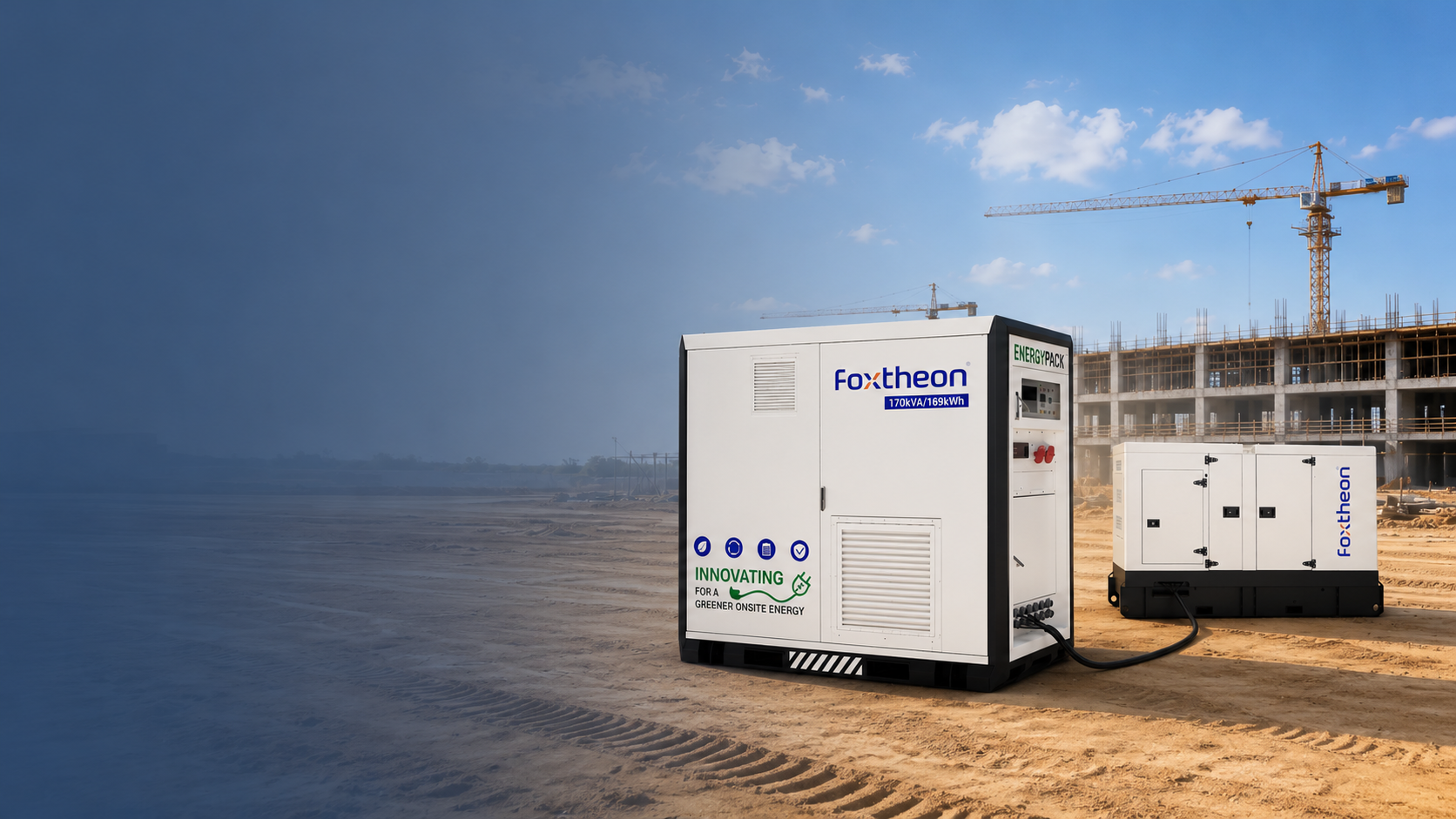
The Technical Architecture of a Modern Modular Energy Storage System
Unlike traditional, static battery installations, modern modular systems are engineered for flexibility, redundancy, and simplified maintenance. Rather than operating as a single, monolithic block, a modular system consists of multiple interconnected subsystems that function as a cohesive unit. This division of components ensures that if one part requires servicing, the remaining modules can continue to support the load.
1. Battery Modules and Cell Chemistry
The foundation of any energy storage system lies in its electrochemical cells. Most industrial modular systems utilize Lithium Iron Phosphate (LFP) chemistry. LFP is selected for its high thermal stability, long cycle life (typically exceeding 4,000 to 6,000 cycles at 80% depth of discharge), and safety profile compared to other lithium-ion variants. These cells are grouped into modules, which are then arranged in series and parallel configurations to achieve the desired voltage and capacity thresholds.
2. Power Conversion Systems (PCS)
The PCS is the bi-directional gateway between the battery modules and the electrical grid. It converts alternating current (AC) from the grid or local generators into direct current (DC) for battery charging, and reverses the process during discharge. Modular systems often employ distributed PCS architectures, where smaller inverter-charger units are dedicated to specific battery racks. This configuration enhances system redundancy and prevents a single inverter failure from disabling the entire installation.
3. Battery Management Systems (BMS)
Operation at high industrial voltages requires active monitoring. The BMS operates on a multi-tier hierarchy. At the module level, it monitors cell voltage, current, and temperature to prevent overcharging or deep discharging. At the system level, it coordinates these modules to ensure uniform state-of-charge (SoC) levels across all racks, actively managing thermal distribution and balancing currents to prevent premature degradation of the cells.
4. Energy Management Systems (EMS) and Control Software
The EMS serves as the intelligent controller of the entire setup. It utilizes real-time data from grid connections, local generation sources (such as solar PV arrays), and facility loads to determine optimal dispatch schedules. By executing pre-configured algorithms, the EMS controls peak shaving, reactive power compensation, and frequency regulation, allowing the facility to interface smoothly with external utility markets.
Addressing Industrial Power Challenges
Industrial facilities frequently encounter power quality issues that threaten production schedules and equipment health. Voltage sags, harmonic distortions, and transient power surges can disrupt sensitive automated manufacturing lines, leading to unscheduled downtime and product defects. Additionally, high peak demand charges imposed by utilities penalize enterprises that draw large amounts of power during high-use hours.
Integrating renewable energy, while beneficial for reducing carbon footprints, introduces load volatility due to the intermittent nature of solar and wind resources. Without an energy buffer, sudden drops in renewable output can overload local substation transformers or trigger protective relays, leading to localized outages.
To mitigate these issues, organizations require adaptable solutions that integrate with their current infrastructure. Systems developed by Foxtheon are engineered to interface with existing distribution setups, working alongside utility connections and backup generation assets to stabilize frequency variations and absorb sudden load spikes. This approach allows industrial plants to maintain steady operations without undergoing complex, costly redesigns of their existing electrical substations.
Key Applications of a Modular Energy Storage System
The scalable nature of modular systems makes them suitable for a wide range of operational environments, from urban infrastructure to remote off-grid operations. Their adaptability allows operators to tailor the system’s configuration to meet specific functional requirements.
- Commercial and Industrial (C&I) Peak Shaving: Many utilities calculate monthly billing based on the single highest demand period recorded. By monitoring consumption patterns, the storage system can discharge power during these peak intervals, keeping the utility draw below a predetermined threshold and stabilizing demand on the regional grid.
- Microgrid Stabilization: In remote regions, mining sites, or island environments, localized grids rely on a mix of generation sources. A modular storage system acts as the primary reference frequency, absorbing load changes and allowing generators to operate under steady, optimized conditions.
- EV Charging Infrastructure Support: The growing adoption of commercial electric vehicle fleets requires rapid charging infrastructure. These high-power charging stations can strain local distribution transformers. Modular storage units can buffer the high-demand spikes associated with rapid charging, discharging during vehicle connections and recharging slowly during off-peak periods.
- Temporary Power and Construction Site Integration: For large-scale construction projects or temporary events, power reliability is crucial. Modular units can operate in conjunction with mobile generators, handling transient startup currents from heavy machinery and allowing generators to be shut down during low-load nighttime hours to reduce noise and exhaust emissions.
Why Scalability and Modularity Represent the Future of Infrastructure
In the past, designing an energy storage installation required engineers to project power demands years into the future. This practice often resulted in over-specifying systems, leading to underutilized assets during the initial years of operation. If power demands grew faster than expected, retrofitting static installations was highly complex and required significant downtime.
A Modular Energy Storage System resolves these planning limitations through its physical and electrical scalability. Manufacturers like Foxtheon utilize standardized, rack-mounted configurations that allow extra battery and power conversion modules to be added as facility demands increase. This design supports a step-by-step expansion plan, letting operators align their capital expenditures with actual operational growth.
Furthermore, modular architectures offer high system availability. Standardized configurations allow maintenance technicians to perform hot-swapping or isolated servicing of specific modules without taking the entire system offline. This continuous operation is a major benefit for facilities where power availability is vital, such as data centers, water treatment plants, and continuous manufacturing facilities.
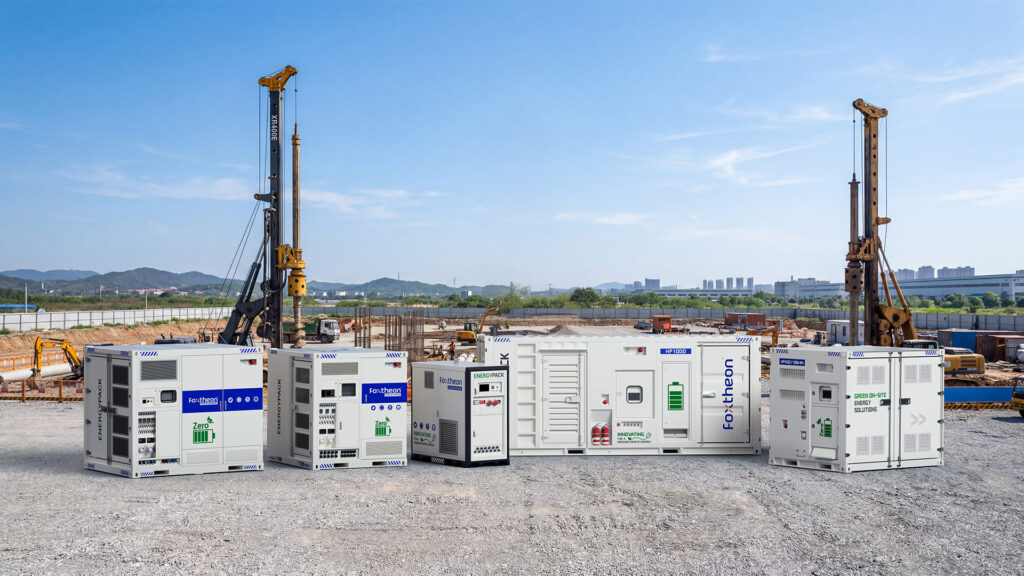
Coexistence and Optimization of Hybrid Assets
A common misconception is that implementing battery storage requires the abandonment of existing power assets, such as diesel or natural gas generator sets. In practice, the most resilient industrial microgrids are hybrid networks where combustion engines and battery storage operate in tandem.
Internal combustion generators operate most efficiently within a specific load range, typically between 60% and 80% of their rated capacity. When subjected to low loads or highly variable demand profiles, generators experience incomplete combustion, increased soot buildup (known as wet stacking), and accelerated mechanical wear. This issues lead to more frequent service intervals and reduced engine lifespans.
When integrated with a modular battery system, the generator can run at a steady, optimized load. The battery system absorbs rapid load changes, handles brief transient spikes, and supplies power during low-demand periods. This configuration allows the generator to run less frequently and under ideal operating conditions, which preserves the life of the generator asset and reduces overall maintenance requirements.
Key Criteria for Selecting a Modular Energy Storage System
Selecting the appropriate storage system requires a thorough analysis of the site’s electrical profile and operational environment. Engineers and facility managers should evaluate several parameters during the planning phase:
- C-Rate and Duration: The C-rate measures how quickly a battery can be fully discharged relative to its total capacity. High C-rate systems (e.g., 1C or 2C) are ideal for applications requiring rapid, short-duration power delivery, such as frequency regulation or peak shaving. Lower C-rate systems (e.g., 0.5C or 0.25C) are better suited for energy-shifting applications over several hours.
- Thermal Management: Industrial batteries generate heat during rapid charge and discharge cycles. Efficient thermal management, through active liquid cooling or forced-air systems, is necessary to keep cell temperatures within safe operating limits, prevent localized hot spots, and ensure uniform degradation rates.
- Control Compatibility: The integrated EMS must support standard industrial communication protocols (such as Modbus TCP/IP, CAN bus, or IEC 61850). This compatibility ensures the storage unit can communicate effectively with existing SCADA systems, programmable logic controllers (PLCs), and third-party generation controllers.
- Standards Compliance: Verification of international testing standards (such as UL 9540A for thermal runaway fire safety, IEC 62619, and CE certifications) is necessary to ensure safety and simplify local grid connection approvals.
Strategic Technical Collaboration
Developing a dependable, modern power network requires careful planning, precise engineering, and reliable hardware. As industrial energy systems become more complex, aligning with an experienced technology partner is vital to ensure that your energy infrastructure remains flexible, safe, and capable of adapting to future requirements.
Our team at Foxtheon specializes in the design, engineering, and deployment of scalable energy storage solutions. We assist project developers, system integrators, and industrial operators in specifying configurations that fit their unique electrical demands and existing infrastructure setups. If you are planning an upgrade to your facilities, seeking to improve grid stability, or looking to optimize a hybrid microgrid, please reach out to our technical engineering team for a detailed system assessment and to explore project opportunities.
Frequently Asked Questions
Q1: What is the difference between a modular energy storage system and a traditional battery installation?
A1: A traditional installation often uses a single, centralized battery bank and inverter system, where a failure in one component can disable the entire system. A modular system is composed of multiple, self-contained battery and power conversion modules working in parallel. This design allows for easier maintenance, high system redundancy, and scalable capacity expansion over time without major downtime.
Q2: How does a modular system improve the performance of existing diesel generators?
A2: The modular storage system handles the rapid, transient load spikes and low-load periods that would otherwise force a diesel generator to run inefficiently. By absorbing these fluctuations, the battery allows the generator to operate at its most efficient load point, reducing mechanical wear, preventing issues like wet stacking, and extending the generator’s overall service life.
Q3: Is liquid cooling or air cooling preferred for commercial modular storage setups?
A3: The choice depends on the application’s charge/discharge profile and the local climate. Liquid cooling is highly efficient at maintaining precise, uniform cell temperatures, which is beneficial for high-power, high-cycle-rate applications or hot environments. Forced-air cooling is simpler and can be highly reliable for moderate climates and lower-rate applications.
Q4: Can a modular system be expanded after several years of operation?
A4: Yes. One of the main benefits of a modular design is the ability to scale up capacity. Because the system uses standardized connections and intelligent BMS controls, operators can add new battery modules or racks to meet growing energy demands, provided the original system configuration was designed with expansion space in mind.
Q5: What safety certifications should a modular energy storage system hold?
A5: For commercial and industrial installations, systems should comply with international standards such as UL 1973 (for battery packs), UL 9540/9540A (for thermal runaway safety evaluation), and IEC 62619 (for safe operation of industrial lithium batteries), alongside local electrical grid connection codes.